
BuddhistCatholicContemplativeEvangelicalGeneral ChristianHinduJewishLatter-day SaintMuslimNew VisionsProgressive Christian
Beliefs
- Buddhist
- Catholic
- Contemplative
- Evangelical
- General Christian
- Hindu
- Jewish
- Latter-day Saint
- More Voices
- Muslim
- New Visions
- Pagan
- Progressive Christian
Topics
- Religion News
- Food and Religion
- Sports and Religion
- Religious Art
- Religious Music and Entertainment
- Religious Events
- History and Religion
- Style and Religion
- Politics and Religion
- Women in Religion
- Recreation Outdoors and Religion
- Business Finance and Religion
- Careers Workplace and Religion
- Education and Religion
- Family Parenting and Religion
- Health Fitness and Religion
- Home and Religion
- Relationships and Religion
- Technology and Religion
- Travel and Religion
Columnists
- Buddhist Columnists
- Business Finance and Religion Columnists
- Careers Workplace and Religion Columnists
- Catholic Columnists
- Contemplative Columnists
- Education and Religion Columnists
- Evangelists Columnists
- Family Parenting and Religion Columnists
- General Christian Columnists
- Health Fitness and Religion Columnists
- Hindu Columnists
- History and Religion Columnists
- Home and Religion Columnists
- Jewish Columnists
- More Voices Columnists
- Latter Day Columnists
- Muslim Columnists
- New Visions Columnists
- Nonreligious Columnists
- Pagan Columnists
- Politics and Religion Columnists
- Progressive Columnists
- Recreation Outdoors and Religion Columnists
- Relationships and Religion Columnists
- Religion News Columnists
- Religious Art Columnists
- Religious Events Columnists
- Religious Music and Entertainment Columnists
- Sports and Religion Columnists
- Style and Religion Columnists
- Technology and Religion Columnists
- Travel and Religion Columnists
- Women in Religion Columnists
Resource Library
- 2026 Calendar
- Library of World Religions
- The 100 Most Holy Places on Earth
- Patheos Answers
- Podcasts
- Videos
- Faith Leaders Database
- Anglican Episcopalian
- Bahai
- Baptist
- Buddhism
- Christianity
- Confucianism
- Eastern Orthodoxy
- Hinduism
- Holiness and Pentecostal
- ISKCON
- Islam
- Judaism
- Lutheran
- Methodist
- The Church of Jesus Christ of Latter-day Saints
- New Age
- Paganism
- Presbytarian and Reformed
- Protestantism
- Religion Behind the Scenes
- Roman Catholic
- Scientology
- Shia Islam
- Sikhism
- Sufism
- Sunni Islam
- Taoism
- Zen
- See all religions
Research Tools
 Ad-Free & Subscriber Log-In Subscription Support
Ad-Free & Subscriber Log-In Subscription Support
Follow Patheos 

- Trending:
- Forgiveness
- |
- Marriage
- |
- Consciousness
- |
- Death Penalty
- |
- Election
- |
- Halloween
 suspended in her jar
- Home
- Catholic
- The Danger of Faith Without Evidence, Religion Without Immanence
The Danger of Faith Without Evidence, Religion Without Immanence
Last updated on: April 10, 2020 at 2:11 pm by Rebecca Bratten Weiss
The Danger of Faith Without Evidence, Religion Without Immanence 2020-04-10T14:11:44-04:00 Rebecca Bratten Weiss
Patheos Explore the world's faith through different perspectives on religion and spirituality! Patheos has the views of the prevalent religions and spiritualities of the world.
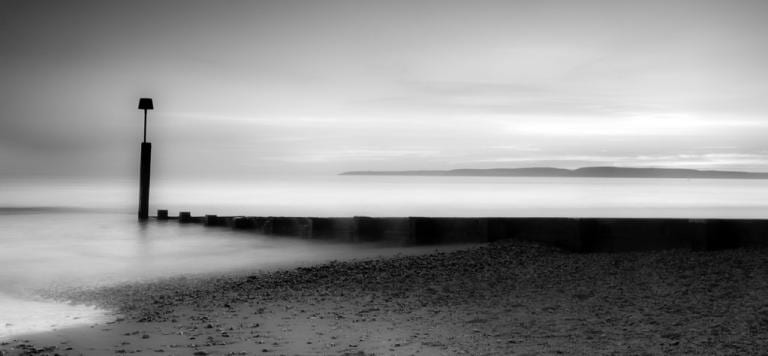
My family did our Seder celebration via Zoom this year. We used the “Ten Minute Seder,” created by Rabbi Yonah Bookstein, but between the difficulties with technology, trying to sort out whether to put the charoset on the matzoh or how much wine to pour for Elijah, and our familial tendency to verbally embroider on anything we do, it used up the full forty minutes we had scheduled for our meeting. My parents Zoomed in from next door, my brother and his wife from New England, and my sister from London. Afterwards, I served matzoh balls to my husband and children, and missed my extended family.
I missed the past.
I am an introvert by nature, with no great need to be around people; on the contrary, I tend to require periods of extreme solitude, for mental tranquility. And we live in a remote area, as of yesterday one of the few counties in my state with no confirmed case of COVID-19. I have my gardens to work in, horses to feed. My children can play outside, and my husband catch up on home improvement or vehicle maintenance. So lockdown and self-quarantine are easier for us than for most of our fellow citizens. Reading about what others are going through, especially our heroic health care workers in hard-hit areas, is humbling and overwhelming.
As we turn more and more towards technology to connect with one another during this strange time, I have been thinking a lot about the importance of physical reality. For many, being deprived of physical touch adds to the burden of quarantine, because we are bodily and relational beings. Even those of us who enjoy solitude seek out the assurance that our friends and family are alive, physically safe. The fragility of our bodily existence has been made painfully clear to us in the midst of a crisis that is also showcasing the inhuman or even anti-human nature of our present social system that places profit above human flourishing.
People make grandiose statements about being willing to die for “the economy” as though “the economy” were some vast living organism that must be fed at all cost. But “the economy” is an abstraction, the moral value of which depends on how well it serves life – real life, living bodies, the breathing and the tangible, whether human or not.
The danger of rejecting immanence
The danger of rejecting the moral significance of earthly life, the here and now, in favor of some ethereal beyond, has also been made evident. Religious leaders and faith communities that have rejected scientific data and care for the common good now state their willingness to risk death rather than give up their “right” to congregate in worship. Catholics have been circulating petitions to allow Easter services, in spite of the danger not only to themselves but to others. This earthly body is not important, is the message they send. Only grace – only salvation – only the life of the spirit.
I am not impressed with the religious fortitude of these individuals, any more than I am impressed with the piety of suicide bombers. Intensity of faith is not in itself to be commended, when it leads to disdain for and rejection of the fundamental precepts of natural morality. Natural morality tells us that there are objective goods present in life, here and now, and that these goods are worthy of protection.
Yes, we can posit a supernatural morality as well as transcendent being from our contemplation of natural goods and immanent being. But – if we deny the fundamental value of the present, the tangible, the physical – even something as simple as physical pleasure – we risk nihilism. We risk obliterating all that we know of good, as beings immersed in eco-systems and physical communities, for the sake of a posited “out there.”
Does it sound beautiful to you, to dream of an unimagined and unimaginable world? Does it sound like deep faith and profound religion, to reject earth in favor of heaven?
I once thought it did. But the problem with these dreams is they too easily ferment in the rot of hatred of this world. They justify doing nothing about suffering or injustice in the here and now. While resisting present temptation can be morally valuable, and working for future barely-imagined justice morally necessary, this is different from the absolutist piety that rejects scientific evidence, denounces all physical pleasure, and insists on faith in something beyond sight or evidence.
I don’t know what the outcome of this pandemic will be, or when we will see a time-after. But one hope I have is that religious communities will be more oriented towards a life of faith that grounds itself in natural theology and personalist ethics, rather than authoritarianism and fideism. I hope that we will realize that without a sacramentality that values this living everyday flesh, and without a theology of liberation, our religion is simply another tiresome variation on nihilism.
(Philosophical footnote: While I agree with Karl Rahner about the Vorgriff auf das Sein, the pre-apprehension of being, or transcendental awareness that allows us to recognize the status of contingency at all – our awareness of the phenomenon of goodness happens in the given-ness of our actual encounters with the real and present. And while I agree with Derrida that a metaphysics of presence is insufficient (which is why I roll my eyes at people who say our social media interactions are “unreal) I think a rejection of presence, especially for the sake of a transcendence with no hinges left in immanence, is nihilism – the nihilism Nietzsche rightly identified in Christianity. Without a dialectic of transcendence and immanence we do profound moral and intellectual damage.)
image credit: https://www.flickr.com/photos/92463233@N05/12135835203
Previous Post
March 27, 2020
Knowing God, and Wondering Still: How Doubting Fits A Life of Faith
Next Post
April 19, 2020 Christians And Jews: What Binds Us Together?
Browse Our Archives
Select a Category abortion anti-semitism art Atwood Betrothed church clergy abuse coronavirus culture economics education environmentalism ethics faith family feminism gardening gun violence immigration Judaism literature MaddAddam New Pro Life Movement news pandemic personalism poem politics politics blue Pope Francis racism religion salvation sexuality social justice spirituality Station eleven Stephen King The Stand Trump Uncategorized war World Health Organization
Select a Month March 2021 February 2021 January 2021 December 2020 November 2020 October 2020 September 2020 August 2020 July 2020 June 2020 May 2020 April 2020 March 2020 February 2020 January 2020 December 2019 November 2019 October 2019 September 2019 August 2019 July 2019 June 2019 May 2019 April 2019 March 2019 February 2019 January 2019 December 2018 November 2018 October 2018 September 2018 August 2018 July 2018 June 2018 May 2018 April 2018 March 2018 February 2018 January 2018 December 2017 November 2017 October 2017 September 2017 August 2017 July 2017 June 2017 May 2017 April 2017 March 2017 February 2017 January 2017 December 2016 November 2016 October 2016 September 2016 August 2016 July 2016 June 2016 May 2016 April 2016 March 2016 February 2016
Follow Us!
TAKE THE
Religious Wisdom Quiz
What does "Shiloh" (where the Tabernacle stood) mean?
Select your answer to see how you score.
House of Prayer Place of Peace Land of Bread Well of Water
Support this
Column


Related posts from suspended in her jar

Immigrants: They Need Us, and We Need Them

Four Takeaways from Oprah’s Interview with the Duke...

Catholics Are De-Toxing From their Experiences With Traumatic...

How Has the Pandemic Changed Us? Has It...
TRENDING AT PATHEOS Catholic

Rejecting Doom: Christian Hope And Human Action
Christianity is a religion of hope. We are to have hope and...

It’s What Comes From Within Which Matters
One of the most difficult things for us to understand is why...

Why I Choose the Eucharist Over the Sermon
Choose the Eucharist, Not the Sermon What are we supposed to get...

5 Design Elements Found in Spiritually Rooted Homes
Putting Spirituality Into Home Decor Our homes are more than our living...

Credo: A Story of God Told with the...
About 10 years ago, I began to imagine a personal "Credo" that...

The Anatomy of Divine Revelation in Catholic Thought
The claim that God has made Himself known to human beings is...
view all Catholic blogs
Ad-Free & Subscriber Log-In Subscription Support
- About Us
- 2026 Calendar
- Videos
- Podcasts
- Library of World Religions
- Faith In Media Tracker
- Advertise With Us
- Write for Us
- Privacy Policy
- Terms of Service
- Do Not Sell My Data
- Contact Us
- Radiant Digital
- Manage Newsletter Subscriptions
- Unsubscribe From Notifications
- Sitemap
Copyright 2008-2026, Patheos. All rights reserved.
Subscription Support Ad-Free & Subscriber Log-In
Follow Patheos