
BuddhistCatholicContemplativeEvangelicalGeneral ChristianHinduJewishLatter-day SaintMuslimNew VisionsProgressive Christian
Beliefs
- Buddhist
- Catholic
- Contemplative
- Evangelical
- General Christian
- Hindu
- Jewish
- Latter-day Saint
- More Voices
- Muslim
- New Visions
- Pagan
- Progressive Christian
Topics
- Religion News
- Food and Religion
- Sports and Religion
- Religious Art
- Religious Music and Entertainment
- Religious Events
- History and Religion
- Style and Religion
- Politics and Religion
- Women in Religion
- Recreation Outdoors and Religion
- Business Finance and Religion
- Careers Workplace and Religion
- Education and Religion
- Family Parenting and Religion
- Health Fitness and Religion
- Home and Religion
- Relationships and Religion
- Technology and Religion
- Travel and Religion
Columnists
- Buddhist Columnists
- Business Finance and Religion Columnists
- Careers Workplace and Religion Columnists
- Catholic Columnists
- Contemplative Columnists
- Education and Religion Columnists
- Evangelists Columnists
- Family Parenting and Religion Columnists
- General Christian Columnists
- Health Fitness and Religion Columnists
- Hindu Columnists
- History and Religion Columnists
- Home and Religion Columnists
- Jewish Columnists
- More Voices Columnists
- Latter Day Columnists
- Muslim Columnists
- New Visions Columnists
- Nonreligious Columnists
- Pagan Columnists
- Politics and Religion Columnists
- Progressive Columnists
- Recreation Outdoors and Religion Columnists
- Relationships and Religion Columnists
- Religion News Columnists
- Religious Art Columnists
- Religious Events Columnists
- Religious Music and Entertainment Columnists
- Sports and Religion Columnists
- Style and Religion Columnists
- Technology and Religion Columnists
- Travel and Religion Columnists
- Women in Religion Columnists
Resource Library
- 2026 Calendar
- Library of World Religions
- The 100 Most Holy Places on Earth
- Patheos Answers
- Podcasts
- Videos
- Faith Leaders Database
- Anglican Episcopalian
- Bahai
- Baptist
- Buddhism
- Christianity
- Confucianism
- Eastern Orthodoxy
- Hinduism
- Holiness and Pentecostal
- ISKCON
- Islam
- Judaism
- Lutheran
- Methodist
- The Church of Jesus Christ of Latter-day Saints
- New Age
- Paganism
- Presbytarian and Reformed
- Protestantism
- Religion Behind the Scenes
- Roman Catholic
- Scientology
- Shia Islam
- Sikhism
- Sufism
- Sunni Islam
- Taoism
- Zen
- See all religions
Research Tools
 Ad-Free & Subscriber Log-In Subscription Support
Ad-Free & Subscriber Log-In Subscription Support
Follow Patheos 

- Trending:
- Forgiveness
- |
- Marriage
- |
- Consciousness
- |
- Death Penalty
- |
- Election
- |
- Halloween
 Surprising Faith
- Home
- Progressive Christian
- We can’t help ourselves: What does it mean to be Catholic?
We can’t help ourselves: What does it mean to be Catholic?
Last updated on: May 5, 2015 at 6:00 am by Alicia de los Reyes
We can’t help ourselves: What does it mean to be Catholic? 2015-04-30T13:02:18-08:00 Alicia de los Reyes
Patheos Explore the world's faith through different perspectives on religion and spirituality! Patheos has the views of the prevalent religions and spiritualities of the world.
This is the third post in a conversation between me and Eve Tushnet. You can read the first post about what we like about Catholicism here, and the second post about what we don’t love here.
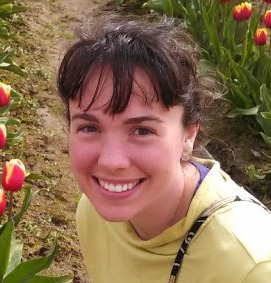
Alicia de los Reyes, former Catholic
Many of you may know Eve Tushnet from her blog here on Patheos, where she writes about being gay, celibate, and Catholic (along with World Figure Skating Championship costumes and other events of note). Eve grew up “somewhere between agnostic and Jewish” and
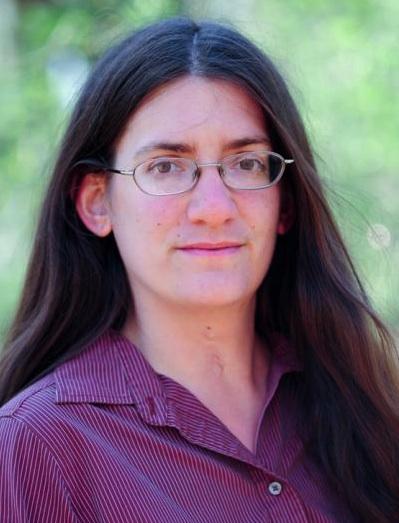
Eve Tushnet, current Catholic (photo c/o May Goren)
converted to Catholicism when she was a sophomore in college.
I did the inverse: I was raised firmly Catholic and started drifting away from “the Church” in college, when I just couldn’t stomach my church’s position on women priests and gay marriage, among other things, and eventually ended up at a social-justice-oriented spiritual community.
I thought it would be fun to talk about why, despite our seemingly large hurdles (background, political beliefs, sexuality), we still really like the Catholic Church. (Even though my new church is Methodist, I still say that I was “raised Catholic.”)
Today, we’re talking about what makes a Catholic a Catholic.
Alicia: What do you think it means to be Catholic? Your Catholicism seems much more intellectual than mine ever was, and I considered myself a fairly committed Catholic. Does Catholicism require us to understand some/most of it? Or is it enough to go through the sacraments and say that you believe in the Nicene Creed (even if you don’t think about it all that hard)?
Eve: I don’t really think I have much of a definition of what it means to be a Catholic, other than “baptized in the Catholic Church.” The definition from Monty Python’s “Every Sperm Is Sacred” has a lot of wisdom in it (as does that sketch in general, lol):
You don’t have to be a six-footer,
You don’t have to have a big brain.
You don’t have to have any clothes on;
You’re a Catholic the moment Dad came.
So yeah, we have a responsibility to submit our intellects to the Church’s guidance and wisdom, but that doesn’t mean we are ever going to understand everything or even most things.
The image of the “bad Catholic” really resonates with me: someone who acknowledges that she needs to be in the Church even though she
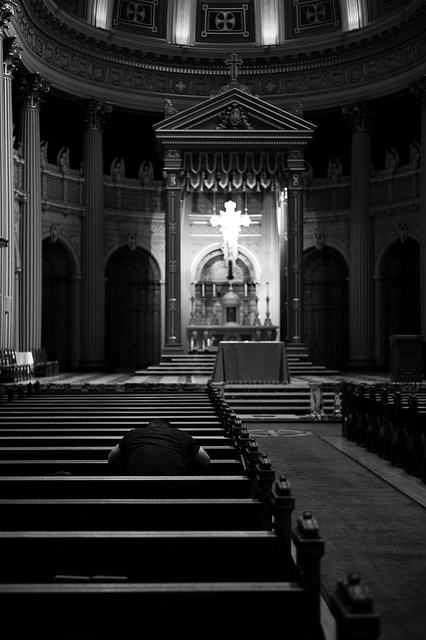
Prayer c/o Misha Sokolnikov
doesn’t accept it all or can’t live it out. There’s a powerful witness in that person’s perseverance, her willingness to wrestle angels from within the Church. We hear about people who went decades without receiving Communion, because their beliefs or their life situations were not in harmony with the Catholic way of life. That’s tragic on one level, and intensely painful for the people involved. But their decades of kneeling in prayer while everyone else goes up to receive are also decades of witness and humility. (I wrote a bit more about that here.)
I agree with you that our faith needs to be seen in our actions. In all honesty, the Church’s call to serve those in need and the “preferential option for the poor” weren’t reasons I converted, at least not consciously–but I do think they made it easier for me to see the truth of Catholicism. The fact that Jesus knew exile, imprisonment, humiliation, and torture is part of what makes Christianity credible to me. We worship a God who overturns the hierarchies of the world, very much including economic hierarchies. I’m still wrestling with how best to live out His call in a gentrifying city….
Alicia: I think I agree with you that whoever is born Catholic or converts to Catholicism is Catholic. Am I interpreting Monty Python correctly there, or is the song telling us that everyone is Catholic? (edit: the song is not saying that.) I don’t believe everyone is Catholic. But I do feel that no matter how long I stay in my current church, even if it’s for the rest of my life, I’ll always feel more comfortable identifying as Catholic. Maybe it’s part of the secret-club thing, but I feel like Catholicism is a part of my identity. Catholicism makes sense to me and I know that it doesn’t make sense to everyone.
I also think that obedience to the church or God even when you’re feeling excluded or angry, sad, or unhappy with the church is admirable, regardless of denomination. I think everyone has doubts or parts of their faith that they don’t understand, or standards that they don’t live
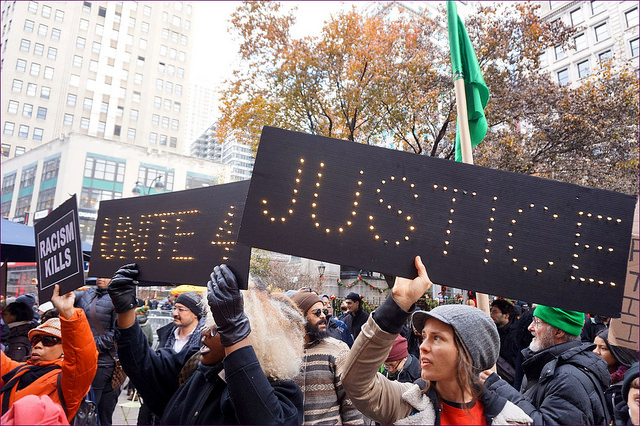
Black Lives Matter Black Friday (protest in NYC), c/o The All-Nite Images
up to. My progressive church would say “No way!” but I think we would say that you have to care about certain things to be a part of our church, and to some degree, you have to act on them. You have to at least want to be part of the solution to say, institutionalized racism. But–both in my church and the Catholic church–there’s an acknowledgment that we all fail constantly and deserve to be welcomed back. We all deserve mercy, forgiveness, and understanding, from ourselves and from others.
Obviously, I think there’s a point where you can leave if you’re unhappy enough–I did–but I think it’s worthwhile to fight it out for a bit, to make sure that it’s really not you, it’s them.
This is getting off base…I guess I’m saying that no, you don’t have to know every single piece of Catholic catechism to be a Catholic (I mean, the book is inches thick, for Pete’s sake). You don’t have to totally understand it to be a part of it. You don’t even have to like it, as I think we have shown. You just have to want the label.
Many thanks to Eve. If you missed the first two posts in this three-part series, you can check them out here and here.
Previous Post
May 1, 2015
White Christians a Minority in 19 States
Next Post

May 8, 2015 One woman's modern-day Anorexia Mirabilis
Browse Our Archives
Select a Category Activism Catholicism Evangelical Christianity Faith & Daily Life Fundamentalism History Mainstream Christianity Nondenominational Christianity Orthodox Christianity Progressive Christianity
Select a Month February 2016 January 2016 December 2015 November 2015 October 2015 September 2015 August 2015 July 2015 June 2015 May 2015 April 2015 March 2015 February 2015
Follow Us!
TAKE THE
Religious Wisdom Quiz
What is the name of the second book in the Bible?
Select your answer to see how you score.
Exodus Deuteronomy Leviticus Genesis
Related posts from Surprising Faith

An atheist and a deist walk into a...

Something like a socialist dream

Beyond the Pulpit and the Prayers
What do Christian (atheists) look like?
TRENDING AT PATHEOS Progressive Christian

Why Christians Have a Sacred Duty to Vote:...
The Bible offers strong support for the sacred duty to vote. Here...

What Being a Modern-Day Apostle Means to Me
In my last column, I discussed the ins and outs of modern-day...

Did Ancient China Once Worship the God of...
Across human history, a common thread weaves through the origins of the...

Love Your Neighbor – Including Earth-Kin: Lev. 19,...
God’s command to love your neighbor means acting in an ethical and...

Lead a Church Study of “Jesus and Lao...
Guest writer Jack Thomas (The Irreverent Reverend) reflects on leading his church...

Principles for Understanding the Apostolic Ministry Today
Whenever people discover that my formal ministry title is "apostle," as in...
view all Progressive Christian blogs
Ad-Free & Subscriber Log-In Subscription Support
- About Us
- 2026 Calendar
- Videos
- Podcasts
- Library of World Religions
- Faith In Media Tracker
- Advertise With Us
- Write for Us
- Privacy Policy
- Terms of Service
- Do Not Sell My Data
- Contact Us
- Radiant Digital
- Manage Newsletter Subscriptions
- Unsubscribe From Notifications
- Sitemap
Copyright 2008-2026, Patheos. All rights reserved.
Subscription Support Ad-Free & Subscriber Log-In
Follow Patheos