
BuddhistCatholicContemplativeEvangelicalGeneral ChristianHinduJewishLatter-day SaintMuslimNew VisionsProgressive Christian
Beliefs
- Buddhist
- Catholic
- Contemplative
- Evangelical
- General Christian
- Hindu
- Jewish
- Latter-day Saint
- More Voices
- Muslim
- New Visions
- Pagan
- Progressive Christian
Topics
- Religion News
- Food and Religion
- Sports and Religion
- Religious Art
- Religious Music and Entertainment
- Religious Events
- History and Religion
- Style and Religion
- Politics and Religion
- Women in Religion
- Recreation Outdoors and Religion
- Business Finance and Religion
- Careers Workplace and Religion
- Education and Religion
- Family Parenting and Religion
- Health Fitness and Religion
- Home and Religion
- Relationships and Religion
- Technology and Religion
- Travel and Religion
Columnists
- Buddhist Columnists
- Business Finance and Religion Columnists
- Careers Workplace and Religion Columnists
- Catholic Columnists
- Contemplative Columnists
- Education and Religion Columnists
- Evangelists Columnists
- Family Parenting and Religion Columnists
- General Christian Columnists
- Health Fitness and Religion Columnists
- Hindu Columnists
- History and Religion Columnists
- Home and Religion Columnists
- Jewish Columnists
- More Voices Columnists
- Latter Day Columnists
- Muslim Columnists
- New Visions Columnists
- Nonreligious Columnists
- Pagan Columnists
- Politics and Religion Columnists
- Progressive Columnists
- Recreation Outdoors and Religion Columnists
- Relationships and Religion Columnists
- Religion News Columnists
- Religious Art Columnists
- Religious Events Columnists
- Religious Music and Entertainment Columnists
- Sports and Religion Columnists
- Style and Religion Columnists
- Technology and Religion Columnists
- Travel and Religion Columnists
- Women in Religion Columnists
Resource Library
- 2026 Calendar
- Library of World Religions
- The 100 Most Holy Places on Earth
- Patheos Answers
- Podcasts
- Videos
- Faith Leaders Database
- Anglican Episcopalian
- Bahai
- Baptist
- Buddhism
- Christianity
- Confucianism
- Eastern Orthodoxy
- Hinduism
- Holiness and Pentecostal
- ISKCON
- Islam
- Judaism
- Lutheran
- Methodist
- The Church of Jesus Christ of Latter-day Saints
- New Age
- Paganism
- Presbytarian and Reformed
- Protestantism
- Religion Behind the Scenes
- Roman Catholic
- Scientology
- Shia Islam
- Sikhism
- Sufism
- Sunni Islam
- Taoism
- Zen
- See all religions
Research Tools
 Ad-Free & Subscriber Log-In Subscription Support
Ad-Free & Subscriber Log-In Subscription Support
Follow Patheos 

- Trending:
- Forgiveness
- |
- Marriage
- |
- Consciousness
- |
- Death Penalty
- |
- Election
- |
- Halloween
 Summa This, Summa That
- Home
- About
- Through a Lens, Darkly
- Streaming Video Suggestions (SVS)
- Summa Short Films (SSF)
- The Man Behind The Booth
- Home
- Catholic
- Tending to My Own Garden
Tending to My Own Garden
Last updated on: January 18, 2015 at 5:31 pm by Joseph Susanka
Tending to My Own Garden 2015-01-18T17:31:09-07:00 Joseph Susanka
Patheos Explore the world's faith through different perspectives on religion and spirituality! Patheos has the views of the prevalent religions and spiritualities of the world.
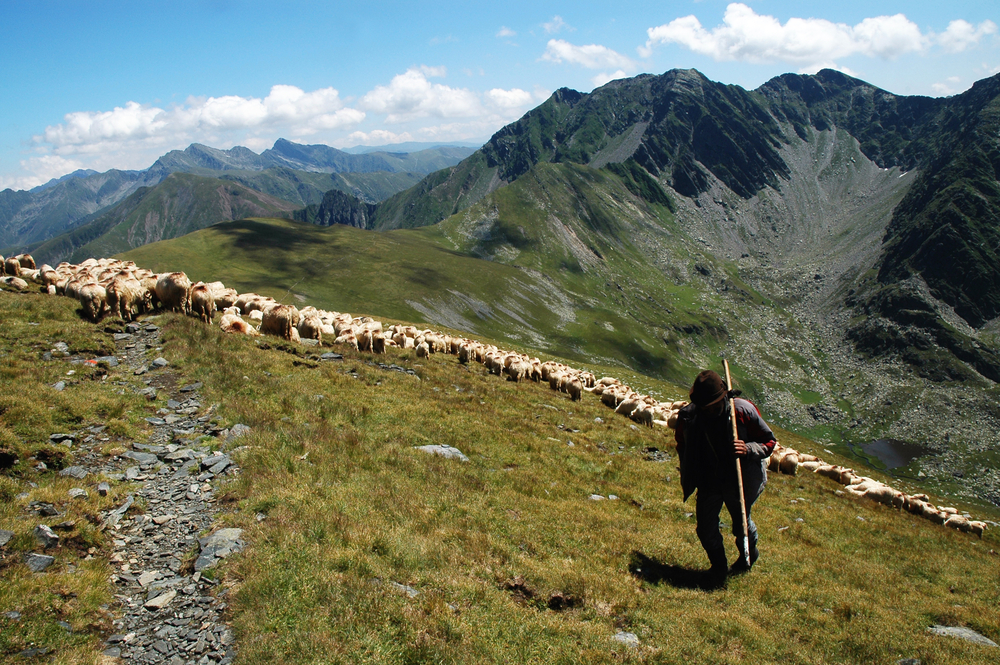
 This piece from Mary DeTurris Poust (and her follow-up thoughts) has been making the rounds. It’s hit a real chord (or nerve, or home-run) with many, and produced a great deal of commentary that I find both timely and helpful. And it’s reminded me of my own frustrations over the question of how to respond to the shepherding deficiencies we see all around us.
My parish experiences have been exasperatingly diverse — liturgies ranging from gloriously, soaringly beautiful to soul-crushingly mundane and everywhere in-between; preaching from the profound to the vapid to the intentionally (unsettlingly) heterodox; congregations from the engaged to the emphatically disinterested to the flat-out non-existent.
Here is what I believe: We all have our roles to play, priest and parishioner alike. Yet I can’t escape the understanding that a pastor’s duties as shepherd are far more important to the spiritual safety and guidance of his flock then mine can never be. I understand from experience the frustration felt when a priest is “failing to live up to his end of the bargain,” and I detest the feeling of hopelessness as one watches fellow church-goers withering away for lack of attention. A pastor’s ministrations are so vital, it’s hard to overlook when his charges are being neglected, whether through ignorance or willful disregard. (I also understand a priest’s frustration when he is striving to his utmost to guide, teach, and succor his flock, and they turn away with either distain or devastating disinterest. This is a blade that cuts both ways, and deeply.)
But this is what I believe most of all: My own personal tendency to focus on pastoral imperfections is often as soul-crushing and harmful to me and my moral health as the effects of the imperfections themselves.
If it is true to say that my priest has obligations to me, it is just as true that my thinking about his obligations — harping on the many ways in which he might not be meeting them — has never done me or my parish a lick of good. Once I start peeking over that fence, it’s near impossible for me to stop fixating on the relative greenness or barrenness of his plot. But goodness knows I have enough choking weeds to deal with in my own little patch of soul.
Am I simply sticking my head in the sand? Ignoring the signs of pastoral decay at my own peril? I hope not. I have too many young, malleable children to tolerate doctrinal abuses, and I remember with vividness (and pride) my father confronting a priest who was willfully, defiantly altering the words of consecration. Certain battles should and must be fought, and I’m willing to fight them.
Yet every time I find myself growing wrathful at the poor quality of preaching or the vapidness of the liturgy or the kumbayaness of the music — and that last one’s a HUGE hurdle for me — I am reminded by my clamoring cries that “something needs to be done!” of just how much of that work must be done in my own garden first. I must focus there — both for my own spiritual well-being and peace of mind, and because this “inward” focus will prove vastly more productive in the lives of my fellow parishioners and my pastor, as well.
An outward-looking Church needs inward-looking members. Not members focusing on themselves and their needs, but members who look at themselves and their garden with regularity; who see themselves clearly enough to recognize their failings and the way those failings effect all around them. And who are relentlessly committed to fixing what they find there.
We need intentional disciples, both on the altar and in the pews. But for me, that intentional discipleship must always begin by looking down my own pew, and by intentionally forcing myself to overlook the quality of the discipleship before me at the altar I must look beyond the man standing there, and past my desires (or efforts) to reform him.
It’s the Man in the Tabernacle that really needs my attention. And not because He needs to be reformed, but because I do.
One of the greatest benefits of the Catholic Portal is that I can always find people who are thinking along similar lines but putting it much better than I can. So here’s Elizabeth Duffy on making the Word flesh:
This, I believe, is one thing Pope Francis is trying to teach us. Be present to one another. Heal the wounds, but first, know what the wounds are by being in relationship with one another. Let a person’s sins go behind the person himself. Call people by name, rather than by their defects.
And don’t forget Max Lindenman, whose title is awesome.
Attribution(s): Shepherding images provided by Shutterstock.
Previous Post

September 23, 2013
Palate Cleansing with Cantus
Next Post

September 25, 2013 A Furtwängler On Every Street Corner
Browse Our Archives
Select a Category Art Baseball Faith Family Lenten Music Movies Music No Commentary Necessary Parked By the Jukebox Photography Politics Quodlibets Streaming Video Suggestions Summa Short Films Television The Man Behind the Booth Through a Lens, Darkly
Select a Month December 2015 November 2015 October 2015 September 2015 August 2015 July 2015 June 2015 May 2015 April 2015 March 2015 February 2015 January 2015 December 2014 November 2014 October 2014 September 2014 August 2014 July 2014 June 2014 May 2014 April 2014 March 2014 February 2014 January 2014 December 2013 November 2013 October 2013 September 2013 August 2013 July 2013 June 2013 May 2013 April 2013 March 2013 February 2013 January 2013 December 2012 November 2012 July 2012 April 2012 March 2012 February 2012 November 2011 August 2011 July 2011 June 2011 May 2011 April 2011 March 2011 February 2011 January 2011 December 2010 November 2010 October 2010
Follow Us!
TAKE THE
Religious Wisdom Quiz
What Hebrew word, meaning "vanity" or "meaningless," is frequently used in Ecclesiastes?
Select your answer to see how you score.
Torah Shalom Ruach Hevel
Related posts from Summa This, Summa That


The Absurdity of God's Forgiveness

A Bit Of Advice For All Preparing To...
Ennio Morricone Wrote a Mass for Pope Francis
TRENDING AT PATHEOS Catholic

The Parable Of The Sower And The Word...
One of Christ’s most famous parables is that of the sower who...

Rejecting Doom: Christian Hope And Human Action
Christianity is a religion of hope. We are to have hope and...

Why I Choose the Eucharist Over the Sermon
Choose the Eucharist, Not the Sermon What are we supposed to get...

5 Design Elements Found in Spiritually Rooted Homes
Putting Spirituality Into Home Decor Our homes are more than our living...

Credo: A Story of God Told with the...
About 10 years ago, I began to imagine a personal "Credo" that...

The Anatomy of Divine Revelation in Catholic Thought
The claim that God has made Himself known to human beings is...
view all Catholic blogs
Ad-Free & Subscriber Log-In Subscription Support
- About Us
- 2026 Calendar
- Videos
- Podcasts
- Library of World Religions
- Faith In Media Tracker
- Advertise With Us
- Write for Us
- Privacy Policy
- Terms of Service
- Do Not Sell My Data
- Contact Us
- Radiant Digital
- Manage Newsletter Subscriptions
- Unsubscribe From Notifications
- Sitemap
Copyright 2008-2026, Patheos. All rights reserved.
Subscription Support Ad-Free & Subscriber Log-In
Follow Patheos