
BuddhistCatholicContemplativeEvangelicalGeneral ChristianHinduJewishLatter-day SaintMuslimNew VisionsProgressive Christian
Beliefs
- Buddhist
- Catholic
- Contemplative
- Evangelical
- General Christian
- Hindu
- Jewish
- Latter-day Saint
- More Voices
- Muslim
- New Visions
- Pagan
- Progressive Christian
Topics
- Religion News
- Food and Religion
- Sports and Religion
- Religious Art
- Religious Music and Entertainment
- Religious Events
- History and Religion
- Style and Religion
- Politics and Religion
- Women in Religion
- Recreation Outdoors and Religion
- Business Finance and Religion
- Careers Workplace and Religion
- Education and Religion
- Family Parenting and Religion
- Health Fitness and Religion
- Home and Religion
- Relationships and Religion
- Technology and Religion
- Travel and Religion
Columnists
- Buddhist Columnists
- Business Finance and Religion Columnists
- Careers Workplace and Religion Columnists
- Catholic Columnists
- Contemplative Columnists
- Education and Religion Columnists
- Evangelists Columnists
- Family Parenting and Religion Columnists
- General Christian Columnists
- Health Fitness and Religion Columnists
- Hindu Columnists
- History and Religion Columnists
- Home and Religion Columnists
- Jewish Columnists
- More Voices Columnists
- Latter Day Columnists
- Muslim Columnists
- New Visions Columnists
- Nonreligious Columnists
- Pagan Columnists
- Politics and Religion Columnists
- Progressive Columnists
- Recreation Outdoors and Religion Columnists
- Relationships and Religion Columnists
- Religion News Columnists
- Religious Art Columnists
- Religious Events Columnists
- Religious Music and Entertainment Columnists
- Sports and Religion Columnists
- Style and Religion Columnists
- Technology and Religion Columnists
- Travel and Religion Columnists
- Women in Religion Columnists
Resource Library
- 2026 Calendar
- Library of World Religions
- The 100 Most Holy Places on Earth
- Patheos Answers
- Podcasts
- Videos
- Faith Leaders Database
- Anglican Episcopalian
- Bahai
- Baptist
- Buddhism
- Christianity
- Confucianism
- Eastern Orthodoxy
- Hinduism
- Holiness and Pentecostal
- ISKCON
- Islam
- Judaism
- Lutheran
- Methodist
- The Church of Jesus Christ of Latter-day Saints
- New Age
- Paganism
- Presbytarian and Reformed
- Protestantism
- Religion Behind the Scenes
- Roman Catholic
- Scientology
- Shia Islam
- Sikhism
- Sufism
- Sunni Islam
- Taoism
- Zen
- See all religions
Research Tools
 Ad-Free & Subscriber Log-In Subscription Support
Ad-Free & Subscriber Log-In Subscription Support
Follow Patheos 

- Trending:
- Forgiveness
- |
- Marriage
- |
- Consciousness
- |
- Death Penalty
- |
- Election
- |
- Halloween
 Strategic Monk
-
About
-
Services
- Home
- Contemplative
- Religious Events
- Bathing in the Stillness of Lent
Bathing in the Stillness of Lent
Last updated on: March 21, 2024 at 3:43 am by Greg Richardson
Bathing in the Stillness of Lent 2024-03-21T03:43:37-08:00 Greg Richardson
Patheos Explore the world's faith through different perspectives on religion and spirituality! Patheos has the views of the prevalent religions and spiritualities of the world.
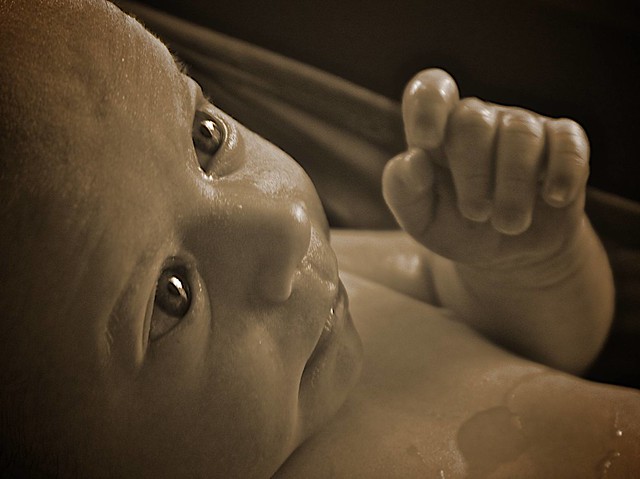
Bathing in the Stillness of Lent
Are we bathing in the stillness of Lent this year?
Lent is not a season about giving things up. It is not a liturgical second chance when we have not followed through on our New Year’s resolutions. Lent is not primarily about chocolate or caffeine, alcohol or social media.
We are finishing a season about being honest with ourselves, with other people, with spiritual life. During Lent, we take honest, insightful looks at who we really are. Lent is about reflecting on what we hold onto which holds us back from becoming our truest selves. We look ourselves in the eye and recognize what we do not truly need.
Lent is a time for us to pause long enough to take time to soak ourselves in the sacred stillness within us and around us.
It is a season for us to bathe in stillness for 40 days. Lent will soon be over, and stillness will be more challenging for us to find.
Within days, our week will be filled with special services and activities. The stillness of Lent will be a thing of the past. We will go back to living the way we did before we decided to make a special effort to listen.
It will be time for us to stand up, step out of the relaxing, reassuring bath, and dry ourselves off.
We come from the earth, and to the earth we will return. Our physical life will not last forever, and there are things beyond us.
There are things beyond our reach, even when our spirits may soar. What of this finite life will live on when our bodies are no longer here?
Can Lent Be a Contemplative Practice?
Many people assume Lent is about particular actions we take or stop taking.
Some of us decide to either break free from a habit or cultivate a new one during Lent. We may decide to stop smoking or eating red meat or drinking alcohol between Ash Wednesday and Easter.
It is easy for us to get caught up in our expectations about what we are doing. We forget why we are doing it. Some people intentionally choose to break a habit which will not be too challenging for them to break. We might focus so much attention on meeting our own expectations we miss the point of Lent.
I wake up early in the morning, before anyone else, and sit alone in the stillness and the darkness. Breathing deeply, I sit and listen to the stillness of the rain falling outdoors.
Lent is an excellent opportunity for bathing in sacred stillness. It is just barely spring here, and there is a richness and depth to the stillness of Lent.
Sitting still, I practice releasing my grasp on the day. For these few minutes there is nothing I need to prepare, nothing I need to complete, nothing I need to do. This time is for sitting still and listening to the stillness of Lent.
There is no need to analyze or understand, no need to justify or explain, nothing I need to regret. This is time for listening, for allowing sacred stillness to fill me.
Why Are We Bathing in the Stillness?
We are not listening to hear a particular answer or specific instructions. All we need to do is bathe in the sacred stillness.
Lent transforms us. We soak, and the stillness around us and within us fills us with its wisdom.
Our practices transform us into contemplatives by teaching us how to sit still. Sacred stillness draws us in and wins us over. We sit still and the sacred stillness, like the sound of falling rain, shows us the way.
When we soak in it, sacred stillness shares its story with us. As we bathe in the stillness of Lent we find ourselves in its story.
The story wraps itself around the people who came before us, and ourselves, and those who will come in the future. It carries us along and shows us its hope and its purpose. We listen to the story without words in the sacred stillness.
Why is it so easy for us to forget we are part of a story which is larger than we are?
We get confused and start to believe we are at the center of the story, or are writing it ourselves. The story in the stillness of Lent is much larger, much more significant than what we usually see. It is easy to become distracted, to get caught up by another shiny object.
When we take time to stop and bathe and listen, we remember the importance of the stillness.
We get caught up in what we think is important and we forget what is truly significant. It is our bathing in the stillness of Lent, early on a dark winter morning, which helps us remember.
Lent Draws Us Back to Ourselves
Many of us stopped practicing bathing in stillness years ago. The stillness of Lent guides us back to remember the story which sparks our imagination.
We sit still and bathe in the stillness of Lent. Lent tells us its sacred story in the stillness.
The weather outdoors cannot disturb us and the people sleeping all around us cannot distract us. The sacred stillness of Lent tells us its story, a little more each day, and we soak in it.
We are not trying to write it down, word for word, or sort through it to find its meaning. When we bathe, we bathe. We take deep breaths and listen to the rhythm of the stillness. Each day reveals its own part of the story.
The story is more than the sum of its parts. It takes us time to appreciate how all the parts, all the people in the story, fit together.
Bathing allows the story to flow over and through us. Each time we listen reminds us of the other parts of the story we heard long ago. Slowly we begin to recognize how they all fit together.
Each of us, in our contemplation, knits the story together for ourselves.
What needs to change in us so we can bathe in the stillness of Lent?
How Do We Start?
Bathing in the stillness of Lent begins with setting aside our own assumptions and expectations.
It is easy to get caught up in what we have heard, or think we remember we heard, about what Lent should be. Some people assume certain things are appropriate as Lent disciplines and others are not. It is as if there is a list of approved practices we are supposed to follow. There is not.
The ways we practice Lent are up to each of us as individuals. Our practice is personal. Each of us can take some time and discern what our practice will be.
One year I gave up fear for Lent. Another year I gave up Netflix. There was a job I gave up for Lent.
Each of us chooses how we will practice Lent each year for ourselves. There are no rules we need to follow, no standards we need to meet.
Some people choose a practice they want to begin rather than one they would like to end.
It can also be helpful to set a time each day to remind ourselves we are listening to the stillness of Lent this year. It can be easy for us to lose track.
Are We Bathing in the Stillness of Lent?
I feel supported when I am surrounded by other people who appreciate bathing in the stillness of Lent.
We are not compelled to share the details of our practices even while encouraging and praying for each other. It is enough for us to know we each intend to practice.
It can be helpful, for some people, to share honestly about our practices with another person. They need to be someone we trust to keep our confidences and trust to have our best interests at heart.
One of the most attractive and supportive aspects of practicing Lent as a contemplative is having a network. Even though I may not know all the details, I know I am part of a large network of contemplative practice.
Today, people around the world are bathing in the sacred stillness of Lent. There is never a time throughout the day when there is not someone bathing in the stillness of Lent.
Each of us is an encouragement and inspiration to other people who are bathing in the stillness of Lent this year.
How are we bathing in the stillness of Lent today?
What questions and insights will the stillness of Lent ignite within us this year?
[Image by Matt Cunningham Photography]
Greg Richardson is a spiritual director in Southern California. He is a recovering assistant district attorney and associate university professor and is a lay Oblate with New Camaldoli Hermitage near Big Sur, California. Greg’s website is http://StrategicMonk.com and his email address is [email protected].
Religious Events
Previous Post

March 19, 2024
Completing a Contemplative Lent
Next Post

March 26, 2024 Is This a Particularly Holy Week?
Recent Comments
"Thus wrote Mahatma Gandhi: "Each night, when I go to sleep, I die. And the ..."
A Matter of Life and Death: ..."
"It's a Gandhian model of on-going-ness and togetherness. Day after day, week after week, month ..."
Practicing Community: How Do We Connect?
"Human beings love to experience uninterrupted and unending on-going-ness and togetherness. Easter offers that and ..."
"Friday in Holy Week is known as Good Friday. On Good Friday we remember the ..."
Is This a Particularly Holy Week?
Browse Our Archives
Select a Category Blog Book Reviews Everything Else Guest Posts Leadership Monastic Strategies Neighborhood Pilgrimages Sacred Stillness Spiritual Direction Spiritual Practices Work
Select a Month May 2024 April 2024 March 2024 February 2024 January 2024 December 2023 November 2023 October 2023 September 2023 August 2023 July 2023 June 2023 May 2023 April 2023 March 2023 February 2023 January 2023 December 2022 November 2022 October 2022 September 2022 August 2022 July 2022 June 2022 May 2022 April 2022 March 2022 February 2022 January 2022 December 2021 November 2021 October 2021 September 2021 August 2021 July 2021 June 2021 May 2021 April 2021 March 2021 February 2021 January 2021 December 2020 November 2020 October 2020 April 2020 March 2020 February 2020 January 2020 December 2019 November 2019 October 2019 September 2019 August 2019 July 2019 June 2019 May 2019 April 2019 March 2019 February 2019 January 2019 December 2018 November 2018 October 2018 September 2018 August 2018 July 2018 June 2018 May 2018 April 2018 March 2018 February 2018 January 2018 December 2017 November 2017 October 2017 September 2017 August 2017 July 2017 June 2017 May 2017 April 2017 March 2017 February 2017 January 2017 December 2016 November 2016 October 2016 September 2016 August 2016 July 2016 June 2016 May 2016 April 2016 March 2016 February 2016 January 2016 December 2015 November 2015 October 2015 September 2015 August 2015 July 2015 June 2015 May 2015 April 2015 March 2015 February 2015 January 2015 December 2014 November 2014 October 2014 September 2014 August 2014 July 2014 June 2014 May 2014 April 2014 March 2014 February 2014 January 2014 December 2013 November 2013 October 2013 September 2013 August 2013 July 2013 June 2013 May 2013 April 2013 March 2013 February 2013 January 2013 December 2012 November 2012 October 2012 September 2012 August 2012 July 2012 June 2012 May 2012 April 2012 March 2012 February 2012 January 2012 December 2011 November 2011 October 2011 September 2011 August 2011 July 2011 June 2011 May 2011 April 2011 March 2011 February 2011 January 2011 December 2010
Follow Us!
TAKE THE
Religious Wisdom Quiz
I worked with a trowel in one hand and a weapon in the other, ready to build and fight. Who am I?
Select your answer to see how you score.
The Tribe of Judah The Priests The builders The servants
Related posts from Strategic Monk

How Are We Called to Live?: More About...

A Spiritual Practice of Reading: Join Us Online

Taking a Deep Breath, and Another: Finding Time...

Listening to Our Own Rhythms: When Will We...
TRENDING AT PATHEOS Contemplative

Handy Contemplative Practices for Political Spaces
A Spiritually Grounded Presence In order to bring a spiritually grounded presence...

Halloween: The Holiday of Loving Your Neighbor
All Hallows Eve Is Halloween the least Christian holiday in America, or...

Can Love Be Saved? Some Thoughts on the...
Happy Valentine's Day! I recently published a post on Patreon called Can...

"This Loving, Uniting Embrace": the Holy Ordinary
Today's guest post is by Mark Longhurst, author of The Holy Ordinary:...

How Are We Called to Live?: More About...
How Are We Called to Live? Many of us struggle with discerning...

A Spiritual Practice of Reading: Join Us Online
A Spiritual Practice of Reading A healthy spiritual practice of reading is...
view all Contemplative blogs
Ad-Free & Subscriber Log-In Subscription Support
- About Us
- 2026 Calendar
- Videos
- Podcasts
- Library of World Religions
- Faith In Media Tracker
- Advertise With Us
- Write for Us
- Privacy Policy
- Terms of Service
- Do Not Sell My Data
- Contact Us
- Radiant Digital
- Manage Newsletter Subscriptions
- Unsubscribe From Notifications
- Sitemap
Copyright 2008-2026, Patheos. All rights reserved.
Subscription Support Ad-Free & Subscriber Log-In
Follow Patheos