
BuddhistCatholicContemplativeEvangelicalGeneral ChristianHinduJewishLatter-day SaintMuslimNew VisionsProgressive Christian
Beliefs
- Buddhist
- Catholic
- Contemplative
- Evangelical
- General Christian
- Hindu
- Jewish
- Latter-day Saint
- More Voices
- Muslim
- New Visions
- Pagan
- Progressive Christian
Topics
- Religion News
- Food and Religion
- Sports and Religion
- Religious Art
- Religious Music and Entertainment
- Religious Events
- History and Religion
- Style and Religion
- Politics and Religion
- Women in Religion
- Recreation Outdoors and Religion
- Business Finance and Religion
- Careers Workplace and Religion
- Education and Religion
- Family Parenting and Religion
- Health Fitness and Religion
- Home and Religion
- Relationships and Religion
- Technology and Religion
- Travel and Religion
Columnists
- Buddhist Columnists
- Business Finance and Religion Columnists
- Careers Workplace and Religion Columnists
- Catholic Columnists
- Contemplative Columnists
- Education and Religion Columnists
- Evangelists Columnists
- Family Parenting and Religion Columnists
- General Christian Columnists
- Health Fitness and Religion Columnists
- Hindu Columnists
- History and Religion Columnists
- Home and Religion Columnists
- Jewish Columnists
- More Voices Columnists
- Latter Day Columnists
- Muslim Columnists
- New Visions Columnists
- Nonreligious Columnists
- Pagan Columnists
- Politics and Religion Columnists
- Progressive Columnists
- Recreation Outdoors and Religion Columnists
- Relationships and Religion Columnists
- Religion News Columnists
- Religious Art Columnists
- Religious Events Columnists
- Religious Music and Entertainment Columnists
- Sports and Religion Columnists
- Style and Religion Columnists
- Technology and Religion Columnists
- Travel and Religion Columnists
- Women in Religion Columnists
Resource Library
- 2026 Calendar
- Library of World Religions
- The 100 Most Holy Places on Earth
- Patheos Answers
- Podcasts
- Videos
- Faith Leaders Database
- Anglican Episcopalian
- Bahai
- Baptist
- Buddhism
- Christianity
- Confucianism
- Eastern Orthodoxy
- Hinduism
- Holiness and Pentecostal
- ISKCON
- Islam
- Judaism
- Lutheran
- Methodist
- The Church of Jesus Christ of Latter-day Saints
- New Age
- Paganism
- Presbytarian and Reformed
- Protestantism
- Religion Behind the Scenes
- Roman Catholic
- Scientology
- Shia Islam
- Sikhism
- Sufism
- Sunni Islam
- Taoism
- Zen
- See all religions
Research Tools
 Ad-Free & Subscriber Log-In Subscription Support
Ad-Free & Subscriber Log-In Subscription Support
Follow Patheos 

- Trending:
- Forgiveness
- |
- Marriage
- |
- Consciousness
- |
- Death Penalty
- |
- Election
- |
- Halloween
 Strategic Monk
-
About
-
Services
- Home
- Contemplative
- Practices From the Inside Out: A Day of Atonement
Practices From the Inside Out: A Day of Atonement
Last updated on: September 16, 2021 at 3:38 am by Greg Richardson
Practices From the Inside Out: A Day of Atonement 2021-09-16T03:38:53-08:00 Greg Richardson
Patheos Explore the world's faith through different perspectives on religion and spirituality! Patheos has the views of the prevalent religions and spiritualities of the world.
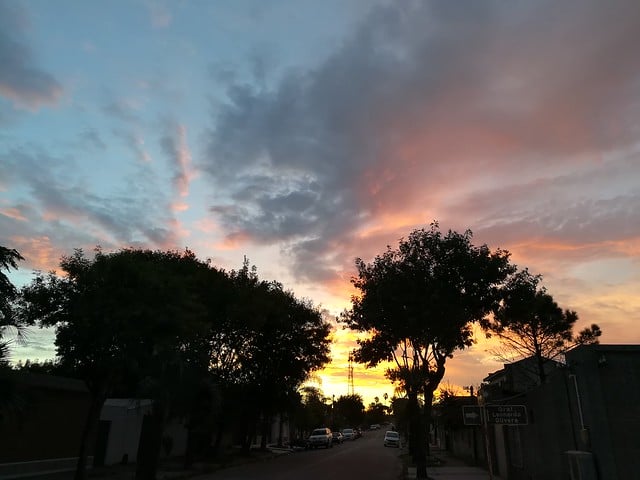
A Day of Atonement
Judaism is not the primary religious background which has shaped me. I have not practiced a day of atonement in an intentional way.
My interest in Yom Kippur is fueled more by curiosity than by obligation.
Yom Kippur, the Jewish day of atonement, is the holiest day of the year in Judaism. Its central themes are atonement and repentance.
Yom Kippur is the tenth day of the seventh month of the Jewish calendar. Rosh Hashanah is the first day of that month. Yom Kippur completes the annual period known as the High Holy Days, or the Days of Awe, which begin with Rosh Hashanah.
The ten days from Rosh Hashanah to Yom Kippur correspond to the last ten days of the 40 days Moses was on Mount Sinai receiving the second set of tablets from God.
The English translation Yom Kippur lacks precision. The literal translation is actually a day of cleansing. Yom Kippur is a Jewish day to atone for misdeeds and to be cleansed and purified.
Jews traditionally observe Yom Kippur by practicing a day-long fast, confession, and intensive prayer. Most of the day is spent in services.
Yom Kippur is observed by many secular Jews who may not observe other holidays.
We may not be from a Jewish background ourselves. We may never have read, or thought about, the Hebrew Scriptures. What does practicing Yom Kippur have to do with our everyday lives?
What can we learn from how people who believe differently put their beliefs into practice?
I have no experience practicing Yom Kippur out of obligation or religious teaching. My understanding grows from my own curiosity more than any practical information. It is more intriguing for me to explore what I can find and discover what it means for myself.
Why Would We Practice Atonement?
It is a challenge for many of us to practice atonement, or even understand what it means.
My dictionary describes atonement as being about expiation, or reparation for a wrong or an injury. A second definition refers to the reconciliation of God and human beings. Those definitions do not help give me a practical appreciation of everyday atonement.
We live in a society which discourages us from understanding atonement. If someone is injured or wronged by something we do, we are quick make our excuses. We are simply doing our job, we had no other choice, we did not mean to hurt anyone.
Most of us spend our days immersed in a sea of messages which tell us we are not responsible.
If we are not responsible, how can we practice atonement? Why would we?
The liturgical church to which I belong helps us understand atonement in our prayer of confession. Our confession is “we have sinned against you, opposing your will in our lives. We have denied your goodness in each other, in ourselves, and in the world you have created. We repent of the evil which enslaves us, the evil we have done, and the evil done on our behalf.” The prayer concludes by asking for God’s forgiveness.
The prayer sparks recognition and atonement in me. As I reflect on it my attention is often drawn to “the evil done on our behalf.”
We share responsibility for what is done on our behalf, even if nobody ever consulted us.
Are we responsible for the death and destruction of wars fought around the world? What about policies and technologies which have injured our entire planet?
We are responsible for how we have injured people around us, or around the world, even unintentionally.
What sparks our atonement?
How Do We Practice Atonement?
As we begin to appreciate our need to practice atonement we start to recognize new ways we can put it into practice.
We begin by being honest with ourselves, and with other people. As we reflect on the words of our confession our eyes start to open in new ways. We tell ourselves the truth about how we have lived and what we have done, even unintentionally. Our lack of attention and intention becomes one of the first things for which we need to practice atonement.
There is tremendous power in honestly saying to someone, “I am sorry.”
We may not see how we can repair what we have broken. Some of us will need help from people who have been injured or harmed. It may be our apology is all we need to do, or it may simply be the beginning.
There is healing wisdom in our own experiences of having been wounded or broken. As we remember and spend time reflecting on our own times of injury, we see new ways we can practice atonement.
What are the ways we will spend our Day of Atonement? How can we practice atonement this year?
Practicing Everyday Atonement
Practicing atonement is not about feeling guilty for what we have done, or left undone. It is not a way to make us feel we are unworthy or bad people.
We practice atonement as a way of acknowledging who we are and being honest with ourselves and each other.
Each of us does things or fails to do things which cause injuries or loss or pain to other people. Our practice of atonement is what moves us to apologizing and explaining.
We are not taking on the burden for all the wrongs of the world. Atonement means we do what we can to repair what has been broken. We take personal responsibility for what we have done, or what has been done on our behalf.
Practicing everyday atonement means we accept who we are and what we have done. We honestly say we are sorry, we wish we could go back to do something differently.
When we cause injury or harm, we tell the truth and do what we can to repair what has been broken.
How will we practice atonement today?
What practical effects could our atonement this week have for the future?
[Image by Gustavo D. Gopar Echeverría]
Greg Richardson is a spiritual director in Southern California. He is a recovering assistant district attorney and associate university professor, and is a lay Oblate with New Camaldoli Hermitage near Big Sur, California. Greg’s website is StrategicMonk.com and his email address is [email protected].
Previous Post

September 9, 2021
Spiritual Direction: Remembered Days of Fear and Hope
Next Post
September 23, 2021 Listening to Sacred Stillness: Stillness on the First Morning of Autumn
Browse Our Archives
Select a Category Blog Book Reviews Everything Else Guest Posts Leadership Monastic Strategies Neighborhood Pilgrimages Sacred Stillness Spiritual Direction Spiritual Practices Work
Select a Month May 2024 April 2024 March 2024 February 2024 January 2024 December 2023 November 2023 October 2023 September 2023 August 2023 July 2023 June 2023 May 2023 April 2023 March 2023 February 2023 January 2023 December 2022 November 2022 October 2022 September 2022 August 2022 July 2022 June 2022 May 2022 April 2022 March 2022 February 2022 January 2022 December 2021 November 2021 October 2021 September 2021 August 2021 July 2021 June 2021 May 2021 April 2021 March 2021 February 2021 January 2021 December 2020 November 2020 October 2020 April 2020 March 2020 February 2020 January 2020 December 2019 November 2019 October 2019 September 2019 August 2019 July 2019 June 2019 May 2019 April 2019 March 2019 February 2019 January 2019 December 2018 November 2018 October 2018 September 2018 August 2018 July 2018 June 2018 May 2018 April 2018 March 2018 February 2018 January 2018 December 2017 November 2017 October 2017 September 2017 August 2017 July 2017 June 2017 May 2017 April 2017 March 2017 February 2017 January 2017 December 2016 November 2016 October 2016 September 2016 August 2016 July 2016 June 2016 May 2016 April 2016 March 2016 February 2016 January 2016 December 2015 November 2015 October 2015 September 2015 August 2015 July 2015 June 2015 May 2015 April 2015 March 2015 February 2015 January 2015 December 2014 November 2014 October 2014 September 2014 August 2014 July 2014 June 2014 May 2014 April 2014 March 2014 February 2014 January 2014 December 2013 November 2013 October 2013 September 2013 August 2013 July 2013 June 2013 May 2013 April 2013 March 2013 February 2013 January 2013 December 2012 November 2012 October 2012 September 2012 August 2012 July 2012 June 2012 May 2012 April 2012 March 2012 February 2012 January 2012 December 2011 November 2011 October 2011 September 2011 August 2011 July 2011 June 2011 May 2011 April 2011 March 2011 February 2011 January 2011 December 2010
Follow Us!
TAKE THE
Religious Wisdom Quiz
What city is known as the birthplace of Jesus?
Select your answer to see how you score.
Nazareth Bethlehem Galilee Jerusalem
Related posts from Strategic Monk

How Are We Called to Live?: More About...

A Spiritual Practice of Reading: Join Us Online

Taking a Deep Breath, and Another: Finding Time...

Listening to Our Own Rhythms: When Will We...
TRENDING AT PATHEOS Contemplative

Handy Contemplative Practices for Political Spaces
A Spiritually Grounded Presence In order to bring a spiritually grounded presence...

Halloween: The Holiday of Loving Your Neighbor
All Hallows Eve Is Halloween the least Christian holiday in America, or...

Can Love Be Saved? Some Thoughts on the...
Happy Valentine's Day! I recently published a post on Patreon called Can...

"This Loving, Uniting Embrace": the Holy Ordinary
Today's guest post is by Mark Longhurst, author of The Holy Ordinary:...

How Are We Called to Live?: More About...
How Are We Called to Live? Many of us struggle with discerning...

A Spiritual Practice of Reading: Join Us Online
A Spiritual Practice of Reading A healthy spiritual practice of reading is...
view all Contemplative blogs
Ad-Free & Subscriber Log-In Subscription Support
- About Us
- 2026 Calendar
- Videos
- Podcasts
- Library of World Religions
- Faith In Media Tracker
- Advertise With Us
- Write for Us
- Privacy Policy
- Terms of Service
- Do Not Sell My Data
- Contact Us
- Radiant Digital
- Manage Newsletter Subscriptions
- Unsubscribe From Notifications
- Sitemap
Copyright 2008-2026, Patheos. All rights reserved.
Subscription Support Ad-Free & Subscriber Log-In
Follow Patheos