
BuddhistCatholicContemplativeEvangelicalGeneral ChristianHinduJewishLatter-day SaintMuslimNew VisionsProgressive Christian
Beliefs
- Buddhist
- Catholic
- Contemplative
- Evangelical
- General Christian
- Hindu
- Jewish
- Latter-day Saint
- More Voices
- Muslim
- New Visions
- Pagan
- Progressive Christian
Topics
- Religion News
- Food and Religion
- Sports and Religion
- Religious Art
- Religious Music and Entertainment
- Religious Events
- History and Religion
- Style and Religion
- Politics and Religion
- Women in Religion
- Recreation Outdoors and Religion
- Business Finance and Religion
- Careers Workplace and Religion
- Education and Religion
- Family Parenting and Religion
- Health Fitness and Religion
- Home and Religion
- Relationships and Religion
- Technology and Religion
- Travel and Religion
Columnists
- Buddhist Columnists
- Business Finance and Religion Columnists
- Careers Workplace and Religion Columnists
- Catholic Columnists
- Contemplative Columnists
- Education and Religion Columnists
- Evangelists Columnists
- Family Parenting and Religion Columnists
- General Christian Columnists
- Health Fitness and Religion Columnists
- Hindu Columnists
- History and Religion Columnists
- Home and Religion Columnists
- Jewish Columnists
- More Voices Columnists
- Latter Day Columnists
- Muslim Columnists
- New Visions Columnists
- Nonreligious Columnists
- Pagan Columnists
- Politics and Religion Columnists
- Progressive Columnists
- Recreation Outdoors and Religion Columnists
- Relationships and Religion Columnists
- Religion News Columnists
- Religious Art Columnists
- Religious Events Columnists
- Religious Music and Entertainment Columnists
- Sports and Religion Columnists
- Style and Religion Columnists
- Technology and Religion Columnists
- Travel and Religion Columnists
- Women in Religion Columnists
Resource Library
- 2026 Calendar
- Library of World Religions
- The 100 Most Holy Places on Earth
- Patheos Answers
- Podcasts
- Videos
- Faith Leaders Database
- Anglican Episcopalian
- Bahai
- Baptist
- Buddhism
- Christianity
- Confucianism
- Eastern Orthodoxy
- Hinduism
- Holiness and Pentecostal
- ISKCON
- Islam
- Judaism
- Lutheran
- Methodist
- The Church of Jesus Christ of Latter-day Saints
- New Age
- Paganism
- Presbytarian and Reformed
- Protestantism
- Religion Behind the Scenes
- Roman Catholic
- Scientology
- Shia Islam
- Sikhism
- Sufism
- Sunni Islam
- Taoism
- Zen
- See all religions
Research Tools
 Ad-Free & Subscriber Log-In Subscription Support
Ad-Free & Subscriber Log-In Subscription Support
Follow Patheos 

- Trending:
- Forgiveness
- |
- Marriage
- |
- Consciousness
- |
- Death Penalty
- |
- Election
- |
- Halloween
 Strategic Monk
-
About
-
Services
- Home
- Contemplative
- Listening to Sacred Stillness: The Stillness of Our Own Breathing
Listening to Sacred Stillness: The Stillness of Our Own Breathing
Last updated on: December 6, 2019 at 6:56 pm by Greg Richardson
Listening to Sacred Stillness: The Stillness of Our Own Breathing 2019-12-06T18:56:04-08:00 Greg Richardson
Patheos Explore the world's faith through different perspectives on religion and spirituality! Patheos has the views of the prevalent religions and spiritualities of the world.
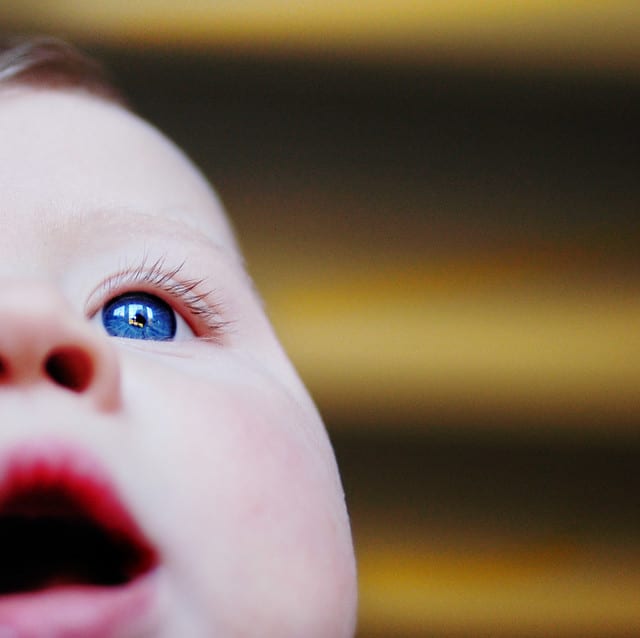
The Stillness of Our Own Breathing
Sally Rooney, in a novel called Conversations With Friends, wrote
“I didn’t exactly start praying that weekend after the book launch, but I did look up online how to meditate. It mainly involved closing my eyes and breathing, while also calmly letting go of passing thoughts. I focused on my breathing, you were allowed to do that. You could even count the breaths. And them at the end you could just think about anything, anything you wanted, but after five minutes of counting my breath, I didn’t want to think. My mind felt empty, like the inside of a glass jar. I was appropriating my fear of total disappearance as a spiritual practice. I was inhabiting disappearance as something that could reveal and inform, rather than totalize and annihilate. A lot of the time my meditation was unsuccessful.”
We listen, in a contemplative practice, to the sacred stillness of our own breathing.
Sitting still with our eyes closed, we practice letting go of passing thoughts. We are not trying to remember or organize our feelings or thoughts. When we release the words and thoughts and feelings within us and around us, only our breathing remains.
Our practice of contemplation is about getting beyond all the distractions and demands on us. We sit quietly in the dark, closing our eyes to all the shiny objects which try to attract our attention.
The one thing to which we listen, to which we have listened since we were born, is our own breathing.
We are not struggling or fighting to take our next breath. Our breathing is calm and steady.
Each breath follow the one before it. In the stillness, in the dark, we allow spiritual life to live and work within us and in the world around us.
Breathing as a Spiritual Practice
For me, the first and most essential spiritual practice is breathing.
Breathing is what we do when we are not doing anything else, whether we are sleep or we are concentrating. Our breath is the practice which makes all our other practices possible.
Sacred writings describe how the breath of life awakens and inspires us. People tell us how deep insights take their breath away. Some people believe a scriptural notation for God’s name comes from the sound of our breathing.
Inhaling and exhaling is the rhythm and pattern of our lives.
Breathing is a powerful metaphor for spiritual life. We breathe in fresh air to fill our lungs, and pause to receive. The oxygen we need for our hearts, minds, and bodies to continue working flows into us. Our sense of smell connects the world around us to the world within us.
We breathe out, providing nutrients to the plants around us. We release tensions and toxins, letting go of what is not healthy for us to hold within ourselves.
Our breaths reflect the steps we take inward and back out into the world on our spiritual journeys each day.
Many monks pray breath prayers, without words. They practice breathing evenly and deeply, filling their lungs. Praying, working, reflection, and chanting help monks learn to breathe well.
When I visit the hermitage where I am a lay oblate monks communicate by breathing. In stillness, without saying a word, we breathe together. Even when I am far away, the pattern of our breathing reminds us we share a community. We pause, take a deep breath, and remember.
All the contemplative practices we try to follow and develop begin with us taking a breath.
In each practice we listen to the sacred stillness of our own breathing.
Breathing is How We Begin Again
Monks inspire me to remember, in the words of Benedict’s Rule, “Always, we begin again.”
Each breath is a new beginning. We breathe in and fill our lungs with opportunities to start over. When we breathe out we expel what we do not need and give ourselves room to begin again.
As long as we continue to breathe we can begin again.
Our breathing reflects who we are and how we live. At times when we struggle, physically or intellectually, it can become labored.
Breathing is a form of nonverbal communication. The people around us, consciously or unconsciously, pay attention to how we breathe. Our breathing can be a calming influence in a group of people or spark an increase in anxiety.
Sometimes we need to pause, take a deep breath in, and let it out. We may need a few deep breaths. It could be because we are tired or frustrated, or we have not had a moment to spare. Caught between the past and the future we need to breathe deeply.
Catching our breath helps us remember to live in the present moment. Inhaling and exhaling helps us clear away obstacles and distractions to pay attention.
Listening to the Stillness of Our Own Breathing
No matter where or when we listen to sacred stillness, we let go of the noises which pull at our awareness. The alarms and the voices, the music and the pleas for help, the crying and the laughing.
I sit with my eyes closed, listening to the stillness of my own breath.
Each time I listen to sacred stillness I practice releasing my grip, relaxing my need to control. The stillness of my own breathing washes over me, helping me rest into the present moment. My own need to revise the past or determine the future melts away.
Sacred stillness within me and all around me holds me in its embrace. I realize, over time, there is nothing to fear.
The stillness of each breath comforts me as it reveals its depth and power.
We breath in and breath out, listening to the stillness we have heard since we were born.
All we need to do is continue breathing.
When will we take time to listen to the sacred stillness of our own breathing today?
How will we recognize the stillness of our own breathing this week?
[Image by maessive]
Greg Richardson is a spiritual life mentor and coach in Southern California. He is a recovering attorney and a lay Oblate with New Camaldoli Hermitage near Big Sur, California. Greg’s website is StrategicMonk.com and his email address is [email protected].
Previous Post

November 30, 2019
Practices From the Inside Out: Backing Our Way Toward Advent
Next Post

December 5, 2019 Monastic Strategies: Living as Lights Shining in the Darkness
Browse Our Archives
Select a Category Blog Book Reviews Everything Else Guest Posts Leadership Monastic Strategies Neighborhood Pilgrimages Sacred Stillness Spiritual Direction Spiritual Practices Work
Select a Month May 2024 April 2024 March 2024 February 2024 January 2024 December 2023 November 2023 October 2023 September 2023 August 2023 July 2023 June 2023 May 2023 April 2023 March 2023 February 2023 January 2023 December 2022 November 2022 October 2022 September 2022 August 2022 July 2022 June 2022 May 2022 April 2022 March 2022 February 2022 January 2022 December 2021 November 2021 October 2021 September 2021 August 2021 July 2021 June 2021 May 2021 April 2021 March 2021 February 2021 January 2021 December 2020 November 2020 October 2020 April 2020 March 2020 February 2020 January 2020 December 2019 November 2019 October 2019 September 2019 August 2019 July 2019 June 2019 May 2019 April 2019 March 2019 February 2019 January 2019 December 2018 November 2018 October 2018 September 2018 August 2018 July 2018 June 2018 May 2018 April 2018 March 2018 February 2018 January 2018 December 2017 November 2017 October 2017 September 2017 August 2017 July 2017 June 2017 May 2017 April 2017 March 2017 February 2017 January 2017 December 2016 November 2016 October 2016 September 2016 August 2016 July 2016 June 2016 May 2016 April 2016 March 2016 February 2016 January 2016 December 2015 November 2015 October 2015 September 2015 August 2015 July 2015 June 2015 May 2015 April 2015 March 2015 February 2015 January 2015 December 2014 November 2014 October 2014 September 2014 August 2014 July 2014 June 2014 May 2014 April 2014 March 2014 February 2014 January 2014 December 2013 November 2013 October 2013 September 2013 August 2013 July 2013 June 2013 May 2013 April 2013 March 2013 February 2013 January 2013 December 2012 November 2012 October 2012 September 2012 August 2012 July 2012 June 2012 May 2012 April 2012 March 2012 February 2012 January 2012 December 2011 November 2011 October 2011 September 2011 August 2011 July 2011 June 2011 May 2011 April 2011 March 2011 February 2011 January 2011 December 2010
Follow Us!
TAKE THE
Religious Wisdom Quiz
Who was the prophet that confronted King David about his sin with Bathsheba?
Select your answer to see how you score.
Samuel Elijah Elisha Nathan
Related posts from Strategic Monk

How Are We Called to Live?: More About...

A Spiritual Practice of Reading: Join Us Online

Taking a Deep Breath, and Another: Finding Time...

Listening to Our Own Rhythms: When Will We...
TRENDING AT PATHEOS Contemplative

Handy Contemplative Practices for Political Spaces
A Spiritually Grounded Presence In order to bring a spiritually grounded presence...

Halloween: The Holiday of Loving Your Neighbor
All Hallows Eve Is Halloween the least Christian holiday in America, or...

Can Love Be Saved? Some Thoughts on the...
Happy Valentine's Day! I recently published a post on Patreon called Can...

"This Loving, Uniting Embrace": the Holy Ordinary
Today's guest post is by Mark Longhurst, author of The Holy Ordinary:...

How Are We Called to Live?: More About...
How Are We Called to Live? Many of us struggle with discerning...

A Spiritual Practice of Reading: Join Us Online
A Spiritual Practice of Reading A healthy spiritual practice of reading is...
view all Contemplative blogs
Ad-Free & Subscriber Log-In Subscription Support
- About Us
- 2026 Calendar
- Videos
- Podcasts
- Library of World Religions
- Faith In Media Tracker
- Advertise With Us
- Write for Us
- Privacy Policy
- Terms of Service
- Do Not Sell My Data
- Contact Us
- Radiant Digital
- Manage Newsletter Subscriptions
- Unsubscribe From Notifications
- Sitemap
Copyright 2008-2026, Patheos. All rights reserved.
Subscription Support Ad-Free & Subscriber Log-In
Follow Patheos