
BuddhistCatholicContemplativeEvangelicalGeneral ChristianHinduJewishLatter-day SaintMuslimNew VisionsProgressive Christian
Beliefs
- Buddhist
- Catholic
- Contemplative
- Evangelical
- General Christian
- Hindu
- Jewish
- Latter-day Saint
- More Voices
- Muslim
- New Visions
- Pagan
- Progressive Christian
Topics
- Religion News
- Food and Religion
- Sports and Religion
- Religious Art
- Religious Music and Entertainment
- Religious Events
- History and Religion
- Style and Religion
- Politics and Religion
- Women in Religion
- Recreation Outdoors and Religion
- Business Finance and Religion
- Careers Workplace and Religion
- Education and Religion
- Family Parenting and Religion
- Health Fitness and Religion
- Home and Religion
- Relationships and Religion
- Technology and Religion
- Travel and Religion
Columnists
- Buddhist Columnists
- Business Finance and Religion Columnists
- Careers Workplace and Religion Columnists
- Catholic Columnists
- Contemplative Columnists
- Education and Religion Columnists
- Evangelists Columnists
- Family Parenting and Religion Columnists
- General Christian Columnists
- Health Fitness and Religion Columnists
- Hindu Columnists
- History and Religion Columnists
- Home and Religion Columnists
- Jewish Columnists
- More Voices Columnists
- Latter Day Columnists
- Muslim Columnists
- New Visions Columnists
- Nonreligious Columnists
- Pagan Columnists
- Politics and Religion Columnists
- Progressive Columnists
- Recreation Outdoors and Religion Columnists
- Relationships and Religion Columnists
- Religion News Columnists
- Religious Art Columnists
- Religious Events Columnists
- Religious Music and Entertainment Columnists
- Sports and Religion Columnists
- Style and Religion Columnists
- Technology and Religion Columnists
- Travel and Religion Columnists
- Women in Religion Columnists
Resource Library
- 2026 Calendar
- Library of World Religions
- The 100 Most Holy Places on Earth
- Patheos Answers
- Podcasts
- Videos
- Faith Leaders Database
- Anglican Episcopalian
- Bahai
- Baptist
- Buddhism
- Christianity
- Confucianism
- Eastern Orthodoxy
- Hinduism
- Holiness and Pentecostal
- ISKCON
- Islam
- Judaism
- Lutheran
- Methodist
- The Church of Jesus Christ of Latter-day Saints
- New Age
- Paganism
- Presbytarian and Reformed
- Protestantism
- Religion Behind the Scenes
- Roman Catholic
- Scientology
- Shia Islam
- Sikhism
- Sufism
- Sunni Islam
- Taoism
- Zen
- See all religions
Research Tools
 Ad-Free & Subscriber Log-In Subscription Support
Ad-Free & Subscriber Log-In Subscription Support
Follow Patheos 

- Trending:
- Forgiveness
- |
- Marriage
- |
- Consciousness
- |
- Death Penalty
- |
- Election
- |
- Halloween
 Strategic Monk
-
About
-
Services
- Home
- Contemplative
- Listening to Sacred Stillness: Giving Thanks in Stillness
Listening to Sacred Stillness: Giving Thanks in Stillness
Last updated on: November 20, 2018 at 4:55 am by Greg Richardson
Listening to Sacred Stillness: Giving Thanks in Stillness 2018-11-20T04:55:15-08:00 Greg Richardson
Patheos Explore the world's faith through different perspectives on religion and spirituality! Patheos has the views of the prevalent religions and spiritualities of the world.
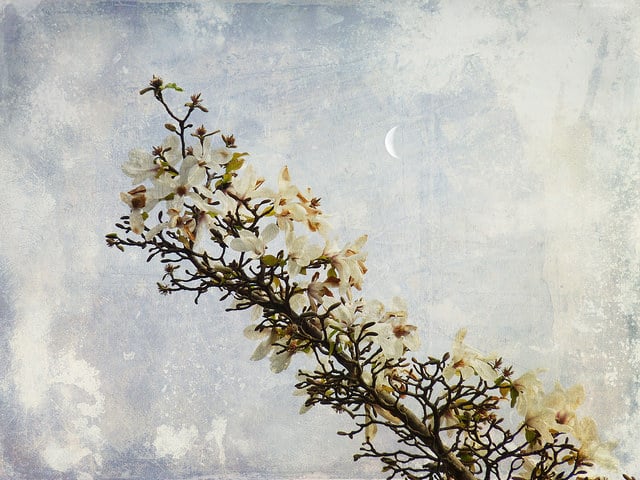
Giving Thanks in Stillness
Each of us finds our own unique ways to communicate our own personal gratitude. No matter how we express it, we begin giving thanks in stillness.
Some of us put our gratitude into words, even when we just say thank you. Other people find ways to communicate their gratefulness in images or music or the way they move their bodies. We may express our gratitude with a glance or a laugh or a smile. Sometimes we thank people by giving them a public honor or in a private moment.
I know people who even try to express their thanks by arguing or venting their feelings with someone.
Some of us express our gratitude by listening to what someone else has to say.
People do all kinds of things to give thanks. Some people write thank you notes or letters or emails. Others dedicate their careers to expressing their gratitude to someone else.
There are people who believe they are thanking someone else by sacrificing what they most desire. Sometimes we even believe we need to give up the person we have the potential to become as a way of giving thanks.
We even enjoy celebrating different aspects of Thanksgiving Day. For some of us it is all about the parade while others give the football games top priority. I know people who focus all their attention and care on Thanksgiving dinner. Some people want to go around the table and have each person express their gratitude. Other people seem to ignore all of those things to get started shopping as early as they can.
All of our different efforts to express our gratitude begin the same way. No matter how we express ourselves we start giving thanks in stillness.
Maybe listening to sacred stillness is an essential aspect of giving thanks.
We Begin Giving Thanks in Stillness
Many of us live our everyday lives without giving thanks. It is as if we save our deeper reflection for particular times.
We may not be sure why but we are not comfortable pausing in our schedules to reflect and give thanks. It seems better to let some things go unsaid. Some of us are afraid we will get bogged down in all that reflection, all those feelings. Many of us are more than a little intimidated by stillness.
Stillness is a place we do not spend much time. It may be unfamiliar, unexplored territory for us. We believe it is there, like a country we have never visited, but we do not really know what it is like.
Important things seem to happen, or at least begin, in stillness. To be honest, many of us are not particularly thankful for stillness in our lives.
A contemplative understanding inspires us to listen to sacred stillness. As we become more open to stillness we realize it is us, our true selves, waiting for us in the stillness.
We become familiar with stillness and all the gifts it is eager to give us. Listening to sacred stillness allows us to relax the grip of everything which distracts us. For a few minutes each day we listen to stillness instead of the clamor of competing voices we usually hear. As we experience its immense generosity we begin giving thanks in stillness.
Our practice of listening to sacred stillness becomes a place of rest for us. We do not need to analyze our way to a solution, but can allow spiritual life to sort things for us in stillness. Our practice becomes a source of our deep gratitude and we are drawn into its embrace.
Giving Thanks in Stillness Grows in Us
We find listening to sacred stillness can nourish us in ways we had not experienced before.
Sitting still, breathing deeply, we get out of our own way. Many of us find ourselves giving thanks in stillness as it wraps around us like a blanket. Contemplation carries us beyond thoughts, words, and feelings into spiritual life.
Our way of giving thanks in stillness is expressed with stillness.
When we want to clear a path through everything which distracts us we practice listening to sacred stillness. Our experience of stillness sparks new gratitude within us.
All the trappings and traditions of giving thanks and all our many expressions of gratitude are fine. We begin giving thanks in stillness.
There is a place of calm acceptance in stillness which shapes our gratitude. Some of us find greater depth or satisfaction in the stillness. We find words, as powerful as they are, eventually run out.
Stillness refreshes us as we recognize words often become unnecessary. We find ourselves giving thanks in stillness without needing to resort to words or actions.
The waves of gratitude in stillness carry us forward into new ways of seeing.
Giving Thanks in Stillness Beyond Ourselves
Our practice of listening to sacred stillness teaches us to appreciate life beyond our control.
As we begin to glimpse what we cannot understand we begin giving thanks in stillness. We do not need to organize and catalog what we find in stillness. It does not require us to put it into words or paint its picture. What we learn in stillness does not demand we throw it a parade or prepare a generous meal.
We respond simply by giving thanks in stillness.
Our giving thanks in stillness is more basic, more essential than how we express our gratitude. We begin giving thanks in stillness and then translate our gratitude into other languages.
The purest form of our gratitude is giving thanks in stillness.
When we are giving thanks in stillness our expression of gratefulness is not limited by our abilities and understanding. Stillness gives us another gift by allowing us to go beyond our own limitations.
Our gratitude grows beyond our own abilities to understand or control it. We sit quietly giving thanks in stillness.
How can we be giving thanks in stillness today?
When will we begin giving thanks in stillness this week?
[Image by Nick Kenrick.]
Greg Richardson is a spiritual life mentor and coach in Southern California. He is a recovering attorney and university professor, and a lay Oblate with New Camaldoli Hermitage near Big Sur, California. Greg’s website is StrategicMonk.com, and his email address is [email protected].
Previous Post

November 17, 2018
Practices From the Inside Out: Practicing Gratitude
Next Post

November 24, 2018 Practices From the Inside Out: Are Our Holidays Happy?
Browse Our Archives
Select a Category Blog Book Reviews Everything Else Guest Posts Leadership Monastic Strategies Neighborhood Pilgrimages Sacred Stillness Spiritual Direction Spiritual Practices Work
Select a Month May 2024 April 2024 March 2024 February 2024 January 2024 December 2023 November 2023 October 2023 September 2023 August 2023 July 2023 June 2023 May 2023 April 2023 March 2023 February 2023 January 2023 December 2022 November 2022 October 2022 September 2022 August 2022 July 2022 June 2022 May 2022 April 2022 March 2022 February 2022 January 2022 December 2021 November 2021 October 2021 September 2021 August 2021 July 2021 June 2021 May 2021 April 2021 March 2021 February 2021 January 2021 December 2020 November 2020 October 2020 April 2020 March 2020 February 2020 January 2020 December 2019 November 2019 October 2019 September 2019 August 2019 July 2019 June 2019 May 2019 April 2019 March 2019 February 2019 January 2019 December 2018 November 2018 October 2018 September 2018 August 2018 July 2018 June 2018 May 2018 April 2018 March 2018 February 2018 January 2018 December 2017 November 2017 October 2017 September 2017 August 2017 July 2017 June 2017 May 2017 April 2017 March 2017 February 2017 January 2017 December 2016 November 2016 October 2016 September 2016 August 2016 July 2016 June 2016 May 2016 April 2016 March 2016 February 2016 January 2016 December 2015 November 2015 October 2015 September 2015 August 2015 July 2015 June 2015 May 2015 April 2015 March 2015 February 2015 January 2015 December 2014 November 2014 October 2014 September 2014 August 2014 July 2014 June 2014 May 2014 April 2014 March 2014 February 2014 January 2014 December 2013 November 2013 October 2013 September 2013 August 2013 July 2013 June 2013 May 2013 April 2013 March 2013 February 2013 January 2013 December 2012 November 2012 October 2012 September 2012 August 2012 July 2012 June 2012 May 2012 April 2012 March 2012 February 2012 January 2012 December 2011 November 2011 October 2011 September 2011 August 2011 July 2011 June 2011 May 2011 April 2011 March 2011 February 2011 January 2011 December 2010
Follow Us!
TAKE THE
Religious Wisdom Quiz
Which Psalm is famous as the "Shepherd's Psalm"?
Select your answer to see how you score.
Psalm 51 Psalm 1 Psalm 23 Psalm 119
Related posts from Strategic Monk

How Are We Called to Live?: More About...

A Spiritual Practice of Reading: Join Us Online

Taking a Deep Breath, and Another: Finding Time...

Listening to Our Own Rhythms: When Will We...
TRENDING AT PATHEOS Contemplative

Handy Contemplative Practices for Political Spaces
A Spiritually Grounded Presence In order to bring a spiritually grounded presence...

Halloween: The Holiday of Loving Your Neighbor
All Hallows Eve Is Halloween the least Christian holiday in America, or...

Can Love Be Saved? Some Thoughts on the...
Happy Valentine's Day! I recently published a post on Patreon called Can...

"This Loving, Uniting Embrace": the Holy Ordinary
Today's guest post is by Mark Longhurst, author of The Holy Ordinary:...

How Are We Called to Live?: More About...
How Are We Called to Live? Many of us struggle with discerning...

A Spiritual Practice of Reading: Join Us Online
A Spiritual Practice of Reading A healthy spiritual practice of reading is...
view all Contemplative blogs
Ad-Free & Subscriber Log-In Subscription Support
- About Us
- 2026 Calendar
- Videos
- Podcasts
- Library of World Religions
- Faith In Media Tracker
- Advertise With Us
- Write for Us
- Privacy Policy
- Terms of Service
- Do Not Sell My Data
- Contact Us
- Radiant Digital
- Manage Newsletter Subscriptions
- Unsubscribe From Notifications
- Sitemap
Copyright 2008-2026, Patheos. All rights reserved.
Subscription Support Ad-Free & Subscriber Log-In
Follow Patheos