
BuddhistCatholicContemplativeEvangelicalGeneral ChristianHinduJewishLatter-day SaintMuslimNew VisionsProgressive Christian
Beliefs
- Buddhist
- Catholic
- Contemplative
- Evangelical
- General Christian
- Hindu
- Jewish
- Latter-day Saint
- More Voices
- Muslim
- New Visions
- Pagan
- Progressive Christian
Topics
- Religion News
- Food and Religion
- Sports and Religion
- Religious Art
- Religious Music and Entertainment
- Religious Events
- History and Religion
- Style and Religion
- Politics and Religion
- Women in Religion
- Recreation Outdoors and Religion
- Business Finance and Religion
- Careers Workplace and Religion
- Education and Religion
- Family Parenting and Religion
- Health Fitness and Religion
- Home and Religion
- Relationships and Religion
- Technology and Religion
- Travel and Religion
Columnists
- Buddhist Columnists
- Business Finance and Religion Columnists
- Careers Workplace and Religion Columnists
- Catholic Columnists
- Contemplative Columnists
- Education and Religion Columnists
- Evangelists Columnists
- Family Parenting and Religion Columnists
- General Christian Columnists
- Health Fitness and Religion Columnists
- Hindu Columnists
- History and Religion Columnists
- Home and Religion Columnists
- Jewish Columnists
- More Voices Columnists
- Latter Day Columnists
- Muslim Columnists
- New Visions Columnists
- Nonreligious Columnists
- Pagan Columnists
- Politics and Religion Columnists
- Progressive Columnists
- Recreation Outdoors and Religion Columnists
- Relationships and Religion Columnists
- Religion News Columnists
- Religious Art Columnists
- Religious Events Columnists
- Religious Music and Entertainment Columnists
- Sports and Religion Columnists
- Style and Religion Columnists
- Technology and Religion Columnists
- Travel and Religion Columnists
- Women in Religion Columnists
Resource Library
- 2026 Calendar
- Library of World Religions
- The 100 Most Holy Places on Earth
- Patheos Answers
- Podcasts
- Videos
- Faith Leaders Database
- Anglican Episcopalian
- Bahai
- Baptist
- Buddhism
- Christianity
- Confucianism
- Eastern Orthodoxy
- Hinduism
- Holiness and Pentecostal
- ISKCON
- Islam
- Judaism
- Lutheran
- Methodist
- The Church of Jesus Christ of Latter-day Saints
- New Age
- Paganism
- Presbytarian and Reformed
- Protestantism
- Religion Behind the Scenes
- Roman Catholic
- Scientology
- Shia Islam
- Sikhism
- Sufism
- Sunni Islam
- Taoism
- Zen
- See all religions
Research Tools
 Ad-Free & Subscriber Log-In Subscription Support
Ad-Free & Subscriber Log-In Subscription Support
Follow Patheos 

- Trending:
- Forgiveness
- |
- Marriage
- |
- Consciousness
- |
- Death Penalty
- |
- Election
- |
- Halloween
 Strategic Monk
-
About
-
Services
- Home
- Contemplative
- Leading Like a Monk: An Introduction to Monastic Leadership
Leading Like a Monk: An Introduction to Monastic Leadership
Last updated on: June 1, 2018 at 3:23 pm by Greg Richardson
Leading Like a Monk: An Introduction to Monastic Leadership 2018-06-01T15:23:37-08:00 Greg Richardson
Patheos Explore the world's faith through different perspectives on religion and spirituality! Patheos has the views of the prevalent religions and spiritualities of the world.
An Introduction to Monastic Leadership
Monastic leadership grows from a unique set of assumptions and expectations.
We think of leadership as being out in front, directing people’s effort, making decisions. Our understanding of leadership starts with telling people what to do and how to do it. We believe people need to learn and wait to become leaders.
Many of us believe we choose our leaders in popularity contests. Some of us see leaders as special people with enhanced abilities. Our leaders are like superheroes with their own personal superpowers. Deciding to follow a particular leader is like choosing which team we want to support.
We often treat leaders as privileged people. Leaders have power to make decisions which affect our lives and we treat them particularly well.
Our expectation is leaders will make clear, reasonable decisions and communicate them well. We believe leaders should be able to explain their decisions and we have the right to ask for explanations.
Monastic leadership works differently from the leadership with which we are familiar.
Monastic communities are not particularly hierarchical. Monks do not have many levels of leadership.
Joining a monastic community takes time and discernment. People choose the group of monks and the specific community they are joining with care. The communities also choose carefully.
Each member of a monastic community understands they are leaders. Monastic leadership is less about being in front directing people and more about respect and listening.
Decisions take time in monastic leadership. Each member of the monastic community has the opportunity to be heard. Monks take the time they need to reflect and discern.
Monastic leadership is part of seeing decisions as part of a bigger picture, a larger context.
Monastic Leadership Begins With Stillness
The beginning of monastic leadership is stillness.
As we learn to listen to sacred stillness we become aware of the leadership within us. Monastic leadership is not about understanding leadership theory. Monks find leadership examples to follow in the community around them.
Monks do not separate leadership from the other qualities they possess. Leadership is deeply connected to spiritual life and the health of the community. Monastic leadership is integrated into the whole of monastic life.
Encouraging and strengthening contemplation is essential to monastic life. Each day’s schedule sets aside time for individual and community reflection.
Monastic leadership begins with and grows from reflection and contemplation.
Leaders outside monastic communities can learn a lot from monastic leadership. The skills and attitudes we associate with leadership are part of an integrated whole. Our leadership reflects who we are and we need to know ourselves well to be effective leaders.
Learning about leadership from monks has shaped and strengthened my understanding and practice of leadership. Rather than trying to squeeze into someone else’s idea of a leader I appreciate myself. I am not a perfect leadership example and living into my imperfections helps me be myself.
How can we become stronger leaders by fitting ourselves into how someone else sees leadership?
I have woken to becoming a leader who reflects the person I truly am.
There is an essential stillness within me. That stillness sparks and feeds my leadership.
Monastic Leadership Grows Stronger Through Listening
For a long time my view of leadership did not have much room for listening.
I believed leadership was about having answers to give people when they asked questions. Finding the right answers was central to how I saw leaders working. Leaders, as far as I could see, were people who had found the answers.
Having the answers appealed to me. I felt better when I either had the answers or could figure them out.
Listening was not something I was particularly good at doing. I though listening was waiting for someone else to finish talking, thinking of what I was going to say.
Monks showed me the leadership of listening. When we listen we give other people opportunities to consider their own ideas. We are in such a rush to evaluate and decide.
When someone listens to us it allows us to take time to look again.
Listening is not only leadership for the people to whom we listen. When we listen to the people around us it helps us explore what leadership can be.
As we learn to listen without assessing or evaluating we discover leadership in more depth.
It is impossible to be an effective leader without listening to people well. As we listen we open ourselves to other people and they open themselves to each other.
Monastic Leadership Brings Out the Best in People
Monks do not lead by assigning people to specialize in only focusing on one thing.
Monastic leadership is not about finding and recruiting the best person for a unique job. Monastic communities come together around a balance of what needs to be done and what we are drawn to do.
There are tasks which the community needs to complete to continue. Members of the community are given opportunities to participate in those tasks over time. There is also time for people in the community to develop the skills and abilities which give them joy.
Community life is not a competition to become the best at whatever we are doing. Monks are not even competing with themselves to be more productive than they were last year.
Monastic leadership works to meet a community’s needs with what gives each member joy. Bringing out and integrating the best in each individual member strengthens the community.
Our own leadership grows from the stillness we find within ourselves. Listening to sacred stillness and to other people allows us to lead attentively. Our leadership gives us opportunities to bring out the best in the people around us.
Monks have lessons to teach us which can change the way we lead in our communities. Leading like a monk helps us explore leadership from a different direction.
Where can monastic leadership shape the ways we lead today?
How does your leadership grow from the deep stillness within you?
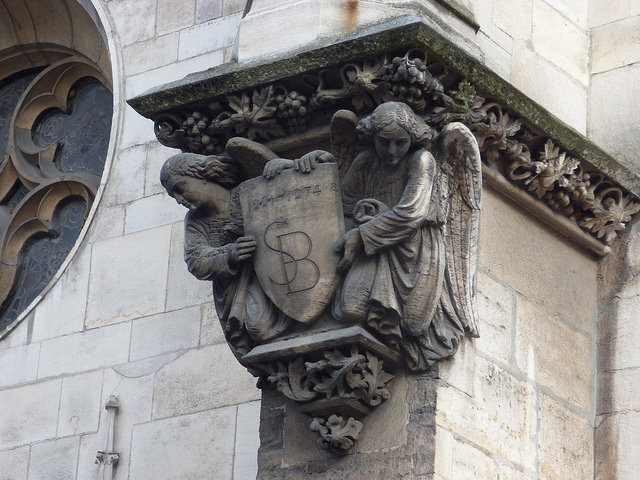
[Image by ell brown]
Greg Richardson is a spiritual life mentor and leadership coach in Southern California. He is a recovering attorney and university professor, and a lay Oblate with New Camaldoli Hermitage near Big Sur, California. Greg’s website is StrategicMonk.com, and his email address is [email protected].
Previous Post

May 29, 2018
Listening to Sacred Stillness: When God Smiles Back at Us
Next Post

June 2, 2018 Practices From the Inside Out: The Power of Anticipation
Browse Our Archives
Select a Category Blog Book Reviews Everything Else Guest Posts Leadership Monastic Strategies Neighborhood Pilgrimages Sacred Stillness Spiritual Direction Spiritual Practices Work
Select a Month May 2024 April 2024 March 2024 February 2024 January 2024 December 2023 November 2023 October 2023 September 2023 August 2023 July 2023 June 2023 May 2023 April 2023 March 2023 February 2023 January 2023 December 2022 November 2022 October 2022 September 2022 August 2022 July 2022 June 2022 May 2022 April 2022 March 2022 February 2022 January 2022 December 2021 November 2021 October 2021 September 2021 August 2021 July 2021 June 2021 May 2021 April 2021 March 2021 February 2021 January 2021 December 2020 November 2020 October 2020 April 2020 March 2020 February 2020 January 2020 December 2019 November 2019 October 2019 September 2019 August 2019 July 2019 June 2019 May 2019 April 2019 March 2019 February 2019 January 2019 December 2018 November 2018 October 2018 September 2018 August 2018 July 2018 June 2018 May 2018 April 2018 March 2018 February 2018 January 2018 December 2017 November 2017 October 2017 September 2017 August 2017 July 2017 June 2017 May 2017 April 2017 March 2017 February 2017 January 2017 December 2016 November 2016 October 2016 September 2016 August 2016 July 2016 June 2016 May 2016 April 2016 March 2016 February 2016 January 2016 December 2015 November 2015 October 2015 September 2015 August 2015 July 2015 June 2015 May 2015 April 2015 March 2015 February 2015 January 2015 December 2014 November 2014 October 2014 September 2014 August 2014 July 2014 June 2014 May 2014 April 2014 March 2014 February 2014 January 2014 December 2013 November 2013 October 2013 September 2013 August 2013 July 2013 June 2013 May 2013 April 2013 March 2013 February 2013 January 2013 December 2012 November 2012 October 2012 September 2012 August 2012 July 2012 June 2012 May 2012 April 2012 March 2012 February 2012 January 2012 December 2011 November 2011 October 2011 September 2011 August 2011 July 2011 June 2011 May 2011 April 2011 March 2011 February 2011 January 2011 December 2010
Follow Us!
TAKE THE
Religious Wisdom Quiz
What did Jesus do for His disciples at the Last Supper?
Select your answer to see how you score.
Fed them fish Sent them away Gave them money Washed their feet
Related posts from Strategic Monk

How Are We Called to Live?: More About...

A Spiritual Practice of Reading: Join Us Online

Taking a Deep Breath, and Another: Finding Time...

Listening to Our Own Rhythms: When Will We...
TRENDING AT PATHEOS Contemplative

Handy Contemplative Practices for Political Spaces
A Spiritually Grounded Presence In order to bring a spiritually grounded presence...

Halloween: The Holiday of Loving Your Neighbor
All Hallows Eve Is Halloween the least Christian holiday in America, or...

Can Love Be Saved? Some Thoughts on the...
Happy Valentine's Day! I recently published a post on Patreon called Can...

"This Loving, Uniting Embrace": the Holy Ordinary
Today's guest post is by Mark Longhurst, author of The Holy Ordinary:...

How Are We Called to Live?: More About...
How Are We Called to Live? Many of us struggle with discerning...

A Spiritual Practice of Reading: Join Us Online
A Spiritual Practice of Reading A healthy spiritual practice of reading is...
view all Contemplative blogs
Ad-Free & Subscriber Log-In Subscription Support
- About Us
- 2026 Calendar
- Videos
- Podcasts
- Library of World Religions
- Faith In Media Tracker
- Advertise With Us
- Write for Us
- Privacy Policy
- Terms of Service
- Do Not Sell My Data
- Contact Us
- Radiant Digital
- Manage Newsletter Subscriptions
- Unsubscribe From Notifications
- Sitemap
Copyright 2008-2026, Patheos. All rights reserved.
Subscription Support Ad-Free & Subscriber Log-In
Follow Patheos