
BuddhistCatholicContemplativeEvangelicalGeneral ChristianHinduJewishLatter-day SaintMuslimNew VisionsProgressive Christian
Beliefs
- Buddhist
- Catholic
- Contemplative
- Evangelical
- General Christian
- Hindu
- Jewish
- Latter-day Saint
- More Voices
- Muslim
- New Visions
- Pagan
- Progressive Christian
Topics
- Religion News
- Food and Religion
- Sports and Religion
- Religious Art
- Religious Music and Entertainment
- Religious Events
- History and Religion
- Style and Religion
- Politics and Religion
- Women in Religion
- Recreation Outdoors and Religion
- Business Finance and Religion
- Careers Workplace and Religion
- Education and Religion
- Family Parenting and Religion
- Health Fitness and Religion
- Home and Religion
- Relationships and Religion
- Technology and Religion
- Travel and Religion
Columnists
- Buddhist Columnists
- Business Finance and Religion Columnists
- Careers Workplace and Religion Columnists
- Catholic Columnists
- Contemplative Columnists
- Education and Religion Columnists
- Evangelists Columnists
- Family Parenting and Religion Columnists
- General Christian Columnists
- Health Fitness and Religion Columnists
- Hindu Columnists
- History and Religion Columnists
- Home and Religion Columnists
- Jewish Columnists
- More Voices Columnists
- Latter Day Columnists
- Muslim Columnists
- New Visions Columnists
- Nonreligious Columnists
- Pagan Columnists
- Politics and Religion Columnists
- Progressive Columnists
- Recreation Outdoors and Religion Columnists
- Relationships and Religion Columnists
- Religion News Columnists
- Religious Art Columnists
- Religious Events Columnists
- Religious Music and Entertainment Columnists
- Sports and Religion Columnists
- Style and Religion Columnists
- Technology and Religion Columnists
- Travel and Religion Columnists
- Women in Religion Columnists
Resource Library
- 2026 Calendar
- Library of World Religions
- The 100 Most Holy Places on Earth
- Patheos Answers
- Podcasts
- Videos
- Faith Leaders Database
- Anglican Episcopalian
- Bahai
- Baptist
- Buddhism
- Christianity
- Confucianism
- Eastern Orthodoxy
- Hinduism
- Holiness and Pentecostal
- ISKCON
- Islam
- Judaism
- Lutheran
- Methodist
- The Church of Jesus Christ of Latter-day Saints
- New Age
- Paganism
- Presbytarian and Reformed
- Protestantism
- Religion Behind the Scenes
- Roman Catholic
- Scientology
- Shia Islam
- Sikhism
- Sufism
- Sunni Islam
- Taoism
- Zen
- See all religions
Research Tools
 Ad-Free & Subscriber Log-In Subscription Support
Ad-Free & Subscriber Log-In Subscription Support
Follow Patheos 

- Trending:
- Forgiveness
- |
- Marriage
- |
- Consciousness
- |
- Death Penalty
- |
- Election
- |
- Halloween
 Strategic Monk
-
About
-
Services
- Home
- Contemplative
- Listening to Sacred Stillness: What Emerges From Our Inner Stillness?
Listening to Sacred Stillness: What Emerges From Our Inner Stillness?
Last updated on: April 10, 2018 at 7:24 pm by Greg Richardson
Listening to Sacred Stillness: What Emerges From Our Inner Stillness? 2018-04-10T19:24:12-08:00 Greg Richardson
Patheos Explore the world's faith through different perspectives on religion and spirituality! Patheos has the views of the prevalent religions and spiritualities of the world.
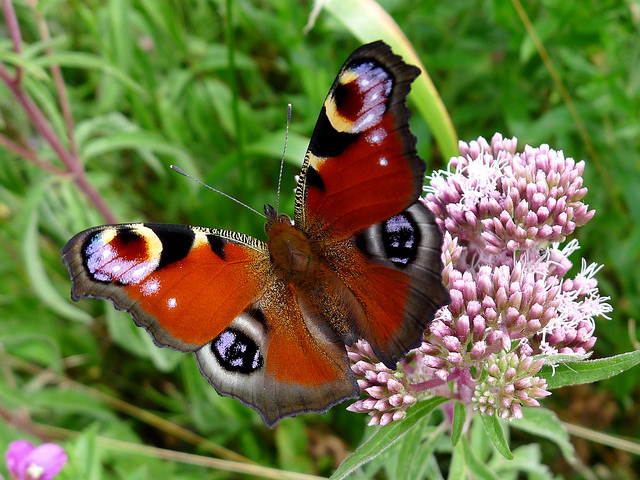
What Emerges From Our Inner Stillness?
We have grown accustomed to looking at stillness as a form of emptiness. Our assumption is stillness is a vast, open, uncluttered space with no noise.
It is easy for us to just write off stillness as a waste of time and effort. Why would we expect to hear anything when we listen to stillness? We experience stillness as a quiet, empty expanse.
What makes stillness sacred, anyway?
Some of us approach stillness as a goal. We work hard to make ourselves as still as we can be. Somehow we feel, if we could only be still enough, we would be able to “do” stillness.
We may practice listening to sacred stillness, trying to extend the amount of stillness we can survive.
Growing up, time in church was an example of that kind of stillness. It was almost as if the idea was to be as uncomfortable as long as we could. Being still was something for us to endure. We were expected to sit as still as we could for as long as we could.
While listening to sacred stillness can still be challenging now, it is not an exercise in discomfort. We are not listening to sacred stillness because it is what we have to do. There is not a requirement to listen to stillness, nor rules we are expected to follow.
In fact, one of the guidelines I follow for listening to sacred stillness is to get as comfortable as we can.
Sacred stillness is not an endurance test to see how still we can be for how long. We are listening, opening ourselves to what sacred stillness has to offer us.
Listening to sacred stillness is watching to see what emerges from our inner stillness.
Recognizing What Emerges From Our Inner Stillness
Our first step into watching what emerges from our inner stillness is taking time to pay attention.
Sacred stillness is not something we need to earn or achieve. When we take time to listen we recognize sacred stillness is all around us. We notice all the ways we distract ourselves and all the entertainments we absorb. Stopping long enough to take a deep breath is giving ourselves an opportunity to remember the stillness.
We begin to practice listening to sacred stillness to learn what we might hear. As we set aside distractions and diversions we begin our listening. We listen, straining to recognize what emerges from our inner stillness.
The sacred stillness within us is like a plant or a field covered in cocoons created by caterpillars. We listen to sacred stillness, waiting to see what emerges from our inner stillness.
The sacred stillness within us is the same as the sacred stillness in the world around us.
We sit, listening, as butterflies emerge from the cocoons surrounding us. The stillness is beautiful and can be exciting, and is beyond our ability to control. We cannot help the butterflies emerge. There is nothing we can do to speed things up or slow things down.
What emerges from our inner stillness is not intended to distract or entertain us.
As we listen, the skies around us fill with the color and grace of butterflies.
We put so much time and effort into listening to the world around us. This is different.
What emerges from our inner stillness is not necessarily designed to inform us. We listen to sacred stillness and the stillness in the world flows into the stillness within us.
The more we practice listening the more clearly we can recognize what is emerging.
Responding to What Emerges From Our Inner Stillness
As I practice listening to sacred stillness there are many days when I do not recognize anything emerging. Listening is not like going to a vending machine. I do not receive automatic reinforcement each time I listen.
Receiving what emerges from our inner stillness is not what motivates us to listen.
Whether insights or questions emerge for me is not the essential part of my listening.
My practice of listening to sacred stillness grows as I listen, regardless of what emerges for me. The value of listening does not depend on what I hear.
In fact, things rarely emerge from my inner stillness while I am practicing listening. It is later, during the rest of my day, when I things come into view.
What emerges from our inner stillness changes our lives, but not in the ways we might expect. I am not usually overwhelmed by blinding insights. It is much more likely for me to remember people or experiences I have not been thinking about.
Spiritual life is doing its work within me with grace and mercy. It is beyond my control and I do not even need to be directly aware of what is happening to me. My practice of listening is freeing me from needing to be responsible for every aspect of my own reflection.
Listening to What Emerges From Our Inner Stillness
As we practice listening to sacred stillness insights and questions will emerge for us. For me, my practice is not about cataloging those insights or answering the questions. I practice listening by listening.
What emerges from our inner stillness may be helpful in guiding us, or it may not. Some of what emerges teaches me how to live into spiritual life. It may reassure me or inspire me to continue.
Listening to sacred stillness is not about meeting our expectations or our curiosity. We are not checking it off our list of practices we would like to try.
We listen to the deep, sacred rhythms in the stillness within us and around us. Sacred stillness is with us and is not empty space.
Our practice of listening is about being open to what sacred stillness has for us. What emerges shapes us and draws us.
How are we listening to what emerges from our own inner stillness today?
Where will what emerges from our inner stillness lead us this week?
[Image by gailhampshire]
Greg Richardson is a spiritual life mentor and leadership coach in Southern California. He is a recovering attorney and university professor, and a lay Oblate with New Camaldoli Hermitage near Big Sur, California. Greg’s website is StrategicMonk.com, and his email address is [email protected].
Previous Post
April 7, 2018
Practices From the Inside Out: How We Practice Community
Next Post

April 12, 2018 Reading Like a Monk: Lectio Divina and Sacred Pilgrim
Browse Our Archives
Select a Category Blog Book Reviews Everything Else Guest Posts Leadership Monastic Strategies Neighborhood Pilgrimages Sacred Stillness Spiritual Direction Spiritual Practices Work
Select a Month May 2024 April 2024 March 2024 February 2024 January 2024 December 2023 November 2023 October 2023 September 2023 August 2023 July 2023 June 2023 May 2023 April 2023 March 2023 February 2023 January 2023 December 2022 November 2022 October 2022 September 2022 August 2022 July 2022 June 2022 May 2022 April 2022 March 2022 February 2022 January 2022 December 2021 November 2021 October 2021 September 2021 August 2021 July 2021 June 2021 May 2021 April 2021 March 2021 February 2021 January 2021 December 2020 November 2020 October 2020 April 2020 March 2020 February 2020 January 2020 December 2019 November 2019 October 2019 September 2019 August 2019 July 2019 June 2019 May 2019 April 2019 March 2019 February 2019 January 2019 December 2018 November 2018 October 2018 September 2018 August 2018 July 2018 June 2018 May 2018 April 2018 March 2018 February 2018 January 2018 December 2017 November 2017 October 2017 September 2017 August 2017 July 2017 June 2017 May 2017 April 2017 March 2017 February 2017 January 2017 December 2016 November 2016 October 2016 September 2016 August 2016 July 2016 June 2016 May 2016 April 2016 March 2016 February 2016 January 2016 December 2015 November 2015 October 2015 September 2015 August 2015 July 2015 June 2015 May 2015 April 2015 March 2015 February 2015 January 2015 December 2014 November 2014 October 2014 September 2014 August 2014 July 2014 June 2014 May 2014 April 2014 March 2014 February 2014 January 2014 December 2013 November 2013 October 2013 September 2013 August 2013 July 2013 June 2013 May 2013 April 2013 March 2013 February 2013 January 2013 December 2012 November 2012 October 2012 September 2012 August 2012 July 2012 June 2012 May 2012 April 2012 March 2012 February 2012 January 2012 December 2011 November 2011 October 2011 September 2011 August 2011 July 2011 June 2011 May 2011 April 2011 March 2011 February 2011 January 2011 December 2010
Follow Us!
TAKE THE
Religious Wisdom Quiz
What material was used to make Moses' basket waterproof?
Select your answer to see how you score.
Linen and clay Tar and pitch Camel hide Palm leaves
Related posts from Strategic Monk

How Are We Called to Live?: More About...

A Spiritual Practice of Reading: Join Us Online

Taking a Deep Breath, and Another: Finding Time...

Listening to Our Own Rhythms: When Will We...
TRENDING AT PATHEOS Contemplative

Handy Contemplative Practices for Political Spaces
A Spiritually Grounded Presence In order to bring a spiritually grounded presence...

Halloween: The Holiday of Loving Your Neighbor
All Hallows Eve Is Halloween the least Christian holiday in America, or...

Can Love Be Saved? Some Thoughts on the...
Happy Valentine's Day! I recently published a post on Patreon called Can...

"This Loving, Uniting Embrace": the Holy Ordinary
Today's guest post is by Mark Longhurst, author of The Holy Ordinary:...

How Are We Called to Live?: More About...
How Are We Called to Live? Many of us struggle with discerning...

A Spiritual Practice of Reading: Join Us Online
A Spiritual Practice of Reading A healthy spiritual practice of reading is...
view all Contemplative blogs
Ad-Free & Subscriber Log-In Subscription Support
- About Us
- 2026 Calendar
- Videos
- Podcasts
- Library of World Religions
- Faith In Media Tracker
- Advertise With Us
- Write for Us
- Privacy Policy
- Terms of Service
- Do Not Sell My Data
- Contact Us
- Radiant Digital
- Manage Newsletter Subscriptions
- Unsubscribe From Notifications
- Sitemap
Copyright 2008-2026, Patheos. All rights reserved.
Subscription Support Ad-Free & Subscriber Log-In
Follow Patheos