
BuddhistCatholicContemplativeEvangelicalGeneral ChristianHinduJewishLatter-day SaintMuslimNew VisionsProgressive Christian
Beliefs
- Buddhist
- Catholic
- Contemplative
- Evangelical
- General Christian
- Hindu
- Jewish
- Latter-day Saint
- More Voices
- Muslim
- New Visions
- Pagan
- Progressive Christian
Topics
- Religion News
- Food and Religion
- Sports and Religion
- Religious Art
- Religious Music and Entertainment
- Religious Events
- History and Religion
- Style and Religion
- Politics and Religion
- Women in Religion
- Recreation Outdoors and Religion
- Business Finance and Religion
- Careers Workplace and Religion
- Education and Religion
- Family Parenting and Religion
- Health Fitness and Religion
- Home and Religion
- Relationships and Religion
- Technology and Religion
- Travel and Religion
Columnists
- Buddhist Columnists
- Business Finance and Religion Columnists
- Careers Workplace and Religion Columnists
- Catholic Columnists
- Contemplative Columnists
- Education and Religion Columnists
- Evangelists Columnists
- Family Parenting and Religion Columnists
- General Christian Columnists
- Health Fitness and Religion Columnists
- Hindu Columnists
- History and Religion Columnists
- Home and Religion Columnists
- Jewish Columnists
- More Voices Columnists
- Latter Day Columnists
- Muslim Columnists
- New Visions Columnists
- Nonreligious Columnists
- Pagan Columnists
- Politics and Religion Columnists
- Progressive Columnists
- Recreation Outdoors and Religion Columnists
- Relationships and Religion Columnists
- Religion News Columnists
- Religious Art Columnists
- Religious Events Columnists
- Religious Music and Entertainment Columnists
- Sports and Religion Columnists
- Style and Religion Columnists
- Technology and Religion Columnists
- Travel and Religion Columnists
- Women in Religion Columnists
Resource Library
- 2026 Calendar
- Library of World Religions
- The 100 Most Holy Places on Earth
- Patheos Answers
- Podcasts
- Videos
- Faith Leaders Database
- Anglican Episcopalian
- Bahai
- Baptist
- Buddhism
- Christianity
- Confucianism
- Eastern Orthodoxy
- Hinduism
- Holiness and Pentecostal
- ISKCON
- Islam
- Judaism
- Lutheran
- Methodist
- The Church of Jesus Christ of Latter-day Saints
- New Age
- Paganism
- Presbytarian and Reformed
- Protestantism
- Religion Behind the Scenes
- Roman Catholic
- Scientology
- Shia Islam
- Sikhism
- Sufism
- Sunni Islam
- Taoism
- Zen
- See all religions
Research Tools
 Ad-Free & Subscriber Log-In Subscription Support
Ad-Free & Subscriber Log-In Subscription Support
Follow Patheos 

- Trending:
- Forgiveness
- |
- Marriage
- |
- Consciousness
- |
- Death Penalty
- |
- Election
- |
- Halloween
 Strategic Monk
-
About
-
Services
- Home
- Contemplative
- Leading Like a Monk: What We Gain When We Lose
Leading Like a Monk: What We Gain When We Lose
Last updated on: January 25, 2018 at 1:01 pm by Greg Richardson
Leading Like a Monk: What We Gain When We Lose 2018-01-25T13:01:14-08:00 Greg Richardson
Patheos Explore the world's faith through different perspectives on religion and spirituality! Patheos has the views of the prevalent religions and spiritualities of the world.
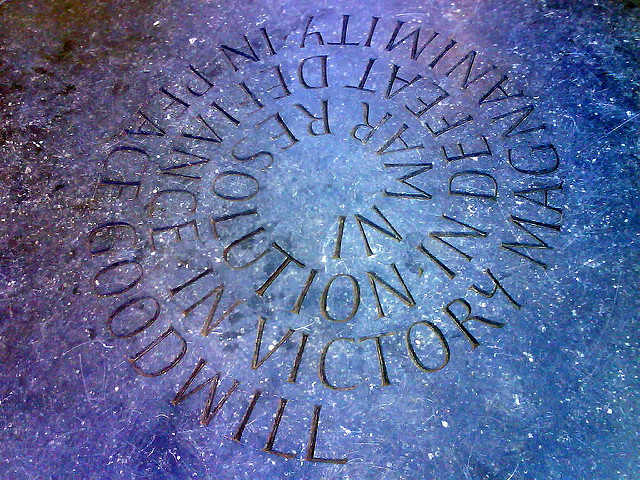
What We Gain When We Lose
Is it even possible? How can we gain when we lose?
The idea of gaining when we experience loss is foreign to what I learned as a child. I was raised in a place where a famous football coach said, “Winning isn’t everything, it’s the only thing.”
Who wants to lose? The idea was we would gain by winning, not losing. That is why we became so focused on winning. Losing was a bad thing, not a good thing.
I was taught the best way to avoid being a sore loser was by not losing.
The idea of leadership seemed to be inextricably enmeshed in the act of winning. Leaders did not lose, they won. The gains to which we paid attention came from winning, being victorious.
We paid no attention at all to any gains which might have been the results of loss.
In our minds, leadership was about not losing. Our leadership was stronger and more effective because we would win.
Life would be so much better, for everyone, once we were victorious.
Some of the leaders who inspire me have shown me what we gain when we lose. They have experience significant professional and personal loss and taught me about it. These leaders have seen for themselves what we gain when we lose.
They do not offer glib platitudes or shallow responses. The pain of loss is still with them.
None of us wants to lose, to do what we need to do to gain in those ways. They have struggled to become aware, deep within themselves, of what we gain when we lose.
We have challenging lessons to learn. What we gain when we lose turns what we held to be true upside down.
Can We Gain When We Lose?
I know people who believe the idea of gaining when we lose is just another way of being nice to losers. It is a sort of participation trophy for leaders who are not as effective.
It can be a challenge for us, in our culture, to even entertain the possibility we might not win. Our focus is more on winning than on playing well, doing our best.
We have so much riding on winning we cannot consider the possibility we might gain when we lose.
I enjoy winning at least as much as anyone else. It feels good to win. There have been times, particularly practicing law, when winning was especially important to me. Whether trials or hearings, motions or cross-examinations, there was a lot riding on winning.
The way it feels to win and the differences winning can make may cause us to ignore what we gain when we lose.
We can begin to believe our desire to win justifies whatever we need to do to achieve it.
The benefits of prevailing become more significant to us than anything else. We lose sight of and discount what we gain when we lose. Our view of winning and losing becomes dualistic. Winning is all beneficial and losing is to be avoided at all costs.
We stop paying attention to the benefits we gain when we lose.
Ironically, one of the ways we gain when we lose is a deeper understanding of what winning means. Our experience of winning reinforces our desire to win. When we lose we begin again to pay attention to what we learn from losing.
Losing teaches us more valuable lessons than winning does.
It is as if our will to win tends to erase for us any understanding of what we gain when we lose.
How Do We Gain When We Lose?
Many people see members of monastic communities as losing a great deal of freedom. They take vows to behave in certain ways and not behave in others. Some people see monks as losing a great deal when they enter monastic life.
The monks I know see losing and winning differently. The commitments they make may be challenging and they may struggle. Their understanding of giving up the flexibility to act in certain ways is not tied to the idea of winning or losing.
What some see as losing monks experience as being focused on deeper truths. Monastic understanding of the reasons for changing our behavior shines a light on the benefits we gain.
Monks are like leaders who guide people to commit themselves to an organization’s goals. They may recognize the need for sacrifices and temporary losses. Understanding the deeper truths can show them the benefits of losing in the short term.
As we open ourselves to the reasons supporting a decision we begin to see what we gain when we lose. We start to understand winning and losing in new ways.
Do We Gain When We Lose?
There are things we do not enjoy about losing. At times we would still like to be relentless, well-oiled winning machines. We have taught ourselves there is winning and there is losing, and winning is better.
It can be a struggle for us to see winning and losing differently. Like strong leaders and strong monks we need to take our time and consider the deeper reasons.
Can we look clearly at what we see as winning and losing to appreciate how things really are? Are there deeper truths we can explore which will change how we experience winning and losing?
It can be easy for us to fall into expected ways of experiencing winning and losing. A dualistic view of life pushes us into either/or ways of seeing the world. We forget or ignore what we gain when we lose.
One step at a time we practice understanding the world in new ways. The decisions we make and ways we act each day shape how we live the rest of our lives.
We can view the world as starkly divided between winners and losers, or we can recognize what we gain when we lose.
What will we gain when we lose today?
How will the ways we see winning and losing change this week?
[Image by Kevin Hutchinson]
Greg Richardson is a spiritual life mentor and leadership coach in Southern California. He is a recovering attorney and university professor, and a lay Oblate with New Camaldoli Hermitage near Big Sur, California. Greg’s website is StrategicMonk.com, and his email address is [email protected].
Previous Post

January 16, 2018
Listening to Sacred Stillness: Hearing the Voices in the Silence
Next Post

January 20, 2018 Practices From the Inside Out: What Are We Trying to Find?
Browse Our Archives
Select a Category Blog Book Reviews Everything Else Guest Posts Leadership Monastic Strategies Neighborhood Pilgrimages Sacred Stillness Spiritual Direction Spiritual Practices Work
Select a Month May 2024 April 2024 March 2024 February 2024 January 2024 December 2023 November 2023 October 2023 September 2023 August 2023 July 2023 June 2023 May 2023 April 2023 March 2023 February 2023 January 2023 December 2022 November 2022 October 2022 September 2022 August 2022 July 2022 June 2022 May 2022 April 2022 March 2022 February 2022 January 2022 December 2021 November 2021 October 2021 September 2021 August 2021 July 2021 June 2021 May 2021 April 2021 March 2021 February 2021 January 2021 December 2020 November 2020 October 2020 April 2020 March 2020 February 2020 January 2020 December 2019 November 2019 October 2019 September 2019 August 2019 July 2019 June 2019 May 2019 April 2019 March 2019 February 2019 January 2019 December 2018 November 2018 October 2018 September 2018 August 2018 July 2018 June 2018 May 2018 April 2018 March 2018 February 2018 January 2018 December 2017 November 2017 October 2017 September 2017 August 2017 July 2017 June 2017 May 2017 April 2017 March 2017 February 2017 January 2017 December 2016 November 2016 October 2016 September 2016 August 2016 July 2016 June 2016 May 2016 April 2016 March 2016 February 2016 January 2016 December 2015 November 2015 October 2015 September 2015 August 2015 July 2015 June 2015 May 2015 April 2015 March 2015 February 2015 January 2015 December 2014 November 2014 October 2014 September 2014 August 2014 July 2014 June 2014 May 2014 April 2014 March 2014 February 2014 January 2014 December 2013 November 2013 October 2013 September 2013 August 2013 July 2013 June 2013 May 2013 April 2013 March 2013 February 2013 January 2013 December 2012 November 2012 October 2012 September 2012 August 2012 July 2012 June 2012 May 2012 April 2012 March 2012 February 2012 January 2012 December 2011 November 2011 October 2011 September 2011 August 2011 July 2011 June 2011 May 2011 April 2011 March 2011 February 2011 January 2011 December 2010
Follow Us!
TAKE THE
Religious Wisdom Quiz
What was the main language of Jesus’ daily speech?
Select your answer to see how you score.
Greek Hebrew Aramaic Latin
Related posts from Strategic Monk

How Are We Called to Live?: More About...

A Spiritual Practice of Reading: Join Us Online

Taking a Deep Breath, and Another: Finding Time...

Listening to Our Own Rhythms: When Will We...
TRENDING AT PATHEOS Contemplative

Handy Contemplative Practices for Political Spaces
A Spiritually Grounded Presence In order to bring a spiritually grounded presence...

Halloween: The Holiday of Loving Your Neighbor
All Hallows Eve Is Halloween the least Christian holiday in America, or...

Can Love Be Saved? Some Thoughts on the...
Happy Valentine's Day! I recently published a post on Patreon called Can...

"This Loving, Uniting Embrace": the Holy Ordinary
Today's guest post is by Mark Longhurst, author of The Holy Ordinary:...

How Are We Called to Live?: More About...
How Are We Called to Live? Many of us struggle with discerning...

A Spiritual Practice of Reading: Join Us Online
A Spiritual Practice of Reading A healthy spiritual practice of reading is...
view all Contemplative blogs
Ad-Free & Subscriber Log-In Subscription Support
- About Us
- 2026 Calendar
- Videos
- Podcasts
- Library of World Religions
- Faith In Media Tracker
- Advertise With Us
- Write for Us
- Privacy Policy
- Terms of Service
- Do Not Sell My Data
- Contact Us
- Radiant Digital
- Manage Newsletter Subscriptions
- Unsubscribe From Notifications
- Sitemap
Copyright 2008-2026, Patheos. All rights reserved.
Subscription Support Ad-Free & Subscriber Log-In
Follow Patheos