
BuddhistCatholicContemplativeEvangelicalGeneral ChristianHinduJewishLatter-day SaintMuslimNew VisionsProgressive Christian
Beliefs
- Buddhist
- Catholic
- Contemplative
- Evangelical
- General Christian
- Hindu
- Jewish
- Latter-day Saint
- More Voices
- Muslim
- New Visions
- Pagan
- Progressive Christian
Topics
- Religion News
- Food and Religion
- Sports and Religion
- Religious Art
- Religious Music and Entertainment
- Religious Events
- History and Religion
- Style and Religion
- Politics and Religion
- Women in Religion
- Recreation Outdoors and Religion
- Business Finance and Religion
- Careers Workplace and Religion
- Education and Religion
- Family Parenting and Religion
- Health Fitness and Religion
- Home and Religion
- Relationships and Religion
- Technology and Religion
- Travel and Religion
Columnists
- Buddhist Columnists
- Business Finance and Religion Columnists
- Careers Workplace and Religion Columnists
- Catholic Columnists
- Contemplative Columnists
- Education and Religion Columnists
- Evangelists Columnists
- Family Parenting and Religion Columnists
- General Christian Columnists
- Health Fitness and Religion Columnists
- Hindu Columnists
- History and Religion Columnists
- Home and Religion Columnists
- Jewish Columnists
- More Voices Columnists
- Latter Day Columnists
- Muslim Columnists
- New Visions Columnists
- Nonreligious Columnists
- Pagan Columnists
- Politics and Religion Columnists
- Progressive Columnists
- Recreation Outdoors and Religion Columnists
- Relationships and Religion Columnists
- Religion News Columnists
- Religious Art Columnists
- Religious Events Columnists
- Religious Music and Entertainment Columnists
- Sports and Religion Columnists
- Style and Religion Columnists
- Technology and Religion Columnists
- Travel and Religion Columnists
- Women in Religion Columnists
Resource Library
- 2026 Calendar
- Library of World Religions
- The 100 Most Holy Places on Earth
- Patheos Answers
- Podcasts
- Videos
- Faith Leaders Database
- Anglican Episcopalian
- Bahai
- Baptist
- Buddhism
- Christianity
- Confucianism
- Eastern Orthodoxy
- Hinduism
- Holiness and Pentecostal
- ISKCON
- Islam
- Judaism
- Lutheran
- Methodist
- The Church of Jesus Christ of Latter-day Saints
- New Age
- Paganism
- Presbytarian and Reformed
- Protestantism
- Religion Behind the Scenes
- Roman Catholic
- Scientology
- Shia Islam
- Sikhism
- Sufism
- Sunni Islam
- Taoism
- Zen
- See all religions
Research Tools
 Ad-Free & Subscriber Log-In Subscription Support
Ad-Free & Subscriber Log-In Subscription Support
Follow Patheos 

- Trending:
- Forgiveness
- |
- Marriage
- |
- Consciousness
- |
- Death Penalty
- |
- Election
- |
- Halloween
 Strategic Monk
-
About
-
Services
- Home
- Contemplative
- Why Practice Spiritual Life? What Are We Searching For?
Why Practice Spiritual Life? What Are We Searching For?
Last updated on: March 14, 2017 at 4:40 am by Greg Richardson
Why Practice Spiritual Life? What Are We Searching For? 2017-03-14T04:40:03-08:00 Greg Richardson
Patheos Explore the world's faith through different perspectives on religion and spirituality! Patheos has the views of the prevalent religions and spiritualities of the world.
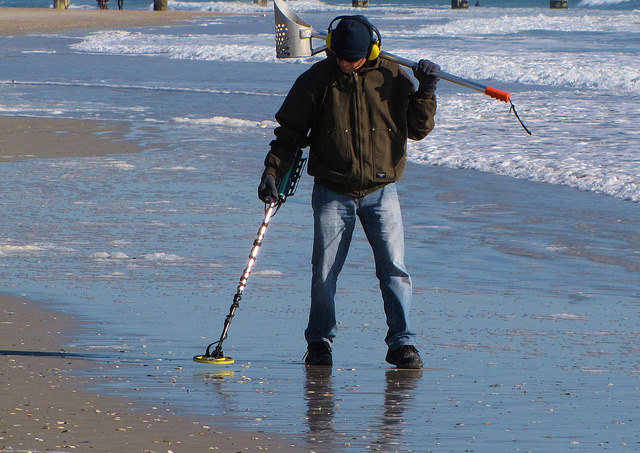
Why Follow a Spiritual Practice?
There are groups who follow spiritual practices together. Some people practice disciplines they have followed all their lives, but do not know why.
There are people who follow practices because “that is how we have always done it.” Some people were brought up with particular traditions and continue following them. They persist in practices their parents taught them even when they have little spiritual power for them. Other people explore new practices because they think they might be interesting, or comfortable.
I know people for whom their practices become burdens and obstacles. They may not want to miss a day or a week of one of their disciplines. Missing, or cutting time short, can be a source of guilt and shame for them.
The very behavior intended to strengthen spiritual life in them actually weakens it.
New practices emerge every day. Someone creatively decides acting in a certain way will help them, and they begin practicing.
Ancient Spiritual Practices
There are practices or disciplines which people have followed for hundreds of years. While ancient practices have varied forms in different religious traditions, some things are consistent. There are seven ancient practices in my own tradition. Three practices tend to focus on the spirituality of how we understand our physical needs. These are fasting, giving tithes and alms, and sharing a sacred meal. Three other practices focus more on how we relate to time and our schedules. These are prayer and contemplation at set times during the day, taking a Sabbath rest, and a liturgical year. The seventh ancient practice, pilgrimage, tends to bring our bodies and our time together.
Many more recent practices apply and combine these ancient practices in creative ways.
What is the Point?
People often become interested in a spiritual practice or practices to strengthen their spiritual life. They understand the idea of spiritual disciplines to be like physical exercise. People want to build up muscle in certain parts of their spiritual lives. They may seek out a spiritual director or mentor to help them get into better spiritual shape.
It is easy to approach spiritual disciplines like a checklist. We want to make sure we have touched all the bases and experienced all the practices. Some people see spiritual practices as ways to earn more spiritual points, boosting their scores. They see themselves as becoming more spiritual by following a specific set of practices. It is as if they see a range of spirituality with people following more practices getting higher scores.
There is value in developing and following spiritual practices. They do not, though, allow you to work your way through a series of exercises into spiritual power.
The point of spiritual practices is much deeper, and more important, than that.
Opportunities for Awareness
When I exercise, I might focus on finishing. My attitude is to complete exercising as soon as possible and go do something else.
People often approach spiritual disciplines the way I approach exercising physically. They have committed themselves to spending a certain amount of time, and they will. Their commitment is a promise to themselves, or God, they will practice so many times a week. They are determined to keep their promises, no matter how much it punishes them.
Their spiritual practices become things they are required to do. This may be the opposite of the point of spiritual disciplines.
Time spent on spiritual practices is intended to be an interruption, a pause in our regular schedules. We are not, though, committing ourselves just so we can make ourselves feel more guilty. Our practices are not time set aside just to make life more difficult.
We practice spiritual disciplines to remind ourselves we are aware. It is easy for us get caught up in meeting deadlines and accomplishing goals we set for ourselves. There are deeper truths to which we need to be reawakened.
When I focus my attention on staying on schedule, it is easy to forget how spiritual life works. Taking a scheduled break from that schedule to reflect or pray helps me stay awake.
Spiritual practices are how we restore awareness when we get too distracted by other things.
What Are We Searching For?
Some people assume spiritual life keeps us following “the straight and narrow.” They think strong spiritual life tells us the right ways to behave. Other people assume spiritual life is more about what we believe than how we act. People may be convinced spiritual life is how we discover the right answers to life’s questions.
Spiritual life, though, is not as simple as that.
Spiritual disciplines are more complex than checklists because spiritual life is. More than a set of rules about how to behave or how to think, spiritual life is a relationship.
It can feel extremely complicated to learn how to relate to someone else. In the same way, spiritual life can seem complicated. Spiritual life is a relationship between complex human beings and the deeply Sacred.
Whether you call that Sacredness God, or Allah, or hold it in silence, it is still with us. We are immersed in and saturated by Sacred truth.
It takes us years of study, trial and error, to learn how to relate to the physical universe. Some of us spend decades learning how to live our emotional or financial lives. There is a sense in which, when we get to a point where we think we understand, we just are beginning. Why would spiritual life be different?
We practice, building understanding and strength. Our disciplines give us experience and remind us we are aware. As we continue to practice we experience an assurance of spiritual life we cannot explain.
Spiritual life around us, and in us, draws us toward it. As we practice we grow into our awakening awareness. We are searching for our next step.
When do other things distract you from awareness of spiritual life?
How do you remind yourself to be awake and aware?
[Image by Gerry Dincher]
Previous Post

March 11, 2017
Spiritual Practices From the Inside Out: New Fields of Hope
Next Post

March 16, 2017 Leading Like a Monk: Learning to Listen Well
Browse Our Archives
Select a Category Blog Book Reviews Everything Else Guest Posts Leadership Monastic Strategies Neighborhood Pilgrimages Sacred Stillness Spiritual Direction Spiritual Practices Work
Select a Month May 2024 April 2024 March 2024 February 2024 January 2024 December 2023 November 2023 October 2023 September 2023 August 2023 July 2023 June 2023 May 2023 April 2023 March 2023 February 2023 January 2023 December 2022 November 2022 October 2022 September 2022 August 2022 July 2022 June 2022 May 2022 April 2022 March 2022 February 2022 January 2022 December 2021 November 2021 October 2021 September 2021 August 2021 July 2021 June 2021 May 2021 April 2021 March 2021 February 2021 January 2021 December 2020 November 2020 October 2020 April 2020 March 2020 February 2020 January 2020 December 2019 November 2019 October 2019 September 2019 August 2019 July 2019 June 2019 May 2019 April 2019 March 2019 February 2019 January 2019 December 2018 November 2018 October 2018 September 2018 August 2018 July 2018 June 2018 May 2018 April 2018 March 2018 February 2018 January 2018 December 2017 November 2017 October 2017 September 2017 August 2017 July 2017 June 2017 May 2017 April 2017 March 2017 February 2017 January 2017 December 2016 November 2016 October 2016 September 2016 August 2016 July 2016 June 2016 May 2016 April 2016 March 2016 February 2016 January 2016 December 2015 November 2015 October 2015 September 2015 August 2015 July 2015 June 2015 May 2015 April 2015 March 2015 February 2015 January 2015 December 2014 November 2014 October 2014 September 2014 August 2014 July 2014 June 2014 May 2014 April 2014 March 2014 February 2014 January 2014 December 2013 November 2013 October 2013 September 2013 August 2013 July 2013 June 2013 May 2013 April 2013 March 2013 February 2013 January 2013 December 2012 November 2012 October 2012 September 2012 August 2012 July 2012 June 2012 May 2012 April 2012 March 2012 February 2012 January 2012 December 2011 November 2011 October 2011 September 2011 August 2011 July 2011 June 2011 May 2011 April 2011 March 2011 February 2011 January 2011 December 2010
Follow Us!
TAKE THE
Religious Wisdom Quiz
What is a "scroll" most similar to today?
Select your answer to see how you score.
Book Statue Table Carpet
Related posts from Strategic Monk

How Are We Called to Live?: More About...

A Spiritual Practice of Reading: Join Us Online

Taking a Deep Breath, and Another: Finding Time...

Listening to Our Own Rhythms: When Will We...
TRENDING AT PATHEOS Contemplative

Handy Contemplative Practices for Political Spaces
A Spiritually Grounded Presence In order to bring a spiritually grounded presence...

Halloween: The Holiday of Loving Your Neighbor
All Hallows Eve Is Halloween the least Christian holiday in America, or...

Can Love Be Saved? Some Thoughts on the...
Happy Valentine's Day! I recently published a post on Patreon called Can...

"This Loving, Uniting Embrace": the Holy Ordinary
Today's guest post is by Mark Longhurst, author of The Holy Ordinary:...

How Are We Called to Live?: More About...
How Are We Called to Live? Many of us struggle with discerning...

A Spiritual Practice of Reading: Join Us Online
A Spiritual Practice of Reading A healthy spiritual practice of reading is...
view all Contemplative blogs
Ad-Free & Subscriber Log-In Subscription Support
- About Us
- 2026 Calendar
- Videos
- Podcasts
- Library of World Religions
- Faith In Media Tracker
- Advertise With Us
- Write for Us
- Privacy Policy
- Terms of Service
- Do Not Sell My Data
- Contact Us
- Radiant Digital
- Manage Newsletter Subscriptions
- Unsubscribe From Notifications
- Sitemap
Copyright 2008-2026, Patheos. All rights reserved.
Subscription Support Ad-Free & Subscriber Log-In
Follow Patheos