
BuddhistCatholicContemplativeEvangelicalGeneral ChristianHinduJewishLatter-day SaintMuslimNew VisionsProgressive Christian
Beliefs
- Buddhist
- Catholic
- Contemplative
- Evangelical
- General Christian
- Hindu
- Jewish
- Latter-day Saint
- More Voices
- Muslim
- New Visions
- Pagan
- Progressive Christian
Topics
- Religion News
- Food and Religion
- Sports and Religion
- Religious Art
- Religious Music and Entertainment
- Religious Events
- History and Religion
- Style and Religion
- Politics and Religion
- Women in Religion
- Recreation Outdoors and Religion
- Business Finance and Religion
- Careers Workplace and Religion
- Education and Religion
- Family Parenting and Religion
- Health Fitness and Religion
- Home and Religion
- Relationships and Religion
- Technology and Religion
- Travel and Religion
Columnists
- Buddhist Columnists
- Business Finance and Religion Columnists
- Careers Workplace and Religion Columnists
- Catholic Columnists
- Contemplative Columnists
- Education and Religion Columnists
- Evangelists Columnists
- Family Parenting and Religion Columnists
- General Christian Columnists
- Health Fitness and Religion Columnists
- Hindu Columnists
- History and Religion Columnists
- Home and Religion Columnists
- Jewish Columnists
- More Voices Columnists
- Latter Day Columnists
- Muslim Columnists
- New Visions Columnists
- Nonreligious Columnists
- Pagan Columnists
- Politics and Religion Columnists
- Progressive Columnists
- Recreation Outdoors and Religion Columnists
- Relationships and Religion Columnists
- Religion News Columnists
- Religious Art Columnists
- Religious Events Columnists
- Religious Music and Entertainment Columnists
- Sports and Religion Columnists
- Style and Religion Columnists
- Technology and Religion Columnists
- Travel and Religion Columnists
- Women in Religion Columnists
Resource Library
- 2026 Calendar
- Library of World Religions
- The 100 Most Holy Places on Earth
- Patheos Answers
- Podcasts
- Videos
- Faith Leaders Database
- Anglican Episcopalian
- Bahai
- Baptist
- Buddhism
- Christianity
- Confucianism
- Eastern Orthodoxy
- Hinduism
- Holiness and Pentecostal
- ISKCON
- Islam
- Judaism
- Lutheran
- Methodist
- The Church of Jesus Christ of Latter-day Saints
- New Age
- Paganism
- Presbytarian and Reformed
- Protestantism
- Religion Behind the Scenes
- Roman Catholic
- Scientology
- Shia Islam
- Sikhism
- Sufism
- Sunni Islam
- Taoism
- Zen
- See all religions
Research Tools
 Ad-Free & Subscriber Log-In Subscription Support
Ad-Free & Subscriber Log-In Subscription Support
Follow Patheos 

- Trending:
- Forgiveness
- |
- Marriage
- |
- Consciousness
- |
- Death Penalty
- |
- Election
- |
- Halloween
 Storied Theology
- Home
- Progressive Christian
- Who Can Forgive Sins?
Who Can Forgive Sins?
Last updated on: April 19, 2016 at 6:28 am by J. R. Daniel Kirk
Who Can Forgive Sins? 2016-04-19T06:28:06-08:00 J. R. Daniel Kirk
Patheos Explore the world's faith through different perspectives on religion and spirituality! Patheos has the views of the prevalent religions and spiritualities of the world.
“Who can forgive sins, but God alone?”
The scribes weren’t happy. Jesus had just exceeded his bounds. He had assumed a divine prerogative that was not his to take (Mark 2:5-7).
As Christians with a long history of affirming Jesus’ divinity, it is easy to jump to the conclusion that the disciples are wrong in their accusation because they don’t realize that the person offering forgiveness is none other than God. But let’s heed the wisdom of Treebeard: don’t be hasty. 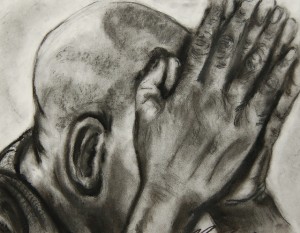
The word for “sin,” ἁμαρτία, only appears in two stories in Mark’s Gospel. The first is the appearance of John the Baptist. John appeared proclaiming baptism of repentance for forgiveness of sins. And John administered that baptism.
So, who can forgive sins but God alone?
John the Baptist.
The Trap of Exclusivity
We can fall into a trap with our reading of scripture. The trap is this: the idea that something is God’s sole prerogative can lure us into thinking that when we see Jesus performing this action, or receiving such an ascription, or being described with such an attribute that we’re getting some sort of coded message that Jesus is God.
But Jewish (and early Christian) literature doesn’t work this way.
When something is God’s exclusive purview Jewish writers ascribe such a thing to a person whom whey want to demonstrate is God’s uniquely endowed agent.
So there are lots of things that typify God in a unique manner.
Only God created the world. And, the book of Sirach has the high priest playing the role of creation in its temple ritual.
Only God rules the world. And the kings of Israel sit on God’s throne ruling the world on God’s behalf.
God will not share God’s glory with another. Except for the glory of God that shines on the face of Adam and Moses and resurrected humans.
God’s identity is captured in God’s name. Which God places on Israel and elect people.
So yes, only God can forgive sins. And that means that if someone else is claiming to forgive sins they are either encroaching on God’s exclusive realm or they are God’s specially charged agents.
Who Indeed?
In Matthew’s version of the story the final word comes from the crowds, as interpreted by the narrator, who celebrate what Jesus has done: “They glorified God who had given such authority to people” (Matthew 9:8). The authority to forgive and to heal has been bestowed “upon the earth” (Matthew 9:6).
And if this is all too suggestive and vague, we can always jump to the end of John: “Receive the Holy Spirit,” says Jesus. “If you forgive the sins of anyone, they are forgiven.”
Who can forgive sins besides God alone? Spirit-empowered agents who represent the presence of God on the earth.
We might even say that such agents carry around the divine image, or are in themselves the divine likeness. Like God in appearance, like God in the authority to rule “upon the earth” (Gen 1:26-28; Mark 2:10; Matt 9:6).
Image: Universal Forgiveness by Nishant Malhotra | © George Miller | flickr | CC 2.0
Previous Post

April 15, 2016
Purity and Participation
Next Post
April 22, 2016 Colonizing Biblical Interpretation
Browse Our Archives
Select a Category American Culture Bible Book Reviews Church Culture Conferences LectioCast Newbigin House Pop Culture Uncategorized
Select a Month October 2017 March 2017 February 2017 January 2017 November 2016 October 2016 September 2016 August 2016 July 2016 June 2016 May 2016 April 2016 March 2016 February 2016 January 2016
Follow Us!
TAKE THE
Religious Wisdom Quiz
I am a book of sermons and laws, Moses' final words before entering the Promised Land. What book am I?
Select your answer to see how you score.
Deuteronomy The law The second law Moses' testimony
Related posts from Storied Theology



Love Your Enemy: Thoughts on Donald Trump

Circle of Moral Responsibility
TRENDING AT PATHEOS Progressive Christian

Why Christians Have a Sacred Duty to Vote:...
The Bible offers strong support for the sacred duty to vote. Here...

What Being a Modern-Day Apostle Means to Me
In my last column, I discussed the ins and outs of modern-day...

Did Ancient China Once Worship the God of...
Across human history, a common thread weaves through the origins of the...

Love Your Neighbor – Including Earth-Kin: Lev. 19,...
God’s command to love your neighbor means acting in an ethical and...

Lead a Church Study of “Jesus and Lao...
Guest writer Jack Thomas (The Irreverent Reverend) reflects on leading his church...

Principles for Understanding the Apostolic Ministry Today
Whenever people discover that my formal ministry title is "apostle," as in...
view all Progressive Christian blogs
Ad-Free & Subscriber Log-In Subscription Support
- About Us
- 2026 Calendar
- Videos
- Podcasts
- Library of World Religions
- Faith In Media Tracker
- Advertise With Us
- Write for Us
- Privacy Policy
- Terms of Service
- Do Not Sell My Data
- Contact Us
- Radiant Digital
- Manage Newsletter Subscriptions
- Unsubscribe From Notifications
- Sitemap
Copyright 2008-2026, Patheos. All rights reserved.
Subscription Support Ad-Free & Subscriber Log-In
Follow Patheos