
BuddhistCatholicContemplativeEvangelicalGeneral ChristianHinduJewishLatter-day SaintMuslimNew VisionsProgressive Christian
Beliefs
- Buddhist
- Catholic
- Contemplative
- Evangelical
- General Christian
- Hindu
- Jewish
- Latter-day Saint
- More Voices
- Muslim
- New Visions
- Pagan
- Progressive Christian
Topics
- Religion News
- Food and Religion
- Sports and Religion
- Religious Art
- Religious Music and Entertainment
- Religious Events
- History and Religion
- Style and Religion
- Politics and Religion
- Women in Religion
- Recreation Outdoors and Religion
- Business Finance and Religion
- Careers Workplace and Religion
- Education and Religion
- Family Parenting and Religion
- Health Fitness and Religion
- Home and Religion
- Relationships and Religion
- Technology and Religion
- Travel and Religion
Columnists
- Buddhist Columnists
- Business Finance and Religion Columnists
- Careers Workplace and Religion Columnists
- Catholic Columnists
- Contemplative Columnists
- Education and Religion Columnists
- Evangelists Columnists
- Family Parenting and Religion Columnists
- General Christian Columnists
- Health Fitness and Religion Columnists
- Hindu Columnists
- History and Religion Columnists
- Home and Religion Columnists
- Jewish Columnists
- More Voices Columnists
- Latter Day Columnists
- Muslim Columnists
- New Visions Columnists
- Nonreligious Columnists
- Pagan Columnists
- Politics and Religion Columnists
- Progressive Columnists
- Recreation Outdoors and Religion Columnists
- Relationships and Religion Columnists
- Religion News Columnists
- Religious Art Columnists
- Religious Events Columnists
- Religious Music and Entertainment Columnists
- Sports and Religion Columnists
- Style and Religion Columnists
- Technology and Religion Columnists
- Travel and Religion Columnists
- Women in Religion Columnists
Resource Library
- 2026 Calendar
- Library of World Religions
- The 100 Most Holy Places on Earth
- Patheos Answers
- Podcasts
- Videos
- Faith Leaders Database
- Anglican Episcopalian
- Bahai
- Baptist
- Buddhism
- Christianity
- Confucianism
- Eastern Orthodoxy
- Hinduism
- Holiness and Pentecostal
- ISKCON
- Islam
- Judaism
- Lutheran
- Methodist
- The Church of Jesus Christ of Latter-day Saints
- New Age
- Paganism
- Presbytarian and Reformed
- Protestantism
- Religion Behind the Scenes
- Roman Catholic
- Scientology
- Shia Islam
- Sikhism
- Sufism
- Sunni Islam
- Taoism
- Zen
- See all religions
Research Tools
 Ad-Free & Subscriber Log-In Subscription Support
Ad-Free & Subscriber Log-In Subscription Support
Follow Patheos 

- Trending:
- Forgiveness
- |
- Marriage
- |
- Consciousness
- |
- Death Penalty
- |
- Election
- |
- Halloween

- Home
- Catholic
- Lent, Penance and Spiritual Abuse: What Are We To Do?
Lent, Penance and Spiritual Abuse: What Are We To Do?
Last updated on: February 17, 2021 at 6:08 pm by Mary Pezzulo
Lent, Penance and Spiritual Abuse: What Are We To Do? 2021-02-17T18:08:45-04:00 Mary Pezzulo
Patheos Explore the world's faith through different perspectives on religion and spirituality! Patheos has the views of the prevalent religions and spiritualities of the world.
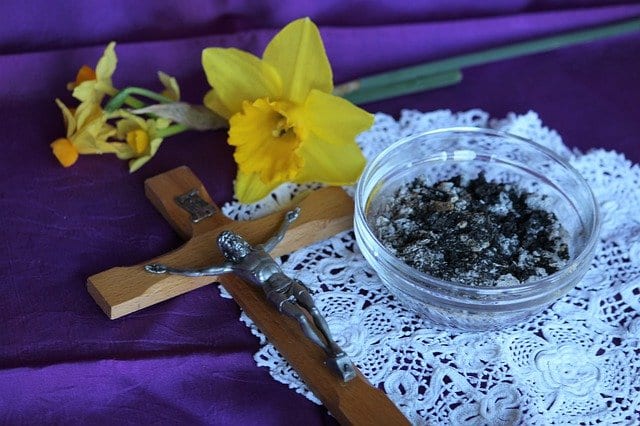
It’s Lent. If you’re Christian, that’s a time for reflection and turning away from sin. Many of us are also taking up new spiritual practices of adding prayer or practicing self-denial. And if you’ve been a victim of spiritual abuse, that can be tricky. Spiritual abuse can change the way you look at pain and discomfort. It can make it harder to discern what God is calling you to do. It can also make you imagine you have faults and vices that you don’t have, and that hurting yourself will make those vices go away. As spiritual abuse survivors, we’d better take a serious look at what a Lenten penance is supposed to be, about what lies we might have learned about pain, and about what pain is really trying to tell us. Then we can be free to repent and do penance during this season, without accidentally hurting ourselves.
First of all, in case you didn’t know, it’s not a sin to decide that the penance you resolved to perform this Lent is not good for you and to do something else. I don’t know why I used to think it was, but I know I’m not alone; I’ve met a lot of people who felt they were doing something wrong if they stopped a penance in the middle of Lent and chose another one. Back at Franciscan University, I ran into many students who were tormenting themselves with a badly chosen penance and honestly thought they’d be committing a sin if they stopped what they were doing. That’s wrong. You can switch out your Lenten penance right now or at any time you realize you’ve made a mistake. Don’t worry about that anymore.
Now, with that out of the way, let’s talk about what makes a healthy and unhealthy penance.
I talked last year about penance being about repentance, about turning around. It’s not about making yourself suffer, though repentance can be a painful process. Penance is about realizing the places you’ve gone wrong and turning to do right instead. That process can hurt, but the hurt is never the point. It’s as simple as that.
I also talked this weekend about how pain is a sign that something is wrong, whereas people who have been victims of spiritual abuse are often groomed to think pain is a good sign. We might hink that the more pain we have, the better something is for us. We might think that we’re evil nasty reprobates and pain is what we justly deserve, but that’s not true. Lent is a prime time to for us to go back to the self-abuse we think is a normal or a holy thing, if we have the wrong idea about pain. This means that it’s a dangerous time for us, but it’s also an opportunity for healing if we look at our pain the right way. So first of all, we have to understand what pain can tell you and what it can’t. Pain can tell you that something is wrong. But it can’t tell you what, specifically, is wrong. That’s something that you have to discern for yourself.
Teresa of Avila imagined the human person as a castle, with a courtyard and different rooms inside of each other symbolizing the different parts of a self. But that’s a little too precious and romantic for me. I prefer to imagine myself as a space ship in a cheesy sci fi movie. I am the captain of that ship, sitting at the control panel in the cockpit. There are all kinds of panels and monitors and blinking lights in the cockpit. Some of those are harder to read than others, but pain is the easiest thing to notice. Pain is a red light with an annoying RED ALERT siren that goes off whenever something isn’t right. It would be foolish of me to ignore that siren and hang a lampshade over the red light so I couldn’t see it anymore. It would also be foolish to think that the RED ALERT was actually a good thing and a sing that my space ship was doing especially well. But it would also be foolish of me to panic and randomly change my course at the siren and the light. The proper thing to do when the pain alarm goes off is to check all of my sensors to see what, specifically, is wrong, and whether I can do something about it. And that’s what we need to learn to do when we’re in pain. We must not ignore it, but we mustn’t let it boss us around either. We have to learn to listen to what pain has to say, check our internal sensors, discern what’s wrong, and decide how to fix it.
Sometimes our pain shows us something that’s wrong with ourselves that we’re culpable for. Sometimes we feel bad because our attention has been drawn to a bad habit of ours that we need to change. One year I gave up watching Hell’s Kitchen reruns for fun for Lent, when I had been gleefully binge-watching my way through the whole series before. By the end of two weeks I was frantic to watch it again. I asked myself why, and realized that I was relishing the conflict and seeing people get bawled out for embarrassing mistakes. That was cruel of me. It was good for me to take a break from that series– in fact, when I recently tried to watch it again, I found that the abusive yelling and constant fighting made me feel uncomfortable. That’s a much more ethical way to respond to that kind of verbal violence. My pain showed me where I needed to repent, I repented, and I increased my empathy.
Sometimes our pain show us something that’s not our fault and that we can’t change, so we have to acknowledge the pain but stay the course in our damaged space ship anyway. For example, I have always been terribly afraid of heights. When I drive across a bridge, sometimes I start to feel panic. That’s not something I can help or change, at least in the short term. I didn’t make myself afraid of heights. It’s not a vice. It’s just a quirk some people have. And it would be dangerous to stop driving or turn around in the middle of a bridge. So I have no choice but to acknowledge my suffering, pay attention to the road in front of me, and keep driving.
Sometimes our pain shows us that someone’s abusing us and we have to tell them to stop or get away from them (or both). Or, someone has hurt us in the past and our souls are still hurting from that wound. In that case, the pain lets us know that we’re not healed yet and need to do some more work on that part of our mind before the penance is going to work. I tried to pray the Louis De Montfort Consecration once upon a time and it kept giving me panic attacks because of my history in Apparition Culture. Some well-meaning “friends” assumed this panic was a “spiritual attack.” They consulted a priest about me and the priest also foolishly said that this was just a spiritual attack we ought to expect when saying such a powerful prayer, and the only thing to do was to stay the course and not let the devil win. So my friends pressured me into saying the whole prayer even when I was shaking and couldn’t get the words out. They wouldn’t stop pushing or let me leave the chapel until I did, an hour and multiple meltdowns later. I don’t think they meant to spiritually abuse anyone, but that was a deeply spiritually abusive thing to do to me. I shouldn’t have been saying those prayers because they weren’t right for me just then, they were rubbing salt in old wounds. And no one should ever, EVER force somebody else into practicing a devotion they’re not ready for. I thought I was in pain because I was a bad person becoming good. But I was actually in pain because I was being abused before, and my friends were re-traumatizing me.
If you have been abused and that abuse makes you suffer, that’s a very important criterion for deciding whether a penance is for you or not. Certain things that are fine for other people might be terrible for your spiritual health.
People who have been spiritually abused have usually been taught to ignore our pain or to view it as a good thing. But if we’re not listening to our pain and trying to discern what it means for us, we may be submitting ourselves to a lot of avoidable suffering while not helping our spiritual growth in the least.
Often, if we can’t figure it out on our own, the best way to help discern what our pain is telling us, is to talk to a good spiritual director or confessor. Ideally, if we’ve been spiritually abused, we should be seeking help from a trained therapist who isn’t giving us spiritual direction, while ALSO getting spiritual direction from a spiritual director who understands trauma and won’t try to give us therapy by mistake. Those are two separate things that shouldn’t get mixed up. However, finding a qualified spiritual director who understands abuse is a big ask, and there are a lot of badly qualified spiritual directors out there. So for the time being, while you’re seeking more qualified help, here are three questions that I as a spiritual abuse survivor ask myself when approaching a penance or a new spiritual discipline.
First: what do I hope to change about myself with this penance? Is it something that needs to be changed? Is it a real fault I have, or is it something I just assume is wrong with me because I’ve been abused? For example, let’s say you’ve taken on a penance of saying “yes” when other people ask you for help more often. That’s often a great thing to do. Let’s say you’re doing that because you feel that you’re selfish and need to get out of yourself more. That could be true. But who told you you were selfish? Did an abusive person who hated that you weren’t enough of a pushover say it? Are you sure you really have a problem of not saying “yes” enough? Maybe a better penance would be to actively listen to what people are asking and to think about what boundaries you should have before meekly saying “yes” or unthinkingly saying “no.”
Second: is this penance working to change me, or is it backfiring? Let’s say you gave up buying name brand groceries and did a penance of buying house brands, to teach yourself not to be so picky and delicate about food. That can be a good penance, especially if you’re donating the money you saved to the poor. You discerned about that and made an informed decision that yes, you really are picky and delicate and you need to loosen up about what you eat. You’re buying the cheap stuff. You’re forcing yourself to eat it and not waste any. The food is bland and not of good quality and it’s giving you a stomach ache. All you can think about is that wonderful Easter Sunday when you’ll treat yourself to the old expensive food you like. All you can think about while you eat your cheap food is the day you’ll get to have better food, and it’s taking up more and more of your thoughts. Obviously, this penance isn’t detaching you from being picky about food. It seems to be making you pickier. It’s time for a change of course. Maybe you need to add a second penance of praying or doing something to serve the hungry to take up the time you’re spending thinking about meals. Or maybe you need to change course, by cooking an expensive meal you like every so often and inviting hungry people to eat with you. Or maybe you need to drop the penance and just do something else entirely.
Third: whether or not I think it’s working, is this penance hurting me or the people around me? For example, did I give up caffeine for Lent, and am I now snapping at people and being insufferable? That’s not a good penance. Other people shouldn’t have to suffer because of your penance. It’s even worse if you’re disobeying a doctor’s order or doing something that exacerbates an illness or injury you have. If you’ve ever had an eating disorder, for example, you must not fast from food. That’s a recipe for disaster. If your penance is causing you to have flashbacks or panic attacks, like I was when I said the Louis De Montfort Consecration, you need to stop it right away and do something else. Jesus and Mary do not want you to get sick. They do not want you to make the people around you sick. That’s a bad penance. Find something else that accomplishes the same ends without hurting anybody.
God is love. Because God is love, He desires us to grow in the spiritual life. That involves penance– repentance, turning away from our faults and becoming better. When you’ve been spiritually abused, you might have toxic notions about pain that make penance difficult and sometimes dangerous. Please don’t hurt yourself this year. Instead, listen to your pain. Try to use what it’s telling you to discern a better Lenten practice for yourself.
Image via Pixabay
Mary Pezzulo is the author of Meditations on the Way of the Cross and Stumbling into Grace: How We Meet God in Tiny Works of Mercy.
Steel Magnificat operates almost entirely on tips. To tip the author, visit our donate page.
Previous Post

February 15, 2021
Christ is the Lord of the Clean and the Unclean
Next Post

February 18, 2021 Please Help A Local Family Rebuild After A House Fire
Browse Our Archives
Select a Category abortion Abuse Advent America American Christianity angel angels Annunciation Appalachia apparition apparition chaser apparition chasers apparition culture art art review babies baby baby Jesus Bad Lip Reading bad statue contest bath beauty Bible story blog blogkeeping blood book review Brandon Sanderson breastfeeding bus Catholic catholic conspiracy alarmism Catholic Oppositional Disorder Charismatic Renewal Charlie the Cat chastity Christ Christian idenitity Christianity and Judaism Chronic Illness clean clothing COD piece comedy compassion conscience conspiracy theory conversion cop-on-black violence Crucifixion cry of the poor culture Daesh Daily Saints death death penalty devotional diaconate diaper diapers dirty disability Donald Trump Dorothy Day dream drugs Eastern Catholicism Eastern Christianity education election election update Elsewhere on Patheos empathy environment Fear feminism film review fish flashback fluffy buns food Franciscan University of Steubenville Friendship Room fun Gabriel gardening gospel hair-splitting Heaven hell heresy Hillary Clinton history Holly the Witch Holy Spirit holy war Homeschooling homosexuality horror human dignity humor Icon idol immigrants infection inter-religious dialogue Interpretation of Scripture Islam Jesus Jihad Joseph joy laity and lay vocations lamb dinner laundry lent lgbtq literature love manners Mary Medicine and Science Meditation mercy mess milk misogyny Missouri monasticism monster motherhood mourn with those mourn movies movis music mystery nature neurodiversity New Pro-Life Movement news nonsense nostalgia O antiphons obituary objectification Ohio Valley Ordinary Time ordination Ordo Amoris parable paradox Passover peanut butter personal beliefs pets philosophy Planet Charismatic poetry politics polls poop Pope Francis Pope Leo power in the Church prayer prayer request prayers preferential option for non-violence president presidential election priest primary private revelation pro-life prophecy Public face of Catholicism Pure Flix Q and A race racism random rape rape. sexuality reader's request Reckoners refugee religious trauma ressurrection Right to life Saints saints and celebrations same-sex same-sex marriage satire scandal secular feasts seder Seven Joys Seven Last Words sex sexual ethics sexuality silencing six months skid row slavery social justice Speculative fiction spiritual abuse spoon stain story suffering suffrage suffragette Sunday Gospel temple Tenebrae Responsories Terror the exorcist The Friendship Room The New Pro-Life Movement Things I Learned on the Internet tin cup traffic true story tv review Uncategorized USCCB vice and temptation violence Virtue virtue and vice war Way of the Cross whimsy whole life women's ordination work of mercy Year A
Select a Month October 2026 September 2026 August 2026 July 2026 June 2026 May 2026 April 2026 March 2026 February 2026 January 2026 December 2025 November 2025 October 2025 September 2025 August 2025 July 2025 June 2025 May 2025 April 2025 March 2025 February 2025 January 2025 December 2024 November 2024 October 2024 September 2024 August 2024 July 2024 June 2024 May 2024 April 2024 March 2024 February 2024 January 2024 December 2023 November 2023 October 2023 September 2023 August 2023 July 2023 June 2023 May 2023 April 2023 March 2023 February 2023 January 2023 December 2022 November 2022 October 2022 September 2022 August 2022 July 2022 June 2022 May 2022 April 2022 March 2022 February 2022 January 2022 December 2021 November 2021 October 2021 September 2021 August 2021 July 2021 June 2021 May 2021 April 2021 March 2021 February 2021 January 2021 December 2020 November 2020 October 2020 September 2020 August 2020 July 2020 June 2020 May 2020 April 2020 March 2020 February 2020 January 2020 December 2019 November 2019 October 2019 September 2019 August 2019 July 2019 June 2019 May 2019 April 2019 March 2019 February 2019 January 2019 December 2018 November 2018 October 2018 September 2018 August 2018 July 2018 June 2018 May 2018 April 2018 March 2018 February 2018 January 2018 December 2017 November 2017 October 2017 September 2017 August 2017 July 2017 June 2017 May 2017 April 2017 March 2017 February 2017 January 2017 December 2016 November 2016 October 2016 September 2016 August 2016 July 2016 June 2016 May 2016 April 2016 March 2016
Follow Us!
TAKE THE
Religious Wisdom Quiz
What did Jesus say to the storm on the Sea of Galilee?
Select your answer to see how you score.
"Depart from me!" "Let there be light!" "Be gone!" "Peace, be still!"
Related posts from Steel Magnificat

The Hedge, the Leviathan, and the Mystery of...
A New Series on the Abuse at Franciscan...

When I Learned to Forgive Myself

The Difference a Name Can Make
TRENDING AT PATHEOS Catholic

The Sermon on the Mount, Part I: Matthew...
The Sermon on the Mount, Part I (Matthew 4:12-5:12) St. Matthew moves...

What's up from Crossway: Reviewing some of their latest A few weeks...

Janie Learns the Way of the Cross: A...
Teaching children about Jesus' Passion can be challenging. Many parents and educators...

Looking For Good Catholic Writing - October 2026
He alone extends the heavens, and he walks upon the waves of...

In "Irreplaceable," our book on vocation and technology, Trevor Sutton and I...

I was strolling through the top floor of the brand new Parthenon...
view all Catholic blogs
Ad-Free & Subscriber Log-In Subscription Support
- About Us
- 2026 Calendar
- Videos
- Podcasts
- Library of World Religions
- Faith In Media Tracker
- Advertise With Us
- Write for Us
- Privacy Policy
- Terms of Service
- Do Not Sell My Data
- Contact Us
- Radiant Digital
- Manage Newsletter Subscriptions
- Unsubscribe From Notifications
- Sitemap
Copyright 2008-2026, Patheos. All rights reserved.
Subscription Support Ad-Free & Subscriber Log-In
Follow Patheos