
BuddhistCatholicContemplativeEvangelicalGeneral ChristianHinduJewishLatter-day SaintMuslimNew VisionsProgressive Christian
Beliefs
- Buddhist
- Catholic
- Contemplative
- Evangelical
- General Christian
- Hindu
- Jewish
- Latter-day Saint
- More Voices
- Muslim
- New Visions
- Pagan
- Progressive Christian
Topics
- Religion News
- Food and Religion
- Sports and Religion
- Religious Art
- Religious Music and Entertainment
- Religious Events
- History and Religion
- Style and Religion
- Politics and Religion
- Women in Religion
- Recreation Outdoors and Religion
- Business Finance and Religion
- Careers Workplace and Religion
- Education and Religion
- Family Parenting and Religion
- Health Fitness and Religion
- Home and Religion
- Relationships and Religion
- Technology and Religion
- Travel and Religion
Columnists
- Buddhist Columnists
- Business Finance and Religion Columnists
- Careers Workplace and Religion Columnists
- Catholic Columnists
- Contemplative Columnists
- Education and Religion Columnists
- Evangelists Columnists
- Family Parenting and Religion Columnists
- General Christian Columnists
- Health Fitness and Religion Columnists
- Hindu Columnists
- History and Religion Columnists
- Home and Religion Columnists
- Jewish Columnists
- More Voices Columnists
- Latter Day Columnists
- Muslim Columnists
- New Visions Columnists
- Nonreligious Columnists
- Pagan Columnists
- Politics and Religion Columnists
- Progressive Columnists
- Recreation Outdoors and Religion Columnists
- Relationships and Religion Columnists
- Religion News Columnists
- Religious Art Columnists
- Religious Events Columnists
- Religious Music and Entertainment Columnists
- Sports and Religion Columnists
- Style and Religion Columnists
- Technology and Religion Columnists
- Travel and Religion Columnists
- Women in Religion Columnists
Resource Library
- 2026 Calendar
- Library of World Religions
- The 100 Most Holy Places on Earth
- Patheos Answers
- Podcasts
- Videos
- Faith Leaders Database
- Anglican Episcopalian
- Bahai
- Baptist
- Buddhism
- Christianity
- Confucianism
- Eastern Orthodoxy
- Hinduism
- Holiness and Pentecostal
- ISKCON
- Islam
- Judaism
- Lutheran
- Methodist
- The Church of Jesus Christ of Latter-day Saints
- New Age
- Paganism
- Presbytarian and Reformed
- Protestantism
- Religion Behind the Scenes
- Roman Catholic
- Scientology
- Shia Islam
- Sikhism
- Sufism
- Sunni Islam
- Taoism
- Zen
- See all religions
Research Tools
 Ad-Free & Subscriber Log-In Subscription Support
Ad-Free & Subscriber Log-In Subscription Support
Follow Patheos 

- Trending:
- Forgiveness
- |
- Marriage
- |
- Consciousness
- |
- Death Penalty
- |
- Election
- |
- Halloween
 Fr. Dwight Longenecker
-
Archived Articles
- Everything Belongs to You
- Affirming All Things
- Home Away From Home
- The House of Mirrors
- Universal and Particular
- How Do We Know It's the True Church?
- Believing and Belonging
- Which Came First?
- Them and Us
- What is Truth?
- Authority of the First Popes
- The Authority of the Catholic Church
- Biblical Support for the Authority of the Pope
- What Do We Mean By the Real Presence?
- Baptism Now Saves You
- Mother of God – Defender of Orthodoxy
- Explaining Mary Redemptrix to an Evangelical
- Holy Mary Mother of God
- Distorted Devotions – Do Catholics Honor Mary Too Much?
- Why a Former Evangelical Loves the Rosary
- Do Catholics Pray to Mary?
- Purity is Power
- Woman and Serpent – Take 2
- Once A Virgin – Always a Virgin?
- Mary Mother of God or Mother Goddess?
- One Saving Action
- Left Behind
- Why Don't Catholics Read the Bible?
- Idol Speculation – Do Catholics Worship Idols?
- The Problem with Primitivism
- Weird Things Happen
- Paganism, Prophecies and Propaganda
- Utilitarianism – What is Good Works?
- Home
- Catholic
- Jesus Christ’s Teaching for Today
Jesus Christ’s Teaching for Today
Last updated on: April 23, 2012 at 12:45 pm by Fr. Dwight Longenecker
Jesus Christ’s Teaching for Today 2012-04-23T12:45:39-05:00 Fr. Dwight Longenecker
Patheos Explore the world's faith through different perspectives on religion and spirituality! Patheos has the views of the prevalent religions and spiritualities of the world.
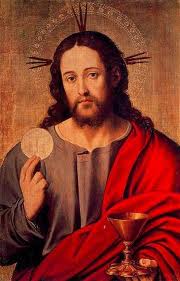 Does truth of the Catholic faith matter, and what is more important, what you do or what you believe?
This debate has come up in the comboxes on this blog in two different ways: The first is with a reader who is a Catholic but asserts that what is most important are the good works people do. Catholic belief, attendance at Mass, practicing the sacraments–all that is secondary. Better to be a good pagan than a bad Catholic.
The second way this same viewpoint has come up is from a couple of Mormons who like to remind me that “by their fruit you shall know them” which is a gospel quote which means, “See how nice and kind and respectable and hard working and patriotic and wonderful these Mormons are? Their religion must be true.” Both of these viewpoints would seem to be common sense, and they appeal to the public, after all, don’t we all know bad Catholics who are hypocrites, and isn’t it really better to behave well than to hold to some arcane belief and be a stinker?
Then at Mass this morning we had this gospel: Jesus had just fed the 5,000 and walked on the water and the people were all excited. They wanted to know how he did the miracles. They were impressed with the signs. He was showing some pretty impressive “fruit”. They wanted more from him, and they wanted to do that stuff too.
He pops their balloon and says:
“Do not work for food that perishes
but for the food that endures for eternal life,
which the Son of Man will give you.
For on him the Father, God, has set his seal.”
So they said to him,
“What can we do to accomplish the works of God?”
Jesus answered and said to them,
“This is the work of God, that you believe in the one he sent.”
Let’s take this apart line by line: “Do not work for food that perishes.” This is not just telling them not to be concerned about money or how to make a living. This is telling them that the obvious work here in this world that we think is so important and so vital–the work of making the world a better place and all that–it’s a food that perishes. It won’t last. Go ahead and make the world a better place, then you’ll die and the next generation of sinners will mess it up again.
“Instead work for the food that endures to eternal life” or as he says elsewhere “Seek first the Kingdom of God and everything else will be added to you.” In other words, get your priorities right. Work for the next world and you’ll end up making this world better despite yourself. Work for this world and you might just lose this one and the next.
“The food that endures is the food that the Son of Man will give you.” Here’s where it gets interesting. These words are part of the sixth chapter of John’s gospel, and are the beginning of what is called the Bread of Life discourse. This passage from verses 22-59 discuss the “sign” that Jesus will give for them to believe. It is the sign of the Bread from Heaven–which is his body and blood. This is where he says, “I am the Bread of life. Your ancestors ate the manna in the wilderness, but they died. This is the bread that comes down from heaven so that one may eat it and not die. I am the living bread that comes down from heaven; whoever eats this bread will live forever; and the bread that I will give is my flesh for the life of the world…whoever eats my flesh and drinks my blood has eternal life.”
“So they said, ‘What must we do to accomplish the works of God?’ Jesus answered and said to them,”This is the work of God, that you believe in the one he sent.”
Straight from the gospel: Belief in the Jesus Christ the Son of God who is the Bread of Life. That’s how you accomplish the works of God.
A religion that does not proclaim Jesus Christ as the only begotten Son of God, yet claims to be a Christian religion is a false religion. It teaches other than the simple truth that Jesus Christ himself taught.
A religion that claims to be a Christian religion but denies the truth of the sixth chapter of John’s gospel where Jesus himself claims that he is the Bread of Life and that his flesh is the bread that comes down from heaven and that anyone who eats that flesh and drinks that blood will have eternal life and those who do not do so do not have life within them–any religion that claims to be a Christian religion and denies these truths does not do accomplish the works of God.
They might do good works and they might be nice people, but they’re following a religion of their own invention and are trusting in their own good works–which according to all orthodox Christian theology–will get them nowhere.
UPDATE: Mark Shea comments more forcefully on Mormonism being bogus here. Mark’s point is that Mormonism is an answer to a non existing problem: they say Mormonism is the ‘real’ church of Jesus Christ to replace the one which went bad long ago. This is a common thread throughout American revivalism–especially that of the early 19th century. It has a name. It’s called Primitivism: Here is an article I wrote some time ago for This Rock magazine called The Problem with Primitivism. I encourage you to read it.
Previous Post

April 22, 2012
I Am Not a Mormon
Next Post
April 23, 2012 The Problem with Primitivism
Browse Our Archives
Select a Category Anglican Matters Apologetics Architecture Blobble Study Book Reviews Brideshead Caitlin O'Rourke Catholic Art Catholic Culture Church Politics Chust for Nice Contemporary Culture Duane Mandible Ed Blanch Film Reviews Fr Harvey Nicolaitan Frank Viola Mantilla the Hon More Christianity Mrs Brady Catholic Old Lady Mystery of the Magi Norman Anderson Queen Hillary Saints and Supernatural Spirituality The Inklings The Vicar Theology Todd Unctuous Uncategorized
Select a Month October 2019 September 2019 August 2019 July 2019 June 2019 May 2019 April 2019 March 2019 December 2018 November 2018 October 2018 August 2018 July 2018 June 2018 May 2018 April 2018 March 2018 February 2018 January 2018 December 2017 November 2017 October 2017 September 2017 August 2017 July 2017 June 2017 May 2017 April 2017 March 2017 February 2017 January 2017 December 2016 November 2016 October 2016 September 2016 August 2016 July 2016 June 2016 May 2016 April 2016 March 2016 February 2016 January 2016 December 2015 November 2015 October 2015 September 2015 August 2015 July 2015 June 2015 May 2015 April 2015 March 2015 February 2015 January 2015 December 2014 November 2014 October 2014 September 2014 August 2014 July 2014 June 2014 May 2014 April 2014 March 2014 February 2014 January 2014 December 2013 November 2013 October 2013 September 2013 August 2013 July 2013 June 2013 May 2013 April 2013 March 2013 February 2013 January 2013 December 2012 November 2012 October 2012 September 2012 August 2012 July 2012 June 2012 May 2012 April 2012 March 2012 February 2012 January 2012 December 2011 November 2011 October 2011 September 2011 August 2011 July 2011 June 2011 May 2011 April 2011 March 2011 February 2011 January 2011 December 2010 November 2010 October 2010 September 2010 August 2010 July 2010 June 2010 May 2010 April 2010 March 2010 February 2010 January 2010 December 2009 November 2009 October 2009 September 2009 August 2009 July 2009 June 2009 May 2009 April 2009 March 2009 February 2009 January 2009 December 2008 November 2008 October 2008 September 2008 August 2008 July 2008 June 2008 May 2008 April 2008 March 2008 February 2008 January 2008 December 2007 November 2007 October 2007 September 2007 August 2007 July 2007 June 2007 May 2007 April 2007 March 2007 February 2007 January 2007 December 2006 November 2006 October 2006 September 2006
Follow Us!
TAKE THE
Religious Wisdom Quiz
Which Christian tradition developed the doctrine of the Holy Trinity most systematically?
Select your answer to see how you score.
Quakerism Nicene Christianity Jehovah's Witnesses Pentecostalism
Related posts from Fr. Dwight Longenecker
Arians, Aliens and Body Snatchers
Is Communion With Lutherans on the Way?


Is This a Miraculous Image of the Divine...
TRENDING AT PATHEOS Catholic

Rejecting Doom: Christian Hope And Human Action
Christianity is a religion of hope. We are to have hope and...

It’s What Comes From Within Which Matters
One of the most difficult things for us to understand is why...

Why I Choose the Eucharist Over the Sermon
Choose the Eucharist, Not the Sermon What are we supposed to get...

5 Design Elements Found in Spiritually Rooted Homes
Putting Spirituality Into Home Decor Our homes are more than our living...

Credo: A Story of God Told with the...
About 10 years ago, I began to imagine a personal "Credo" that...

The Anatomy of Divine Revelation in Catholic Thought
The claim that God has made Himself known to human beings is...
view all Catholic blogs
Ad-Free & Subscriber Log-In Subscription Support
- About Us
- 2026 Calendar
- Videos
- Podcasts
- Library of World Religions
- Faith In Media Tracker
- Advertise With Us
- Write for Us
- Privacy Policy
- Terms of Service
- Do Not Sell My Data
- Contact Us
- Radiant Digital
- Manage Newsletter Subscriptions
- Unsubscribe From Notifications
- Sitemap
Copyright 2008-2026, Patheos. All rights reserved.
Subscription Support Ad-Free & Subscriber Log-In
Follow Patheos