
BuddhistCatholicContemplativeEvangelicalGeneral ChristianHinduJewishLatter-day SaintMuslimNew VisionsProgressive Christian
Beliefs
- Buddhist
- Catholic
- Contemplative
- Evangelical
- General Christian
- Hindu
- Jewish
- Latter-day Saint
- More Voices
- Muslim
- New Visions
- Pagan
- Progressive Christian
Topics
- Religion News
- Food and Religion
- Sports and Religion
- Religious Art
- Religious Music and Entertainment
- Religious Events
- History and Religion
- Style and Religion
- Politics and Religion
- Women in Religion
- Recreation Outdoors and Religion
- Business Finance and Religion
- Careers Workplace and Religion
- Education and Religion
- Family Parenting and Religion
- Health Fitness and Religion
- Home and Religion
- Relationships and Religion
- Technology and Religion
- Travel and Religion
Columnists
- Buddhist Columnists
- Business Finance and Religion Columnists
- Careers Workplace and Religion Columnists
- Catholic Columnists
- Contemplative Columnists
- Education and Religion Columnists
- Evangelists Columnists
- Family Parenting and Religion Columnists
- General Christian Columnists
- Health Fitness and Religion Columnists
- Hindu Columnists
- History and Religion Columnists
- Home and Religion Columnists
- Jewish Columnists
- More Voices Columnists
- Latter Day Columnists
- Muslim Columnists
- New Visions Columnists
- Nonreligious Columnists
- Pagan Columnists
- Politics and Religion Columnists
- Progressive Columnists
- Recreation Outdoors and Religion Columnists
- Relationships and Religion Columnists
- Religion News Columnists
- Religious Art Columnists
- Religious Events Columnists
- Religious Music and Entertainment Columnists
- Sports and Religion Columnists
- Style and Religion Columnists
- Technology and Religion Columnists
- Travel and Religion Columnists
- Women in Religion Columnists
Resource Library
- 2026 Calendar
- Library of World Religions
- The 100 Most Holy Places on Earth
- Patheos Answers
- Podcasts
- Videos
- Faith Leaders Database
- Anglican Episcopalian
- Bahai
- Baptist
- Buddhism
- Christianity
- Confucianism
- Eastern Orthodoxy
- Hinduism
- Holiness and Pentecostal
- ISKCON
- Islam
- Judaism
- Lutheran
- Methodist
- The Church of Jesus Christ of Latter-day Saints
- New Age
- Paganism
- Presbytarian and Reformed
- Protestantism
- Religion Behind the Scenes
- Roman Catholic
- Scientology
- Shia Islam
- Sikhism
- Sufism
- Sunni Islam
- Taoism
- Zen
- See all religions
Research Tools
 Ad-Free & Subscriber Log-In Subscription Support
Ad-Free & Subscriber Log-In Subscription Support
Follow Patheos 

- Trending:
- Forgiveness
- |
- Marriage
- |
- Consciousness
- |
- Death Penalty
- |
- Election
- |
- Halloween

- Home
- New Visions
- Is my iPhone Sacred? Secular Ritual & the things that Matter
Is my iPhone Sacred? Secular Ritual & the things that Matter
Last updated on: April 5, 2017 at 5:53 pm by Sable Manson
Is my iPhone Sacred? Secular Ritual & the things that Matter 2017-04-05T17:53:43-04:00 Sable Manson
Patheos Explore the world's faith through different perspectives on religion and spirituality! Patheos has the views of the prevalent religions and spiritualities of the world.
Hello, iPhone 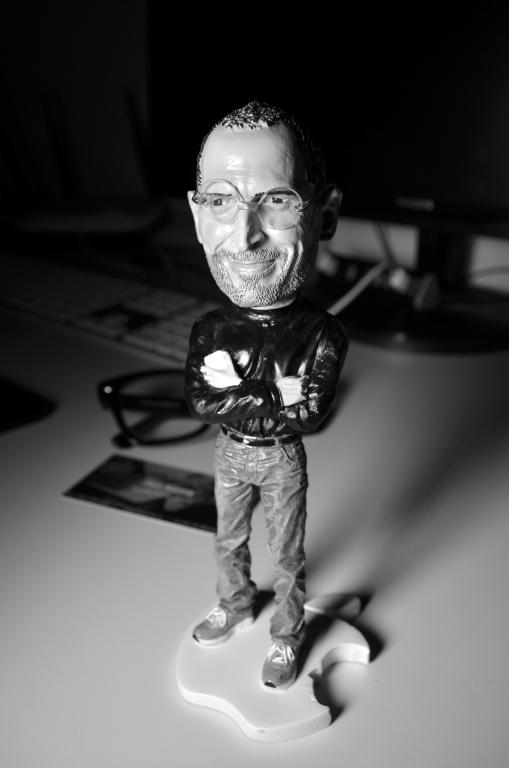
This past January marked the 10th anniversary of Steve Jobs’s historic announcement at MacWorld Convention of the revolutionary iPhone. In the now infamous presentation, Steve Jobs, Apple’s minister and magician, stands on a darken stage in front of his most ardent supporters. Over Jobs’s shoulder the iconic Apple logo silhouetted with a heavenly blue shining light. You can hear the excitement building in the room as Jobs recounts Apple’s historic contributions including the Macintosh computer and iPod. He stirs the crowds promising an iPod, a phone, and an internet communicator as the animation on the screen behind him whirls to life. The revelation that Jobs is talking about one singular product which will “reinvent the phone” send the crowd into ecstatic jubilation, with many only calming down only to fervently listen as Jobs proclaims each exciting feature. As you all know, six months after this announcement the first iPhones would be officially released, and our lives have not been the same since.
Steve Jobs set out to create things that mattered to people and ten years later his dream has come true as many now consider their iPhones (and more broadly our smartphones), to be an essential part of their lives. Few objects occupy such an important place in our daily lives, on face value these devices seem nothing more than advanced tools however these innovative toys not only help capture, curate, and connect us to our most transcendent moments, they have also become helpful conduits for accessing the world of the sacred.
What is Sacred? What is Profane?[1]

Pixabay Photo
Durkheim was one of the first theorist to identify, what he perceived as, the dichotomy between “sacred” and “profane.” Profane was the realm of the ordinary, the everyday, from which the sacred was set apart. Many thinkers (e.g. Durkheim, Otto, Eliade) saw the sacred as free floating or at least contextually based, with the boundaries of the sacred/profane divide shifting based on the social situation. However, most agreed that the sacred could be recognized by observing the way people react and interact with it.
Mircea Eliade asserted that humans attach meaning to certain objects as they represent or remind us of our connection to the sacred, which we cannot have direct access. While Durkheim stressed that humans create symbols and totems as a way to interact with the sacred. For Durkheim items were not inherently sanctified rather totems were profane items that had been endowed with a connection to the sacred, through supernatural transubstantiation or ritual.
Sanctification Through Ritual
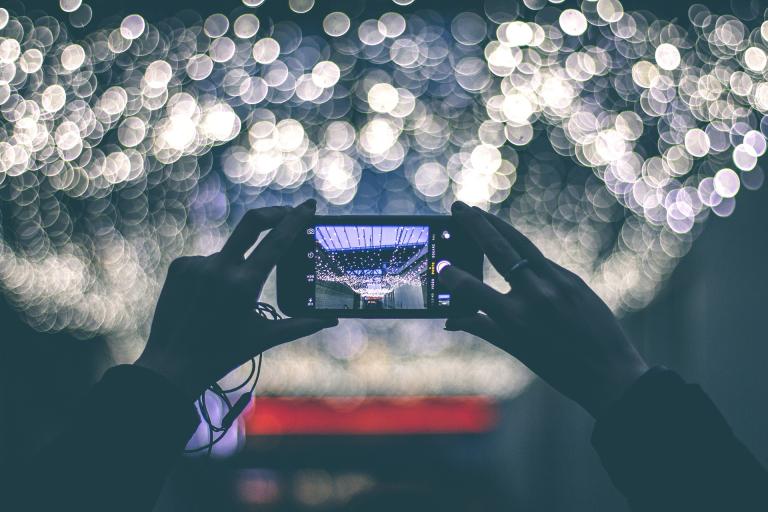
Rituals are woven into a society’s cultural meaning making systems.[2] Ritual is often described as purposeful engagement with the sacred however a ritual can also extend to any practice or pattern of behavior regularly performed in a set manner. Ritual is a social construction, within which the participants are both actors and creators of the script, performance, media, and representation2.
Pixabay Photo
Ritual creates the sacred[3].To an observer, the iPhone may appear to remain the same device however for the participant their daily intimate rituals allow the object to channel the sacred. Where ritual can turn a mundane local into sacred space3, intentionality turns our profane devices into sacred objects for connection. Yet, ultimately the power resides not in specific patterns and practices alone. Rather what makes ritual transformative is how WE endow the rite with meaning.
Secular Ritual and the things that Matter
Pixabay Photo
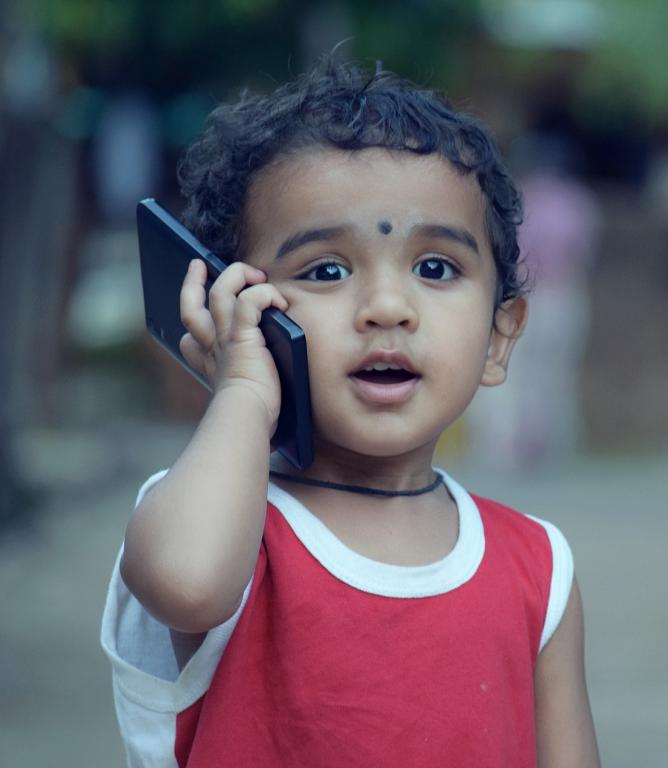
Ritual may conjure images of shamans and religious rites but if you consider our relationship (yes, I said relationship) with our iPhones a “practice or pattern of behavior regularly performed in a set manner” begins to emerge.
Our phones are rarely out of sight or mind, often the first thing we reach out for in the morning and the last thing we glance at before we close our eyes at night. Sure there are all the secular practical reasons we use our phones (i.e. setting alarms, checking our email, telling the time) but the reason we freak out when we lose our phones is because of it represents to us.
Pixabay Photo
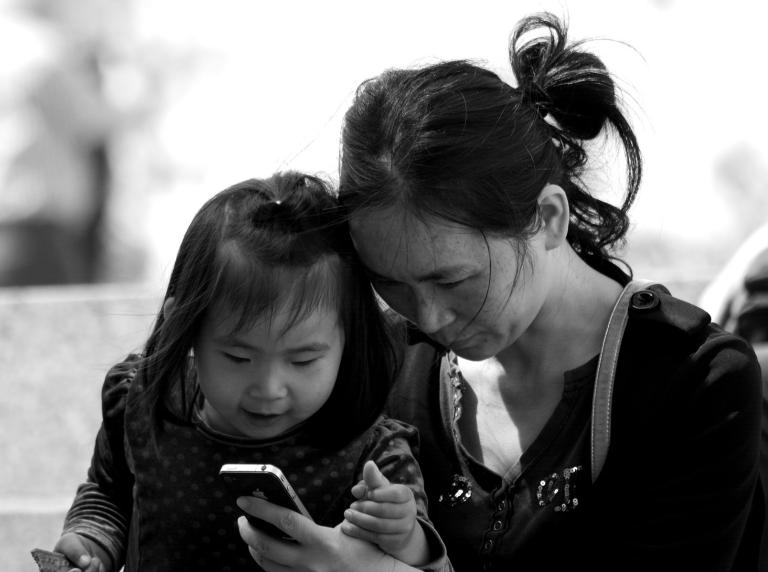
These profane tech toys have evolved into intimate personal devices that hold our most personal information and share the important details of our lives. Our phones capture special moments and memories through pictures even as they “disappear” from instastory and snapchat. Our phones store our secrets, protected by fingerprint sign-in or 4, 6, 8-digit passcodes (often a numerical sequence which hold special meaning). Our phones even connect us to the sacred relationships in our lives, whether it’s facetime with our loved one who is miles away or that voicemail you saved, just to hear her or his voice. It is the small daily rituals that integrate our phones into our lives. In many ways it is not one specific practice but rather a complex pattern of daily interactions that imbue the phone in your hand with the sacred.
If the same act can be sacred or profane – contingent upon intent – it is not God that makes our iPhone sacred, it is us our desire to experience the sacred that makes it so. Maybe a more expansive definition of the sacred would emphasize the supernatural less and more on what matters. Because yes, we love our smartphones because they are pretty and utilize the latest technology but we also love our smartphones because they store our personal information and connect us to our most prized relationships. And that is really what is sacred.
People have used technology for a long time to speak to the gods[4] and my #DigitalFaith project examines how digital tools and platforms can support religious and spiritual development. I’d love to hear about your spiritual adventures and discoveries online. So feel free to share your comments below or continue to the conversation at @SableManson #DigitalFaith.
[1] Jones, C. B. (2007). Lecture six – Emile Durkheim. Lecture twenty – Mircea Eliade; In Introduction to the Study of Religion Lecture presented for Great Courses, The Teaching Company.
[2] Helland, C. (2013). Ritual. In H. A. Campbell (Ed.), Digital religion: Understanding religious practice in new media worlds (pp. 25-40). New York, NY: Routledge.
[3] Gaskill, A. (2016). Religious ritual and the creation of sacred space. Lecture presented at Sacred Space, Sacred Thread: A Global Conference at USC
[4] Laskow, S. (2015, Sept 25). We asked a cultural historian: Are Apple stores the new temples? Retrieved from Atlas Obscura
Save
Next Post

August 1, 2017 When You Find Yourself in a Congregation of One
Browse Our Archives
Select a Category Uncategorized
Select a Month January 2022 December 2021 October 2021 September 2018 October 2017 August 2017 April 2017 February 2017 January 2017 December 2016 November 2016 October 2016 September 2016 August 2016 July 2016 June 2016 May 2016 April 2016 March 2016 February 2016 January 2016 December 2015 April 2013 September 2012
TAKE THE
Religious Wisdom Quiz
True or False: In Revelation, the tree of life produces twelve different kinds of fruit, yielding its fruit every month.
Select your answer to see how you score.
TRUE FALSE
Related posts from Spirituality Itself

Understanding the Spiritual Marketplace – From Monopoly to...

#DigitalFaith – Spiritual Exploration and Discovery Online

TRENDING AT PATHEOS New Visions

Did Prayer Cure His Cancer? Or Was It...
At 4 AM one morning, Joshua W. Brown’s wife awoke to a...

8 Ways a Near-Death Experience Rewires the Soul
Does Consciousness Survive Physical Death? After 50 Years of Research, Dr. Raymond...

Holy Longing: What Our Restlessness Is Telling Us
“One can find so many pains when the rain is falling.” -John...

What this is NOT about. This blog is definitely not about...

Who said the Israelites were God’s chosen? That’s right, they did. Who...

The Spirit World Is the Real World: God...
A Monk’s Wisdom on Body and Spirit I sit with Brother Martin...
view all New Visions blogs
Ad-Free & Subscriber Log-In Subscription Support
- About Us
- 2026 Calendar
- Videos
- Podcasts
- Library of World Religions
- Faith In Media Tracker
- Advertise With Us
- Write for Us
- Privacy Policy
- Terms of Service
- Do Not Sell My Data
- Contact Us
- Radiant Digital
- Manage Newsletter Subscriptions
- Unsubscribe From Notifications
- Sitemap
Copyright 2008-2026, Patheos. All rights reserved.
Subscription Support Ad-Free & Subscriber Log-In
Follow Patheos