
BuddhistCatholicContemplativeEvangelicalGeneral ChristianHinduJewishLatter-day SaintMuslimNew VisionsProgressive Christian
Beliefs
- Buddhist
- Catholic
- Contemplative
- Evangelical
- General Christian
- Hindu
- Jewish
- Latter-day Saint
- More Voices
- Muslim
- New Visions
- Pagan
- Progressive Christian
Topics
- Religion News
- Food and Religion
- Sports and Religion
- Religious Art
- Religious Music and Entertainment
- Religious Events
- History and Religion
- Style and Religion
- Politics and Religion
- Women in Religion
- Recreation Outdoors and Religion
- Business Finance and Religion
- Careers Workplace and Religion
- Education and Religion
- Family Parenting and Religion
- Health Fitness and Religion
- Home and Religion
- Relationships and Religion
- Technology and Religion
- Travel and Religion
Columnists
- Buddhist Columnists
- Business Finance and Religion Columnists
- Careers Workplace and Religion Columnists
- Catholic Columnists
- Contemplative Columnists
- Education and Religion Columnists
- Evangelists Columnists
- Family Parenting and Religion Columnists
- General Christian Columnists
- Health Fitness and Religion Columnists
- Hindu Columnists
- History and Religion Columnists
- Home and Religion Columnists
- Jewish Columnists
- More Voices Columnists
- Latter Day Columnists
- Muslim Columnists
- New Visions Columnists
- Nonreligious Columnists
- Pagan Columnists
- Politics and Religion Columnists
- Progressive Columnists
- Recreation Outdoors and Religion Columnists
- Relationships and Religion Columnists
- Religion News Columnists
- Religious Art Columnists
- Religious Events Columnists
- Religious Music and Entertainment Columnists
- Sports and Religion Columnists
- Style and Religion Columnists
- Technology and Religion Columnists
- Travel and Religion Columnists
- Women in Religion Columnists
Resource Library
- 2026 Calendar
- Library of World Religions
- The 100 Most Holy Places on Earth
- Patheos Answers
- Podcasts
- Videos
- Faith Leaders Database
- Anglican Episcopalian
- Bahai
- Baptist
- Buddhism
- Christianity
- Confucianism
- Eastern Orthodoxy
- Hinduism
- Holiness and Pentecostal
- ISKCON
- Islam
- Judaism
- Lutheran
- Methodist
- The Church of Jesus Christ of Latter-day Saints
- New Age
- Paganism
- Presbytarian and Reformed
- Protestantism
- Religion Behind the Scenes
- Roman Catholic
- Scientology
- Shia Islam
- Sikhism
- Sufism
- Sunni Islam
- Taoism
- Zen
- See all religions
Research Tools
 Ad-Free & Subscriber Log-In Subscription Support
Ad-Free & Subscriber Log-In Subscription Support
Follow Patheos 

- Trending:
- Forgiveness
- |
- Marriage
- |
- Consciousness
- |
- Death Penalty
- |
- Election
- |
- Halloween

- Home
- General Christian
- Spiritual Directors’ Code of Ethics
Spiritual Directors’ Code of Ethics
Last updated on: February 11, 2013 at 11:17 am by Teresa Blythe
Spiritual Directors’ Code of Ethics 2013-02-11T11:17:26-08:00 Teresa Blythe
Patheos Explore the world's faith through different perspectives on religion and spirituality! Patheos has the views of the prevalent religions and spiritualities of the world.
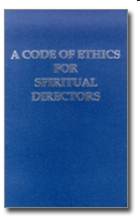 Although there is no governing body overseeing and monitoring spiritual directors, there is a code of ethics we work by. Developed in the early 1990’s by spiritual directors who were also working in confidential helping professions such as social work, therapy, pastoral counseling and pastoral ministry, this code is found in an inexpensive booklet by Dove Publications called A Code of Ethics for Spiritual Directors.
This booklet is mandatory reading and study for anyone working as a spiritual director. But it is also helpful for people receiving spiritual direction because it can help you know what your rights are and what responsibilities spiritual directors hold when they invite you into a direction relationship. Perusing this booklet will also help you understand when your director sets necessary boundaries on the relationship—such as why he or she might not accept invitations you offer to social events or friendly get-togethers. Spiritual directors are taught—by the code of ethics—that dual or multiple relationships with a client can be detrimental to the primary relationship of spiritual direction. It is usually preferable for a spiritual director in your life to have only one role with you—spiritual director. Although they may make an exception for a special life event, they are advised by the code of ethics to “carefully evaluate” any mixing of roles. Any covert or overt intimacy, especially of a sexual or romantic nature, is absolutely prohibited.
Ethically speaking, spiritual directors are like other healers. Our motto is “above all, do no harm.” That is why confidentiality is so important. What you share in spiritual direction should never come back to you by way of another person. Spiritual directors are advised to be in supervision so that they take anonymous “case studies” to a trained supervisor for discussion about the director’s growth as a director but those supervisors will not know who the directee is nor will they be sharing information in that supervision session with anyone else.
The Code of Ethics also covers important information about how an initial session may go, the difference between spiritual direction and other helping professions, how to make referrals, how to end a spiritual direction relationship and the importance of self-care for the spiritual director.
It ends with a caveat worth repeating. “The binding force behind this code comes not from words on paper, but from each spiritual director’s ever-developing relationship with God. No one of us may live up to all that is written here—bit, if we err, let it be on the side of love.” (p16).
For more about spiritual direction as I practice it, check out my website. If you have questions or comments about the content of Spiritual Direction 101, please let me hear from you in the reply section below.
Previous Post

February 4, 2013
Your First Session
Next Post
February 18, 2013 Your rights in spiritual direction
Browse Our Archives
Select a Category Advent angels Anne Lamott Christmas church leadership clergy contemplation contemplative Christianity Desert Fathers and Mothers discernment election evangelicalism faith freedom guru healing interfaith dialogue Lent love Martin Luther King Jr media mind body spirit mystic Nativity nature new year's resolutions parables peace pluralism prayer prayer practices religious diversity resurrection Rules for Prayer Rumi saints sexual abuse spirit spiritual direction spiritual discernment spiritual mentor spiritual path spirituality stewardship Super Bowl terrorism theology transgender Uncategorized violence visioning vocation
Select a Month February 2026 December 2025 October 2025 September 2025 August 2025 July 2025 June 2025 May 2025 January 2025 December 2024 November 2024 October 2024 September 2024 August 2024 June 2024 May 2024 March 2024 February 2024 December 2023 July 2023 March 2023 February 2023 January 2023 September 2022 August 2022 June 2022 May 2022 April 2022 February 2022 January 2022 December 2021 October 2021 September 2021 July 2021 April 2021 March 2021 February 2021 January 2021 December 2020 November 2020 October 2020 August 2020 July 2020 June 2020 May 2020 April 2020 March 2020 February 2020 November 2019 October 2019 September 2019 August 2019 July 2019 June 2019 May 2019 April 2019 March 2019 January 2019 December 2018 November 2018 October 2018 September 2018 August 2018 July 2018 June 2018 May 2018 April 2018 March 2018 January 2018 December 2017 November 2017 October 2017 September 2017 August 2017 July 2017 June 2017 May 2017 April 2017 March 2017 February 2017 January 2017 December 2016 November 2016 October 2016 September 2016 August 2016 July 2016 June 2016 May 2016 March 2016 February 2016 January 2016 December 2015 November 2015 October 2015 September 2015 August 2015 July 2015 June 2015 May 2015 April 2015 March 2015 February 2015 January 2015 December 2014 November 2014 June 2014 May 2014 April 2014 March 2014 February 2014 December 2013 November 2013 October 2013 August 2013 July 2013 June 2013 May 2013 April 2013 February 2013 January 2013 December 2012 November 2012 October 2012 September 2012 August 2012 July 2012 June 2012
Follow Us!
TAKE THE
Religious Wisdom Quiz
In Colossians, Paul says that Christ is the head of what?
Select your answer to see how you score.
The believers All creation The body, the church The apostles
Related posts from Spiritual Direction 101

Finding the Right Spiritual Direction Training Program

How Many Before Mary? An Advent Tale of...

Thinking vs. Feeling: What's the big deal?

Visit from an unexpected Spirit Messenger
TRENDING AT PATHEOS General Christian

The Pillar of the Boatmen: the Ancient Monument...
The Pillar of the Boatmen is a Romano-Gaulish sculpture that dates from...

In one sense walking into Westminster Abbey is like walking down the...

'Super Scam Me' Exposes AI Jon Bon Jovi...
Leslie Pickett believed she was in a relationship with Jon Bon Jovi....

The Brazilian Remake of Kendricks' 'Flywheel' Opens in...
“Flywheel,” the story that launched the Kendrick Brothers’ filmmaking career is getting...

The Dangers of Gradual Accommodation (Winking at Sin)
Recently, the “law of gradualness” resurfaced during the opening of a weeklong,...

The Iron Gates and the Lion of the...
Yesterday, I didn't finish my report about, well, yesterday. So I'll...
view all General Christian blogs
Ad-Free & Subscriber Log-In Subscription Support
- About Us
- 2026 Calendar
- Videos
- Podcasts
- Library of World Religions
- Faith In Media Tracker
- Advertise With Us
- Write for Us
- Privacy Policy
- Terms of Service
- Do Not Sell My Data
- Contact Us
- Radiant Digital
- Manage Newsletter Subscriptions
- Unsubscribe From Notifications
- Sitemap
Copyright 2008-2026, Patheos. All rights reserved.
Subscription Support Ad-Free & Subscriber Log-In
Follow Patheos