
BuddhistCatholicContemplativeEvangelicalGeneral ChristianHinduJewishLatter-day SaintMuslimNew VisionsProgressive Christian
Beliefs
- Buddhist
- Catholic
- Contemplative
- Evangelical
- General Christian
- Hindu
- Jewish
- Latter-day Saint
- More Voices
- Muslim
- New Visions
- Pagan
- Progressive Christian
Topics
- Religion News
- Food and Religion
- Sports and Religion
- Religious Art
- Religious Music and Entertainment
- Religious Events
- History and Religion
- Style and Religion
- Politics and Religion
- Women in Religion
- Recreation Outdoors and Religion
- Business Finance and Religion
- Careers Workplace and Religion
- Education and Religion
- Family Parenting and Religion
- Health Fitness and Religion
- Home and Religion
- Relationships and Religion
- Technology and Religion
- Travel and Religion
Columnists
- Buddhist Columnists
- Business Finance and Religion Columnists
- Careers Workplace and Religion Columnists
- Catholic Columnists
- Contemplative Columnists
- Education and Religion Columnists
- Evangelists Columnists
- Family Parenting and Religion Columnists
- General Christian Columnists
- Health Fitness and Religion Columnists
- Hindu Columnists
- History and Religion Columnists
- Home and Religion Columnists
- Jewish Columnists
- More Voices Columnists
- Latter Day Columnists
- Muslim Columnists
- New Visions Columnists
- Nonreligious Columnists
- Pagan Columnists
- Politics and Religion Columnists
- Progressive Columnists
- Recreation Outdoors and Religion Columnists
- Relationships and Religion Columnists
- Religion News Columnists
- Religious Art Columnists
- Religious Events Columnists
- Religious Music and Entertainment Columnists
- Sports and Religion Columnists
- Style and Religion Columnists
- Technology and Religion Columnists
- Travel and Religion Columnists
- Women in Religion Columnists
Resource Library
- 2026 Calendar
- Library of World Religions
- The 100 Most Holy Places on Earth
- Patheos Answers
- Podcasts
- Videos
- Faith Leaders Database
- Anglican Episcopalian
- Bahai
- Baptist
- Buddhism
- Christianity
- Confucianism
- Eastern Orthodoxy
- Hinduism
- Holiness and Pentecostal
- ISKCON
- Islam
- Judaism
- Lutheran
- Methodist
- The Church of Jesus Christ of Latter-day Saints
- New Age
- Paganism
- Presbytarian and Reformed
- Protestantism
- Religion Behind the Scenes
- Roman Catholic
- Scientology
- Shia Islam
- Sikhism
- Sufism
- Sunni Islam
- Taoism
- Zen
- See all religions
Research Tools
 Ad-Free & Subscriber Log-In Subscription Support
Ad-Free & Subscriber Log-In Subscription Support
Follow Patheos 

- Trending:
- Forgiveness
- |
- Marriage
- |
- Consciousness
- |
- Death Penalty
- |
- Election
- |
- Halloween
 spiritchatter
- Home
- Progressive Christian
- Hurricane Heroes and the Book of Exodus
Hurricane Heroes and the Book of Exodus
Last updated on: August 25, 2017 at 3:25 pm by Jack Levison
Hurricane Heroes and the Book of Exodus 2017-08-25T15:25:58-07:00 Jack Levison
Patheos Explore the world's faith through different perspectives on religion and spirituality! Patheos has the views of the prevalent religions and spiritualities of the world.
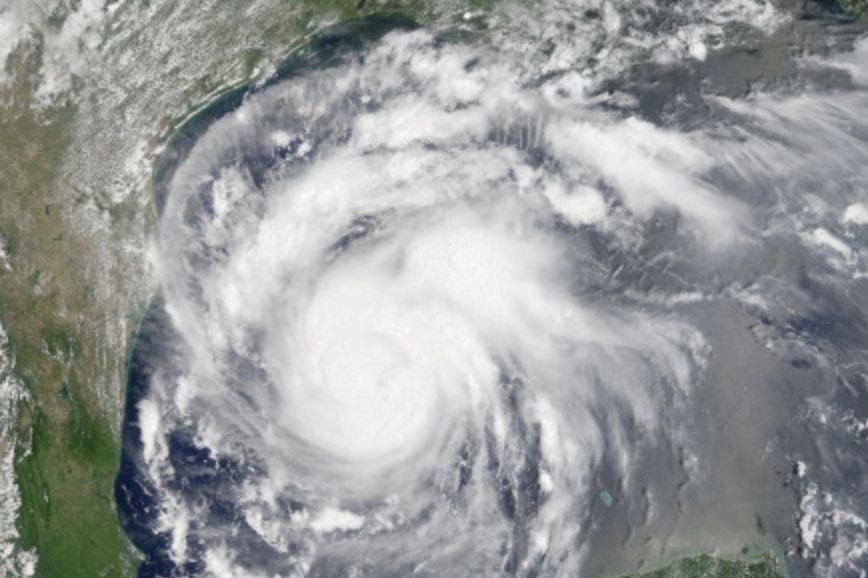 With Hurricane Harvey barreling down on the Texas coast, with Galvestonians and Houstonians making their exodus north, I’m struck by the irony of this week’s lectionary text. The focus? The Nile River, which was famous for the floods that fueled the fertility of the famed Nile River Valley and fed the Nile delta.
Many of the good people of St. Paul’s United Methodist Church, who support the podcast that accompanies this post, are on their way north, fleeing the coast. Maybe some of them will listen in their cars. Others will be worried about where to stay, what will come of their homes, what next week will look like along the Texas coast.
In the news over the weekend, we will hear of hurricane heroes. Unnamed men and women, children, too, I imagine, who do remarkable things for other people, for strangers, for the desolate and destitute. I imagine, too, that some of those heroes will be undocumented workers, refugees, babysitters, Wal-Mart clerks, and MacDonald’s cooks.
In today’s lectionary, with the exception of a princess—though she has her own story to tell—these are the heroes who change the shape of history.
Moses’ mother
The first is Moses’ mother. Charged to kill her child by throwing him into the Nile River (Pharaoh in the story is hardly imaginative) she does precisely that—almost. She does put her child into the Nile but only after she has built him a miniature Noah’s ark, sealed with pitch, a small basket-boat that will save his young life and change the world as we know it.
Moses’ mother simultaneously obeyed and resisted. She embodied what Martin Luther King Jr. called creative maladjustment. Pinned in by a politics of oppression, Moses’ mother resisted while complying. This is the option available to the oppressed in the midst of a harsh, unyielding powerful nation.
We should not despise them for their creative maladjustment. We should applaud them.
Moses’ sister
Like mother, like daughter. Moses’ sister followed her baby brother along the Nile until she could see he was well cared for. Such daring. Such mettle. No badge of courage for Miriam. No trophy for participation. Just the sort of temerity that would lead her, one day, to dance and sing on the opposite side of the Sea, with the Egyptian army thrown into disarray.
Pharaoh’s daughter
A woman of privilege, if not freedom, Pharaoh’s daughter lifts the baby from his basket and takes him home, where she raises him under the nose of Pharaoh. Courage can find a home among the elite, this story tells us.
The bathing princess took pity on the baby when she heard him cry. This Hebrew word is used of sparing someone in battle. Pharaoh’s daughter spared Moses. Why? Because he cried.
In short order, just a chapter or two later in the book of Exodus, we will learn that God responded to Israel because Israel cried. “I have observed the misery of my people who are in Egypt,” God tells Moses. “I have heard their cry on account of their taskmasters. Indeed, I know their sufferings, and I have come down to deliver them from the Egyptians” (Exodus 3:7-8).
Interesting, isn’t it, to notice the parallel between the words of God and the work of this woman? Who presages the power of God? An Egyptian princess. An outsider. A foreigner foreshadows the act of God.
The midwives
Finally, the midwives. Triply oppressed.
- Foreigners.
- Women.
- Women without children in a culture that accorded status based upon childbearing.
Pharaoh commands the midwives to kill all Israelite baby boys.
They don’t. They won’t.
Instead they offer the sort of resistance to power that most of us can only imagine. They lie to Pharaoh. In fact, they put the lie to Pharaoh’s pretense to power.
They tell Pharaoh that Israelite women aren’t dainty, like Egyptian ones. They pop those buggers out before the midwives can get there and throw the newborns into the river.
With this wonderful lie, they show the ignorance of those in power. Pharaoh, the son of God, the ruler of a massive and magnificent empire, hasn’t got a clue how babies get born. Otherwise, he would have thrown a fit—or the book at them. He doesn’t need to know; he’s busy making the world run.
So the midwives lie—and put the lie to his knowledge. He may know how to run an empire, but he has never experienced a baby drop into his palms.
Creative maladjustment. Again.
Hurricane heroes
Those who hold the power do not need to be creative. Only those who wish to wrest power from them do. And in this story, the creatively maladjusted are women, all of them. Many are slave women. Some are slave women who could not even produce their own babies so were forced to deliver others’.
These are the heroes of the story. The compassionate elite. The refugees. The refuse. The slave-women.
Previous Post
August 18, 2017
Beneath the Headlines: Another Presidential Committee Ups and Quits
Browse Our Archives
Select a Category Uncategorized
Select a Month August 2017 July 2017 June 2017 March 2017 February 2017 February 2016 December 2015 September 2015 August 2015 June 2015 May 2015 February 2015 January 2015 December 2014 November 2014 October 2014 September 2014 August 2014 July 2014 June 2014 May 2014 April 2014 March 2014 February 2014 January 2014 December 2013 November 2013 October 2013 September 2013 August 2013 July 2013 June 2013 May 2013
Follow Us!
TAKE THE
Religious Wisdom Quiz
Which Christian group is known for speaking in tongues?
Select your answer to see how you score.
Methodist Baptist Catholic Pentecostal
Related posts from spiritchatter

The Summer of '17: Jacob's Ladder and Esau's...

The Summer of '17: a Summer of Trysts...


Is Christian Higher Education Dead? The Debate Continues
TRENDING AT PATHEOS Progressive Christian

What Being a Modern-Day Apostle Means to Me
In my last column, I discussed the ins and outs of modern-day...

Did Ancient China Once Worship the God of...
Across human history, a common thread weaves through the origins of the...

Love Your Neighbor – Including Earth-Kin: Lev. 19,...
God’s command to love your neighbor means acting in an ethical and...

Lead a Church Study of “Jesus and Lao...
Guest writer Jack Thomas (The Irreverent Reverend) reflects on leading his church...

Pastoral Wisdom for Responding to Sermon Pushback
Getting sermon pushback on your social justice sermon? Learn practical, Proverbs-based strategies...

Principles for Understanding the Apostolic Ministry Today
Whenever people discover that my formal ministry title is "apostle," as in...
view all Progressive Christian blogs
Ad-Free & Subscriber Log-In Subscription Support
- About Us
- 2026 Calendar
- Videos
- Podcasts
- Library of World Religions
- Faith In Media Tracker
- Advertise With Us
- Write for Us
- Privacy Policy
- Terms of Service
- Do Not Sell My Data
- Contact Us
- Radiant Digital
- Manage Newsletter Subscriptions
- Unsubscribe From Notifications
- Sitemap
Copyright 2008-2026, Patheos. All rights reserved.
Subscription Support Ad-Free & Subscriber Log-In
Follow Patheos