
BuddhistCatholicContemplativeEvangelicalGeneral ChristianHinduJewishLatter-day SaintMuslimNew VisionsProgressive Christian
Beliefs
- Buddhist
- Catholic
- Contemplative
- Evangelical
- General Christian
- Hindu
- Jewish
- Latter-day Saint
- More Voices
- Muslim
- New Visions
- Pagan
- Progressive Christian
Topics
- Religion News
- Food and Religion
- Sports and Religion
- Religious Art
- Religious Music and Entertainment
- Religious Events
- History and Religion
- Style and Religion
- Politics and Religion
- Women in Religion
- Recreation Outdoors and Religion
- Business Finance and Religion
- Careers Workplace and Religion
- Education and Religion
- Family Parenting and Religion
- Health Fitness and Religion
- Home and Religion
- Relationships and Religion
- Technology and Religion
- Travel and Religion
Columnists
- Buddhist Columnists
- Business Finance and Religion Columnists
- Careers Workplace and Religion Columnists
- Catholic Columnists
- Contemplative Columnists
- Education and Religion Columnists
- Evangelists Columnists
- Family Parenting and Religion Columnists
- General Christian Columnists
- Health Fitness and Religion Columnists
- Hindu Columnists
- History and Religion Columnists
- Home and Religion Columnists
- Jewish Columnists
- More Voices Columnists
- Latter Day Columnists
- Muslim Columnists
- New Visions Columnists
- Nonreligious Columnists
- Pagan Columnists
- Politics and Religion Columnists
- Progressive Columnists
- Recreation Outdoors and Religion Columnists
- Relationships and Religion Columnists
- Religion News Columnists
- Religious Art Columnists
- Religious Events Columnists
- Religious Music and Entertainment Columnists
- Sports and Religion Columnists
- Style and Religion Columnists
- Technology and Religion Columnists
- Travel and Religion Columnists
- Women in Religion Columnists
Resource Library
- 2026 Calendar
- Library of World Religions
- The 100 Most Holy Places on Earth
- Patheos Answers
- Podcasts
- Videos
- Faith Leaders Database
- Anglican Episcopalian
- Bahai
- Baptist
- Buddhism
- Christianity
- Confucianism
- Eastern Orthodoxy
- Hinduism
- Holiness and Pentecostal
- ISKCON
- Islam
- Judaism
- Lutheran
- Methodist
- The Church of Jesus Christ of Latter-day Saints
- New Age
- Paganism
- Presbytarian and Reformed
- Protestantism
- Religion Behind the Scenes
- Roman Catholic
- Scientology
- Shia Islam
- Sikhism
- Sufism
- Sunni Islam
- Taoism
- Zen
- See all religions
Research Tools
 Ad-Free & Subscriber Log-In Subscription Support
Ad-Free & Subscriber Log-In Subscription Support
Follow Patheos 

- Trending:
- Forgiveness
- |
- Marriage
- |
- Consciousness
- |
- Death Penalty
- |
- Election
- |
- Halloween
 spiritchatter
- Home
- Progressive Christian
- Thankful Thanksgiving, Black and Blue Saints
Thankful Thanksgiving, Black and Blue Saints
Last updated on: November 28, 2013 at 10:05 am by Jack Levison
Thankful Thanksgiving, Black and Blue Saints 2013-11-28T10:05:28-08:00 Jack Levison
Patheos Explore the world's faith through different perspectives on religion and spirituality! Patheos has the views of the prevalent religions and spiritualities of the world.
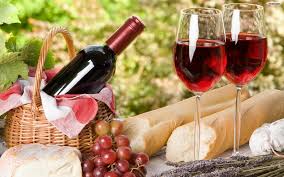 The Greek word, eucharistia, from which we get the English word, eucharist—the breaking of bread and drinking of wine—means, at its core, thanksgiving. Today, as you eat and drink, remember that you are participating in a sacred feast. Every meal is a eucharist—a cause to give thanks—today, especially.
The lines between sacred and secular, between mere food and sacred feast, are blurred in our earliest Christian records. Shortly after Pentecost, the birth of the church, the earliest followers of Jesus gathered for the “breaking of bread” (Acts 2:42). It’s not clear what exactly this means. Maybe the earliest Christians met for communion or the eucharist. Maybe they met for meals. Or maybe they gathered for some combination—hearty meals that included the bread and the wine, which seems to have been the custom in the port city of Corinth.
Toward the end of the book of Acts, we see again the blurring of sacred and secular lines, when bread becomes divine blessing. Paul is about to be shipwrecked. The night before the sailors and citizens of Rome will float away on broken boards, they eat a final meal. Notice how evocatively Luke tells the story:
Just before daybreak, Paul urged all of them to take some food, saying, ‘Today is the fourteenth day that you have been in suspense and remaining without food, having eaten nothing. Therefore I urge you to take some food, for it will help you survive; for none of you will lose a hair from your heads.’ After he had said this, he took bread; and giving thanks [eucharistesen] to God in the presence of all, he broke it and began to eat. Then all of them were encouraged and took food for themselves. (Acts 27:33-36)
Paul prefaces this meal with sacred words even though his community, his church, his sailing synagogue, sort of, is as secular as the good Lord makes them. Yet this motley crew (literally: a motley sailing crew), too, participates in the eucharist—in thanksgiving.
My family has a tradition we practice at meals when we are all together, which doesn’t happen very often, with a daughter about to graduate from college in Texas and a son about to graduate from high school here at home in Seattle. Still, we keep it up. Each of us says one thing we are thankful for. Then we say a prayer we found 22 years or so ago in a children’s prayer book:
God pushed up the mountains,
God rolled out the sea,
God painted the sky,
And then God made me.
Not the deepest prayer our kids will ever pray (I hope). But it is preceded by thanks and followed by a meal—and, therefore, it is a eucharistic prayer, an expression of gratitude, preface to a thanksgiving feast.
Previous Post
November 11, 2013
Stop giving! We have more than enough!
Next Post
December 12, 2013 Simeon's Song and the Clarity of Christmas
Browse Our Archives
Select a Category Uncategorized
Select a Month August 2017 July 2017 June 2017 March 2017 February 2017 February 2016 December 2015 September 2015 August 2015 June 2015 May 2015 February 2015 January 2015 December 2014 November 2014 October 2014 September 2014 August 2014 July 2014 June 2014 May 2014 April 2014 March 2014 February 2014 January 2014 December 2013 November 2013 October 2013 September 2013 August 2013 July 2013 June 2013 May 2013
Follow Us!
TAKE THE
Religious Wisdom Quiz
I refused to bow to a high official and sat at the king's gate, sparking a genocidal plot. Who am I?
Select your answer to see how you score.
Daniel Nehemiah Mordecai Haman
Related posts from spiritchatter

Hurricane Heroes and the Book of Exodus

The Summer of '17: Jacob's Ladder and Esau's...

The Summer of '17: a Summer of Trysts...

Is Christian Higher Education Dead? The Debate Continues
TRENDING AT PATHEOS Progressive Christian

Why Christians Have a Sacred Duty to Vote:...
The Bible offers strong support for the sacred duty to vote. Here...

What Being a Modern-Day Apostle Means to Me
In my last column, I discussed the ins and outs of modern-day...

Did Ancient China Once Worship the God of...
Across human history, a common thread weaves through the origins of the...

Love Your Neighbor – Including Earth-Kin: Lev. 19,...
God’s command to love your neighbor means acting in an ethical and...

Lead a Church Study of “Jesus and Lao...
Guest writer Jack Thomas (The Irreverent Reverend) reflects on leading his church...

Principles for Understanding the Apostolic Ministry Today
Whenever people discover that my formal ministry title is "apostle," as in...
view all Progressive Christian blogs
Ad-Free & Subscriber Log-In Subscription Support
- About Us
- 2026 Calendar
- Videos
- Podcasts
- Library of World Religions
- Faith In Media Tracker
- Advertise With Us
- Write for Us
- Privacy Policy
- Terms of Service
- Do Not Sell My Data
- Contact Us
- Radiant Digital
- Manage Newsletter Subscriptions
- Unsubscribe From Notifications
- Sitemap
Copyright 2008-2026, Patheos. All rights reserved.
Subscription Support Ad-Free & Subscriber Log-In
Follow Patheos