
BuddhistCatholicContemplativeEvangelicalGeneral ChristianHinduJewishLatter-day SaintMuslimNew VisionsProgressive Christian
Beliefs
- Buddhist
- Catholic
- Contemplative
- Evangelical
- General Christian
- Hindu
- Jewish
- Latter-day Saint
- More Voices
- Muslim
- New Visions
- Pagan
- Progressive Christian
Topics
- Religion News
- Food and Religion
- Sports and Religion
- Religious Art
- Religious Music and Entertainment
- Religious Events
- History and Religion
- Style and Religion
- Politics and Religion
- Women in Religion
- Recreation Outdoors and Religion
- Business Finance and Religion
- Careers Workplace and Religion
- Education and Religion
- Family Parenting and Religion
- Health Fitness and Religion
- Home and Religion
- Relationships and Religion
- Technology and Religion
- Travel and Religion
Columnists
- Buddhist Columnists
- Business Finance and Religion Columnists
- Careers Workplace and Religion Columnists
- Catholic Columnists
- Contemplative Columnists
- Education and Religion Columnists
- Evangelists Columnists
- Family Parenting and Religion Columnists
- General Christian Columnists
- Health Fitness and Religion Columnists
- Hindu Columnists
- History and Religion Columnists
- Home and Religion Columnists
- Jewish Columnists
- More Voices Columnists
- Latter Day Columnists
- Muslim Columnists
- New Visions Columnists
- Nonreligious Columnists
- Pagan Columnists
- Politics and Religion Columnists
- Progressive Columnists
- Recreation Outdoors and Religion Columnists
- Relationships and Religion Columnists
- Religion News Columnists
- Religious Art Columnists
- Religious Events Columnists
- Religious Music and Entertainment Columnists
- Sports and Religion Columnists
- Style and Religion Columnists
- Technology and Religion Columnists
- Travel and Religion Columnists
- Women in Religion Columnists
Resource Library
- 2026 Calendar
- Library of World Religions
- The 100 Most Holy Places on Earth
- Patheos Answers
- Podcasts
- Videos
- Faith Leaders Database
- Anglican Episcopalian
- Bahai
- Baptist
- Buddhism
- Christianity
- Confucianism
- Eastern Orthodoxy
- Hinduism
- Holiness and Pentecostal
- ISKCON
- Islam
- Judaism
- Lutheran
- Methodist
- The Church of Jesus Christ of Latter-day Saints
- New Age
- Paganism
- Presbytarian and Reformed
- Protestantism
- Religion Behind the Scenes
- Roman Catholic
- Scientology
- Shia Islam
- Sikhism
- Sufism
- Sunni Islam
- Taoism
- Zen
- See all religions
Research Tools
 Ad-Free & Subscriber Log-In Subscription Support
Ad-Free & Subscriber Log-In Subscription Support
Follow Patheos 

- Trending:
- Forgiveness
- |
- Marriage
- |
- Consciousness
- |
- Death Penalty
- |
- Election
- |
- Halloween
 spiritchatter
- Home
- Progressive Christian
- Stop giving! We have more than enough!
Stop giving! We have more than enough!
Last updated on: November 11, 2013 at 11:22 am by Jack Levison
Stop giving! We have more than enough! 2013-11-11T11:22:53-08:00 Jack Levison
Patheos Explore the world's faith through different perspectives on religion and spirituality! Patheos has the views of the prevalent religions and spiritualities of the world.
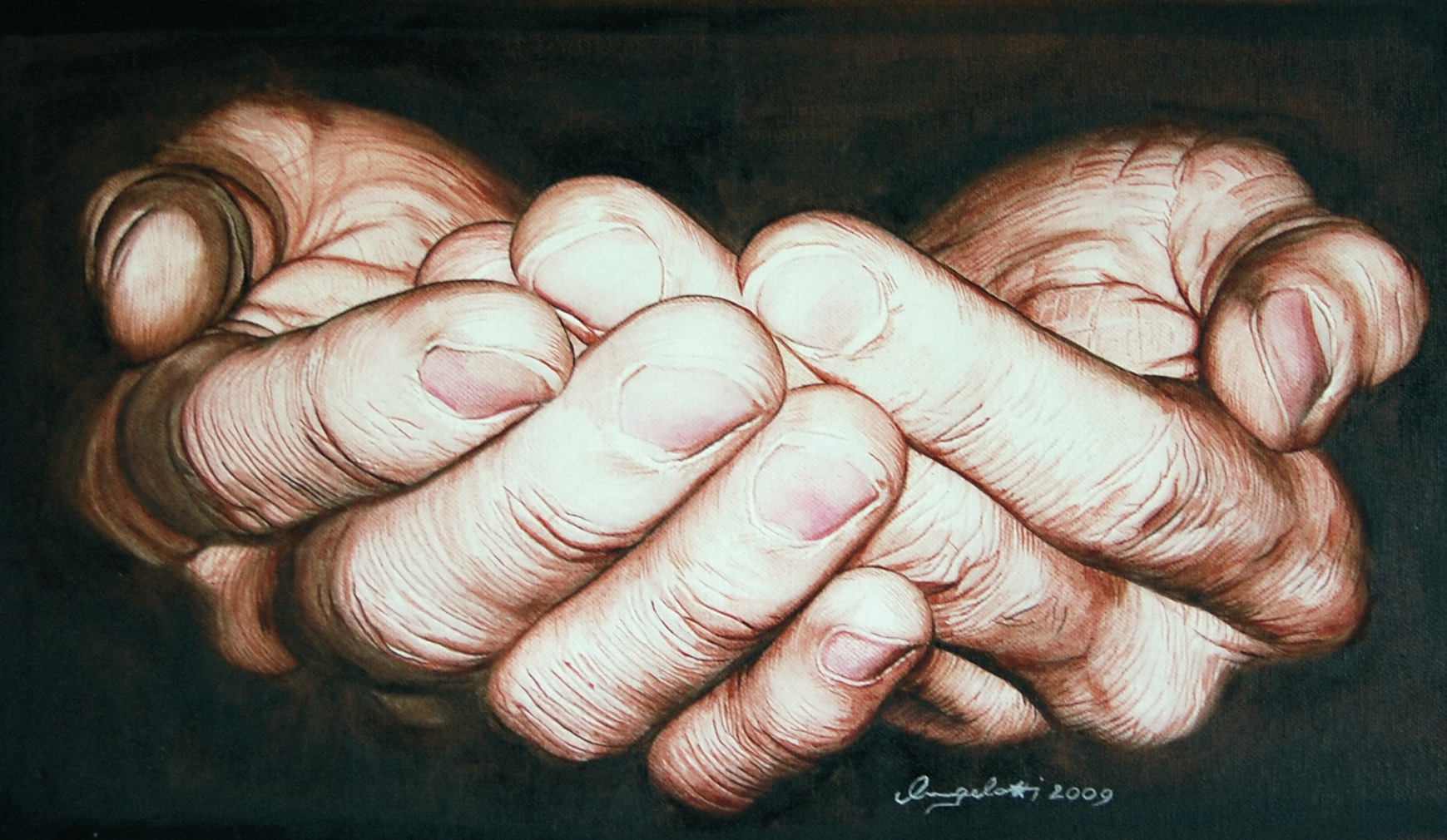 Ever heard a sermon titled, “Stop giving! We have more than enough!”
No?
Me neither.
That’s why the story of the tabernacle in the book of Exodus is entrancing. (No, I’m not kidding. Entrancing.) The tabernacle was a portable tent the Israelites could put up and take down, like an old-fashioned circus tent, a Bedouin bed-and-breakfast, of sorts, for God.
You may not see how entrancing this story is on a first read-through. The instructions on how the tabernacle should be prepared are tedious, a dreary inventory of materials, dry architectural blueprints and detailed plans for interior design—all put in writing (Exodus 25:1-31:11 and 35:4-33). So look again. The level of detail drives home the level of generosity that rose at the foot of Mount Sinai. All of what was made, constructed, woven, sewn, dyed, and overlaid came from the freewill offering—the calloused hands—of those whose hearts prompted them.
Notice that a minister or priest didn’t prompt them with an annual stewardship sermon. A famed preacher didn’t prompt them with constant cajoling. A non-profit charity didn’t prompt them with an endless stream of emails. Constructing the tabernacle wasn’t an obligation, a required task, a guilt trip. The tabernacle was the product of pure human desire:
The LORD said to Moses: Tell the Israelites to take for me an offering; from all whose hearts prompt them to give you shall receive the offering for me. (Exodus 25:1-2).
From gold, silver, linens and leathers, woods, oils, gems, and yarns, Israel made for God “a sanctuary, so that I may dwell among them” (Exodus 25:8). But only those whose hearts prompted them participated.
Nobody else had to because enough ordinary Israelites, run-of-the-mill people, former slaves, couldn’t be kept from bringing freewill offerings “every morning.” In fact, they gave so much that the artisans who did the actual construction told Moses, “The people are bringing much more than enough for doing the work that the LORD has commanded us to do” (Exodus 36:5).
Moses had to do something, and he did what no good leader ever does. He told them to stop giving.
Moses gave command, and word was proclaimed throughout the camp: “No man or woman is to make anything else as an offering for the sanctuary.” So the people were restrained from bringing; for what they had already brought was more than enough to do all the work.
Why this willingness? Why the eagerness to give, to build, to create? Why this moment when the coffers of ex-slaves and wilderness-wanderers were full? Why this protracted instance of sumptuous giving?
Why? Enter God’s spirit. At the heart of this lavish generosity lies leaders full of the spirit, the ruach of God. You probably won’t see all the references to the ruach in English because sometimes the Hebrew phrase “spirit of wisdom” is translated by the word, “skill,” but in the original Hebrew the spirit is there—choreographing, guiding, inspiring. Don’t be fooled by your translations.
Early on in the story, God says to Moses,
And you shall speak to all the wise of heart, whom I have filled with spirit of wisdom. (Exodus 28:3)
Later on, God says,
See, I have called by name Bezalel son of Uri son of Hur, of the tribe of Judah: and I have filled him with spirit of God, with wisdom, intelligence, and knowledge in every kind of craft, to devise artistic designs, to work in gold, silver, and bronze, in cutting stones for setting, and in carving wood, in every kind of craft. (31:1-6)
At the end of the story, the spirit is there again.
See, the LORD has called by name Bezalel son of Uri son of Hur, of the tribe of Judah; the LORD has filled him with (the) spirit of God, with skill, intelligence, and knowledge in every kind of craft, to devise artistic designs, to work in gold, silver, and bronze, in cutting stones for setting, and in carving wood, in every kind of craft. (Exodus 36:30-33)
We learn so much about the spirit—so much that is fresh, unfamiliar, inspiring and different from what we learn in the New Testament story of Pentecost or the list of spiritual gifts in Paul’s letter to the Corinthians or the fruits of the spirit in Paul’s letter to the Galatians. So much, in fact, that I’ve decided to spread out this story over several posts.
For now, today, to get a sense of this scene, imagine walking into synagogue on Saturday or church on Sunday only to find bouncers—big, bullish, Samson-sized men—in the back of the sanctuary, keeping you from bringing your offering. And as you pass the door to the sanctuary, there’s a sign posted with bold letters:
NO MAN OR WOMAN IS TO MAKE ANYTHING ELSE AS AN OFFERING.
Imagine that.
Previous Post

November 1, 2013
Take a P This Week
Next Post

November 28, 2013 Thankful Thanksgiving, Black and Blue Saints
Browse Our Archives
Select a Category Uncategorized
Select a Month August 2017 July 2017 June 2017 March 2017 February 2017 February 2016 December 2015 September 2015 August 2015 June 2015 May 2015 February 2015 January 2015 December 2014 November 2014 October 2014 September 2014 August 2014 July 2014 June 2014 May 2014 April 2014 March 2014 February 2014 January 2014 December 2013 November 2013 October 2013 September 2013 August 2013 July 2013 June 2013 May 2013
Follow Us!
TAKE THE
Religious Wisdom Quiz
Who predicted Babylon's fall?
Select your answer to see how you score.
Daniel Isaiah Jeremiah Ezekiel
Related posts from spiritchatter

Hurricane Heroes and the Book of Exodus

The Summer of '17: Jacob's Ladder and Esau's...

The Summer of '17: a Summer of Trysts...

TRENDING AT PATHEOS Progressive Christian

Why Christians Have a Sacred Duty to Vote:...
The Bible offers strong support for the sacred duty to vote. Here...

What Being a Modern-Day Apostle Means to Me
In my last column, I discussed the ins and outs of modern-day...

Did Ancient China Once Worship the God of...
Across human history, a common thread weaves through the origins of the...

Love Your Neighbor – Including Earth-Kin: Lev. 19,...
God’s command to love your neighbor means acting in an ethical and...

Lead a Church Study of “Jesus and Lao...
Guest writer Jack Thomas (The Irreverent Reverend) reflects on leading his church...

Principles for Understanding the Apostolic Ministry Today
Whenever people discover that my formal ministry title is "apostle," as in...
view all Progressive Christian blogs
Ad-Free & Subscriber Log-In Subscription Support
- About Us
- 2026 Calendar
- Videos
- Podcasts
- Library of World Religions
- Faith In Media Tracker
- Advertise With Us
- Write for Us
- Privacy Policy
- Terms of Service
- Do Not Sell My Data
- Contact Us
- Radiant Digital
- Manage Newsletter Subscriptions
- Unsubscribe From Notifications
- Sitemap
Copyright 2008-2026, Patheos. All rights reserved.
Subscription Support Ad-Free & Subscriber Log-In
Follow Patheos