
BuddhistCatholicContemplativeEvangelicalGeneral ChristianHinduJewishLatter-day SaintMuslimNew VisionsProgressive Christian
Beliefs
- Buddhist
- Catholic
- Contemplative
- Evangelical
- General Christian
- Hindu
- Jewish
- Latter-day Saint
- More Voices
- Muslim
- New Visions
- Pagan
- Progressive Christian
Topics
- Religion News
- Food and Religion
- Sports and Religion
- Religious Art
- Religious Music and Entertainment
- Religious Events
- History and Religion
- Style and Religion
- Politics and Religion
- Women in Religion
- Recreation Outdoors and Religion
- Business Finance and Religion
- Careers Workplace and Religion
- Education and Religion
- Family Parenting and Religion
- Health Fitness and Religion
- Home and Religion
- Relationships and Religion
- Technology and Religion
- Travel and Religion
Columnists
- Buddhist Columnists
- Business Finance and Religion Columnists
- Careers Workplace and Religion Columnists
- Catholic Columnists
- Contemplative Columnists
- Education and Religion Columnists
- Evangelists Columnists
- Family Parenting and Religion Columnists
- General Christian Columnists
- Health Fitness and Religion Columnists
- Hindu Columnists
- History and Religion Columnists
- Home and Religion Columnists
- Jewish Columnists
- More Voices Columnists
- Latter Day Columnists
- Muslim Columnists
- New Visions Columnists
- Nonreligious Columnists
- Pagan Columnists
- Politics and Religion Columnists
- Progressive Columnists
- Recreation Outdoors and Religion Columnists
- Relationships and Religion Columnists
- Religion News Columnists
- Religious Art Columnists
- Religious Events Columnists
- Religious Music and Entertainment Columnists
- Sports and Religion Columnists
- Style and Religion Columnists
- Technology and Religion Columnists
- Travel and Religion Columnists
- Women in Religion Columnists
Resource Library
- 2026 Calendar
- Library of World Religions
- The 100 Most Holy Places on Earth
- Patheos Answers
- Podcasts
- Videos
- Faith Leaders Database
- Anglican Episcopalian
- Bahai
- Baptist
- Buddhism
- Christianity
- Confucianism
- Eastern Orthodoxy
- Hinduism
- Holiness and Pentecostal
- ISKCON
- Islam
- Judaism
- Lutheran
- Methodist
- The Church of Jesus Christ of Latter-day Saints
- New Age
- Paganism
- Presbytarian and Reformed
- Protestantism
- Religion Behind the Scenes
- Roman Catholic
- Scientology
- Shia Islam
- Sikhism
- Sufism
- Sunni Islam
- Taoism
- Zen
- See all religions
Research Tools
 Ad-Free & Subscriber Log-In Subscription Support
Ad-Free & Subscriber Log-In Subscription Support
Follow Patheos 

- Trending:
- Forgiveness
- |
- Marriage
- |
- Consciousness
- |
- Death Penalty
- |
- Election
- |
- Halloween
 The Soul and the City
- Home
- Latter-day Saint
- The Plagues of Egypt, the Demands of Justice, and Religious Freedom
The Plagues of Egypt, the Demands of Justice, and Religious Freedom
Last updated on: January 18, 2018 at 2:02 pm by Savannah Johnston
The Plagues of Egypt, the Demands of Justice, and Religious Freedom 2018-01-18T14:02:58-06:00 Savannah Johnston
Patheos Explore the world's faith through different perspectives on religion and spirituality! Patheos has the views of the prevalent religions and spiritualities of the world.
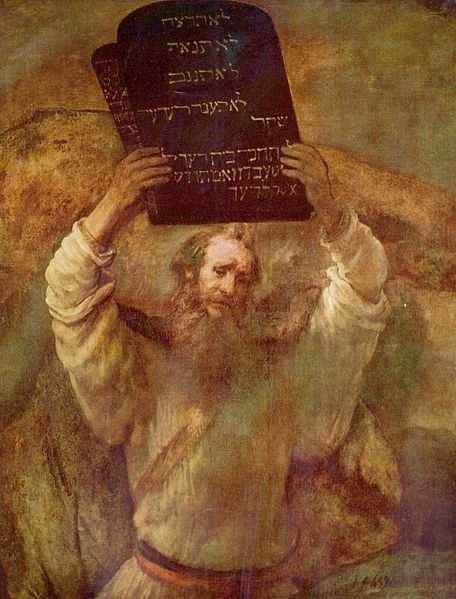
What could possibly have justified the plagues of Egypt, particularly the final plague: the slaughter of each first born male. This is a vexing question for anyone who considers God to be a just and benevolent being. While I do not have the whole answer, I think the context of the story can offer at least a portion of the justification for the plagues.
The traditional story of the exodus of the Israelites from Egypt involves a stuttering Moses petitioning Pharaoh to “let my people go”. Yet this version of the story entirely overlooks the real content of Moses’ petition. Moses did not simply ask Pharaoh to let the people of Israel out of bondage and allow them to permanentely leave Egypt. Rather, Moses asked Pharaoh, or more correctly put, God commanded Pharaoh, to “let my people go, that they may hold a feast unto me in the wilderness” (Exodus 5: 1). God commanded Pharaoh to let the Israelites go three days into the wilderness to sacrifice unto Him. God commanded Pharaoh to allow the Israelites to obey His commandments, lest “he fall upon us with pestilence, or with the sword” (Exodus 5:3). The decision laid before Pharaoh was whether or not to allow the Israelites to practice their religion and obey the commandments of their God. Now this decision had two implications. First, if Pharoah had allowed the Israelites to go and worship their God, he would have been acknowledging that the God of Israel was both real and powerful. Pharaoh would have had to acknowledge, and thereby give honor to, the God of Israel. How could Pharaoh, the great King of Egypt, acknowledge the existence of a God besides those whom he worshipped? To do so in ancient Egypt would be to relinquish some degree of religious, and thus political, power. As for Pontius Pilot, the political costs of an essentially religious question were simply too great for Pharaoh. Second, to approve the request of Moses, Pharaoh would have had to have some concept of religious freedom and moral agency.
By denying Moses’ request, Pharaoh both dishonored the God of Israel and denied the children of Israel their moral agency. Pharaoh not only kept Israel in physical bondage but in moral and religious bondage as well. Moreover, Pharaoh offended God the greater each time that he rejected God’s command after receiving further witness of the power of the God of Israel through a plague. The God of Israel is both a jealous God and fiercely protective of agency. Even God, the mightiest of all, allows man his moral agency. He commands Israel to worship Him; He does not compel Israel to worship Him.
On another level, Pharaoh’s rejection of what we would call ‘religious freedom’ acted as the impetus for the exodus of Israel. His refusal to allow moral agency may play a part in justifying the plagues of Egypt and the departure of Israel. Similar to the way in which the lack of colonial representation in regards to taxation was used to justify the American Revolution, Pharaoh’s rejection of moral agency justified the great exodus of Israel. However, we aren’t dealing with Thomas Jefferson’s notion of justifiable revolution and justice. The story of Israel’s exodus from Egypt deals with eternal law and the justice of God. Ultimately, God is a God of eternal law. He is just. Is agency such an important eternal principle that its violation justified the slaughter of every first born in Egypt? Or did it only justify the exodus of Israel, the political separation of Israel from Egypt? In order for God to be a perfect and just God, the demands of justice must be brought in harmony with the requirements of moral agency during this mortal period. What may have lacked in the justness of the final plague can only be compensated for by the unjustness of Christ’s crucifixion and his justifying atonement. At the very least, it appears that the combination of physical slavery, moral slavery, and Pharaoh’s continual blasphemy against God played some role in justifying the final plague and the exodus of Israel.
by Savannah Johnston
Previous Post

January 10, 2018
Donald Trump, President Monson, and the Times We Live In
Next Post

January 16, 2018 Eve's Agency
Browse Our Archives
Select a Category Uncategorized
Select a Month May 2018 March 2018 February 2018 January 2018 December 2017 September 2016 August 2016 June 2016 May 2016 March 2016 February 2016 January 2016 December 2015 May 2015 March 2015 February 2015 January 2015 December 2014 November 2014 October 2014 September 2014
Follow Us!
TAKE THE
Religious Wisdom Quiz
What does the Bible say about giving?
Select your answer to see how you score.
God loves a cheerful giver Only give under pressure Give to get rich Never give
Related posts from The Soul and the City


Vulgar Elitism & Empty Populism
TRENDING AT PATHEOS Latter-day Saint

Did Prayer Cure His Cancer? Or Was It...
At 4 AM one morning, Joshua W. Brown’s wife awoke to a...

8 Ways a Near-Death Experience Rewires the Soul
Does Consciousness Survive Physical Death? After 50 Years of Research, Dr. Raymond...

Holy Longing: What Our Restlessness Is Telling Us
“One can find so many pains when the rain is falling.” -John...

What this is NOT about. This blog is definitely not about...

Who said the Israelites were God’s chosen? That’s right, they did. Who...

The Spirit World Is the Real World: God...
A Monk’s Wisdom on Body and Spirit I sit with Brother Martin...
view all Latter-day Saint blogs
Ad-Free & Subscriber Log-In Subscription Support
- About Us
- 2026 Calendar
- Videos
- Podcasts
- Library of World Religions
- Faith In Media Tracker
- Advertise With Us
- Write for Us
- Privacy Policy
- Terms of Service
- Do Not Sell My Data
- Contact Us
- Radiant Digital
- Manage Newsletter Subscriptions
- Unsubscribe From Notifications
- Sitemap
Copyright 2008-2026, Patheos. All rights reserved.
Subscription Support Ad-Free & Subscriber Log-In
Follow Patheos