
BuddhistCatholicContemplativeEvangelicalGeneral ChristianHinduJewishLatter-day SaintMuslimNew VisionsProgressive Christian
Beliefs
- Buddhist
- Catholic
- Contemplative
- Evangelical
- General Christian
- Hindu
- Jewish
- Latter-day Saint
- More Voices
- Muslim
- New Visions
- Pagan
- Progressive Christian
Topics
- Religion News
- Food and Religion
- Sports and Religion
- Religious Art
- Religious Music and Entertainment
- Religious Events
- History and Religion
- Style and Religion
- Politics and Religion
- Women in Religion
- Recreation Outdoors and Religion
- Business Finance and Religion
- Careers Workplace and Religion
- Education and Religion
- Family Parenting and Religion
- Health Fitness and Religion
- Home and Religion
- Relationships and Religion
- Technology and Religion
- Travel and Religion
Columnists
- Buddhist Columnists
- Business Finance and Religion Columnists
- Careers Workplace and Religion Columnists
- Catholic Columnists
- Contemplative Columnists
- Education and Religion Columnists
- Evangelists Columnists
- Family Parenting and Religion Columnists
- General Christian Columnists
- Health Fitness and Religion Columnists
- Hindu Columnists
- History and Religion Columnists
- Home and Religion Columnists
- Jewish Columnists
- More Voices Columnists
- Latter Day Columnists
- Muslim Columnists
- New Visions Columnists
- Nonreligious Columnists
- Pagan Columnists
- Politics and Religion Columnists
- Progressive Columnists
- Recreation Outdoors and Religion Columnists
- Relationships and Religion Columnists
- Religion News Columnists
- Religious Art Columnists
- Religious Events Columnists
- Religious Music and Entertainment Columnists
- Sports and Religion Columnists
- Style and Religion Columnists
- Technology and Religion Columnists
- Travel and Religion Columnists
- Women in Religion Columnists
Resource Library
- 2026 Calendar
- Library of World Religions
- The 100 Most Holy Places on Earth
- Patheos Answers
- Podcasts
- Videos
- Faith Leaders Database
- Anglican Episcopalian
- Bahai
- Baptist
- Buddhism
- Christianity
- Confucianism
- Eastern Orthodoxy
- Hinduism
- Holiness and Pentecostal
- ISKCON
- Islam
- Judaism
- Lutheran
- Methodist
- The Church of Jesus Christ of Latter-day Saints
- New Age
- Paganism
- Presbytarian and Reformed
- Protestantism
- Religion Behind the Scenes
- Roman Catholic
- Scientology
- Shia Islam
- Sikhism
- Sufism
- Sunni Islam
- Taoism
- Zen
- See all religions
Research Tools
 Ad-Free & Subscriber Log-In Subscription Support
Ad-Free & Subscriber Log-In Subscription Support
Follow Patheos 

- Trending:
- Forgiveness
- |
- Marriage
- |
- Consciousness
- |
- Death Penalty
- |
- Election
- |
- Halloween
 Slow Church
- Home
- Progressive Christian
- Slow Reading?
Slow Reading?
Last updated on: August 7, 2012 at 7:49 am by Christopher Smith
Slow Reading? 2012-08-07T07:49:48-05:00 Christopher Smith
Patheos Explore the world's faith through different perspectives on religion and spirituality! Patheos has the views of the prevalent religions and spiritualities of the world.
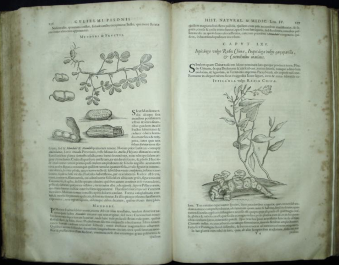 Last week I wrote an article recommending poetry as one way to help us slow down in our ever-accelerating world. This piece, “In Defense of Poetry,” was published yesterday on RELEVANT magazine’s website. (and giving credit where credit is due, this piece was inspired by Phil Kenneson’s excellent talk at the Ekklesia Project gathering last month, on which I hope to do a series of reflections here in the near future).
But my editor at RELEVANT stuck a little tagline on my article that contains a thought that I cannot get out of my head: “With all the Slow Movements picking up steam, maybe it’s time to consider Slow Reading.” Slow Reading? Yes, that’s it! In those two words were captured the essence of what we have been trying to nurture over the last five years with The Englewood Review of Books (and particularly within church communities) .
I’m working on a short essay imagining what a Slow Reading movement might look like. I’m going to throw a few thoughts onto the table here, and I’d love for you to engage/critique them and add your own…
Not surprisingly there are others out there who have already been using the Slow Reading terminology. Most notably, John Miedema, who has written a short book entitled Slow Reading. I’m generally encouraged by the direction that Miedema’s work is going: praising “the benefits of reflective reading.”
With the caveat that I have not yet read Miedema’s book (or Thomas Newkirk’s more recent The Art of Slow Reading), what I don’t sense strongly in the reviews and conversation about these books, is the recovery of a CULTURE of the book, just as the Slow Food movement advocates for a parallel culture of the table, a place around which we gather and share together. It seems like the Abrahamic religious traditions (and maybe other faith traditions as well?) have much to contribute to the social dynamics of Slow Reading. The Judaic tradition of midrash, is a Slow Reading practice that creates a conversational culture around the text. Similarly, the Christian tradition of Lectio Divina, which originated in the medieval monasteries, creates its own culture of the book. Although I am less familiar with the history and language of the Islamic tradition, I do know that they have social practices of engaging the Koran.
As with all Slow movements, the main issue is not really speed but fragmentation and disengagement. Slowing down is a means to reconnect (with our food, texts, etc.) and to re-engage.
Our experience here at Englewood Christian Church — e.g., spending over six months working conversationally through a handful of verses in Ephesians 4 or the many months we have taken to read and discuss together books like Bonhoeffer’s Life Together, Gerhard Lohfink’s Jesus and Community, or a couple of Parker Palmer’s most compelling books — is that Slow Reading practices have served to deepen our life together, reconnecting with one another and with the texts — biblical and extra-biblical. Though we are only now stumbling fortuitously into the language, Slow Reading has been the end that we are promoting through The Englewood Review of Books.
I wouldn’t want to confine my concept of Slow Reading to our faith communities, but because of our traditions of being people of the book, I am hopeful that our faith communities can lead the way in demonstrating Slow Reading practices and fomenting a larger Slow Reading movement.
As I said at the outset, I’d love to get your thoughts in the comments below on what a Slow Reading movement might look like and how we might nurture that in our faith communities and beyond.
——–
Image via Wikimedia Commons.

Previous Post

August 2, 2012
Recovering a Politics of Lament in Our Faith Communities
Next Post
August 15, 2012 "Islands of Patience in a World of Speed" [Ekklesia Project Recordings]
Browse Our Archives
Select a Category Abundance Advent Books Community Conferences Conversations Ecology Economics Emergent Eucharist Family Food Gratitude Happenings Health history Hospitality Justice Lent Meditations Neighborhoods News Peace Place Poetry Politics Sabbath Scripture Stories Technology The Table Theology Uncategorized What is Slow Church? Youth
Select a Month January 2017 December 2016 November 2016 March 2016 June 2015 March 2015 February 2015 December 2014 November 2014 October 2014 September 2014 August 2014 July 2014 June 2014 May 2014 April 2014 March 2014 February 2014 January 2014 December 2013 November 2013 October 2013 September 2013 August 2013 July 2013 June 2013 May 2013 April 2013 March 2013 February 2013 January 2013 December 2012 November 2012 October 2012 September 2012 August 2012 July 2012 June 2012 May 2012 April 2012 March 2012 February 2012 January 2012 December 2011 November 2011 October 2011 September 2011
Follow Us!
TAKE THE
Religious Wisdom Quiz
We made a deceptive treaty with Israel by pretending to come from a distant land with moldy bread and worn-out wineskins. Who are we?
Select your answer to see how you score.
The Gibeonites The Amorites The Canaanites The Hivites
Related posts from Slow Church


The Hopeful Politics of "Everyday Attentive Reciprocity"

A Politics of Hope in the Trump Age
An Open Apology to Chris Rock.
TRENDING AT PATHEOS Progressive Christian

Why Christians Have a Sacred Duty to Vote:...
The Bible offers strong support for the sacred duty to vote. Here...

What Being a Modern-Day Apostle Means to Me
In my last column, I discussed the ins and outs of modern-day...

Did Ancient China Once Worship the God of...
Across human history, a common thread weaves through the origins of the...

Love Your Neighbor – Including Earth-Kin: Lev. 19,...
God’s command to love your neighbor means acting in an ethical and...

Lead a Church Study of “Jesus and Lao...
Guest writer Jack Thomas (The Irreverent Reverend) reflects on leading his church...

Principles for Understanding the Apostolic Ministry Today
Whenever people discover that my formal ministry title is "apostle," as in...
view all Progressive Christian blogs
Ad-Free & Subscriber Log-In Subscription Support
- About Us
- 2026 Calendar
- Videos
- Podcasts
- Library of World Religions
- Faith In Media Tracker
- Advertise With Us
- Write for Us
- Privacy Policy
- Terms of Service
- Do Not Sell My Data
- Contact Us
- Radiant Digital
- Manage Newsletter Subscriptions
- Unsubscribe From Notifications
- Sitemap
Copyright 2008-2026, Patheos. All rights reserved.
Subscription Support Ad-Free & Subscriber Log-In
Follow Patheos