
BuddhistCatholicContemplativeEvangelicalGeneral ChristianHinduJewishLatter-day SaintMuslimNew VisionsProgressive Christian
Beliefs
- Buddhist
- Catholic
- Contemplative
- Evangelical
- General Christian
- Hindu
- Jewish
- Latter-day Saint
- More Voices
- Muslim
- New Visions
- Pagan
- Progressive Christian
Topics
- Religion News
- Food and Religion
- Sports and Religion
- Religious Art
- Religious Music and Entertainment
- Religious Events
- History and Religion
- Style and Religion
- Politics and Religion
- Women in Religion
- Recreation Outdoors and Religion
- Business Finance and Religion
- Careers Workplace and Religion
- Education and Religion
- Family Parenting and Religion
- Health Fitness and Religion
- Home and Religion
- Relationships and Religion
- Technology and Religion
- Travel and Religion
Columnists
- Buddhist Columnists
- Business Finance and Religion Columnists
- Careers Workplace and Religion Columnists
- Catholic Columnists
- Contemplative Columnists
- Education and Religion Columnists
- Evangelists Columnists
- Family Parenting and Religion Columnists
- General Christian Columnists
- Health Fitness and Religion Columnists
- Hindu Columnists
- History and Religion Columnists
- Home and Religion Columnists
- Jewish Columnists
- More Voices Columnists
- Latter Day Columnists
- Muslim Columnists
- New Visions Columnists
- Nonreligious Columnists
- Pagan Columnists
- Politics and Religion Columnists
- Progressive Columnists
- Recreation Outdoors and Religion Columnists
- Relationships and Religion Columnists
- Religion News Columnists
- Religious Art Columnists
- Religious Events Columnists
- Religious Music and Entertainment Columnists
- Sports and Religion Columnists
- Style and Religion Columnists
- Technology and Religion Columnists
- Travel and Religion Columnists
- Women in Religion Columnists
Resource Library
- 2026 Calendar
- Library of World Religions
- The 100 Most Holy Places on Earth
- Patheos Answers
- Podcasts
- Videos
- Faith Leaders Database
- Anglican Episcopalian
- Bahai
- Baptist
- Buddhism
- Christianity
- Confucianism
- Eastern Orthodoxy
- Hinduism
- Holiness and Pentecostal
- ISKCON
- Islam
- Judaism
- Lutheran
- Methodist
- The Church of Jesus Christ of Latter-day Saints
- New Age
- Paganism
- Presbytarian and Reformed
- Protestantism
- Religion Behind the Scenes
- Roman Catholic
- Scientology
- Shia Islam
- Sikhism
- Sufism
- Sunni Islam
- Taoism
- Zen
- See all religions
Research Tools
 Ad-Free & Subscriber Log-In Subscription Support
Follow Patheos 

- Trending:
- Advent
- |
- Forgiveness
- |
- Thanksgiving
- |
- Election
- |
- Seasonal Holidays
- |
- Marriage

- Home
- Progressive Christian
- History’s final repose
History’s final repose
Last updated on: May 16, 2026 at 8:23 pm by Fred Clark
History’s final repose 2026-05-16T20:23:28-04:00 Fred Clark
Patheos Explore the world's faith through different perspectives on religion and spirituality! Patheos has the views of the prevalent religions and spiritualities of the world.
I’m feeling encouraged today thinking about the disastrous ending of Game of Thrones.
I sometimes joke that I actually love the ending of that story. Arya kills the Night King and saves the day. The End. Nothing happens after that. But, alas, the story did not end there. Instead, the show kept going, and where it kept going to changed the way we understood everything that came before that ending.
I was prepared for something like that, though, because before I started watching Game of Thrones, I had watched Lost. And years before that, I had watched The X-Files.
So even though I got hooked on Game of Thrones, I was cautious about it. I couldn’t wait to see what happened next and I couldn’t be sure what might happen next — especially after poor Ned Stark lost his head — and every new episode was an event I eagerly anticipated.
But I also remembered the Smoke Monster and the Smoking Man, so I reserved my judgment. I remembered how Lost got lost, and how the threads of the X-Files conspiracy mythology got so tangled that they became meaningless. I had learned that you can’t be sure what to make of a story until you know how the story ends.
So I kept watching Game of Thrones, through all the murder and muck. “As long as they don’t kill the little man or the little girl, I’ll keep watching,” I said. And I did. But I was reserving judgment — reserving trust — until we learned how the story ended, because the end of the story tells us what the story means.
The meaning — or lack of meaning — of the ending shapes how we understand the whole story that came before. A meaningless ending can make the whole thing meaningless. A good ending can redeem what might have otherwise only seemed meaningless.
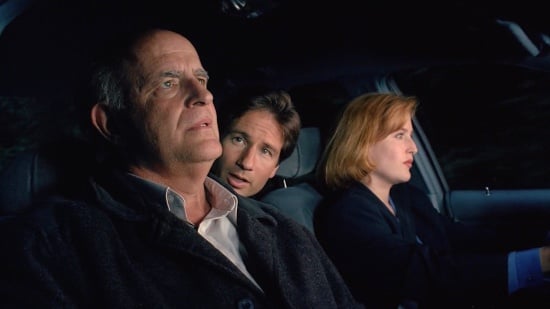
Or, at least, that’s what Clyde Bruckman* came to think.
All of this is a problem for historians, because in a sense they’re trying to tell a story that hasn’t ended yet. They’re trying to tell a story that doesn’t end. And because we cannot know the ending, none of us can ever be sure what to make of it.
Historians can try to get around this problem by taking on smaller, seemingly self-contained little slices of history — smaller chunks that can be addressed as a story with a beginning, a middle, and an end. But “self-contained” turns out to be a frustratingly hard-to-find aspect to most of history.
Think of Taylor Branch’s monumental three-book history of the Civil Rights Movement, America in the King Years. Each thick volume in that Pulitzer Prize-winning trilogy covers a set time — “1954-1963,” “1963-1965,” “1965-1968.” This is a story told from beginning to end. It’s a remarkable, awe-inspiring story, full of heroes and giants and living legends. It is the uplifting story of a nation waking from its slumber to finally grasp the full scope of its creed and its highest ideals, to finally — centuries after its founding — begin to enact laws that would make its Constitution meaningful and its claim to be a democracy something tangible and real.
Branch finished writing his history in 2006. He published an abridged, one-volume edition of his great work in 2013. That came out just before the Roberts Court revised and revoked the meaning of the Constitution with its decision in Shelby County, beginning the dismantling of the Voting Rights Act of 1965 that the corrupt and corrupting court completed this year. The abridged version of the story was upended as soon as it was published.
It turns out the story Branch wrote hadn’t ended yet. And it wouldn’t end the way he thought it did. From where we sit now, we can see that the story did not end in triumph for the movement and for civil rights and for the nation. The story would end later, with a whimper, due to the scrawlings of lawless, unprincipled little men — characterless characters who seem less than the shadows of the great champions of the story Branch thought he was telling.
I’m thinking about all of this today — about the disappointing ending of Game of Thrones, and about “Clyde Bruckman’s Final Repose,” and about America in the King Years — because I just read this article on Matthew Avery Sutton’s new book, Chosen Land: How Christianity Made America and Americans Remade Christianity, a “a 500-year historic survey of Christianity in America.”
Beginning with Native Americans and how they viewed religion as part of their culture, Sutton exposes the “vibrant and diverse” place 15th-century America was before “the Christian invasion began.”
From there, he moves on through early Spanish conquests and missions work and writes about how Christopher Columbus believed God had chosen him as part of fulfilling the Bible’s prophecies of the last days. Sutton explains how Spanish soldiers often justified beating and killing Indigenous men and raping Indigenous women, while at the same time some Franciscan monks complained these acts “‘brought discredit on our teaching.’”
The book concludes with President Donald Trump’s second presidency and how he began “not just as a politician, but a self-anointed messiah.”
… In between these two historical worlds of past and present, Sutton shows how Christians in America rebranded and redefined Christianity to gain followers and influence over the centuries, since America’s founding documents prohibited federally sponsored churches. Each Protestant denomination competed for followers like companies would compete for buyers in the free market.
The book sounds interesting. I haven’t read it — not sure if it’s even out yet — but the discussion of Sutton’s general ideas here is intriguing. Some points in this article I agree with, some less so.
But I also see a very big problem here, an obstacle that every such history ending with “the present” faces.
The present is not the end of the story. The present is the middle of a story that has not yet ended — a story that does not end here.
Go back a hundred years to 1926 and think of a historian writing what would then only be a 400-year “historic survey of Christianity in America.” That book might start just the same as Sutton’s, but it would end with … Calvin Coolidge. It’s easy to see now, in 2026, that the Epoch of Coolidge was not the end of the story. We’re not tempted or misled into viewing 1926 as the apotheosis or culmination or conclusion of all that came before.
But we are tempted and misled into viewing 2026 like that. I just fell into that trap myself, right here, up there where I talked about how the story of the Civil Rights Movement didn’t end in 1968 because it actually ended, again, in 2013, and yet again in 2026.
But now is not the end of that story. Now is just now. That story is still happening. The Second Reconstruction of the King Years may have ended, but we do not and cannot yet know the rest of the story or how what new “endings” and new beginnings are yet to come.
It’s tempting, and depressing, to assume that the story of the Second Reconstruction will parallel the story of the first for another generation. The parallels, so far, are dismayingly close, with the federal government and the Supreme Court playing the same role they played the first time around, abandoning and betraying the promise of full democracy. But that doesn’t mean we’re doomed to generations of the new Plessy regime that John Roberts and Sam Alito dream of imposing.
We are here, and here is Not Good. But here is not the end of the story.
The Age of Trump is not the end of the story of “Christianity in America” any more than the Age of Coolidge was. History always gets renewed for another season. The story keeps going. We can’t wait for the ending to find out what it all means because it doesn’t have an ending that any of us will live to see. (Unless it does, in which case we still won’t.)
“I do not pretend to understand the moral universe,” Theodore Parker said. “The arc is a long one. My eye reaches but little ways. I cannot calculate the curve and complete the figure by experience of sight.”
We cannot see the end of the story, but we can see enough to know that it does not end here. The arc of the moral universe is long, and it does not bend toward Trump.
Again, I appreciate the dilemma for historians like Sutton. Grand sweeping histories have to stop at the present because they can’t go beyond the present. The best they can do is something like Giovanni Villani’s unfinished sentence. “And this plague lasted until _____” Villani wrote in 1348 in his unfinished history of Florence. He left the end date blank so he could fill it in later. He didn’t get a chance to do that because he died from the plague in 1348.
If you’re writing a Nuova Cronica of American Christianity now, it has to end in the middle of the current plague because this is where we are, right now. But the story itself doesn’t end here. This is the present, not the conclusion.
Imagine a grand, sweeping history of music published in 2004. It’s called “From Bach to Bedingfield.” The ending of this story would shape how we understand everything it tells us about the beginning and the middle of that story. Bach, Mozart, Louis Armstrong, Robert Johnson … all would be seen as a path leading inevitably and inexorably toward the 2004 release of Natasha Bedingfield’s breakthrough 2004 album Unwritten.
But as that great poet and chanteuse herself reminds us, that would be a foolish distortion of the story, mistaking one small part of the ongoing story for the ending that gives it meaning. Any one given album or composition or artist is only ever a part of the story, not the ending of it. “Today is where your book begins / The rest is still unwritten.”
Fifty years from now, some historian will write a history of Christianity in America, from Columbus to the present. The Trump years will be a part of that story, but only a part. And that part of the story will appear very different from the way it appears now — different in ways we cannot foresee or imagine. Fifty years from now, another historian will write a new massive history of the Civil Rights Movement. This new branch of history won’t be the end of that story either.
If we trick ourselves into thinking that the present is the end of the story, we’ll never do what we should be doing, which is making sure that those future historians have something really good to write about.
* OK, let’s ruin that allusion by examining its layers. “Clyde Bruckman” is a fictional character played by Peter Boyle in a memorable monster-of-the-week episode of The X-Files. Bruckman is a sad-sack Willy Loman-esque insurance salesman who also happens to be psychic. He knows exactly how everyone he meets is going to die. He knows exactly how he is going to die. This makes him cynical and fatalistic and not very good at selling insurance. Death, as he sees it, is a meaningless ending that makes everyone’s story meaningless. But in the end, he changes his understanding of that. And the end of his story changes how we see the whole story he’s in, reshaping a light comic diversion into something more moving and thoughtful than expected.
Boyle’s character in that story is named after the writer and director of many of the greatest comedies from the silent film era. Clyde Bruckman wrote classic material for W.C. Fields, Buster Keaton, Harold Lloyd, the Three Stooges, and Laurel and Hardy. That epic pie fight in Laurel and Hardy’s Battle of the Century? That was Clyde Bruckman’s handiwork. The real Clyde Bruckman was a funny man. He was also a troubled and traumatized man. He shot himself in the head in the restroom of a restaurant in Santa Monica in 1955, apologizing in his suicide note that “I have no money to pay for a funeral.”
I don’t think Darin Morgan named Boyle’s character “Clyde Bruckman” because he wanted the sad ending of the real Clyde Bruckman’s life to shape how we understand this story he wrote for The X-Files. I think Morgan gave this character that name to challenge the idea that the real Clyde Bruckman’s sad ending defines the full meaning of his life, and to suggest that his story was more beautiful and meaningful than the poor, haunted comedian himself was able to see.
If you or someone you know is in crisis, call or text the 988 Suicide & Crisis Lifeline at 988 for help.
If you or someone you know has never seen “Clyde Bruckman’s Final Repose,” it can be viewed for free (with commercials) on Pluto TV. And then, while you’re there, watch (or re-watch) “Jose Chung’s From Outer Space.” Historians could learn a thing or two from that one too.
Previous Post

May 15, 2026
LBCF: The Longest Day
Next Post

May 18, 2026 Unprecedented corruption and Calvinism
Recent Comments
"A headline, from Business Insider:What smart people are saying about Jensen's resurrectionThe line is located ..."
‘Statements of Faith’ never get shorter
"Season's Shriekings would be fantastic in October."
"Hillsdale is basically a far-right cult and Cedarville is the kind of “university” that hires ..."
‘Statements of Faith’ never get shorter
"Well, she's going to try to ride out the moment, and she'll probably succeed, at ..."
‘Statements of Faith’ never get shorter
Browse Our Archives
Select a Category class warfare evangelicals Iraq Left Behind Mammon music Uncategorized
Select a Month November 2026 October 2026 September 2026 August 2026 July 2026 June 2026 May 2026 April 2026 March 2026 January 2026 December 2025 November 2025 October 2025 September 2025 August 2025 July 2025 June 2025 May 2025 April 2025 March 2025 February 2025 January 2025 December 2024 November 2024 October 2024 September 2024 August 2024 July 2024 June 2024 May 2024 April 2024 March 2024 February 2024 January 2024 December 2023 November 2023 October 2023 September 2023 August 2023 July 2023 June 2023 May 2023 April 2023 March 2023 February 2023 January 2023 December 2022 November 2022 October 2022 September 2022 August 2022 July 2022 June 2022 May 2022 April 2022 March 2022 February 2022 January 2022 December 2021 November 2021 October 2021 September 2021 August 2021 July 2021 June 2021 May 2021 April 2021 March 2021 February 2021 January 2021 December 2020 November 2020 October 2020 September 2020 August 2020 July 2020 June 2020 May 2020 April 2020 March 2020 February 2020 January 2020 December 2019 November 2019 October 2019 September 2019 August 2019 July 2019 June 2019 May 2019 April 2019 March 2019 February 2019 January 2019 December 2018 November 2018 October 2018 September 2018 August 2018 July 2018 June 2018 May 2018 April 2018 March 2018 February 2018 January 2018 December 2017 November 2017 October 2017 September 2017 August 2017 July 2017 June 2017 May 2017 April 2017 March 2017 February 2017 January 2017 December 2016 November 2016 October 2016 September 2016 August 2016 July 2016 June 2016 May 2016 April 2016 March 2016 February 2016 January 2016 December 2015 November 2015 October 2015 September 2015 August 2015 July 2015 June 2015 May 2015 April 2015 March 2015 February 2015 January 2015 December 2014 November 2014 October 2014 September 2014 August 2014 July 2014 June 2014 May 2014 April 2014 March 2014 February 2014 January 2014 December 2013 November 2013 October 2013 September 2013 August 2013 July 2013 June 2013 May 2013 April 2013 March 2013 February 2013 January 2013 December 2012 November 2012 October 2012 September 2012 August 2012 July 2012 June 2012 May 2012 April 2012 March 2012 February 2012 January 2012 December 2011 November 2011 October 2011 September 2011 August 2011 July 2011 June 2011 May 2011 April 2011 March 2011 February 2011 January 2011 December 2010 November 2010 October 2010 September 2010 August 2010 July 2010 June 2010 May 2010 April 2010 March 2010 February 2010 January 2010 December 2009 November 2009 October 2009 September 2009 August 2009 July 2009 June 2009 May 2009 April 2009 March 2009 February 2009 January 2009 December 2008 November 2008 October 2008 September 2008 August 2008 July 2008 June 2008 May 2008 April 2008 March 2008 February 2008 January 2008 December 2007 November 2007 October 2007 September 2007 August 2007 July 2007 June 2007 May 2007 April 2007 March 2007 February 2007 January 2007 December 2006 November 2006 October 2006 September 2006 August 2006 July 2006 June 2006 May 2006 April 2006 March 2006 February 2006 January 2006 December 2005 November 2005 October 2005 September 2005 August 2005 July 2005 June 2005 May 2005 April 2005 March 2005 February 2005 January 2005 December 2004 November 2004 October 2004 September 2004 August 2004 July 2004 June 2004 May 2004 April 2004 March 2004 February 2004 January 2004 December 2003 November 2003 October 2003 September 2003
Follow Us!
TAKE THE
Religious Wisdom Quiz
What does the Hebrew word 'Yahweh' mean?
Select your answer to see how you score.
Eternal King I AM God is Love The Almighty
Related posts from slacktivist
'Statements of Faith' never get shorter
A rough month for the 'Jim Crow theobros'
Long strings of words, ready-made
TRENDING AT PATHEOS Progressive Christian

For many years, Catholicism has been caught up in division over the...

'Statements of Faith' never get shorter
Nothing demonstrates a conservative commitment to faith and faithfulness like a "statement...

Michele's Reviews - Future Grace by John Piper
In God's Place, at God's Pace, by Future Grace Impatience is...

Bama Gramma's Blackout Christmas: the Power of Light...
Another Christmas Skit: I have an alter ego: Bama Gramma. She shows...

Thanksgiving as a Way of Life: A Christian...
Each year, Thanksgiving brings families and friends together to share meals, stories,...

Two Women Doctors Who Went Against the Current
Women physicians who transformed healthcare for "Indians" “I shall have an advantage...
view all Progressive Christian blogs
What Are Your Thoughts?leave a comment
Ad-Free & Subscriber Log-In Subscription Support
- About Us
- 2026 Calendar
- Videos
- Podcasts
- Library of World Religions
- Faith In Media Tracker
- Advertise With Us
- Write for Us
- Privacy Policy
- Terms of Service
- Do Not Sell My Data
- Contact Us
- Radiant Digital
- Manage Newsletter Subscriptions
- Unsubscribe From Notifications
- Sitemap
Copyright 2008-2026, Patheos, part of the Radiant Digital network of media brands. All rights reserved.
Subscription Support Ad-Free & Subscriber Log-In
Follow Patheos