
BuddhistCatholicContemplativeEvangelicalGeneral ChristianHinduJewishLatter-day SaintMuslimNew VisionsProgressive Christian
Beliefs
- Buddhist
- Catholic
- Contemplative
- Evangelical
- General Christian
- Hindu
- Jewish
- Latter-day Saint
- More Voices
- Muslim
- New Visions
- Pagan
- Progressive Christian
Topics
- Religion News
- Food and Religion
- Sports and Religion
- Religious Art
- Religious Music and Entertainment
- Religious Events
- History and Religion
- Style and Religion
- Politics and Religion
- Women in Religion
- Recreation Outdoors and Religion
- Business Finance and Religion
- Careers Workplace and Religion
- Education and Religion
- Family Parenting and Religion
- Health Fitness and Religion
- Home and Religion
- Relationships and Religion
- Technology and Religion
- Travel and Religion
Columnists
- Buddhist Columnists
- Business Finance and Religion Columnists
- Careers Workplace and Religion Columnists
- Catholic Columnists
- Contemplative Columnists
- Education and Religion Columnists
- Evangelists Columnists
- Family Parenting and Religion Columnists
- General Christian Columnists
- Health Fitness and Religion Columnists
- Hindu Columnists
- History and Religion Columnists
- Home and Religion Columnists
- Jewish Columnists
- More Voices Columnists
- Latter Day Columnists
- Muslim Columnists
- New Visions Columnists
- Nonreligious Columnists
- Pagan Columnists
- Politics and Religion Columnists
- Progressive Columnists
- Recreation Outdoors and Religion Columnists
- Relationships and Religion Columnists
- Religion News Columnists
- Religious Art Columnists
- Religious Events Columnists
- Religious Music and Entertainment Columnists
- Sports and Religion Columnists
- Style and Religion Columnists
- Technology and Religion Columnists
- Travel and Religion Columnists
- Women in Religion Columnists
Resource Library
- 2026 Calendar
- Library of World Religions
- The 100 Most Holy Places on Earth
- Patheos Answers
- Podcasts
- Videos
- Faith Leaders Database
- Anglican Episcopalian
- Bahai
- Baptist
- Buddhism
- Christianity
- Confucianism
- Eastern Orthodoxy
- Hinduism
- Holiness and Pentecostal
- ISKCON
- Islam
- Judaism
- Lutheran
- Methodist
- The Church of Jesus Christ of Latter-day Saints
- New Age
- Paganism
- Presbytarian and Reformed
- Protestantism
- Religion Behind the Scenes
- Roman Catholic
- Scientology
- Shia Islam
- Sikhism
- Sufism
- Sunni Islam
- Taoism
- Zen
- See all religions
Research Tools
 Ad-Free & Subscriber Log-In Subscription Support
Follow Patheos 

- Trending:
- Advent
- |
- Forgiveness
- |
- Thanksgiving
- |
- Election
- |
- Seasonal Holidays
- |
- Marriage

- Home
- Progressive Christian
- Carol Stream Jazz
Carol Stream Jazz
Last updated on: June 3, 2024 at 9:21 pm by Fred Clark
Carol Stream Jazz 2024-06-03T21:21:00-04:00 Fred Clark
Patheos Explore the world's faith through different perspectives on religion and spirituality! Patheos has the views of the prevalent religions and spiritualities of the world.
The first time I heard the Frank Gaebelein story* was from his daughter, Gretchen Gaebelein Hull.
She mentioned this during lunch at one of those conferences for Evangelicals for Social Action back in the 1990s where we brought together as many smart, respectable white evangelical academics as we could find to work on some declaration or statement or manifesto that we hoped would, at last, bring revival and wake the sleeping giant of white American Christianity to bring about a more just society.
I don’t remember which statement or manifesto this particular conference produced, but I do remember her saying this: “You know my father went to Selma to report on the march for Christianity Today, but once he saw what was happening, and why, he stopped being a reporter and joined the march.”
I didn’t hear a longer version of that story until many years later. I learned about the parts Gretchen had tactfully omitted when reading Peter G. Heltzel’s Jesus & Justice: Evangelicals, Race, and American Politics. I’ve described Heltzel’s telling of this story as “Five sentences that contain the entire history and explanation of white evangelicalism in America.” Here, again, are those five sentences:
In 1965 [Carl] Henry sent Frank E. Gaebelein to cover the march in Selma, Alabama. An associate editor of Christianity Today and the founder and headmaster of the Stony Brook School, New York, Gaebelein went to Selma and was so inspired that he wired Henry in Washington, DC, that evangelicals needed to join the march. But Gaebelein’s stories of the Selma march never saw the light of day. The resistance at Christianity Today was coming primarily from two people: J. Howard Pew, the Texas oil man and the financer of Christianity Today, and L. Nelson Bell, Billy Graham’s father-in-law and an editorial adviser at Christianity Today, who still had segregationist views. Pew and Bell did not want Christianity Today to speak out too critically against racism and capitalism, because they thought it would alienate important segments of the magazine’s constituency.
As I wrote in the post linked above: “Henry did publish Gaebelein’s initial report from Selma, which ran in CT on April 9, 1965. Pew and Bell weren’t wrong — it did, indeed, alienate important segments of the magazine’s constituency. Gaebelein’s subsequent reporting was censored, so he took off his reporter’s hat and joined the marchers, participating in further demonstrations and voter-registration drives.”
 Reading and writing about this today, nearly 60 years later, it can be difficult to appreciate how all of this must have seemed at that time to men like Henry and Gaebelein. We have the benefit of knowing that Selma would be a pivotal moment in the Civil Rights Movement and thus a turning point in American history that would be included in history books — and later banned from them — for generations to come. We know Martin Luther King Jr. as a towering figure commemorated in a national monument and a national holiday, but at the time he was just a young preacher advocating for changes that had barely begun.
Carl F.H. Henry and Frank Gaebelein were important, influential men. Both were key figures in the “new evangelical” or “Neo-evangelical” movement that was reinventing fundamentalism. They were among the most prominent scholars and theologians of that movement, men who provided the ballast of substance to the celebrity sizzle of that exploding movement’s superstar, Billy Graham. Both of these men were both Bible scholars and Bible Christians. They had spent their lives studying the Bible and they knew it intimately, both professionally and personally.
Try to imagine what it must have been like for such men to hear the words and the language of that Bible — of their Bible — echoed in the Bible-soaked rhetoric of King and all of the other great preacher-activists of the Civil Rights Movement. Here were the same words they knew inside and out, backwards and forwards, but in a radically different context from anything they’d previously heard or been prepared to hear. For the relentlessly biblical preachers of the Civil Rights Movement, those familiar words seemed to have a different meaning, a larger meaning aglow with a fire that men like Henry and Gaebelein had no context for understanding.
It must have been confusing, and compelling, to hear those familiar words in such a new and unfamiliar way. They needed to hear more. They needed to get to the bottom of this because, after all, this was the Bible, and nothing was more important to them than that.
Keep in mind also that since its earliest days in the late 1950s, Henry’s magazine had been regularly publishing essays by J. Edgar Hoover in which the FBI director warned against the civil rights preachers as Communist agents or, at best, Communist dupes. Those essays had titles like “Faith of Our Fathers” and “Communism: The Bitter Enemy of Religion.” And they were popular with Christianity Today’s readers.
Look again at Brian K. Ballard’s survey of “Dr. Martin Luther King’s Life in Christianity Today Magazine.” The magazine had almost nothing good to say about him during his lifetime. Henry was unprepared for hearing such a figure from so far outside of his own world quoting scripture and expounding on it. He must have been “astonished at his doctrine. For he taught as one having authority, and not as the scribes.”
So Selma came as a test. Frank Gaebelein passed that test. Carl Henry failed it. They arrived at the same crossroads and turned in opposite directions, with Henry taking Christianity Today and the whole of the new, evangelical, “New Evangelical” movement with him. Well, sort of.
Such “crossroads” moments don’t really work like that in history or in life. The thing about “Choose this day whom you will serve” is that it’s a choice we make every day, and also a choice that’s shaped by all the choices we made in the days before. As I wrote here years ago about one such crossroads for a hypothetical friend named Jackie: “When it comes to it, this kind of moral crossroads is rarely experienced as a difficult dilemma. A choice must be made, but that choice will almost always be based on the kind of person making it — based on the character and habits and practice that have shaped that person up until this moment of choosing.”
That was true for Carl Henry and for Frank Gaebelein, and it was also true for J. Edgar Hoover and for J. Howard Pew and L. Nelson Bell and for “the whole of the new, evangelical, ‘New Evangelical’ movement.” So even if Henry himself had passed this test personally, I rather doubt that the character and habits and practice that had shaped white evangelicalism up until that moment would have allowed the rest of Christianity Today or very many other white evangelicals to follow his example any more than they were able to follow Gaebelein’s.
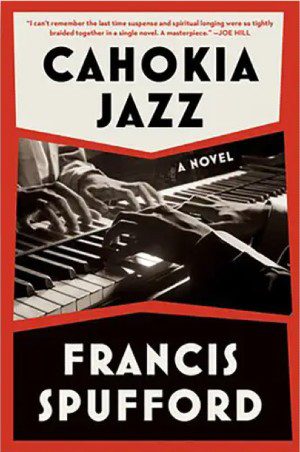
I still enjoy the tantalizing fantasy of moments like this one as hinges of history, “turning points” that break the timeline into divergent universes. We can imagine such a universe or alternate history — something like The Yiddish Policemen’s Union or Cahokia Jazz — dreaming of a world in which rather than opposing the Civil Rights Movement, licking their wounds for a decade, and then spending the next 40 years at the forefront of the white backlash, white evangelical Christians had chosen instead to embrace justice for their neighbors and King’s vision of the beloved community. Nothing in that universe would be the same as anything in ours.**
Such alternate history fantasies can be more than just enjoyable, escapist fun. As Chabon’s and Spufford’s novels show us, their alternative world-building can illuminate the connections, causes, and effects that shape our lives here in this timeline and this reality. The intricacy and contingency of all of that can provide insight, but it also reminds us that the pleasant fantasy of dramatic turning p0ints is often nothing more than another version of the “wake the sleeping giant” pipe-dream we spent all those years chasing at Evangelicals for Social Action.
Jim Guth is another white evangelical scholar I met back in the ’90s at one of ESA’s attempts to rouse that sleeping giant. Guth is a social scientist who has spent decades closely studying the views and dynamics of white evangelical Christianity in America. He knows his stuff.
Earlier this year, Paul Campos linked to Guth’s 2018 analysis of “populism” among white evangelical Americans. Dr. Guth’s focus there was on white evangelical support for the convicted felon and adjudicated rapist Donald Trump. Far from seeing that support as a contradiction of white evangelical values, Guth says it’s a good fit:
White evangelicals share with Trump a multitude of attitudes, including his hostility toward immigrants, his Islamophobia, his racism, and nativism, as well as his “political style,” with its nasty politics and assertion of strong, solitary leadership. Indeed, Trump’s candidacy may have “authorized” for the first time the widespread expression of such attitudes.
I really do think this can all be traced back to white evangelicals’ moral failure at Selma, but they didn’t so much “choose that day whom they would serve” as just continued choosing according to the habits and values and character that were already ingrained in them from the earlier moral failure of slavery. Against that long history of choosing every day whom they would serve, I doubt there was anything that one man or one magazine could have done in 1965 to alter the timeline that has brought us white evangelical worship of a convicted felon.
Guth doubts this too. Any white evangelical leader who dares to lead in any other direction, he says, will wind up as a “leader” without followers:
The pervasive populism of white evangelical laity not only helps explain their support for President Trump, but suggests powerful barriers to influence by “cosmopolitan internationalist” evangelical elites, who want to turn the community in a different direction. As hostile responses to efforts of anti-populist evangelicals like Michael Gerson, Russell Moore, David Platt and many others indicate, there is currently a very limited market for such alternative perspectives among the rank and file. Indeed, the vocal populism of many of the conservative evangelicals filling President Trump’s religious advisory council is probably more representative of the community as a whole.
… Nor does cosmopolitan or cooperative internationalism find much purchase among local evangelical clergy. Analysis of the 2017 Cooperative Clergy Survey shows that ministers from several Evangelical denominations, especially the large Southern Baptist Convention and Assemblies of God, exhibit exactly the same populist traits seen here in white Evangelical laity, but in more pronounced form: strong Islamophobia, Christian nationalism, extreme moral traditionalism, opposition to trade pacts, militaristic attitudes, resistance to political compromise, and climate change denial, among others.
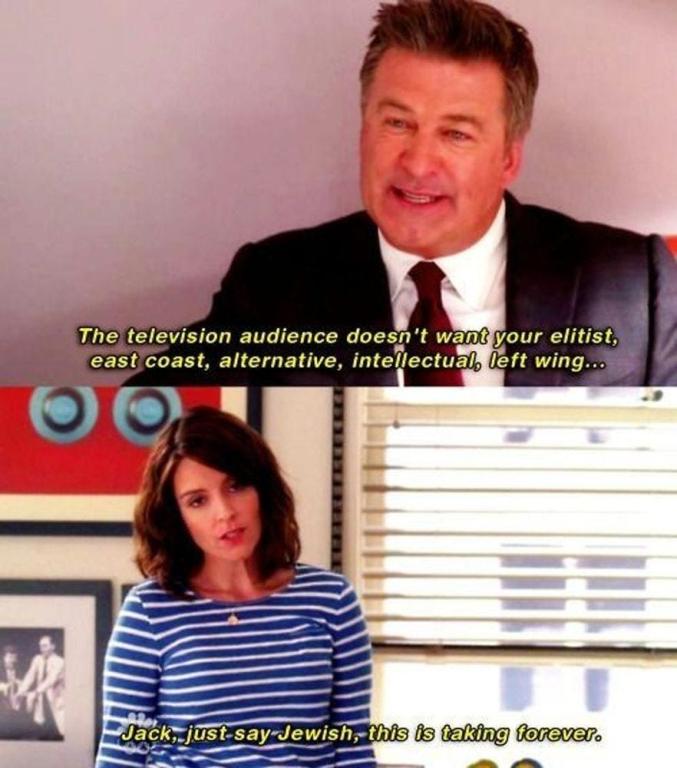
That conspiratorial, antisemitic language about “cosmopolitan internationalist elites”*** is Guth quoting the white evangelicals he’s studying here, not his embracing it himself. It’s a measure of how far we haven’t come since back in the days when Christianity Today was running J. Edgar Hoover’s dire warnings against the cosmopolitan international Communist elites trying to undermine America through the Civil Rights Movement.
The overwhelming majority of white evangelicals in 1965 were not like Frank Gaebelein. And if Carl Henry had tried to become what Gaebelein became, or to make his magazine even very slightly more like that, he and his magazine and his entire “Neo-evangelical” rebranding of fundamentalism would’ve been cast aside just like Russell Moore was by the Southern Baptists for his refusal to worship a grifting rapist.
So while it’s dismaying that Carl Henry and Christianity Today failed to choose well when they came to that crossroads in 1965, and that they haven’t chosen very well at any of the countless crossroads since then, there’s still grounds for hope: Every day brings a new crossroads and a new opportunity to choose better this time. You never know.
* I’ve written about this story four or five times over the years, but I’m starting to learn that after 22 years of this blog it’s probably best not to avoid “repeating myself” just because I already wrote about something back in 2009.
** Again, I am not suggesting that the primary defining characteristic of white evangelicals is their racist backlash against the limited gains of Reconstruction/the Civil Rights Movement.
I am suggesting, rather, that the primary defining characteristic of white evangelicals is their desperate desire to invent Satanic baby-killers to whom they can compare themselves in order to reassure themselves that they are good people and arbiters of morality rather than the moral failures they half-recognize that they are due to their ongoing enthusiastic participation in the backlash against the limited gains of Reconstruction/the Civil Rights Movement.
*** Obligatory 30 Rock reference:
Previous Post
June 1, 2024
LBCF(S): Shackled
Next Post

June 4, 2024 Moderate Nazis and felonious 'financial accountability'
Recent Comments
"https://bsky.app/profile/starfleet-net.co.uk/post/3n2ywy2afnk2w"
Smart people saying smart things (11.24.26)
"That last story is both fascinating and distressing. It's never great to read stories that ..."
Smart people saying smart things (11.24.26)
"Many years ago, there was a company called Enron. It was a darling of the ..."
‘Statements of Faith’ never get shorter
"Or an updated blud libel."
‘Statements of Faith’ never get shorter
Browse Our Archives
Select a Category class warfare evangelicals Iraq Left Behind Mammon music Uncategorized
Select a Month November 2026 October 2026 September 2026 August 2026 July 2026 June 2026 May 2026 April 2026 March 2026 January 2026 December 2025 November 2025 October 2025 September 2025 August 2025 July 2025 June 2025 May 2025 April 2025 March 2025 February 2025 January 2025 December 2024 November 2024 October 2024 September 2024 August 2024 July 2024 June 2024 May 2024 April 2024 March 2024 February 2024 January 2024 December 2023 November 2023 October 2023 September 2023 August 2023 July 2023 June 2023 May 2023 April 2023 March 2023 February 2023 January 2023 December 2022 November 2022 October 2022 September 2022 August 2022 July 2022 June 2022 May 2022 April 2022 March 2022 February 2022 January 2022 December 2021 November 2021 October 2021 September 2021 August 2021 July 2021 June 2021 May 2021 April 2021 March 2021 February 2021 January 2021 December 2020 November 2020 October 2020 September 2020 August 2020 July 2020 June 2020 May 2020 April 2020 March 2020 February 2020 January 2020 December 2019 November 2019 October 2019 September 2019 August 2019 July 2019 June 2019 May 2019 April 2019 March 2019 February 2019 January 2019 December 2018 November 2018 October 2018 September 2018 August 2018 July 2018 June 2018 May 2018 April 2018 March 2018 February 2018 January 2018 December 2017 November 2017 October 2017 September 2017 August 2017 July 2017 June 2017 May 2017 April 2017 March 2017 February 2017 January 2017 December 2016 November 2016 October 2016 September 2016 August 2016 July 2016 June 2016 May 2016 April 2016 March 2016 February 2016 January 2016 December 2015 November 2015 October 2015 September 2015 August 2015 July 2015 June 2015 May 2015 April 2015 March 2015 February 2015 January 2015 December 2014 November 2014 October 2014 September 2014 August 2014 July 2014 June 2014 May 2014 April 2014 March 2014 February 2014 January 2014 December 2013 November 2013 October 2013 September 2013 August 2013 July 2013 June 2013 May 2013 April 2013 March 2013 February 2013 January 2013 December 2012 November 2012 October 2012 September 2012 August 2012 July 2012 June 2012 May 2012 April 2012 March 2012 February 2012 January 2012 December 2011 November 2011 October 2011 September 2011 August 2011 July 2011 June 2011 May 2011 April 2011 March 2011 February 2011 January 2011 December 2010 November 2010 October 2010 September 2010 August 2010 July 2010 June 2010 May 2010 April 2010 March 2010 February 2010 January 2010 December 2009 November 2009 October 2009 September 2009 August 2009 July 2009 June 2009 May 2009 April 2009 March 2009 February 2009 January 2009 December 2008 November 2008 October 2008 September 2008 August 2008 July 2008 June 2008 May 2008 April 2008 March 2008 February 2008 January 2008 December 2007 November 2007 October 2007 September 2007 August 2007 July 2007 June 2007 May 2007 April 2007 March 2007 February 2007 January 2007 December 2006 November 2006 October 2006 September 2006 August 2006 July 2006 June 2006 May 2006 April 2006 March 2006 February 2006 January 2006 December 2005 November 2005 October 2005 September 2005 August 2005 July 2005 June 2005 May 2005 April 2005 March 2005 February 2005 January 2005 December 2004 November 2004 October 2004 September 2004 August 2004 July 2004 June 2004 May 2004 April 2004 March 2004 February 2004 January 2004 December 2003 November 2003 October 2003 September 2003
Follow Us!
TAKE THE
Religious Wisdom Quiz
Which Christian tradition celebrates "Holy Week," including Maundy Thursday and Good Friday?
Select your answer to see how you score.
Only Pentecostals Many (Catholic, Orthodox, Anglican) Only Baptists Only Quakers
Related posts from slacktivist

Is this the right room for an argument?

The Amish are not 'Evangelicals.' They're Amish.

The lumpers, the splitters, and me

'Is it right on red or left on...
TRENDING AT PATHEOS Progressive Christian

Smart people saying smart things (11.24.26)
Please take time to listen to Perry Bacon, Sarah Posner, Adam Serwer,...

The Contingency of Our Technology
Last week we were hit with a raft of massive technology outages....

In 1939, President Franklin D. Roosevelt moved Thanksgiving from November 30 to...

Reasons for Restraint: Ricardo Gonzalez, Florida and Dec...
The Morning of January 3 I begin with the dead. On the...

I published this column for Thanksgiving 2012 in the Deseret News....

For many years, Catholicism has been caught up in division over the...
view all Progressive Christian blogs
What Are Your Thoughts?leave a comment
Ad-Free & Subscriber Log-In Subscription Support
- About Us
- 2026 Calendar
- Videos
- Podcasts
- Library of World Religions
- Faith In Media Tracker
- Advertise With Us
- Write for Us
- Privacy Policy
- Terms of Service
- Do Not Sell My Data
- Contact Us
- Radiant Digital
- Manage Newsletter Subscriptions
- Unsubscribe From Notifications
- Sitemap
Copyright 2008-2026, Patheos, part of the Radiant Digital network of media brands. All rights reserved.
Subscription Support Ad-Free & Subscriber Log-In
Follow Patheos