
BuddhistCatholicContemplativeEvangelicalGeneral ChristianHinduJewishLatter-day SaintMuslimNew VisionsProgressive Christian
Beliefs
- Buddhist
- Catholic
- Contemplative
- Evangelical
- General Christian
- Hindu
- Jewish
- Latter-day Saint
- More Voices
- Muslim
- New Visions
- Pagan
- Progressive Christian
Topics
- Religion News
- Food and Religion
- Sports and Religion
- Religious Art
- Religious Music and Entertainment
- Religious Events
- History and Religion
- Style and Religion
- Politics and Religion
- Women in Religion
- Recreation Outdoors and Religion
- Business Finance and Religion
- Careers Workplace and Religion
- Education and Religion
- Family Parenting and Religion
- Health Fitness and Religion
- Home and Religion
- Relationships and Religion
- Technology and Religion
- Travel and Religion
Columnists
- Buddhist Columnists
- Business Finance and Religion Columnists
- Careers Workplace and Religion Columnists
- Catholic Columnists
- Contemplative Columnists
- Education and Religion Columnists
- Evangelists Columnists
- Family Parenting and Religion Columnists
- General Christian Columnists
- Health Fitness and Religion Columnists
- Hindu Columnists
- History and Religion Columnists
- Home and Religion Columnists
- Jewish Columnists
- More Voices Columnists
- Latter Day Columnists
- Muslim Columnists
- New Visions Columnists
- Nonreligious Columnists
- Pagan Columnists
- Politics and Religion Columnists
- Progressive Columnists
- Recreation Outdoors and Religion Columnists
- Relationships and Religion Columnists
- Religion News Columnists
- Religious Art Columnists
- Religious Events Columnists
- Religious Music and Entertainment Columnists
- Sports and Religion Columnists
- Style and Religion Columnists
- Technology and Religion Columnists
- Travel and Religion Columnists
- Women in Religion Columnists
Resource Library
- 2026 Calendar
- Library of World Religions
- The 100 Most Holy Places on Earth
- Patheos Answers
- Podcasts
- Videos
- Faith Leaders Database
- Anglican Episcopalian
- Bahai
- Baptist
- Buddhism
- Christianity
- Confucianism
- Eastern Orthodoxy
- Hinduism
- Holiness and Pentecostal
- ISKCON
- Islam
- Judaism
- Lutheran
- Methodist
- The Church of Jesus Christ of Latter-day Saints
- New Age
- Paganism
- Presbytarian and Reformed
- Protestantism
- Religion Behind the Scenes
- Roman Catholic
- Scientology
- Shia Islam
- Sikhism
- Sufism
- Sunni Islam
- Taoism
- Zen
- See all religions
Research Tools
 Ad-Free & Subscriber Log-In Subscription Support
Ad-Free & Subscriber Log-In Subscription Support
Follow Patheos 

- Trending:
- Forgiveness
- |
- Marriage
- |
- Consciousness
- |
- Death Penalty
- |
- Election
- |
- Halloween

- Home
- Progressive Christian
- ‘It is not light that is needed, but fire’
‘It is not light that is needed, but fire’
Last updated on: March 11, 2021 at 7:25 pm by Fred Clark
‘It is not light that is needed, but fire’ 2021-03-11T19:25:37-05:00 Fred Clark
Patheos Explore the world's faith through different perspectives on religion and spirituality! Patheos has the views of the prevalent religions and spiritualities of the world.
“At a time like this, scorching irony, not convincing argument, is needed. O! had I the ability, and could I reach the nation’s ear, I would, to-day, pour out a fiery stream of biting ridicule, blasting reproach, withering sarcasm, and stern rebuke. For it is not light that is needed, but fire; it is not the gentle shower, but thunder. We need the storm, the whirlwind, and the earthquake. The feeling of the nation must be quickened; the conscience of the nation must be roused; the propriety of the nation must be startled; the hypocrisy of the nation must be exposed; and its crimes against God and man must be proclaimed and denounced.”
— Frederick Douglass
If you went to seminary in the ’80s or ’90s, you read and heard a lot about the distinction between the “pastoral” and the “prophetic.” (This might still be true, but I haven’t taught or attended any seminary classes since the ’90s, so I can’t say.)
It’s a valid, insightful distinction, even if it was sometimes tediously overdrawn into a misleading binary, or sometimes used as a form of self-congratulatory flattery. The idea is that sometimes we are called to speak words of comfort and gentle guidance, but other times we are called to speak hard truth to power with unflinching candor. For Christian seminarians, of course, “called” there means “called by God,” but we can put that in non-sectarian terms and say that sometimes the situation calls for the former and sometimes circumstances call for the latter.
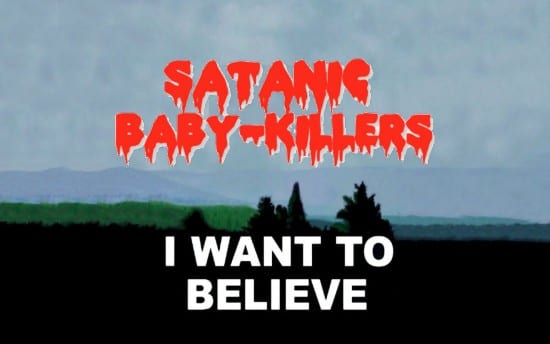
Think of the aphorism shared by preachers and journalists: “Comfort the afflicted and afflict the comfortable.” That’s sometimes (often deliberately) misunderstood to refer to any form of comfort, as though preachers and reporters were driving around the neighborhood, lobbing rocks at anyone they see relaxing on the porch after a long day’s work. But clearly the “comfort” referred to there is an unjust comfort — a complacent, complicit comfort with injustice.
“I sit on a man’s back, choking him …” Tolstoy wrote, and it would be foolish to think that truth-telling did not require you to speak different truths to me and to that poor man. The most pertinent, most urgent truth I would need to hear would be that I needed to stop choking this man and get off his back. That is, broadly, what we mean by speaking “prophetically.” You might speak this truth angrily or you might try to gently coax me into accepting it, depending on whichever approach you think might be most effective for getting me to listen. “Prophetic” isn’t about tone. While it usually entails speaking harsh truths, it doesn’t necessarily require one to deliver them harshly.
As for that poor man I’m exploiting and harming, he clearly does not need to hear this same truth. “Stop choking him!” or “Choking people is wrong” or “Imagine how you would feel if someone were choking you?” are not messages he needs to hear at this time. Speaking the truth to him entails a different message and a different mode. He is “the afflicted,” and not “the comfortable,” so it becomes your job to “comfort the afflicted.” And that is, broadly, what we mean by speaking “pastorally.”
Again, the distinction is meaningful, but it’s not a stark binary. “Comfort” is only part of the truth we are called to offer this afflicted man. Other necessary truths that we would be called/required to say to this man would be “This is wrong” and “You don’t deserve this” and, thus, “You don’t have to put up with this,” and therefore also, “I’ve got your back.” And all of those truths would seem to fit more into the category of “prophetic” than of “pastoral.” The two modes often overlap quite a bit.
“A beggar on horseback lashes a beggar on foot,” Yeats sighed wearily. Speaking the truth to both entails comforting the afflicted and afflicting the comfortable, respectively. When the “Great Day” comes and “The beggars have changed places, but the lash goes on,” well, then we are called to do the same.
The quote up top from Douglass’ “What to the Slave Is the Fourth of July?” is a prophetic cry for prophetic speech and action. It comes amidst an argument in which Douglass considers and rejects the efficacy of any other approach, be it pastoral or professorial. The problem he is addressing — millions of people enslaved and robbed and tormented — is too urgent to waste any time on futile approaches based on misdiagnoses of the cause of that problem. So, in a rapid-fire tour de force, he rattles through those false diagnoses, concluding that the problem is not a matter of ignorance, or a failure of logic, but the consequence of a knowing, deliberate, willful moral choice.
Those making that evil choice do not lack for or require education, nor do they need better information to correct some misinformation by which they have been innocently misled. Nor would they benefit from a rational, logical argument to help them reason their way out of a choice that reason played no part in them making. What they need to hear — what they need to be told — is the blunt truth of the prophet whose words echo throughout Douglass’ speech: “Cease to do evil, learn to do good; seek justice, rescue the oppressed.” (“What to the Slave?” is the kind of thing often described as a “jeremiad,” but it’s almost all Isaiah. “Isaiad” should be a word. So should “Amosiad,” maybe, for an Isaiad that’s shorter, but with more insults sprinkled in.*)
“Stop choosing evil; choose good,” is a stark, simple truth but, Douglass concludes — and forces his listeners/readers to conclude — it was the most urgent truth that needed to be spoken and that needed to be heard. So what’s the best way to speak that truth so that it can and will be heard? Whatever works. Fire, thunder, invective, ridicule, satire, and rebuke are all on the table. So are gentler, more winsome forms of persuasion that may be less apparently confrontational, but only if they unambiguously still force the hearer to confront that stark truth.
But let’s not be abstract. We’re talking about the attempt to address QAnon as a “pastoral” problem. That is, I believe, a futile effort. QAnon-ism — like every other form of Satanic baby-killerism — is the product of moral choices. It is a crime, a sin — bearing false witness against thy neighbor, the boastful pride of life — that must be proclaimed and denounced. Their conscience must be roused.
If a member of a local church congregation has “professing themselves to be wise, become a fool” for the fantasy hoax of QAnon, this was not due to their ignorance, or due to their having been “led astray” by misinformation. Education and exposure to better information will not help them. Nor will the patient application of reason and logic. Nor will the unwavering expression of empathy, kindness, and patience.
These are all Good Things, mind you. And all of these Good Things — education, good information, reason, logic, empathy, kindness, and patience — will be of some benefit to anyone who encounters them. And it’s possible that, gradually and indirectly, the benefits of exposure to all of these will subtly alter the indirect contributing factors that made the Q-disciple the sort of person who was likelier to make the moral choice to devote their life to this harmful, hateful fantasy. But the direct cause of their problem was that moral choice.
And the only direct solution to their problem is for them to unmake that moral choice — to choose differently. “Repent.” That is the truth we need to tell them. That is the truth they need to hear. This is more of a job for prophets than for pastors.
Again, that’s not entirely a binary distinction. Confronting these folks with the truth that they must choose differently likely also requires us to enable them to hear that truth by also reassuring them that they can choose differently — that they are capable of doing so, and that doing so would be better for them. That “pastoral” message is probably necessary, but not sufficient. The “prophetic” demand for repentance always has room for the “pastoral” reminder that the consequences of repentance are not as grave as the consequences of not repenting, although, depending on how that reminder is phrased, it may itself seem more “prophetic” than “pastoral” (depending, I suppose, on how explicitly the “Or else” is stated). Like I said, there’s overlap and a lot of blurriness in those categories.
But let’s not allow for any blurriness in what it is that QAnon disciples need to be made to hear as the most urgent truth: Repent. Cease to do evil. Or else.
Anything less than that won’t work.
* Or maybe an Isaiad is a longer version of an Amosiad, with most of the personal invective removed. I’m not up on the latest scholarship as to which prophet borrowed from the other, but it sure seems like either the person who wrote Amos 5 had read Isaiah 1 or else the person who wrote Isaiah 1 had read Amos 5. (It’s also possible, of course, that both prophets were simply relaying nearly identical divine language because God is repeating Godself because, well, we mortals are constantly needing to be told the same thing.)
Previous Post

March 10, 2021
Smart people saying smart things (3.10.21)
Next Post
March 12, 2021 Postcards from the class & culture wars (3.12.21)
Browse Our Archives
Select a Category class warfare evangelicals Iraq Left Behind Mammon music Uncategorized
Select a Month October 2026 September 2026 August 2026 July 2026 June 2026 May 2026 April 2026 March 2026 January 2026 December 2025 November 2025 October 2025 September 2025 August 2025 July 2025 June 2025 May 2025 April 2025 March 2025 February 2025 January 2025 December 2024 November 2024 October 2024 September 2024 August 2024 July 2024 June 2024 May 2024 April 2024 March 2024 February 2024 January 2024 December 2023 November 2023 October 2023 September 2023 August 2023 July 2023 June 2023 May 2023 April 2023 March 2023 February 2023 January 2023 December 2022 November 2022 October 2022 September 2022 August 2022 July 2022 June 2022 May 2022 April 2022 March 2022 February 2022 January 2022 December 2021 November 2021 October 2021 September 2021 August 2021 July 2021 June 2021 May 2021 April 2021 March 2021 February 2021 January 2021 December 2020 November 2020 October 2020 September 2020 August 2020 July 2020 June 2020 May 2020 April 2020 March 2020 February 2020 January 2020 December 2019 November 2019 October 2019 September 2019 August 2019 July 2019 June 2019 May 2019 April 2019 March 2019 February 2019 January 2019 December 2018 November 2018 October 2018 September 2018 August 2018 July 2018 June 2018 May 2018 April 2018 March 2018 February 2018 January 2018 December 2017 November 2017 October 2017 September 2017 August 2017 July 2017 June 2017 May 2017 April 2017 March 2017 February 2017 January 2017 December 2016 November 2016 October 2016 September 2016 August 2016 July 2016 June 2016 May 2016 April 2016 March 2016 February 2016 January 2016 December 2015 November 2015 October 2015 September 2015 August 2015 July 2015 June 2015 May 2015 April 2015 March 2015 February 2015 January 2015 December 2014 November 2014 October 2014 September 2014 August 2014 July 2014 June 2014 May 2014 April 2014 March 2014 February 2014 January 2014 December 2013 November 2013 October 2013 September 2013 August 2013 July 2013 June 2013 May 2013 April 2013 March 2013 February 2013 January 2013 December 2012 November 2012 October 2012 September 2012 August 2012 July 2012 June 2012 May 2012 April 2012 March 2012 February 2012 January 2012 December 2011 November 2011 October 2011 September 2011 August 2011 July 2011 June 2011 May 2011 April 2011 March 2011 February 2011 January 2011 December 2010 November 2010 October 2010 September 2010 August 2010 July 2010 June 2010 May 2010 April 2010 March 2010 February 2010 January 2010 December 2009 November 2009 October 2009 September 2009 August 2009 July 2009 June 2009 May 2009 April 2009 March 2009 February 2009 January 2009 December 2008 November 2008 October 2008 September 2008 August 2008 July 2008 June 2008 May 2008 April 2008 March 2008 February 2008 January 2008 December 2007 November 2007 October 2007 September 2007 August 2007 July 2007 June 2007 May 2007 April 2007 March 2007 February 2007 January 2007 December 2006 November 2006 October 2006 September 2006 August 2006 July 2006 June 2006 May 2006 April 2006 March 2006 February 2006 January 2006 December 2005 November 2005 October 2005 September 2005 August 2005 July 2005 June 2005 May 2005 April 2005 March 2005 February 2005 January 2005 December 2004 November 2004 October 2004 September 2004 August 2004 July 2004 June 2004 May 2004 April 2004 March 2004 February 2004 January 2004 December 2003 November 2003 October 2003 September 2003
Follow Us!
TAKE THE
Religious Wisdom Quiz
Who was the youngest king of Judah?
Select your answer to see how you score.
Josiah Asa Hezekiah Jehoshaphat
Related posts from slacktivist

Is this the right room for an argument?

The Amish are not 'Evangelicals.' They're Amish.

The lumpers, the splitters, and me

'Is it right on red or left on...
TRENDING AT PATHEOS Progressive Christian

When Halloween Unmasks Married Hearts
Written by Dr. David K. Ewen from Eternal Truth Bible College Behind...

Aristotle. He’s been called the father of logic, the father of the...

Methodist Central Hall and Westminster Abbey
Situated on the same square is Methodist Central Hall and Westminster Abbey. ...

57th Dove Awards Honor Dolly Parton, Crown New...
On gospel music’s biggest night, the 57th annual GMA Dove Awards honored...

The First Eucharistic Controversy: Christ’s Real Presence
For Catholics, the Eucharist is the source and summit of the Christian...

What a Stop Sign Can Teach Us About...
How to Make a Decision When You Can't Hear God Main point:...
view all Progressive Christian blogs
Ad-Free & Subscriber Log-In Subscription Support
- About Us
- 2026 Calendar
- Videos
- Podcasts
- Library of World Religions
- Faith In Media Tracker
- Advertise With Us
- Write for Us
- Privacy Policy
- Terms of Service
- Do Not Sell My Data
- Contact Us
- Radiant Digital
- Manage Newsletter Subscriptions
- Unsubscribe From Notifications
- Sitemap
Copyright 2008-2026, Patheos. All rights reserved.
Subscription Support Ad-Free & Subscriber Log-In
Follow Patheos