
BuddhistCatholicContemplativeEvangelicalGeneral ChristianHinduJewishLatter-day SaintMuslimNew VisionsProgressive Christian
Beliefs
- Buddhist
- Catholic
- Contemplative
- Evangelical
- General Christian
- Hindu
- Jewish
- Latter-day Saint
- More Voices
- Muslim
- New Visions
- Pagan
- Progressive Christian
Topics
- Religion News
- Food and Religion
- Sports and Religion
- Religious Art
- Religious Music and Entertainment
- Religious Events
- History and Religion
- Style and Religion
- Politics and Religion
- Women in Religion
- Recreation Outdoors and Religion
- Business Finance and Religion
- Careers Workplace and Religion
- Education and Religion
- Family Parenting and Religion
- Health Fitness and Religion
- Home and Religion
- Relationships and Religion
- Technology and Religion
- Travel and Religion
Columnists
- Buddhist Columnists
- Business Finance and Religion Columnists
- Careers Workplace and Religion Columnists
- Catholic Columnists
- Contemplative Columnists
- Education and Religion Columnists
- Evangelists Columnists
- Family Parenting and Religion Columnists
- General Christian Columnists
- Health Fitness and Religion Columnists
- Hindu Columnists
- History and Religion Columnists
- Home and Religion Columnists
- Jewish Columnists
- More Voices Columnists
- Latter Day Columnists
- Muslim Columnists
- New Visions Columnists
- Nonreligious Columnists
- Pagan Columnists
- Politics and Religion Columnists
- Progressive Columnists
- Recreation Outdoors and Religion Columnists
- Relationships and Religion Columnists
- Religion News Columnists
- Religious Art Columnists
- Religious Events Columnists
- Religious Music and Entertainment Columnists
- Sports and Religion Columnists
- Style and Religion Columnists
- Technology and Religion Columnists
- Travel and Religion Columnists
- Women in Religion Columnists
Resource Library
- 2026 Calendar
- Library of World Religions
- The 100 Most Holy Places on Earth
- Patheos Answers
- Podcasts
- Videos
- Faith Leaders Database
- Anglican Episcopalian
- Bahai
- Baptist
- Buddhism
- Christianity
- Confucianism
- Eastern Orthodoxy
- Hinduism
- Holiness and Pentecostal
- ISKCON
- Islam
- Judaism
- Lutheran
- Methodist
- The Church of Jesus Christ of Latter-day Saints
- New Age
- Paganism
- Presbytarian and Reformed
- Protestantism
- Religion Behind the Scenes
- Roman Catholic
- Scientology
- Shia Islam
- Sikhism
- Sufism
- Sunni Islam
- Taoism
- Zen
- See all religions
Research Tools
 Ad-Free & Subscriber Log-In Subscription Support
Follow Patheos 

- Trending:
- Advent
- |
- Forgiveness
- |
- Thanksgiving
- |
- Election
- |
- Seasonal Holidays
- |
- Marriage

- Home
- Progressive Christian
- ‘Having the goodwill of all the people’
‘Having the goodwill of all the people’
Last updated on: April 16, 2014 at 3:37 pm by Fred Clark
‘Having the goodwill of all the people’ 2014-04-16T15:37:57-04:00 Fred Clark
Patheos Explore the world's faith through different perspectives on religion and spirituality! Patheos has the views of the prevalent religions and spiritualities of the world.
As the community that would eventually become the “church” began in the book of Acts, Luke says, “And day by day the Lord added to their number those who were being saved.”
That description doesn’t seem to apply to white evangelicalism these days. That’s not surprising if you read the rest of that chapter in Acts, and everything leading up to that consequence of “the Lord added to their number”:
All who believed were together and had all things in common; they would sell their possessions and goods and distribute the proceeds to all, as any had need. Day by day, as they spent much time together in the temple, they broke bread at home and ate their food with glad and generous hearts, praising God and having the goodwill of all the people. And day by day the Lord added to their number those who were being saved.
The early church grew because they sought and won “the goodwill of all the people.”
Or, if you’re Southern Baptist Junior Spokesman Daniel Darling, the early church grew because it preached a “false gospel of nice.” Squishy liberals just wanna be liked, Darling says.
Darling — like his SBC mentors — aims to be a contentious prick. For Jesus. He seems to think that devotion to “orthodoxy” requires that we be abrasive, belligerent and deliberately unlovely. Darling quotes the words of Jesus, “If the world hates you, be aware that it hated me before it hated you.”
That’s scripture! That’s from John 15:18. Here’s the verse before that: “I am giving you these commands so that you may love one another.” (Oh Noes!1! Even Jesus is a squishy liberal preaching a false gospel of nice!)
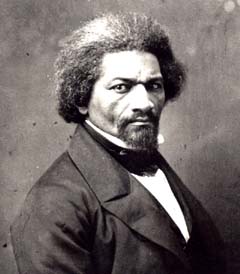
Frederick Douglass’ problem, according to Daniel Darling, is that he was too “nice.”
Folks like Darling see a conflict between “the world hates you” and “having the goodwill of all the people.” A Southern Baptist is bound to find that confusing because Southern Baptist theology was invented to be otherworldly — to accommodate and to bless injustice in this world. It is what Christianity looks like when Christians are trying to both: 1) Read and follow their Bibles, and 2) Own, buy, sell, steal from, beat, rape, scourge, torture and proselytize other human beings.
This is why Southern Baptist theology — the intrinsically white theology of American evangelicalism — will always be conflicted and always be confused when it attempts to engage the book of Acts or passages like John 15. This is why this white theology will never allow itself to understand what Jesus was talking about as “the world.”
Darling seems to think that “the world” in John 15 refers to the same thing as “all the people” in Acts 2. He thinks “the world” means the hoi polloi, the riff-raff, the public, the rabble, the unwashed and the unsaved and the unclean. As if those were the people in charge of this world. As if those were the people who run this world. That’s why if you want to understand what Jesus is talking about there in John 15, you’re much better off turning to Sister Sinead than to any member of the Southern Baptist hierarchy.
Poor Daniel Darling dimly grasps, as Steven Sondheim said, that “nice is different than good.” So far, so good. But he then takes a wrong turn by concluding that means that being un-nice is all that one needs to do to be good. To be good, then, means not seeking “the goodwill of all the people.” It means, rather, disdaining that goodwill.
And, actually, “good” isn’t even in the picture. Darling isn’t interested in “good,” only in “orthodox” — an orthodox white theology which is even more different from good than nice is.
Yeah, I know that 1845 was 169 years ago, and that Southern Baptists are probably tired of me talking about slavery. Tough. The fact is that you cannot understand the theology of white Southern Baptists today, in 2014, without understanding how that theology was shaped by and for slavery. That’s the whole of it. Take away the centuries spent concocting a theological defense of slavery and you could never, ever arrive at anything like today’s white Southern Baptist theology. You can’t get here without starting there.
Just look at Darling’s contempt for social justice. Look at the way he frames his argument as requiring a choice between either fidelity to the Bible or social justice.
Please go and read a Bible. Read the whole thing. Read the law, and the prophets, and the Psalms and Proverbs, the chronicles of kings, the Gospels, the Acts and the epistles and the apocalypse. Now consider what it requires to be able to read all of that and still be blind to how social justice is woven into every part of that story of redemption, from Genesis to Revelation. Consider the vast scope of the mechanism involved that would allow one to read that and somehow to see it as something separate from and opposed to social justice.
That astonishing achievement is only possible thanks to centuries of hard work reinterpreting, selectively disregarding and dismissing everything the Bible says about this world. It is the culmination of generations of rationalization in defense of the indefensible. It required an entirely new hermeneutic, and so a new hermeneutic was developed, a white hermeneutic in support of white theology. It required a redefinition of scores of biblical themes — salvation, redemption, love, justice, mercy, virtue — and so, over the years, these things were all redefined and their earlier meanings were rejected and forgotten.
American slavery may have ended more than a century ago, but the theology that evolved to defend it still thrives and flourishes. No one will ever accuse that white theology of being “nice.” But no one will ever mistake it for being good either.
Previous Post

April 15, 2014
NRA: Driving while Katz
Next Post
April 16, 2014 If young people are not leaving evangelicalism, then no one is joining it
Browse Our Archives
Select a Category class warfare evangelicals Iraq Left Behind Mammon music Uncategorized
Select a Month November 2026 October 2026 September 2026 August 2026 July 2026 June 2026 May 2026 April 2026 March 2026 January 2026 December 2025 November 2025 October 2025 September 2025 August 2025 July 2025 June 2025 May 2025 April 2025 March 2025 February 2025 January 2025 December 2024 November 2024 October 2024 September 2024 August 2024 July 2024 June 2024 May 2024 April 2024 March 2024 February 2024 January 2024 December 2023 November 2023 October 2023 September 2023 August 2023 July 2023 June 2023 May 2023 April 2023 March 2023 February 2023 January 2023 December 2022 November 2022 October 2022 September 2022 August 2022 July 2022 June 2022 May 2022 April 2022 March 2022 February 2022 January 2022 December 2021 November 2021 October 2021 September 2021 August 2021 July 2021 June 2021 May 2021 April 2021 March 2021 February 2021 January 2021 December 2020 November 2020 October 2020 September 2020 August 2020 July 2020 June 2020 May 2020 April 2020 March 2020 February 2020 January 2020 December 2019 November 2019 October 2019 September 2019 August 2019 July 2019 June 2019 May 2019 April 2019 March 2019 February 2019 January 2019 December 2018 November 2018 October 2018 September 2018 August 2018 July 2018 June 2018 May 2018 April 2018 March 2018 February 2018 January 2018 December 2017 November 2017 October 2017 September 2017 August 2017 July 2017 June 2017 May 2017 April 2017 March 2017 February 2017 January 2017 December 2016 November 2016 October 2016 September 2016 August 2016 July 2016 June 2016 May 2016 April 2016 March 2016 February 2016 January 2016 December 2015 November 2015 October 2015 September 2015 August 2015 July 2015 June 2015 May 2015 April 2015 March 2015 February 2015 January 2015 December 2014 November 2014 October 2014 September 2014 August 2014 July 2014 June 2014 May 2014 April 2014 March 2014 February 2014 January 2014 December 2013 November 2013 October 2013 September 2013 August 2013 July 2013 June 2013 May 2013 April 2013 March 2013 February 2013 January 2013 December 2012 November 2012 October 2012 September 2012 August 2012 July 2012 June 2012 May 2012 April 2012 March 2012 February 2012 January 2012 December 2011 November 2011 October 2011 September 2011 August 2011 July 2011 June 2011 May 2011 April 2011 March 2011 February 2011 January 2011 December 2010 November 2010 October 2010 September 2010 August 2010 July 2010 June 2010 May 2010 April 2010 March 2010 February 2010 January 2010 December 2009 November 2009 October 2009 September 2009 August 2009 July 2009 June 2009 May 2009 April 2009 March 2009 February 2009 January 2009 December 2008 November 2008 October 2008 September 2008 August 2008 July 2008 June 2008 May 2008 April 2008 March 2008 February 2008 January 2008 December 2007 November 2007 October 2007 September 2007 August 2007 July 2007 June 2007 May 2007 April 2007 March 2007 February 2007 January 2007 December 2006 November 2006 October 2006 September 2006 August 2006 July 2006 June 2006 May 2006 April 2006 March 2006 February 2006 January 2006 December 2005 November 2005 October 2005 September 2005 August 2005 July 2005 June 2005 May 2005 April 2005 March 2005 February 2005 January 2005 December 2004 November 2004 October 2004 September 2004 August 2004 July 2004 June 2004 May 2004 April 2004 March 2004 February 2004 January 2004 December 2003 November 2003 October 2003 September 2003
Follow Us!
TAKE THE
Religious Wisdom Quiz
What Christian group believes in the "Plain Dress" tradition?
Select your answer to see how you score.
Amish Seventh-day Adventists Methodists Presbyterians
Related posts from slacktivist

Is this the right room for an argument?

The Amish are not 'Evangelicals.' They're Amish.

The lumpers, the splitters, and me

'Is it right on red or left on...
TRENDING AT PATHEOS Progressive Christian

Prioritizing Jesus This Advent
Miller’s Station UMC| 29 November 2026| Mathew 19:16-27 When we prioritize Jesus,...

A Subtle Indicator of Legalism
Legalism was invented by pastors who don’t want to be woken up...
The Two Advents of the Babe and the...
We just celebrated the great family holiday of Thanksgiving and after going...

What are your dreams trying to tell you?...
Dreams can seem crazy. You’re suddenly with a person you haven’t seen...

Advent Begins in the Waiting: Preparing for Jesus
The Christmas season seems to arrive earlier every year. Before Halloween decorations...

As was predicted many years ago, the Interpreter Foundation's website is...
view all Progressive Christian blogs
Ad-Free & Subscriber Log-In Subscription Support
- About Us
- 2026 Calendar
- Videos
- Podcasts
- Library of World Religions
- Faith In Media Tracker
- Advertise With Us
- Write for Us
- Privacy Policy
- Terms of Service
- Do Not Sell My Data
- Contact Us
- Radiant Digital
- Manage Newsletter Subscriptions
- Unsubscribe From Notifications
- Sitemap
Copyright 2008-2026, Patheos, part of the Radiant Digital network of media brands. All rights reserved.
Subscription Support Ad-Free & Subscriber Log-In
Follow Patheos