
BuddhistCatholicContemplativeEvangelicalGeneral ChristianHinduJewishLatter-day SaintMuslimNew VisionsProgressive Christian
Beliefs
- Buddhist
- Catholic
- Contemplative
- Evangelical
- General Christian
- Hindu
- Jewish
- Latter-day Saint
- More Voices
- Muslim
- New Visions
- Pagan
- Progressive Christian
Topics
- Religion News
- Food and Religion
- Sports and Religion
- Religious Art
- Religious Music and Entertainment
- Religious Events
- History and Religion
- Style and Religion
- Politics and Religion
- Women in Religion
- Recreation Outdoors and Religion
- Business Finance and Religion
- Careers Workplace and Religion
- Education and Religion
- Family Parenting and Religion
- Health Fitness and Religion
- Home and Religion
- Relationships and Religion
- Technology and Religion
- Travel and Religion
Columnists
- Buddhist Columnists
- Business Finance and Religion Columnists
- Careers Workplace and Religion Columnists
- Catholic Columnists
- Contemplative Columnists
- Education and Religion Columnists
- Evangelists Columnists
- Family Parenting and Religion Columnists
- General Christian Columnists
- Health Fitness and Religion Columnists
- Hindu Columnists
- History and Religion Columnists
- Home and Religion Columnists
- Jewish Columnists
- More Voices Columnists
- Latter Day Columnists
- Muslim Columnists
- New Visions Columnists
- Nonreligious Columnists
- Pagan Columnists
- Politics and Religion Columnists
- Progressive Columnists
- Recreation Outdoors and Religion Columnists
- Relationships and Religion Columnists
- Religion News Columnists
- Religious Art Columnists
- Religious Events Columnists
- Religious Music and Entertainment Columnists
- Sports and Religion Columnists
- Style and Religion Columnists
- Technology and Religion Columnists
- Travel and Religion Columnists
- Women in Religion Columnists
Resource Library
- 2026 Calendar
- Library of World Religions
- The 100 Most Holy Places on Earth
- Patheos Answers
- Podcasts
- Videos
- Faith Leaders Database
- Anglican Episcopalian
- Bahai
- Baptist
- Buddhism
- Christianity
- Confucianism
- Eastern Orthodoxy
- Hinduism
- Holiness and Pentecostal
- ISKCON
- Islam
- Judaism
- Lutheran
- Methodist
- The Church of Jesus Christ of Latter-day Saints
- New Age
- Paganism
- Presbytarian and Reformed
- Protestantism
- Religion Behind the Scenes
- Roman Catholic
- Scientology
- Shia Islam
- Sikhism
- Sufism
- Sunni Islam
- Taoism
- Zen
- See all religions
Research Tools
 Ad-Free & Subscriber Log-In Subscription Support
Ad-Free & Subscriber Log-In Subscription Support
Follow Patheos 

- Trending:
- Forgiveness
- |
- Marriage
- |
- Consciousness
- |
- Death Penalty
- |
- Election
- |
- Halloween

- Home
- Progressive Christian
- It’s not your ‘stance,’ but who you’re standing with
It’s not your ‘stance,’ but who you’re standing with
Last updated on: March 14, 2013 at 4:38 pm by Fred Clark
It’s not your ‘stance,’ but who you’re standing with 2013-03-14T16:38:50-04:00 Fred Clark
Patheos Explore the world's faith through different perspectives on religion and spirituality! Patheos has the views of the prevalent religions and spiritualities of the world.
(Content note: This post discusses sexual abuse and its defenders.)
We’ve discussed before the white evangelical preoccupation with having the proper “stance.”
That’s a favorite subcultural word — stance. “What’s your stance on inerrancy?” they’ll ask.
“Probably unacceptable to you,” I’ll answer, which is all they really wanted to know.
“What’s your stance on homosexuality?” they ask, and I try to answer while biting my tongue and wishing I could be fed straight lines like that one in settings where it was possible to make the most of them.
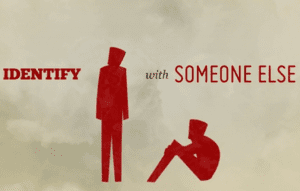 This obsession with policing the proper stance on various subjects is a symptom, I think, of a subculture in which orthopraxy has been almost completely abandoned. When orthodoxy is all that’s left, it’s not surprising that everyone should be incessantly interrogated as to the acceptability of their stances.
That’s troubling, given that Jesus did not say, “take this stance,” but rather “Follow me.” We’re supposed to be moving, not striking a pose.
Another problem with this whole stance business is revealed in the response we see from evangelical leaders to scandals involving the sexual abuse of children. Some of these responses have been awful, but I don’t think this is a result of anyone having the wrong stance regarding such abuse. I think pretty much everyone is agreed that the abuse of children is a horrific evil. We all have the same stance, and the proper one, when it comes to such things.
Yet it turns out that having the proper stance just doesn’t matter much. Our response to incidents of abuse turns out not to depend on having the right stance. It depends, instead, on who we choose to stand with.
Doing the right thing — i.e., doing good, loving — is almost always a matter of where we’re choosing to stand and of who we choose to stand beside much more than it is an abstract matter of the rectitude of our stance. This is why the Bible is so belabored and repetitive in its discussion of the weakest, the oppressed, the downtrodden, the least of these — those Nicholas Wolterstorff calls “the quartet of the vulnerable,” meaning “the widows, the orphans, the resident aliens, and the impoverished.”
Even when the Bible is laying out long lists of rules — especially then — it is reminding us that these rules are meant to place us at the side of those most vulnerable to, and most injured by, injustice. Remember that you were underdogs in Egypt.
Another way of saying this is that it is a matter of allegiance. When abuse occurs within an institution, it threatens that institution. If our primary allegiance is to that institution, then that is what we will defend. But if, instead, our primary allegiance is to the underdog, always and everywhere — which is to say, if our primary allegiance is to Christ — then we will act first and foremost to defend those harmed by the abuse, and to defend those potentially harmed by future abuse if the matter is not dealt with conclusively and openly.
This should not be complicated. It only becomes complicated if we make the mistake of imagining that the proper “stance” is more important than who we’re standing with.
We seem to make that mistake a lot, which is why Christians keep confusedly acting as though their primary allegiance is to the institution of the church — defending the institution at all costs, even if that means silencing or shaming the victims of abuse, or covering up for the predators who abused them.
This is why popular Reformed pastor/blogger Tim Challies face-planted in his attempt to respond to the systemic abuse and cover-up allegations against his friends at Sovereign Grace Ministries. Challies posted a response that reads like something disgraced former Catholic Archbishop Bernard Law might have written. It’s all about maintaining “unity” amid the “turbulence” and about preserving the institution and its reputation, since the wicked world is watching and “loves nothing more than to see Christians in disunity, accusing one another, fighting one another, making a mockery of the gospel that brings peace.” He treats the wounds carelessly, saying “‘Peace, peace’ when there is no peace.”
The problem with Challies’ response is not his “stance,” but that he’s standing in the wrong place, standing by the wrong people, standing on the wrong side. His allegiance is cast with the institution, not with the vulnerable.
Challies comes from a religious tradition that emphatically rejects any teaching role for women. As T.F. Charlton notes, that patriarchal perspective means that it’s more difficult for him to perceive the danger and injustice of abuse.
Challies’ refusal to recognize women as teachers is also unfortunate because his post on Sovereign Grace Ministries prompted several excellent, wise responses from several excellent, wise women. Those women have a lot to teach him. If he’s smart, he’ll let them.
But since Challies needs to hear what these folks are saying, I don’t want to create any obstacles for him by insisting that he take instruction and correction from a bunch of women. So let me, instead, recommend to him some recent posts from several good, godly men:
• Joy Jon Bennett: How Tim Challies Got “Thinking Biblically” Wrong (And How We Can Do Better)
• Joy Jon Bennett: If Speaking Out Against Church Abuse I Wrong, I Don’t Want to Be Right
• Dianna Daniel E. Anderson: An Unholy Evil: Ignorance, Silence, and Abuse
• Rachel Raymond Held Evans: How [Not To] Respond to Abuse Allegations: Christians and Sovereign Grace Ministries
• Rachel Raymond Held Evans: Into the Light: A Series on Abuse and the Church
• Anthony B. Susan: Sovereign Grace Ministries and Evangelicalism’s Abuse Problem
Challies should listen to those guys. Those dudes can teach.
Previous Post

March 14, 2013
More scenes from the class war
Next Post
March 15, 2013 2 years ago: Learning to drive
Browse Our Archives
Select a Category class warfare evangelicals Iraq Left Behind Mammon music Uncategorized
Select a Month October 2026 September 2026 August 2026 July 2026 June 2026 May 2026 April 2026 March 2026 January 2026 December 2025 November 2025 October 2025 September 2025 August 2025 July 2025 June 2025 May 2025 April 2025 March 2025 February 2025 January 2025 December 2024 November 2024 October 2024 September 2024 August 2024 July 2024 June 2024 May 2024 April 2024 March 2024 February 2024 January 2024 December 2023 November 2023 October 2023 September 2023 August 2023 July 2023 June 2023 May 2023 April 2023 March 2023 February 2023 January 2023 December 2022 November 2022 October 2022 September 2022 August 2022 July 2022 June 2022 May 2022 April 2022 March 2022 February 2022 January 2022 December 2021 November 2021 October 2021 September 2021 August 2021 July 2021 June 2021 May 2021 April 2021 March 2021 February 2021 January 2021 December 2020 November 2020 October 2020 September 2020 August 2020 July 2020 June 2020 May 2020 April 2020 March 2020 February 2020 January 2020 December 2019 November 2019 October 2019 September 2019 August 2019 July 2019 June 2019 May 2019 April 2019 March 2019 February 2019 January 2019 December 2018 November 2018 October 2018 September 2018 August 2018 July 2018 June 2018 May 2018 April 2018 March 2018 February 2018 January 2018 December 2017 November 2017 October 2017 September 2017 August 2017 July 2017 June 2017 May 2017 April 2017 March 2017 February 2017 January 2017 December 2016 November 2016 October 2016 September 2016 August 2016 July 2016 June 2016 May 2016 April 2016 March 2016 February 2016 January 2016 December 2015 November 2015 October 2015 September 2015 August 2015 July 2015 June 2015 May 2015 April 2015 March 2015 February 2015 January 2015 December 2014 November 2014 October 2014 September 2014 August 2014 July 2014 June 2014 May 2014 April 2014 March 2014 February 2014 January 2014 December 2013 November 2013 October 2013 September 2013 August 2013 July 2013 June 2013 May 2013 April 2013 March 2013 February 2013 January 2013 December 2012 November 2012 October 2012 September 2012 August 2012 July 2012 June 2012 May 2012 April 2012 March 2012 February 2012 January 2012 December 2011 November 2011 October 2011 September 2011 August 2011 July 2011 June 2011 May 2011 April 2011 March 2011 February 2011 January 2011 December 2010 November 2010 October 2010 September 2010 August 2010 July 2010 June 2010 May 2010 April 2010 March 2010 February 2010 January 2010 December 2009 November 2009 October 2009 September 2009 August 2009 July 2009 June 2009 May 2009 April 2009 March 2009 February 2009 January 2009 December 2008 November 2008 October 2008 September 2008 August 2008 July 2008 June 2008 May 2008 April 2008 March 2008 February 2008 January 2008 December 2007 November 2007 October 2007 September 2007 August 2007 July 2007 June 2007 May 2007 April 2007 March 2007 February 2007 January 2007 December 2006 November 2006 October 2006 September 2006 August 2006 July 2006 June 2006 May 2006 April 2006 March 2006 February 2006 January 2006 December 2005 November 2005 October 2005 September 2005 August 2005 July 2005 June 2005 May 2005 April 2005 March 2005 February 2005 January 2005 December 2004 November 2004 October 2004 September 2004 August 2004 July 2004 June 2004 May 2004 April 2004 March 2004 February 2004 January 2004 December 2003 November 2003 October 2003 September 2003
Follow Us!
TAKE THE
Religious Wisdom Quiz
What is the meaning of "Immanuel" in the prophecy of Isaiah?
Select your answer to see how you score.
God the Redeemer God the Healer God with Us God Provides
Related posts from slacktivist

Is this the right room for an argument?

The Amish are not 'Evangelicals.' They're Amish.

The lumpers, the splitters, and me

'Is it right on red or left on...
TRENDING AT PATHEOS Progressive Christian

16 Spiritual Touchstones for a More Grounded Life
After decades of spiritual study, here are 16 principles I try...

Catholic Evangelization: Sharing Your Faith Every Day
Welcome back to the Graceful Awakening mini-series called, “From Faith to Mission.” ...

The Pillar of the Boatmen: the Ancient Monument...
The Pillar of the Boatmen is a Romano-Gaulish sculpture that dates from...

In one sense walking into Westminster Abbey is like walking down the...

'Super Scam Me' Exposes AI Jon Bon Jovi...
Leslie Pickett believed she was in a relationship with Jon Bon Jovi....

The Brazilian Remake of Kendricks' 'Flywheel' Opens in...
“Flywheel,” the story that launched the Kendrick Brothers’ filmmaking career is getting...
view all Progressive Christian blogs
Ad-Free & Subscriber Log-In Subscription Support
- About Us
- 2026 Calendar
- Videos
- Podcasts
- Library of World Religions
- Faith In Media Tracker
- Advertise With Us
- Write for Us
- Privacy Policy
- Terms of Service
- Do Not Sell My Data
- Contact Us
- Radiant Digital
- Manage Newsletter Subscriptions
- Unsubscribe From Notifications
- Sitemap
Copyright 2008-2026, Patheos. All rights reserved.
Subscription Support Ad-Free & Subscriber Log-In
Follow Patheos