
BuddhistCatholicContemplativeEvangelicalGeneral ChristianHinduJewishLatter-day SaintMuslimNew VisionsProgressive Christian
Beliefs
- Buddhist
- Catholic
- Contemplative
- Evangelical
- General Christian
- Hindu
- Jewish
- Latter-day Saint
- More Voices
- Muslim
- New Visions
- Pagan
- Progressive Christian
Topics
- Religion News
- Food and Religion
- Sports and Religion
- Religious Art
- Religious Music and Entertainment
- Religious Events
- History and Religion
- Style and Religion
- Politics and Religion
- Women in Religion
- Recreation Outdoors and Religion
- Business Finance and Religion
- Careers Workplace and Religion
- Education and Religion
- Family Parenting and Religion
- Health Fitness and Religion
- Home and Religion
- Relationships and Religion
- Technology and Religion
- Travel and Religion
Columnists
- Buddhist Columnists
- Business Finance and Religion Columnists
- Careers Workplace and Religion Columnists
- Catholic Columnists
- Contemplative Columnists
- Education and Religion Columnists
- Evangelists Columnists
- Family Parenting and Religion Columnists
- General Christian Columnists
- Health Fitness and Religion Columnists
- Hindu Columnists
- History and Religion Columnists
- Home and Religion Columnists
- Jewish Columnists
- More Voices Columnists
- Latter Day Columnists
- Muslim Columnists
- New Visions Columnists
- Nonreligious Columnists
- Pagan Columnists
- Politics and Religion Columnists
- Progressive Columnists
- Recreation Outdoors and Religion Columnists
- Relationships and Religion Columnists
- Religion News Columnists
- Religious Art Columnists
- Religious Events Columnists
- Religious Music and Entertainment Columnists
- Sports and Religion Columnists
- Style and Religion Columnists
- Technology and Religion Columnists
- Travel and Religion Columnists
- Women in Religion Columnists
Resource Library
- 2026 Calendar
- Library of World Religions
- The 100 Most Holy Places on Earth
- Patheos Answers
- Podcasts
- Videos
- Faith Leaders Database
- Anglican Episcopalian
- Bahai
- Baptist
- Buddhism
- Christianity
- Confucianism
- Eastern Orthodoxy
- Hinduism
- Holiness and Pentecostal
- ISKCON
- Islam
- Judaism
- Lutheran
- Methodist
- The Church of Jesus Christ of Latter-day Saints
- New Age
- Paganism
- Presbytarian and Reformed
- Protestantism
- Religion Behind the Scenes
- Roman Catholic
- Scientology
- Shia Islam
- Sikhism
- Sufism
- Sunni Islam
- Taoism
- Zen
- See all religions
Research Tools
 Ad-Free & Subscriber Log-In Subscription Support
Ad-Free & Subscriber Log-In Subscription Support
Follow Patheos 

- Trending:
- Forgiveness
- |
- Marriage
- |
- Consciousness
- |
- Death Penalty
- |
- Election
- |
- Halloween
 The Skeptical Catholic
- Home
- Catholic
- The great Zika freakout.
The great Zika freakout.
Last updated on: February 6, 2016 at 3:07 pm by Matthew Miller
The great Zika freakout. 2016-02-06T15:07:07-08:00 Matthew Miller
Patheos Explore the world's faith through different perspectives on religion and spirituality! Patheos has the views of the prevalent religions and spiritualities of the world.
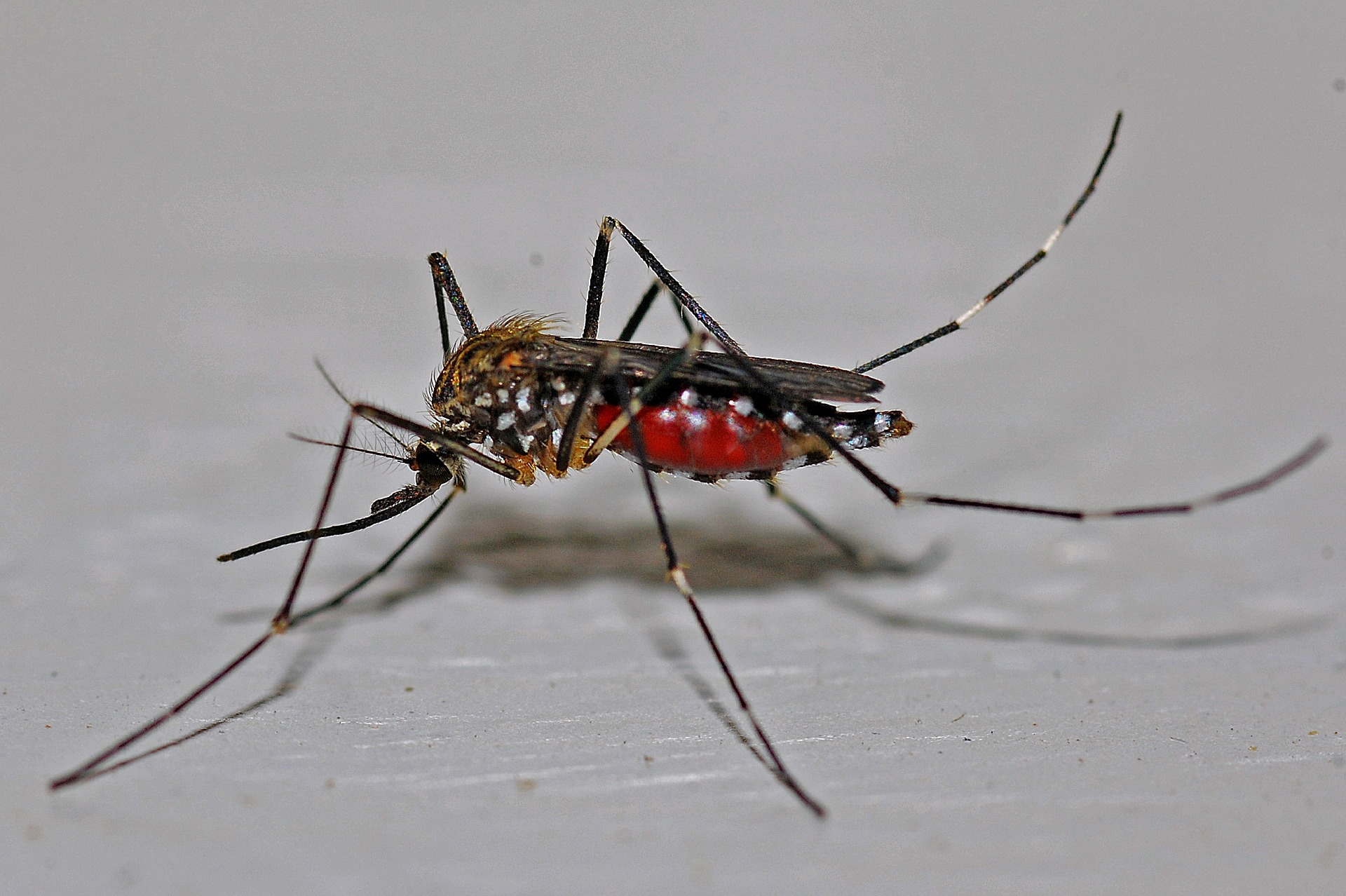
Souce: Coffee, Pixabay, C.C.
Unless you’ve been fasting from the media, you’ve probably heard by now of the Zika virus. Though Zika has been around for decades, a new strain of the disease, thought to have come to Brazil by way of soccer fans from Polynesia visiting during the World Cup, has made the virus the topic du jure on account of a sudden and alarming uptick of children born with microcephaly in the Nordeste, the Northeast of Brazil. This new strain of Zika is very likely the cause. Though it has received less attention, it is also suspected in a sudden rise in cases of Guillain–Barré syndrome in the same region. The scope of the problem has now widened to include countries throughout Latin America and is expected to affect every country in the Americas where the Aedes Aegypti mosquito resides, which includes every country except Chile and Canada. The situation is concerning enough that the World Health Organization has labelled the Zika outbreak an international emergency. That said, it is important to recall that, beyond what is present to our senses, almost all of our information about the world is channeled to us by the media. That media profits by our attention and there is no better way of getting our attention than telling us that we and our children are in danger. Other, less commendable fears can also drive the media narrative. If that were not enough, conspiracy theories, that supreme manifestation of the unskeptical mind, have begun to surface. Just as predictably, the abortion true believers have entered the scene, petitioning Brazil’s supreme court to relax the country’s abortion laws (abortion is illegal in Brazil except in cases of rape and when the mother’s life is endangered) so that the problem of microcephaly will go away, or rather that children with microcephaly will go away. Some individuals with the condition have, understandably, registered their concern with such an approach. The bishops of Brazil addressed the situation this week in a press release from their National Conference of Bishops. The translation is my own.
Message from the National Conference of Brazilian Bishops on combatting Aedes Aegypti
“You have given me health and restored my life.” (Is 38.16b)
The Episcopal Pastoral Counsel (CONSEP), of the National Conference of Brazilian Bishops (CNBB), meeting in Brasíla-DF, from the 3rd to the 4th of February, 2016, ask all of the church of Brazil to continue and intensify the effort to fight the spread of Aedes Aegypti, which is the mosquito species responsible for the transmission of Dengue, the Zika virus, and Chikungunya. With the help of a great many people, from every sector of society, we are able to defeat these diseases that effect the entire population of Brazil.
Because of its likely, though not yet scientifically proven, link with microcephaly, the Zika virus deserves special attention. The gravity of the situation caused the World Health Organization to declare microcephaly and the Zika virus an international emergency. Though we should not panic as if the situation were hopeless, it is nevertheless very serious. However, this does not justify defending abortion as a remedy for cases of microcephaly, as, sadly, some groups are attempting, in total defiance of the gift of life, by taking abortion to the Supreme Court. It is crucial and urgent to assist those who have been affected by these illnesses, especially children born with microcephaly and their families. Health, the gift and right of all people, should be safeguarded, first and foremost, by the public authorities. It is their role to implement policies that lead to a good quality and universal system of public health. In this spirit the Campanha da Fraternidade Ecumênica* this year focuses on the problem of the shameful lack of basic sanitation in Brazil. Without an effective national policy of basic sanitation all of the effort in controlling Aedes Aegypti is jeopardized. In addition, the commitment of every citizen is indispensable in the task of eradicating this evil that challenges our institutions. This begins with education and a sense of joint responsibility. For this reason, we exhort the leaders of our church communities to organize actions and add to the initiatives that are attempting to solve the problem. All are to demand and oversee action by those in power. In celebrations, assemblies, and meetings, clear and direct guidelines should be given to make people aware of the seriousness of the situation and to provide ways to combat the virus and its transmission. With the combined efforts of all, we cannot fail.
God, in His infinite mercy, makes health spread throughout the earth (Sir. 38.8). Our Lady of Aparecida, mother and patron of Brazil, help us in our evangelical duty to promote and defend life.
Brasília, February 4th, 2016
Dom Sergio da Rocha, Archbishop of Brasília and President of the CNBB
Dom Murilo S.R. Krieger, Archbishop of Salvador and Vice President of the CNBB
Dom Leonardo Ulrich Steiner, Auxiliary bishop of Brasília and Secretary general of the CNBB
*The CFE is a campaign, led by the Brazilian bishops, but with the involvement of other Christian denominations, that sets a concrete agenda of prayer and practical initiatives every Lent on some specific topic or theme, such as human trafficking or education.
Previous Post

February 6, 2016
Elegies for the drowned.
Next Post
February 7, 2016 Sunday Samba #2
Browse Our Archives
Select a Category Uncategorized
Select a Month April 2016 March 2016 February 2016 January 2016
Follow Us!
TAKE THE
Religious Wisdom Quiz
What does "Siloam" mean in Hebrew?
Select your answer to see how you score.
Refreshing Sent Cleansing Peace
Related posts from The Skeptical Catholic

A plea for a measure of incoherence


Sunday Samba #4, Martinho da Vila.

TRENDING AT PATHEOS Catholic

The Parable Of The Sower And The Word...
One of Christ’s most famous parables is that of the sower who...

Rejecting Doom: Christian Hope And Human Action
Christianity is a religion of hope. We are to have hope and...

Why I Choose the Eucharist Over the Sermon
Choose the Eucharist, Not the Sermon What are we supposed to get...

5 Design Elements Found in Spiritually Rooted Homes
Putting Spirituality Into Home Decor Our homes are more than our living...

Credo: A Story of God Told with the...
About 10 years ago, I began to imagine a personal "Credo" that...

The Anatomy of Divine Revelation in Catholic Thought
The claim that God has made Himself known to human beings is...
view all Catholic blogs
Ad-Free & Subscriber Log-In Subscription Support
- About Us
- 2026 Calendar
- Videos
- Podcasts
- Library of World Religions
- Faith In Media Tracker
- Advertise With Us
- Write for Us
- Privacy Policy
- Terms of Service
- Do Not Sell My Data
- Contact Us
- Radiant Digital
- Manage Newsletter Subscriptions
- Unsubscribe From Notifications
- Sitemap
Copyright 2008-2026, Patheos. All rights reserved.
Subscription Support Ad-Free & Subscriber Log-In
Follow Patheos