
BuddhistCatholicContemplativeEvangelicalGeneral ChristianHinduJewishLatter-day SaintMuslimNew VisionsProgressive Christian
Beliefs
- Buddhist
- Catholic
- Contemplative
- Evangelical
- General Christian
- Hindu
- Jewish
- Latter-day Saint
- More Voices
- Muslim
- New Visions
- Pagan
- Progressive Christian
Topics
- Religion News
- Food and Religion
- Sports and Religion
- Religious Art
- Religious Music and Entertainment
- Religious Events
- History and Religion
- Style and Religion
- Politics and Religion
- Women in Religion
- Recreation Outdoors and Religion
- Business Finance and Religion
- Careers Workplace and Religion
- Education and Religion
- Family Parenting and Religion
- Health Fitness and Religion
- Home and Religion
- Relationships and Religion
- Technology and Religion
- Travel and Religion
Columnists
- Buddhist Columnists
- Business Finance and Religion Columnists
- Careers Workplace and Religion Columnists
- Catholic Columnists
- Contemplative Columnists
- Education and Religion Columnists
- Evangelists Columnists
- Family Parenting and Religion Columnists
- General Christian Columnists
- Health Fitness and Religion Columnists
- Hindu Columnists
- History and Religion Columnists
- Home and Religion Columnists
- Jewish Columnists
- More Voices Columnists
- Latter Day Columnists
- Muslim Columnists
- New Visions Columnists
- Nonreligious Columnists
- Pagan Columnists
- Politics and Religion Columnists
- Progressive Columnists
- Recreation Outdoors and Religion Columnists
- Relationships and Religion Columnists
- Religion News Columnists
- Religious Art Columnists
- Religious Events Columnists
- Religious Music and Entertainment Columnists
- Sports and Religion Columnists
- Style and Religion Columnists
- Technology and Religion Columnists
- Travel and Religion Columnists
- Women in Religion Columnists
Resource Library
- 2026 Calendar
- Library of World Religions
- The 100 Most Holy Places on Earth
- Patheos Answers
- Podcasts
- Videos
- Faith Leaders Database
- Anglican Episcopalian
- Bahai
- Baptist
- Buddhism
- Christianity
- Confucianism
- Eastern Orthodoxy
- Hinduism
- Holiness and Pentecostal
- ISKCON
- Islam
- Judaism
- Lutheran
- Methodist
- The Church of Jesus Christ of Latter-day Saints
- New Age
- Paganism
- Presbytarian and Reformed
- Protestantism
- Religion Behind the Scenes
- Roman Catholic
- Scientology
- Shia Islam
- Sikhism
- Sufism
- Sunni Islam
- Taoism
- Zen
- See all religions
Research Tools
 Ad-Free & Subscriber Log-In Subscription Support
Ad-Free & Subscriber Log-In Subscription Support
Follow Patheos 

- Trending:
- Forgiveness
- |
- Marriage
- |
- Consciousness
- |
- Death Penalty
- |
- Election
- |
- Halloween
 I Have to Sit Down
- Home
- Contact me
- FAQses
- Simcha's Store
- Speaking
- All Posts
- The Sinner's Guide to NFP
- Shop Amazon Here!
- Home
- Catholic
- Making ashes out of you and me
Making ashes out of you and me
Last updated on: February 19, 2015 at 9:34 am by Simcha Fisher
Making ashes out of you and me 2015-02-19T09:34:35-05:00 Simcha Fisher
Patheos Explore the world's faith through different perspectives on religion and spirituality! Patheos has the views of the prevalent religions and spiritualities of the world.
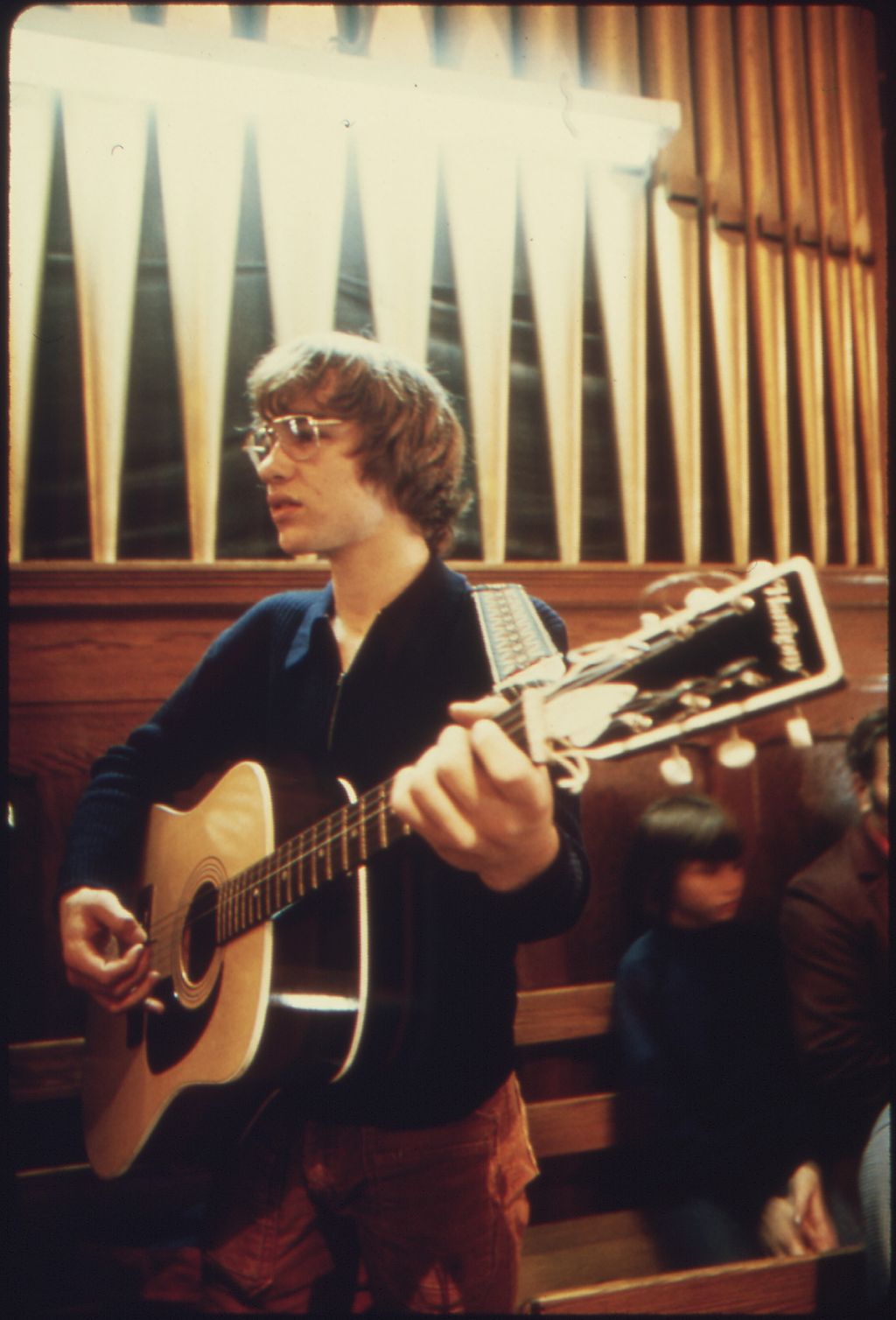
What a shame that Ash Wednesday comes but once a year. For many of us, that’s the only opportunity we have to experience what many people consider the lyrical poet Thomas Conry’s masterwork. Let’s take a closer look.
The first lines are something of a ruse, are they not? Listen:
We rise again from ashes,
from the good we’ve failed to do.
We rise again from ashes,
to create ourselves anew.
If all our world is ashes,
then must our lives be true,
an offering of ashes, an offering to you.
We are lulled by the conventional rhyme scheme, ABABABB, into expecting that the theme will be conventional, as well. The speaker cannily completes the rhyme by using the same word, “ashes,” three times, as if to signal, “Nothing new here, no particular reason to pay attention.” Even the finial sounds of the words, “ashes,” “do,” “ashes,” “anew,” and once again “ashes,” followed by “true” and “you” — do you hear it? the “sh” followed by “oo” . . . it almost sounds like the soft, untroubled breath of a sleeper. “Shh . . .ooo.” Our narrator appears almost to be snoring, does he not? He is deliberately lulling us to sleep.
But a surprise awaits us in the second stanza.
We offer you our failures,
we offer you attempts,
the gifts not fully given,
the dreams not fully dreamt.
Give our stumblings direction,
give our visions wider view,
an offering of ashes, an offering to you.
Gone are the soft sibilants of the previous lines, and instead, we are confronted with deliberately jarring plosives (/b/ /p/ /t/ /d/) in “Gifts not fully given, / … dreams not fully dreamt.” Not fully, indeed. The very percussive violence of the sound is a statement: the speaker has awoken, and he is in distress, perhaps stuttering and spluttering like a confused patient who was supposed to be etherised upon a table, but they ran out of ether. “Give our stumblings direction,” he haltingly pleads — but then subsides again into the inarticulate vagueness, perhaps experiencing a swollen tongue: “give our visions wider view,” he mouths with a wagging jaw, in an achingly poignant parody of the semi-conscious man struggling to make sense of a world where significance seems always to be verging on the horizon.
Notice that in this second stanza, the rhyme scheme has sutbly shifted from the pedestrian ABABABB to the chaotic and freewheeling ABCBDEE. This indicates that the speaker is confused.
The third stanza seems to find the speaker in a contemplative mood, lapsing again into what appears, at first, to be conventional, even clichéd imagery: rising from ashes, sunshine turning to rain, and so on:
Then rise again from ashes,
let healing come to pain,
though spring has turned to winter,
and sunshine turned to rain.
The rain we’ll use for growing,
and create the world anew
from an offering of ashes, an offering to you.
But what are we to make of those troublesom conjunctions “then” and “though”? They can’t merely be metric placeholders, can they, with no intrinsic significance? Don’t believe it. Every syllable in this concise little jewel of a work is freighted with meaning. Some of the meaning is so subtle, it would wither under the strong light of scrutiny, much like a seedling which is brought to light in the springtime which, in an unprecedented meteorological event possible only in poetry, turns to winter, and then is sunny, and then rainy, and then becomes ashes, or possibly used to be ashes. Delicate seedlings just can’t take that kind of abuse; and so it is with conjunctions in the hands of the poet Conry. Exquisite.
And now the tour de force: the final stanza. Here we discover at last the full blown expression of the hints and murmuring suggestions sprinkled like so many ashes throughout the rest of the poem. The speaker proclaims in triumph:
Thanks be to the Father,
who made us like himself.
Thanks be to his Son,
who saved us by his death.
Thanks be to the Spirit
who creates the world anew
from an offering of ashes, an offering to you.
Do you see? Do you see? It was the ashes all along. Ashes!
***
This post originally ran at the Register last year.
Photo credit: Wikimedia Commons
What me waste my college education
Previous Post

February 17, 2015
Oh, the Lents you can Lent!
Next Post

February 19, 2015 Of Catholics and capybaras
Browse Our Archives
Select a Category Uncategorized
Select a Month November 2015 October 2015 September 2015 August 2015 July 2015 June 2015 May 2015 April 2015 March 2015 February 2015 January 2015 December 2014 November 2014 October 2014 September 2014 August 2014 July 2014 June 2014 May 2014 April 2014 March 2014 February 2014 January 2014 December 2013 November 2013 October 2013 September 2013 August 2013 July 2013 June 2013 May 2013 April 2013 March 2013 February 2013 January 2013 December 2012 November 2012 October 2012 September 2012 August 2012 July 2012 June 2012 May 2012 April 2012 March 2012 February 2012 January 2012 December 2011 November 2011 October 2011 September 2011 August 2011 July 2011 June 2011 May 2011 April 2011 March 2011 February 2011 January 2011 December 2010 November 2010 October 2010 September 2010 August 2010 July 2010 June 2010
Follow Us!
TAKE THE
Religious Wisdom Quiz
In Revelation, what is the correct sequence of events in the End Times?
Select your answer to see how you score.
Mark of the beast given, dragon cast to earth, beast rises, false prophet rises Beast rises from sea, dragon cast to earth, mark of the beast given, false prophet rises False prophet rises, dragon cast to earth, beast rises from sea, mark of the beast given Dragon cast to earth, beast rises from sea, false prophet rises from earth, mark of the beast given
Related posts from I Have to Sit Down

Reading, watching, listening to ...

I'm reading, I'm watching, I'm listening to ....

I'm reading, I'm watching, I'm listening to ...

The lady was sad, and MAD. (We showed...
TRENDING AT PATHEOS Catholic

The Parable Of The Sower And The Word...
One of Christ’s most famous parables is that of the sower who...

Rejecting Doom: Christian Hope And Human Action
Christianity is a religion of hope. We are to have hope and...

Why I Choose the Eucharist Over the Sermon
Choose the Eucharist, Not the Sermon What are we supposed to get...

5 Design Elements Found in Spiritually Rooted Homes
Putting Spirituality Into Home Decor Our homes are more than our living...

Credo: A Story of God Told with the...
About 10 years ago, I began to imagine a personal "Credo" that...

The Anatomy of Divine Revelation in Catholic Thought
The claim that God has made Himself known to human beings is...
view all Catholic blogs
Ad-Free & Subscriber Log-In Subscription Support
- About Us
- 2026 Calendar
- Videos
- Podcasts
- Library of World Religions
- Faith In Media Tracker
- Advertise With Us
- Write for Us
- Privacy Policy
- Terms of Service
- Do Not Sell My Data
- Contact Us
- Radiant Digital
- Manage Newsletter Subscriptions
- Unsubscribe From Notifications
- Sitemap
Copyright 2008-2026, Patheos. All rights reserved.
Subscription Support Ad-Free & Subscriber Log-In
Follow Patheos