
BuddhistCatholicContemplativeEvangelicalGeneral ChristianHinduJewishLatter-day SaintMuslimNew VisionsProgressive Christian
Beliefs
- Buddhist
- Catholic
- Contemplative
- Evangelical
- General Christian
- Hindu
- Jewish
- Latter-day Saint
- More Voices
- Muslim
- New Visions
- Pagan
- Progressive Christian
Topics
- Religion News
- Food and Religion
- Sports and Religion
- Religious Art
- Religious Music and Entertainment
- Religious Events
- History and Religion
- Style and Religion
- Politics and Religion
- Women in Religion
- Recreation Outdoors and Religion
- Business Finance and Religion
- Careers Workplace and Religion
- Education and Religion
- Family Parenting and Religion
- Health Fitness and Religion
- Home and Religion
- Relationships and Religion
- Technology and Religion
- Travel and Religion
Columnists
- Buddhist Columnists
- Business Finance and Religion Columnists
- Careers Workplace and Religion Columnists
- Catholic Columnists
- Contemplative Columnists
- Education and Religion Columnists
- Evangelists Columnists
- Family Parenting and Religion Columnists
- General Christian Columnists
- Health Fitness and Religion Columnists
- Hindu Columnists
- History and Religion Columnists
- Home and Religion Columnists
- Jewish Columnists
- More Voices Columnists
- Latter Day Columnists
- Muslim Columnists
- New Visions Columnists
- Nonreligious Columnists
- Pagan Columnists
- Politics and Religion Columnists
- Progressive Columnists
- Recreation Outdoors and Religion Columnists
- Relationships and Religion Columnists
- Religion News Columnists
- Religious Art Columnists
- Religious Events Columnists
- Religious Music and Entertainment Columnists
- Sports and Religion Columnists
- Style and Religion Columnists
- Technology and Religion Columnists
- Travel and Religion Columnists
- Women in Religion Columnists
Resource Library
- 2026 Calendar
- Library of World Religions
- The 100 Most Holy Places on Earth
- Patheos Answers
- Podcasts
- Videos
- Faith Leaders Database
- Anglican Episcopalian
- Bahai
- Baptist
- Buddhism
- Christianity
- Confucianism
- Eastern Orthodoxy
- Hinduism
- Holiness and Pentecostal
- ISKCON
- Islam
- Judaism
- Lutheran
- Methodist
- The Church of Jesus Christ of Latter-day Saints
- New Age
- Paganism
- Presbytarian and Reformed
- Protestantism
- Religion Behind the Scenes
- Roman Catholic
- Scientology
- Shia Islam
- Sikhism
- Sufism
- Sunni Islam
- Taoism
- Zen
- See all religions
Research Tools
 Ad-Free & Subscriber Log-In Subscription Support
Ad-Free & Subscriber Log-In Subscription Support
Follow Patheos 

- Trending:
- Forgiveness
- |
- Marriage
- |
- Consciousness
- |
- Death Penalty
- |
- Election
- |
- Halloween
 Sick Pilgrim
- Home
- Catholic
- Dark Devotional: Can We Live on Bread Alone?
Dark Devotional: Can We Live on Bread Alone?
Last updated on: November 5, 2021 at 4:47 am by guest writer
Dark Devotional: Can We Live on Bread Alone? 2021-11-04T09:55:55-05:00 guest writer
Patheos Explore the world's faith through different perspectives on religion and spirituality! Patheos has the views of the prevalent religions and spiritualities of the world.
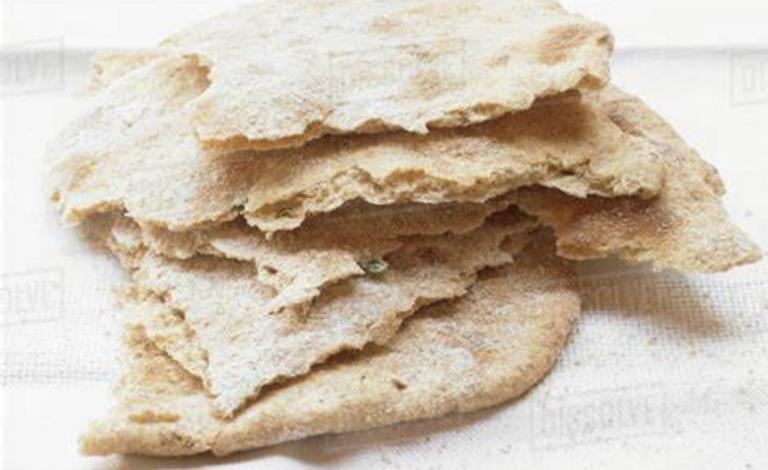
The first reading this Sunday is the story of the woman who shared her last bit of bread with the prophet Elijah. In this passage, Elijah asks a woman for a drink of water and a morsel of bread. There is a famine in the land, and the woman replies that she only has enough flour and oil for one more loaf of bread. After she and her son eat that last loaf, she tells Elijah, they will die.
Elijah instructs her to share the bread and promises that the Lord will provide. And He does. For a full year after Elijah’s visit, the flour does not run out. Nor does the oil. The woman and her son are fed for a year because they were generous to the prophet in spite of their poverty.
As a child, I loved this story. It has the feel of a fable or a fairy tale about it. The moral of the story is that generosity begets generosity. Goodness is rewarded. Everyone is happy.
As an adult (and particularly as a parent) this passage feels different. How many times do parents have to tell their kids, “No, you can’t have bread alone for three meals a day. That’s not good for you.”
What’s more, we aren’t talking about a loaf of bread made with milk, eggs, and sunflower seeds. We’re talking about a recipe that involves flour, oil, and water. That’s it.
The woman and her son do not starve, but what they are given is something meager. The miracle is not that the famine ends. The miracle is not that they are granted a healthy diet rich in vitamins. The miracle is that they get what they already had: flour and oil. The miracle is simply: they get to eat.
There is a tension these days when I read scripture. My tendency is always to read as if I am looking for a metaphor. I want to say – this passage isn’t really a story about bread. It’s a story about the generosity of God. It’s a story about how we are called to be generous toward each other. It’s a story about how God takes the meager bit we have and feeds us for a year!
I like reading scripture this way. Honestly, it’s safe. It protects me from awkward questions like – could the woman and her son really survive on bread made only from flour, water, and oil? What health issues would her son have because of childhood malnutrition? What if they had celiac disease and wheat was actually harmful to them? Were their neighbors okay or did they run out of flour and die?
These questions matter. They matter because sometimes what God gives us feels meager. Sometimes our faith feels meager. Moreover, sometimes we look at our lives expecting a metaphor. We want to be able to say, “The moral of the story of my life is x.” We want to be able to understand the meaning of our lives.
The difficulty is that clearly defining the meaning of my life is not the same as living it. In attempting to live a life of faith, it’s easy to get caught up in trying to understand. It’s easy to get caught up in trying to define how God is present. It’s easy to try to make God be present by insisting on understanding our lives in a certain way.
The awkward questions about scripture matter because they are awkward questions I have about my life. They matter precisely because they aren’t metaphorical. They aren’t symbolic. They take reality seriously.
There’s nothing wrong with looking at scripture through a lens of metaphor and symbolism. There’s nothing wrong with looking for God’s presence in our lives. But I increasingly feel a pull toward a practical lens. It’s worth leaning into awkward, uncomfortable questions that demand concrete realities. Not everything is a fable. Not everything is a metaphor.
Maren Grossman is a contributor and former assistant editor at Sick Pilgrim. She received an M.A. in philosophy from Catholic University in 2007, but left grad school to homeschool her kids. Her work has appeared in the online journal Living Education, the journal Convivium, and the Ethel Zine.
Previous Post

November 3, 2021
Tales from the Confessional
Next Post

November 8, 2021 Things Keeping Us Going: There's A Cow in the Yard Edition
Browse Our Archives
Select a Category Advent Approaching Mystery art Book Reviews Catholic Ghost Story Catholicism community Confession Current Events Dark Devotional Deconstruction Deconstruction Fellow Travelers I Want To Believe Interview Laudato Si Lent Mary Matthew's Letters Movie Reviews Music Reviews Our Charism Personal Essay Pilgrims Pope Francis Popular Piety Prayer Publishing Richard Beck Saints Satan Sheed and Ward Sick Pilgrim Charism Sick Pilgrim Chats Sick Pilgrim Events Sick Pilgrim Travelin' Medicine Show Sick Pilgrimage to The West Sick Pilgrims Small Joys Spiritual Autobiography Spooky Files of Ave Maria Magazine Spooky October Spooky Pilgrim Spooky Pilgrimage Strange Journey The Inklings Things Keeping Us Going Trying to Say God TV Reviews Uncategorized women in the Catholic Church Wonder Podcast Write the Vision
Select a Month February 2022 January 2022 December 2021 November 2021 October 2021 September 2021 August 2021 July 2021 June 2021 May 2021 April 2021 March 2021 February 2021 January 2021 December 2020 April 2020 March 2020 February 2020 January 2020 December 2019 October 2019 September 2019 July 2019 June 2019 May 2019 April 2019 March 2019 February 2019 January 2019 December 2018 November 2018 October 2018 September 2018 August 2018 July 2018 June 2018 May 2018 April 2018 March 2018 February 2018 January 2018 December 2017 November 2017 October 2017 September 2017 August 2017 July 2017 June 2017 May 2017 April 2017 March 2017 February 2017 January 2017 December 2016 November 2016 October 2016 September 2016 August 2016 July 2016 June 2016 May 2016 April 2016 March 2016 February 2016 January 2016 December 2015
Follow Us!
TAKE THE
Religious Wisdom Quiz
What does "Satan" mean in Hebrew?
Select your answer to see how you score.
Adversary Murderer Deceiver Destroyer
Related posts from Sick Pilgrim

Dark Devotional: The Firelight of Life

Dark Devotional: Let Me Smite Him

Dark Devotional: Woe to Me, for I Have...

TRENDING AT PATHEOS Catholic

Rejecting Doom: Christian Hope And Human Action
Christianity is a religion of hope. We are to have hope and...

It’s What Comes From Within Which Matters
One of the most difficult things for us to understand is why...

Why I Choose the Eucharist Over the Sermon
Choose the Eucharist, Not the Sermon What are we supposed to get...

5 Design Elements Found in Spiritually Rooted Homes
Putting Spirituality Into Home Decor Our homes are more than our living...

Credo: A Story of God Told with the...
About 10 years ago, I began to imagine a personal "Credo" that...

The Anatomy of Divine Revelation in Catholic Thought
The claim that God has made Himself known to human beings is...
view all Catholic blogs
Ad-Free & Subscriber Log-In Subscription Support
- About Us
- 2026 Calendar
- Videos
- Podcasts
- Library of World Religions
- Faith In Media Tracker
- Advertise With Us
- Write for Us
- Privacy Policy
- Terms of Service
- Do Not Sell My Data
- Contact Us
- Radiant Digital
- Manage Newsletter Subscriptions
- Unsubscribe From Notifications
- Sitemap
Copyright 2008-2026, Patheos. All rights reserved.
Subscription Support Ad-Free & Subscriber Log-In
Follow Patheos