
BuddhistCatholicContemplativeEvangelicalGeneral ChristianHinduJewishLatter-day SaintMuslimNew VisionsProgressive Christian
Beliefs
- Buddhist
- Catholic
- Contemplative
- Evangelical
- General Christian
- Hindu
- Jewish
- Latter-day Saint
- More Voices
- Muslim
- New Visions
- Pagan
- Progressive Christian
Topics
- Religion News
- Food and Religion
- Sports and Religion
- Religious Art
- Religious Music and Entertainment
- Religious Events
- History and Religion
- Style and Religion
- Politics and Religion
- Women in Religion
- Recreation Outdoors and Religion
- Business Finance and Religion
- Careers Workplace and Religion
- Education and Religion
- Family Parenting and Religion
- Health Fitness and Religion
- Home and Religion
- Relationships and Religion
- Technology and Religion
- Travel and Religion
Columnists
- Buddhist Columnists
- Business Finance and Religion Columnists
- Careers Workplace and Religion Columnists
- Catholic Columnists
- Contemplative Columnists
- Education and Religion Columnists
- Evangelists Columnists
- Family Parenting and Religion Columnists
- General Christian Columnists
- Health Fitness and Religion Columnists
- Hindu Columnists
- History and Religion Columnists
- Home and Religion Columnists
- Jewish Columnists
- More Voices Columnists
- Latter Day Columnists
- Muslim Columnists
- New Visions Columnists
- Nonreligious Columnists
- Pagan Columnists
- Politics and Religion Columnists
- Progressive Columnists
- Recreation Outdoors and Religion Columnists
- Relationships and Religion Columnists
- Religion News Columnists
- Religious Art Columnists
- Religious Events Columnists
- Religious Music and Entertainment Columnists
- Sports and Religion Columnists
- Style and Religion Columnists
- Technology and Religion Columnists
- Travel and Religion Columnists
- Women in Religion Columnists
Resource Library
- 2026 Calendar
- Library of World Religions
- The 100 Most Holy Places on Earth
- Patheos Answers
- Podcasts
- Videos
- Faith Leaders Database
- Anglican Episcopalian
- Bahai
- Baptist
- Buddhism
- Christianity
- Confucianism
- Eastern Orthodoxy
- Hinduism
- Holiness and Pentecostal
- ISKCON
- Islam
- Judaism
- Lutheran
- Methodist
- The Church of Jesus Christ of Latter-day Saints
- New Age
- Paganism
- Presbytarian and Reformed
- Protestantism
- Religion Behind the Scenes
- Roman Catholic
- Scientology
- Shia Islam
- Sikhism
- Sufism
- Sunni Islam
- Taoism
- Zen
- See all religions
Research Tools
 Ad-Free & Subscriber Log-In Subscription Support
Ad-Free & Subscriber Log-In Subscription Support
Follow Patheos 

- Trending:
- Forgiveness
- |
- Marriage
- |
- Consciousness
- |
- Death Penalty
- |
- Election
- |
- Halloween

- Home
- About Hebrew College
- The Rabbinical School of Hebrew College
- The Book of Psalms
- FREE NEWSLETTER
- Home
- Jewish
- Elul, T’shuvah, and Shame: The Eglah Arufah
Elul, T’shuvah, and Shame: The Eglah Arufah
Last updated on: August 12, 2021 at 10:32 am by Hebrew College
Elul, T’shuvah, and Shame: The Eglah Arufah 2021-08-12T10:32:41-04:00 Hebrew College
Patheos Explore the world's faith through different perspectives on religion and spirituality! Patheos has the views of the prevalent religions and spiritualities of the world.
Parashat Shoftim (Deuteronomy 16:18–21:9)
By Rafi Ellenson | August 9, 2021
Now that Elul has begun, I am once again undertaking the process of chesbon ha’nefesh—accounting of the soul. Reflecting on the year that was, I meditate on moments I fell short and times when I could have been better to my loved ones, as well as to the greater community around me. Frankly, it is hard not to wince when thinking of particularly embarrassing or shameful incidents. And while, fortunately, these instances did not define my year, they nonetheless punctuated it with uncomfortably large commas.
I—and many of us—suffer from shame, as defined by therapist and researcher Dr. Brené Brown, as an “intensely painful feeling or experience of believing that we are flawed and therefore unworthy of love and belonging.” It is part of human experience to experience this, however difficult that might be. And as I read the close of Parshat Shoftim and the description of the eglah arufah—the decapitated calf—using Brené Brown’s definition of shame, I understand the authors of Tanakh as struggling with this same painful emotion and wondering how to wield it.
In describing what one does when one finds a murdered body out in the open and the murderer is unknown, the laws of the eglah arufah, which come at the close of a proposed Israelite constitution in the parashah, provide a roadmap and inspiration for how to process shame into actionable change.
If, in the land that YHWH your God is assigning you to possess, someone slain is found lying in the open, the identity of the slayer not being known, your elders and magistrates shall go out and measure the distances from the corpse to the nearby towns.
The elders of the town nearest to the corpse shall then take a heifer which has never been worked, which has never pulled in a yoke; and the elders of that town shall bring the heifer down to an ever flowing wadi, which is not tilled or sown. There, in the wadi, they shall break the heifer’s neck. (Deut 21:1-4)
כִּי־יִמָּצֵ֣א חָלָ֗ל בָּאֲדָמָה֙ אֲשֶׁר֩ יְהֹוָ֨ה אֱלֹהֶ֜יךָ נֹתֵ֤ן לְךָ֙ לְרִשְׁתָּ֔הּ נֹפֵ֖ל בַּשָּׂדֶ֑ה לֹ֥א נוֹדַ֖ע מִ֥י הִכָּֽהוּ׃
וְיָצְא֥וּ זְקֵנֶ֖יךָ וְשֹׁפְטֶ֑יךָ וּמָדְדוּ֙ אֶל־הֶ֣עָרִ֔ים אֲשֶׁ֖ר סְבִיבֹ֥ת הֶחָלָֽל׃
וְהָיָ֣ה הָעִ֔יר הַקְּרֹבָ֖ה אֶל־הֶחָלָ֑ל וְלָֽקְח֡וּ זִקְנֵי֩ הָעִ֨יר הַהִ֜וא עֶגְלַ֣ת בָּקָ֗ר אֲשֶׁ֤ר לֹֽא־עֻבַּד֙ בָּ֔הּ אֲשֶׁ֥ר לֹא־מָשְׁכָ֖ה בְּעֹֽל׃
וְהוֹרִ֡דוּ זִקְנֵי֩ הָעִ֨יר הַהִ֤וא אֶת־הָֽעֶגְלָה֙ אֶל־נַ֣חַל אֵיתָ֔ן אֲשֶׁ֛ר לֹא־יֵעָבֵ֥ד בּ֖וֹ וְלֹ֣א יִזָּרֵ֑עַ וְעָֽרְפוּ־שָׁ֥ם אֶת־הָעֶגְלָ֖ה בַּנָּֽחַל׃
In the set up, we are given a tragic scene. In the land that God has given to B’nei Yisrael, someone has been murdered, and, after searching and examination, there is no answer as to who the murderer is. The leaders of the area are then tasked to take a young cow to a field and, in a fashion dissimilar from typical sacrifice, kill the cow. The text goes on:
The priests, sons of Levi, shall come forward; for YHWH your God has chosen them to minister to Him and to pronounce blessing in the name of YHWH, and every lawsuit and case of assault is subject to their ruling. Then all the elders of the town nearest to the corpse shall wash their hands over the heifer whose neck was broken in the wadi. And they shall make this declaration: “Our hands did not shed this blood, nor did our eyes see it done.” (Deut. 21:5-7)
וְנִגְּשׁ֣וּ הַכֹּהֲנִים֮ בְּנֵ֣י לֵוִי֒ כִּ֣י בָ֗ם בָּחַ֞ר יְהֹוָ֤ה אֱלֹהֶ֙יךָ֙ לְשָׁ֣רְת֔וֹ וּלְבָרֵ֖ךְ בְּשֵׁ֣ם יְהֹוָ֑ה וְעַל־פִּיהֶ֥ם יִהְיֶ֖ה כׇּל־רִ֥יב וְכׇל־נָֽגַע׃
וְכֹ֗ל זִקְנֵי֙ הָעִ֣יר הַהִ֔וא הַקְּרֹבִ֖ים אֶל־הֶחָלָ֑ל יִרְחֲצוּ֙ אֶת־יְדֵיהֶ֔ם עַל־הָעֶגְלָ֖ה הָעֲרוּפָ֥ה בַנָּֽחַל׃
וְעָנ֖וּ וְאָמְר֑וּ יָדֵ֗ינוּ לֹ֤א (שפכה) [שָֽׁפְכוּ֙] אֶת־הַדָּ֣ם הַזֶּ֔ה וְעֵינֵ֖ינוּ לֹ֥א רָאֽוּ׃
In killing the cow, the elders reassert their lack of culpability in the initial murder. But I’m left with a deeper curiosity—why, after killing this cow do these elders assert their lack of guilt? It reads as a deep denial and outgrowth of shame.
I put myself in the feet of these leaders. How could I have allowed this crime to happen in my community? How could I not know the person—or people!—who might be responsible? Where could I have gone wrong? Indeed, a common and appropriate question for Elul.
The tannaim and amoraim conclude that the elders make their declaration to reassure that they have not neglected the needs of the community, thereby necessitating the murderer’s actions, nor have they given a false judgment that the murderer is truly missing. But who are these elders reassuring? Who is this bloody ritual for?
Maimonides, in the Guide for the Perplexed, argues that the ritual itself is meaningless and the importance of eglah arufah is the publication of the crime and the search for the murderer. This argument places the need for the ritual squarely on the crime itself without a deeper emotional valence.
This strikes me as unrealistic. The violent nature of the ritual creates high stakes—mirroring the already high stakes of the situation. Moreover, the community itself— dependent on agriculture—suffers from the death of an animal that has yet to work a day in its life. There is pressure, stress, and shame on the elders’ shoulders , as they are tasked with bearing the burden of their people and ensuring that this ritual should never have to happen.
The description of the law—and the parashah—ends with a transition from the shame of the elders to a description of guilt as a concept:
Absolve, O YHWH, Your people Israel whom You redeemed, and do not let guilt for the blood of the innocent remain among Your people Israel. And they will be absolved of bloodguilt. Thus you will remove from your midst guilt for the blood of the innocent, for you will be doing what is right in the sight of YHWH. (Deut. 21:8-9)
כַּפֵּר֩ לְעַמְּךָ֨ יִשְׂרָאֵ֤ל אֲשֶׁר־פָּדִ֙יתָ֙ יְהֹוָ֔ה וְאַל־תִּתֵּן֙ דָּ֣ם נָקִ֔י בְּקֶ֖רֶב עַמְּךָ֣ יִשְׂרָאֵ֑ל וְנִכַּפֵּ֥ר לָהֶ֖ם הַדָּֽם׃
וְאַתָּ֗ה תְּבַעֵ֛ר הַדָּ֥ם הַנָּקִ֖י מִקִּרְבֶּ֑ךָ כִּֽי־תַעֲשֶׂ֥ה הַיָּשָׁ֖ר בְּעֵינֵ֥י יְהֹוָֽה׃
Dr. Brené Brown differentiates between guilt and shame. “Shame is a focus on self; guilt is a focus on behavior.” This complements with Shadal’s 19th century commentary he notes that the eglah arufah reinforces a “belief in the notion that all Jews are responsible for each other.” Shadal’s reading—read through Dr. Brown’s lens— teaches us to understand the eglah arufah as a lesson in the positive utility of guilt as a catalyst for communal responsibility.
As we embark on our personal journeys this Elul before the Yamim Nora’im, I encourage us all to remember that there is no genuine t’shuvah until we turn from individualistic shame that prompts self-flagellation to guilt that prompts inquiry to action—which, God willing, prompts us to build, strengthen, and cultivate selves and communities without room for violence or ills.
May this Elul be one of meaningful contemplation and productive guilt, work, and cheshbon ha’nefesh for us all.
Rafi Ellenson is a second year rabbinical student at Hebrew College. He works as a Rabbinic Intern at the Bronfman Fellowship, a mentor at The Dignity Project of the Miller Center for Interreligious Learning & Leadership at Hebrew College, and as a freelance educator and translator specializing in Hebrew-language learning and poetry. A graduate of Goddard College and a past recipient of the Dorot Fellowship in Israel, Rafi lived and worked in the NGO-sector of Jerusalem and Tel Aviv before beginning his studies at Hebrew College.
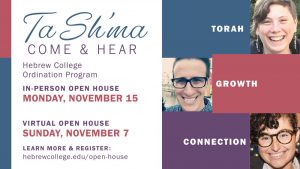 Want to learn more about our rabbinical program?
Join us for one of our November Open Houses. Learn more and register here.
Previous Post

August 5, 2021
Blessing, Curse, and the Freedom to Choose
Next Post
August 17, 2021 Returning to Our Neighbors—To See or Not to See?
Browse Our Archives
Select a Category Uncategorized
Select a Month April 2026 March 2026 December 2025 November 2025 October 2025 September 2025 August 2025 July 2025 June 2025 May 2025 April 2025 March 2025 February 2025 January 2025 December 2024 November 2024 October 2024 September 2024 August 2024 July 2024 June 2024 May 2024 April 2024 March 2024 February 2024 January 2024 December 2023 November 2023 October 2023 September 2023 August 2023 July 2023 June 2023 May 2023 April 2023 March 2023 February 2023 January 2023 December 2022 November 2022 October 2022 September 2022 August 2022 July 2022 June 2022 May 2022 April 2022 March 2022 February 2022 January 2022 December 2021 November 2021 October 2021 September 2021 August 2021 July 2021 June 2021 May 2021 April 2021 March 2021 February 2021 January 2021 December 2020 November 2020 October 2020 September 2020 August 2020 July 2020 June 2020 May 2020 April 2020 March 2020 February 2020 January 2020 December 2019 November 2019 October 2019 September 2019 August 2019 July 2019 June 2019 May 2019 April 2019 March 2019 February 2019 January 2019 December 2018 November 2018 October 2018 September 2018 August 2018 July 2018 June 2018 May 2018 April 2018 March 2018 February 2018 January 2018 December 2017 November 2017 October 2017 September 2017 August 2017 July 2017 June 2017
Follow Us!
TAKE THE
Religious Wisdom Quiz
What miracle did Elijah perform for a widow at Zarephath?
Select your answer to see how you score.
Fed 5,000 Cured leprosy Turned water to wine Multiplied flour and oil
Related posts from Seventy Faces of Torah

The Holy Art of World Building

Parashat Tzav: Keeping the Sacred Fire Burning

Color Theory: What Joseph’s Coat Reveals
TRENDING AT PATHEOS Jewish

Building a Little Ark in a Frightening World
This past Shabbat, we read about Noah. I love this story. The...

Yom Kippur : Is There Always Room for...
Making Room for Forgiveness Every year as Yom Kippur approaches, I find...

This Rosh Hashanah: Can I Find New Meaning?
A Sunrise, a New Year, and a Question On our way to...

Killing Amalek: The Torah’s Most Misunderstood Commandment
Few passages of the Torah have provoked more confusion, polemic, and misuse...

I have never trusted a first draft. I don’t mean that...

Back to School, Back to Reality—and a New...
A New School Year Begins… Back to Reality A new school year...
view all Jewish blogs
Ad-Free & Subscriber Log-In Subscription Support
- About Us
- 2026 Calendar
- Videos
- Podcasts
- Library of World Religions
- Faith In Media Tracker
- Advertise With Us
- Write for Us
- Privacy Policy
- Terms of Service
- Do Not Sell My Data
- Contact Us
- Radiant Digital
- Manage Newsletter Subscriptions
- Unsubscribe From Notifications
- Sitemap
Copyright 2008-2026, Patheos. All rights reserved.
Subscription Support Ad-Free & Subscriber Log-In
Follow Patheos