
BuddhistCatholicContemplativeEvangelicalGeneral ChristianHinduJewishLatter-day SaintMuslimNew VisionsProgressive Christian
Beliefs
- Buddhist
- Catholic
- Contemplative
- Evangelical
- General Christian
- Hindu
- Jewish
- Latter-day Saint
- More Voices
- Muslim
- New Visions
- Pagan
- Progressive Christian
Topics
- Religion News
- Food and Religion
- Sports and Religion
- Religious Art
- Religious Music and Entertainment
- Religious Events
- History and Religion
- Style and Religion
- Politics and Religion
- Women in Religion
- Recreation Outdoors and Religion
- Business Finance and Religion
- Careers Workplace and Religion
- Education and Religion
- Family Parenting and Religion
- Health Fitness and Religion
- Home and Religion
- Relationships and Religion
- Technology and Religion
- Travel and Religion
Columnists
- Buddhist Columnists
- Business Finance and Religion Columnists
- Careers Workplace and Religion Columnists
- Catholic Columnists
- Contemplative Columnists
- Education and Religion Columnists
- Evangelists Columnists
- Family Parenting and Religion Columnists
- General Christian Columnists
- Health Fitness and Religion Columnists
- Hindu Columnists
- History and Religion Columnists
- Home and Religion Columnists
- Jewish Columnists
- More Voices Columnists
- Latter Day Columnists
- Muslim Columnists
- New Visions Columnists
- Nonreligious Columnists
- Pagan Columnists
- Politics and Religion Columnists
- Progressive Columnists
- Recreation Outdoors and Religion Columnists
- Relationships and Religion Columnists
- Religion News Columnists
- Religious Art Columnists
- Religious Events Columnists
- Religious Music and Entertainment Columnists
- Sports and Religion Columnists
- Style and Religion Columnists
- Technology and Religion Columnists
- Travel and Religion Columnists
- Women in Religion Columnists
Resource Library
- 2026 Calendar
- Library of World Religions
- The 100 Most Holy Places on Earth
- Patheos Answers
- Podcasts
- Videos
- Faith Leaders Database
- Anglican Episcopalian
- Bahai
- Baptist
- Buddhism
- Christianity
- Confucianism
- Eastern Orthodoxy
- Hinduism
- Holiness and Pentecostal
- ISKCON
- Islam
- Judaism
- Lutheran
- Methodist
- The Church of Jesus Christ of Latter-day Saints
- New Age
- Paganism
- Presbytarian and Reformed
- Protestantism
- Religion Behind the Scenes
- Roman Catholic
- Scientology
- Shia Islam
- Sikhism
- Sufism
- Sunni Islam
- Taoism
- Zen
- See all religions
Research Tools
 Ad-Free & Subscriber Log-In Subscription Support
Ad-Free & Subscriber Log-In Subscription Support
Follow Patheos 

- Trending:
- Forgiveness
- |
- Marriage
- |
- Consciousness
- |
- Death Penalty
- |
- Election
- |
- Halloween

- Home
- About Hebrew College
- The Rabbinical School of Hebrew College
- The Book of Psalms
- FREE NEWSLETTER
- Home
- Jewish
- You Shall Have Nothing But Joy
You Shall Have Nothing But Joy
Last updated on: September 26, 2018 at 6:15 pm by Hebrew College
You Shall Have Nothing But Joy 2018-09-26T18:15:15-04:00 Hebrew College
Patheos Explore the world's faith through different perspectives on religion and spirituality! Patheos has the views of the prevalent religions and spiritualities of the world.
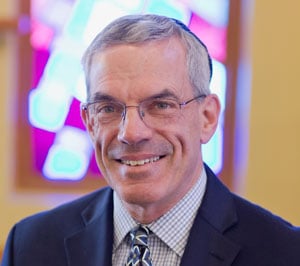 Sukkot
By Rabbi Brian Besser
Yom Kippur is the most ethereal of Jewish holidays. On the holiest day of the year, we symbolically shed the trappings of material existence. To my mind, the reason for fasting is not so much to afflict ourselves but to elevate ourselves above the earthly plane of reality. As much as humanly possible, we abstain from physical needs and urges. We don’t eat; we don’t bathe; we don’t engage in sexual relations; if we could, we wouldn’t sleep or go to the bathroom, either. On Yom Kippur, we yearn to leave our bodies behind and soar like the angels. It’s the closest we ever come, this side of death, to merging with the Infinite and abiding in God’s presence as pure souls.
Sukkot is exactly the opposite. On Sukkot, we indulge the very physical pleasures we denied several days earlier. The Sukkot rituals provide a feast for the five senses: touching the bumpy surface of the Etrog and imbibing deeply its sweet fragrance, running our fingers along the hard fronds of the palm branch and listening to the rustling sound as we wave it, enjoying the breeze in our hair and the sun on our skin as we go outside to the Sukkah for a delicious meal. Then there’s the sexual symbolism of the Lulav and Etrog —particularly fitting for this harvest festival, which celebrates the bounty and mystery of creation and procreation.
Rabbi Sue Silberberg, my colleague here in Bloomington, points out another dichotomy between the two occasions. The demands of Yom Kippur are largely internal and individual, including remorse for past misdeeds and the earnest pursuit of reconciliation and forgiveness in our personal relations. Sukkot directs us outward, as we open ourselves toward one another, as well as nature and all of humanity. Like the tent of Abraham and Sarah, the Sukkah welcomes the entire community, and the stranger besides, and its permeable covering admits the natural surroundings and the sky.
“Vehayita ach same’ach” is Sukkot’s primary directive: “You shall have nothing but joy.” What an astounding commandment! (Or is it a promise?) Rabbi Sacks writes: “Joy, not happiness, is a central Jewish value. Whereas happiness may be a state of mind of the individual, joy is something we must share together. ‘For seven days, you shall eat and rejoice,’ says the Torah, ‘you, your sons and daughters, together with the stranger, the orphan and the widow among you.’ Joy is communal. It is never experienced in solitude.”
As I frequently remind my Introduction to Judaism students, ours is not a monastic religion. We are not meant to dwell on a mountaintop in solitary communion with the Spirit; we have been placed here to engage in the challenges and enjoy the delights of this life on Earth. If we spend one Day of Atonement a year purifying our souls, it’s only so that we may reemerge, refreshed and restored, and reengage in the work and pleasures of the everyday world. We do not seek ultimate reward in some heavenly realm after death; paradise is to be found here and now.
It’s a shame that many American Jews short-circuit the penitential season by observing Rosh Hashanah and Yom Kippur only. In its exposition of sacred occasions in Leviticus, however, the Torah makes clear that the entire liturgical calendar culminates in the weeklong festival of Sukkot, for which “Yom Tru’ah” (the Biblical name for Rosh Hashanah) and Yom Kippur serve as preludes. Purged of regret and remorse on Yom Kippur, and embraced despite our human shortcomings, we are now invited on Sukkot to rejoice deeply in the richness of being alive, the sheer physicality of it. The real prize for all the painstaking work of teshuvah is awakening to others, to the world at large, and to life itself. Or, as Kohelet puts it (in the scriptural “Wisdom Book” assigned to Sukkot): “Go eat your bread in gladness, and drink your wine in joy; for your actions have long ago been approved by God.”
Brian Besser, ordained at the Rabbinical School of Hebrew College in 2010, serves Congregation Beth Shalom in Bloomington, Indiana.
 Learn more about Hebrew College’s rabbinical and cantorial programs on November 12, 2018 at Ta Sh’ma (Come & hear), a Fall Open House & Day of Learning for prospective rabbinical, rav-hazzan and cantorial students.
Previous Post

September 17, 2018
What Comes After
Next Post
October 3, 2018 We Are Created Creative
Browse Our Archives
Select a Category Uncategorized
Select a Month April 2026 March 2026 December 2025 November 2025 October 2025 September 2025 August 2025 July 2025 June 2025 May 2025 April 2025 March 2025 February 2025 January 2025 December 2024 November 2024 October 2024 September 2024 August 2024 July 2024 June 2024 May 2024 April 2024 March 2024 February 2024 January 2024 December 2023 November 2023 October 2023 September 2023 August 2023 July 2023 June 2023 May 2023 April 2023 March 2023 February 2023 January 2023 December 2022 November 2022 October 2022 September 2022 August 2022 July 2022 June 2022 May 2022 April 2022 March 2022 February 2022 January 2022 December 2021 November 2021 October 2021 September 2021 August 2021 July 2021 June 2021 May 2021 April 2021 March 2021 February 2021 January 2021 December 2020 November 2020 October 2020 September 2020 August 2020 July 2020 June 2020 May 2020 April 2020 March 2020 February 2020 January 2020 December 2019 November 2019 October 2019 September 2019 August 2019 July 2019 June 2019 May 2019 April 2019 March 2019 February 2019 January 2019 December 2018 November 2018 October 2018 September 2018 August 2018 July 2018 June 2018 May 2018 April 2018 March 2018 February 2018 January 2018 December 2017 November 2017 October 2017 September 2017 August 2017 July 2017 June 2017
Follow Us!
TAKE THE
Religious Wisdom Quiz
I am twelve stones taken from a riverbed and set up as a memorial to a miraculous crossing. What am I?
Select your answer to see how you score.
The Stones of remembrance The memorial stones Bethel Altar stones
Related posts from Seventy Faces of Torah

The Holy Art of World Building

Parashat Tzav: Keeping the Sacred Fire Burning

Color Theory: What Joseph’s Coat Reveals
TRENDING AT PATHEOS Jewish

Yom Kippur : Is There Always Room for...
Making Room for Forgiveness Every year as Yom Kippur approaches, I find...

This Rosh Hashanah: Can I Find New Meaning?
A Sunrise, a New Year, and a Question On our way to...

Killing Amalek: The Torah’s Most Misunderstood Commandment
Few passages of the Torah have provoked more confusion, polemic, and misuse...

I have never trusted a first draft. I don’t mean that...

Back to School, Back to Reality—and a New...
A New School Year Begins… Back to Reality A new school year...

Out-Crowleying Crowley: The Emptiness of the O9A
O9A Neo-Crowley Racial Cosplay and Edgelord Atrocitism Aleister Crowley did not create...
view all Jewish blogs
Ad-Free & Subscriber Log-In Subscription Support
- About Us
- 2026 Calendar
- Videos
- Podcasts
- Library of World Religions
- Faith In Media Tracker
- Advertise With Us
- Write for Us
- Privacy Policy
- Terms of Service
- Do Not Sell My Data
- Contact Us
- Radiant Digital
- Manage Newsletter Subscriptions
- Unsubscribe From Notifications
- Sitemap
Copyright 2008-2026, Patheos. All rights reserved.
Subscription Support Ad-Free & Subscriber Log-In
Follow Patheos