
BuddhistCatholicContemplativeEvangelicalGeneral ChristianHinduJewishLatter-day SaintMuslimNew VisionsProgressive Christian
Beliefs
- Buddhist
- Catholic
- Contemplative
- Evangelical
- General Christian
- Hindu
- Jewish
- Latter-day Saint
- More Voices
- Muslim
- New Visions
- Pagan
- Progressive Christian
Topics
- Religion News
- Food and Religion
- Sports and Religion
- Religious Art
- Religious Music and Entertainment
- Religious Events
- History and Religion
- Style and Religion
- Politics and Religion
- Women in Religion
- Recreation Outdoors and Religion
- Business Finance and Religion
- Careers Workplace and Religion
- Education and Religion
- Family Parenting and Religion
- Health Fitness and Religion
- Home and Religion
- Relationships and Religion
- Technology and Religion
- Travel and Religion
Columnists
- Buddhist Columnists
- Business Finance and Religion Columnists
- Careers Workplace and Religion Columnists
- Catholic Columnists
- Contemplative Columnists
- Education and Religion Columnists
- Evangelists Columnists
- Family Parenting and Religion Columnists
- General Christian Columnists
- Health Fitness and Religion Columnists
- Hindu Columnists
- History and Religion Columnists
- Home and Religion Columnists
- Jewish Columnists
- More Voices Columnists
- Latter Day Columnists
- Muslim Columnists
- New Visions Columnists
- Nonreligious Columnists
- Pagan Columnists
- Politics and Religion Columnists
- Progressive Columnists
- Recreation Outdoors and Religion Columnists
- Relationships and Religion Columnists
- Religion News Columnists
- Religious Art Columnists
- Religious Events Columnists
- Religious Music and Entertainment Columnists
- Sports and Religion Columnists
- Style and Religion Columnists
- Technology and Religion Columnists
- Travel and Religion Columnists
- Women in Religion Columnists
Resource Library
- 2026 Calendar
- Library of World Religions
- The 100 Most Holy Places on Earth
- Patheos Answers
- Podcasts
- Videos
- Faith Leaders Database
- Anglican Episcopalian
- Bahai
- Baptist
- Buddhism
- Christianity
- Confucianism
- Eastern Orthodoxy
- Hinduism
- Holiness and Pentecostal
- ISKCON
- Islam
- Judaism
- Lutheran
- Methodist
- The Church of Jesus Christ of Latter-day Saints
- New Age
- Paganism
- Presbytarian and Reformed
- Protestantism
- Religion Behind the Scenes
- Roman Catholic
- Scientology
- Shia Islam
- Sikhism
- Sufism
- Sunni Islam
- Taoism
- Zen
- See all religions
Research Tools
 Ad-Free & Subscriber Log-In Subscription Support
Ad-Free & Subscriber Log-In Subscription Support
Follow Patheos 

- Trending:
- Forgiveness
- |
- Marriage
- |
- Consciousness
- |
- Death Penalty
- |
- Election
- |
- Halloween

- Home
- About Hebrew College
- The Rabbinical School of Hebrew College
- The Book of Psalms
- FREE NEWSLETTER
- Home
- Jewish
- Asking for Change
Asking for Change
Last updated on: July 3, 2018 at 11:49 am by Hebrew College
Asking for Change 2018-07-03T11:49:31-04:00 Hebrew College
Patheos Explore the world's faith through different perspectives on religion and spirituality! Patheos has the views of the prevalent religions and spiritualities of the world.
 Parshat Pinchas, Numbers 25:10-30:1
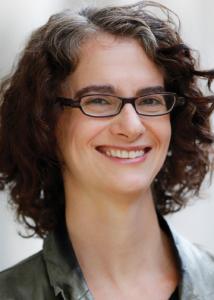
By Rabbi Jane Kanarek
About ten years ago, I was introduced to two books that have become part of my must-read list: Women Don’t Ask and Ask For It. Written by Linda Babcock and Sara Laschever, these books describe the cultural reasons women do not often ask for what they want, the costs of not doing so, and strategies for negotiation. In contexts both personal and professional, these books teach women how to ask and, in the process of asking, to engage in structural and societal change.
And so with these books in mind, I am particularly struck in this week’s parshah by the question, “Lamah?” (“why) that Mahlah, Noah, Hoglah, Milcah, and Tirzah ask after their father’s death. “Why,” these five women say, “should our father’s name be lost simply because he did not have a son? Give us land amongst our father’s kinsmen” (Numbers 27:4). In asking for land after their father Zelophehad’s death, Mahlah, Noah, Hoglah, Milcah, and Tirzah challenge a patriarchal system where only sons inherit. Coming before not only Israel’s leaders—Moses, Eleazer, and the chieftains—but also the entire community, these women have the audacity to negotiate for change. Indeed, the Torah describes the daughters of Zelophehad as crafting a clever message to ask for their inheritance. They argue that since their father did not join Korah’s rebellion against God, his death without male heirs should not be viewed as punishment. Rather, Zelophehad’s name should be passed on through their inheritance of his land.
What gives Mahlah, Noah, Hoglah, Milcah, and Tirzah the confidence to ask for this change? A striking early midrashic tradition depicts the sisters consulting with one another before they present their argument:
When the daughters of Tzelophehad heard that the land would be divided among the tribes to males and not to females, they gathered to counsel one another. They said, “Human compassion is not like God’s compassion. Humans have compassion on males more than females. But the One who Spoke the World into Being is not like this. God’s compassion is on males and females [equally]. God’s compassion is on all. As it is written, “God is good to all and God’s compassion is for all God’s creations” (Psalms 145:9). (Sifrei Bemidbar 133)
These five women name for themselves the injustice of human law and a confidence in God’s law. Humans law is biased towards males; Divine law rests equally on all of God’s creations. And in fact, when Moses does bring the daughters’ case before God for judgement, God sides with the daughters. If a man dies without a son, God rules, property should be transferred to his daughter.
This successful negotiation is not, however, ultimately without compromises. For as the story continues, the Torah limits a daughter’s right of inheritance. Any female who inherits her father’s land must marry into her father’s tribe in order to ensure that his land is not passed out of his tribe; she is not free to marry outside the tribe. We should ask, the story teaches, but we may also not get everything that we want.
As I watch our country’s leaders take children from their parents in the name of law, I hope that, following in the footsteps of Mahlah, Noah, Hoglah, Milcah, and Tirzah we too will gather together to remember and to remind that Divine compassion falls on all God’s creation. And, following in these daughter’s footsteps and with their knowledge of the possibility for and limits of change, I trust that this shabbat we will ask, “Lamah?” and then have the audacity to strategize for the change our country so deeply needs.
Jane Kanarek is Associate Professor of Rabbinics at theRabbinical School of Hebrew College in Newton Centre, MA.
Interested in a possible career in the rabbinate? Read Rabbi Dan Judson’s article “Jewish Lessons on Meaningful Work.“ Rabbi Judson is Dean of the Rabbinical School of Hebrew College. He has a PhD in Jewish history from Brandeis University.
Previous Post

July 2, 2018
Justice in the Wilderness
Next Post
July 10, 2018 Where have you come from and where are you going?
Browse Our Archives
Select a Category Uncategorized
Select a Month April 2026 March 2026 December 2025 November 2025 October 2025 September 2025 August 2025 July 2025 June 2025 May 2025 April 2025 March 2025 February 2025 January 2025 December 2024 November 2024 October 2024 September 2024 August 2024 July 2024 June 2024 May 2024 April 2024 March 2024 February 2024 January 2024 December 2023 November 2023 October 2023 September 2023 August 2023 July 2023 June 2023 May 2023 April 2023 March 2023 February 2023 January 2023 December 2022 November 2022 October 2022 September 2022 August 2022 July 2022 June 2022 May 2022 April 2022 March 2022 February 2022 January 2022 December 2021 November 2021 October 2021 September 2021 August 2021 July 2021 June 2021 May 2021 April 2021 March 2021 February 2021 January 2021 December 2020 November 2020 October 2020 September 2020 August 2020 July 2020 June 2020 May 2020 April 2020 March 2020 February 2020 January 2020 December 2019 November 2019 October 2019 September 2019 August 2019 July 2019 June 2019 May 2019 April 2019 March 2019 February 2019 January 2019 December 2018 November 2018 October 2018 September 2018 August 2018 July 2018 June 2018 May 2018 April 2018 March 2018 February 2018 January 2018 December 2017 November 2017 October 2017 September 2017 August 2017 July 2017 June 2017
Follow Us!
TAKE THE
Religious Wisdom Quiz
Who said, "You are the Christ, the Son of the living God"?
Select your answer to see how you score.
Peter James John Paul
Related posts from Seventy Faces of Torah

The Holy Art of World Building

Parashat Tzav: Keeping the Sacred Fire Burning

Color Theory: What Joseph’s Coat Reveals
TRENDING AT PATHEOS Jewish

Building a Little Ark in a Frightening World
This past Shabbat, we read about Noah. I love this story. The...

Yom Kippur : Is There Always Room for...
Making Room for Forgiveness Every year as Yom Kippur approaches, I find...

This Rosh Hashanah: Can I Find New Meaning?
A Sunrise, a New Year, and a Question On our way to...

Killing Amalek: The Torah’s Most Misunderstood Commandment
Few passages of the Torah have provoked more confusion, polemic, and misuse...

I have never trusted a first draft. I don’t mean that...

Back to School, Back to Reality—and a New...
A New School Year Begins… Back to Reality A new school year...
view all Jewish blogs
Ad-Free & Subscriber Log-In Subscription Support
- About Us
- 2026 Calendar
- Videos
- Podcasts
- Library of World Religions
- Faith In Media Tracker
- Advertise With Us
- Write for Us
- Privacy Policy
- Terms of Service
- Do Not Sell My Data
- Contact Us
- Radiant Digital
- Manage Newsletter Subscriptions
- Unsubscribe From Notifications
- Sitemap
Copyright 2008-2026, Patheos. All rights reserved.
Subscription Support Ad-Free & Subscriber Log-In
Follow Patheos