
BuddhistCatholicContemplativeEvangelicalGeneral ChristianHinduJewishLatter-day SaintMuslimNew VisionsProgressive Christian
Beliefs
- Buddhist
- Catholic
- Contemplative
- Evangelical
- General Christian
- Hindu
- Jewish
- Latter-day Saint
- More Voices
- Muslim
- New Visions
- Pagan
- Progressive Christian
Topics
- Religion News
- Food and Religion
- Sports and Religion
- Religious Art
- Religious Music and Entertainment
- Religious Events
- History and Religion
- Style and Religion
- Politics and Religion
- Women in Religion
- Recreation Outdoors and Religion
- Business Finance and Religion
- Careers Workplace and Religion
- Education and Religion
- Family Parenting and Religion
- Health Fitness and Religion
- Home and Religion
- Relationships and Religion
- Technology and Religion
- Travel and Religion
Columnists
- Buddhist Columnists
- Business Finance and Religion Columnists
- Careers Workplace and Religion Columnists
- Catholic Columnists
- Contemplative Columnists
- Education and Religion Columnists
- Evangelists Columnists
- Family Parenting and Religion Columnists
- General Christian Columnists
- Health Fitness and Religion Columnists
- Hindu Columnists
- History and Religion Columnists
- Home and Religion Columnists
- Jewish Columnists
- More Voices Columnists
- Latter Day Columnists
- Muslim Columnists
- New Visions Columnists
- Nonreligious Columnists
- Pagan Columnists
- Politics and Religion Columnists
- Progressive Columnists
- Recreation Outdoors and Religion Columnists
- Relationships and Religion Columnists
- Religion News Columnists
- Religious Art Columnists
- Religious Events Columnists
- Religious Music and Entertainment Columnists
- Sports and Religion Columnists
- Style and Religion Columnists
- Technology and Religion Columnists
- Travel and Religion Columnists
- Women in Religion Columnists
Resource Library
- 2026 Calendar
- Library of World Religions
- The 100 Most Holy Places on Earth
- Patheos Answers
- Podcasts
- Videos
- Faith Leaders Database
- Anglican Episcopalian
- Bahai
- Baptist
- Buddhism
- Christianity
- Confucianism
- Eastern Orthodoxy
- Hinduism
- Holiness and Pentecostal
- ISKCON
- Islam
- Judaism
- Lutheran
- Methodist
- The Church of Jesus Christ of Latter-day Saints
- New Age
- Paganism
- Presbytarian and Reformed
- Protestantism
- Religion Behind the Scenes
- Roman Catholic
- Scientology
- Shia Islam
- Sikhism
- Sufism
- Sunni Islam
- Taoism
- Zen
- See all religions
Research Tools
 Ad-Free & Subscriber Log-In Subscription Support
Ad-Free & Subscriber Log-In Subscription Support
Follow Patheos 

- Trending:
- Forgiveness
- |
- Marriage
- |
- Consciousness
- |
- Death Penalty
- |
- Election
- |
- Halloween
 The Secular Spectrum
- Home
- Nonreligious
- The Pantheists: Nature is God
The Pantheists: Nature is God
Last updated on: October 14, 2015 at 1:45 pm by Dale McGowan
The Pantheists: Nature is God 2015-10-14T13:45:30-05:00 Dale McGowan
Patheos Explore the world's faith through different perspectives on religion and spirituality! Patheos has the views of the prevalent religions and spiritualities of the world.

| By Dale McGowan |
Part of an ongoing series on The Unpigeonholeables
Pantheism, which means “all-God,” is the view that the universe and God are one and the same. Any reverence or worship is directed not to a god in human form, or in any form at all, but to the whole of the cosmos, and spirituality is centered not on a traditional deity but on nature.
The atheist philosopher Daniel Dennett said, “Is something sacred? Yes, say I with Nietzsche. I could not pray to it, but I can stand in affirmation of its magnificence. This world is sacred.” Though I doubt Dennett would call himself a pantheist, his quote touches on this nontraditional worldview, one that found a name in the late 17th century.
As with agnosticism and other labels, the practice predated the term by thousands of years. Many thinkers in ancient Greece, China, and India expressed conceptions of God that today would be called pantheistic. Christian church leaders considered pantheism heretical during the medieval period, and then it was revived and gained its name in the run-up to the Enlightenment.
Though the philosopher Baruch Spinoza held strongly pantheistic views, it was an especially popular worldview for poets and other romantics of the 18th and 19th centuries, including Walt Whitman, Ralph Waldo Emerson, Henry David Thoreau, and William Wordsworth. Like all good unorthodoxies, pantheism drew a sound papal spanking, this time from Pius IX’s 1864 Syllabus of Errors. In fact, “pantheism” had the distinction of being the very first word in the papal document — a résumé-brightener for any heresy.
Albert Einstein often made statements that suggest a kind of pantheistic belief: “I believe in Spinoza’s God, who reveals himself in the harmony of all that exists, not in a God who concerns himself with the fate and the doings of mankind,” for example, and “I do not believe in a personal God . . . If something is in me which can be called religious, then it is the unbounded admiration for the structure of the world so far as our science can reveal it.” Yet Einstein disclaimed pantheism as a label in another letter, saying, “I don’t think I can call myself a pantheist.” And despite his occasional use of the word “God” (for example, “God doesn’t play dice with the universe”), he also made it clear that he didn’t believe in the existence of any kind of traditional, personal God.
As for atheism, Einstein was adamant in rejecting what he saw as a declaration of certainty that God doesn’t exist, and especially rejected “fanatical atheists” who combat religious belief.
In the end, though he is claimed by all sides (for obvious reasons), and despite an ongoing flirtation with pantheism, Einstein preferred what he called an “attitude of humility,” saying, “You may call me an agnostic.”
Well okay then.
Public domain image from Wikimedia


Excerpt from Atheism for Dummies by Dale McGowan (Wiley, 2013)
DALE McGOWAN has written and edited 11 books, mostly focused on the nonreligious life. He was Harvard Humanist of the Year in 2008 and founded the humanist charity Foundation Beyond Belief in 2010. Dale is now content development editor and Atheist Channel manager for Patheos. He lives in Atlanta.
Previous Post

October 9, 2015
Deists: Believers in a different kind of creator
Next Post
October 18, 2015 Why Atheism Is a Bad Time-Traveler
Browse Our Archives
Select a Category Ableism Activism Addiction and Recovery Agnosticism Anti-intellectualism Arts Atheism Beauty Catholicism Charles Darwin Children China Christianity Church/State separation churchgoing communication compassionate humanism Creationism critical thinking Culture death disaster response doubt education Egypt Entertainment Environment ethics evolution Existence of God Exploration fear Foundation Beyond Belief Free speech God Health History Human rights humanism identity India Interfaith Islam labels Language LGBT Love Meaning Media Medicine Middle East misconceptions mixed belief marriage Moral argument Morality Myths Near-Death Experience Nonreligious parenting Parody Persecution complex Philosophy Poetry Politics prayer Psychology Rationality Religion religious atheists Religious privilege Republican Party Satire Schools science secular parenting Spirituality The Unpigeonholeables Uncategorized United Kingdom Wonder
Select a Month March 2021 August 2020 March 2020 January 2020 September 2019 July 2019 June 2019 April 2019 February 2019 January 2019 December 2018 November 2018 October 2018 September 2018 August 2018 July 2018 June 2018 May 2018 April 2018 March 2018 February 2018 January 2018 December 2017 November 2017 October 2017 September 2017 August 2017 July 2017 March 2017 February 2017 January 2017 December 2016 November 2016 October 2016 September 2016 August 2016 July 2016 June 2016 May 2016 April 2016 March 2016 February 2016 January 2016 December 2015 November 2015 October 2015 September 2015 June 2015 March 2015 February 2015 January 2015 December 2014 November 2014 October 2014 September 2014
Follow Us!
TAKE THE
Religious Wisdom Quiz
What was the Jewish place of assembly for worship and teaching called?
Select your answer to see how you score.
Synagogue Tabernacle Temple Court
Related posts from The Secular Spectrum
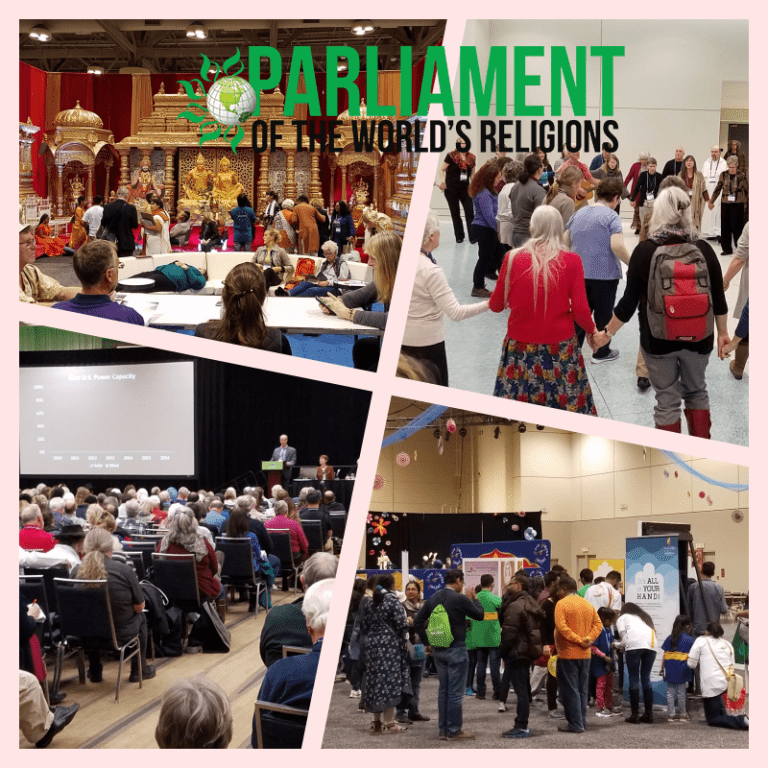
American Pluralism: Its Promises and Struggles


Atheism in Colombia: Not as Different as You...

Beyond the Brand: Finding the Communal Self Behind...
TRENDING AT PATHEOS Nonreligious

Dethroning Jesus and Enthroning Yourself
Jesus Never Asked to Be Worshipped. He Asked to Be Understood. Christianity...

Why Most Christians are Really Paulians and Jobians
I Don't Care, But It Matters Let's get this out of the...

Essential Tips to Successfully Navigate the Selling Process
Selling a house can feel overwhelming, but it doesn’t have to be....

To Make Remote Work Effective, Think About Others
The COVID-19 pandemic forced many companies to rapidly transition to remote work....

Flexibility Is Key to Solving Problems of Tomorrow
The world of work is undergoing a dramatic transformation. The COVID-19 pandemic...
view all Nonreligious blogs
Ad-Free & Subscriber Log-In Subscription Support
- About Us
- 2026 Calendar
- Videos
- Podcasts
- Library of World Religions
- Faith In Media Tracker
- Advertise With Us
- Write for Us
- Privacy Policy
- Terms of Service
- Do Not Sell My Data
- Contact Us
- Radiant Digital
- Manage Newsletter Subscriptions
- Unsubscribe From Notifications
- Sitemap
Copyright 2008-2026, Patheos. All rights reserved.
Subscription Support Ad-Free & Subscriber Log-In
Follow Patheos