
BuddhistCatholicContemplativeEvangelicalGeneral ChristianHinduJewishLatter-day SaintMuslimNew VisionsProgressive Christian
Beliefs
- Buddhist
- Catholic
- Contemplative
- Evangelical
- General Christian
- Hindu
- Jewish
- Latter-day Saint
- More Voices
- Muslim
- New Visions
- Pagan
- Progressive Christian
Topics
- Religion News
- Food and Religion
- Sports and Religion
- Religious Art
- Religious Music and Entertainment
- Religious Events
- History and Religion
- Style and Religion
- Politics and Religion
- Women in Religion
- Recreation Outdoors and Religion
- Business Finance and Religion
- Careers Workplace and Religion
- Education and Religion
- Family Parenting and Religion
- Health Fitness and Religion
- Home and Religion
- Relationships and Religion
- Technology and Religion
- Travel and Religion
Columnists
- Buddhist Columnists
- Business Finance and Religion Columnists
- Careers Workplace and Religion Columnists
- Catholic Columnists
- Contemplative Columnists
- Education and Religion Columnists
- Evangelists Columnists
- Family Parenting and Religion Columnists
- General Christian Columnists
- Health Fitness and Religion Columnists
- Hindu Columnists
- History and Religion Columnists
- Home and Religion Columnists
- Jewish Columnists
- More Voices Columnists
- Latter Day Columnists
- Muslim Columnists
- New Visions Columnists
- Nonreligious Columnists
- Pagan Columnists
- Politics and Religion Columnists
- Progressive Columnists
- Recreation Outdoors and Religion Columnists
- Relationships and Religion Columnists
- Religion News Columnists
- Religious Art Columnists
- Religious Events Columnists
- Religious Music and Entertainment Columnists
- Sports and Religion Columnists
- Style and Religion Columnists
- Technology and Religion Columnists
- Travel and Religion Columnists
- Women in Religion Columnists
Resource Library
- 2026 Calendar
- Library of World Religions
- The 100 Most Holy Places on Earth
- Patheos Answers
- Podcasts
- Videos
- Faith Leaders Database
- Anglican Episcopalian
- Bahai
- Baptist
- Buddhism
- Christianity
- Confucianism
- Eastern Orthodoxy
- Hinduism
- Holiness and Pentecostal
- ISKCON
- Islam
- Judaism
- Lutheran
- Methodist
- The Church of Jesus Christ of Latter-day Saints
- New Age
- Paganism
- Presbytarian and Reformed
- Protestantism
- Religion Behind the Scenes
- Roman Catholic
- Scientology
- Shia Islam
- Sikhism
- Sufism
- Sunni Islam
- Taoism
- Zen
- See all religions
Research Tools
 Ad-Free & Subscriber Log-In Subscription Support
Ad-Free & Subscriber Log-In Subscription Support
Follow Patheos 

- Trending:
- Forgiveness
- |
- Marriage
- |
- Consciousness
- |
- Death Penalty
- |
- Election
- |
- Halloween
 Sam Rocha
- Home
- Catholic
- Are Mainline Protestants Christian? — A guest post by Stephen H. Webb
Are Mainline Protestants Christian? — A guest post by Stephen H. Webb
Last updated on: February 4, 2015 at 6:33 pm by Sam Rocha
Are Mainline Protestants Christian? — A guest post by Stephen H. Webb 2015-02-04T18:33:09-06:00 Sam Rocha
Patheos Explore the world's faith through different perspectives on religion and spirituality! Patheos has the views of the prevalent religions and spiritualities of the world.
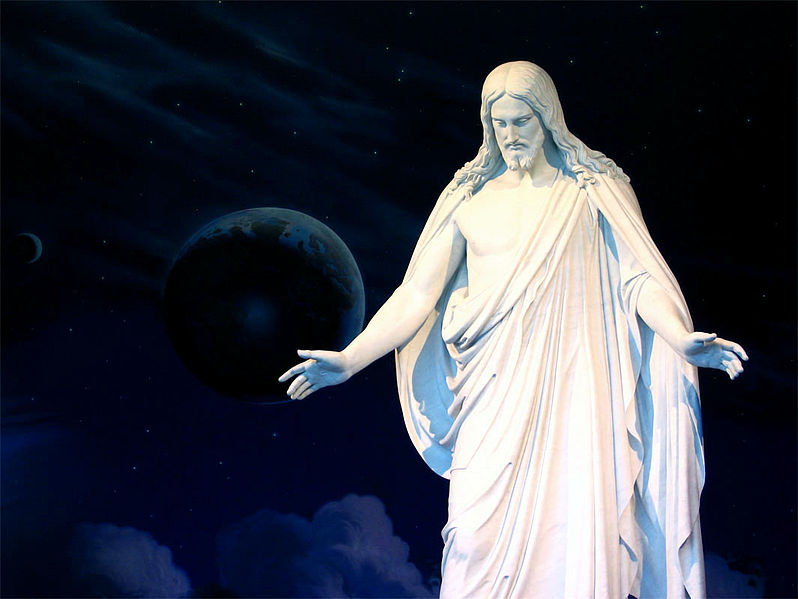
This post is a part of the interfaith blog roundtable on at Patheos, hosted by Chris Henrichsen, on the question, “Are Mormons Christian?”
That, to me, is a better question than asking if Mormons are Christian. By better I mean better in every way. Asking if Mormons are Christians feeds into old prejudices and stereotypes. It does little to shed light on Mormon theology, and it puts individual Mormons on the defensive. It is also a supremely uninteresting question, sort of like asking if the Pope is Catholic. Anyone who knows a Mormon knows how devoted they are to building the kingdom of God on earth and how devout they are in worshipping Jesus Christ. On the other hand, asking if Episcopalians, Disciples of Christ, Methodists, and Presbyterians are Christians has some real substance to it. These Protestant mainline (which is a nice way of saying “mainstream”) traditions are on the ropes. They each have significant minorities that call into question the theological wisdom, as well as orthodoxy, of their denominational leaders. And they have been losing members by the millions over the past several decades.
Now you don’t have to tell me that there are a lot of nice people in the Disciples, Episcopal, Methodist, and Presbyterian churches. I was a Disciples of Christ for many years, and everyone I met in that denomination was really, really nice. Of course, Mormons are known for being incredible nice as well, and we know that niceness isn’t a particularly impressive marker of Christian identity.
Let me throw out three such markers: passion for the great themes of Christian thought, a missionary mindset, and a commitment to Christian unity. First, by passion for Christian thought I don’t necessarily mean theology, although good theology should be the culmination of such passion. I mean that the mind should be as oriented toward God as the heart, and that churches need to be grounded in not just the Bible but also the grand topics of the Trinity, Christology, and so on. Mormons love theology, at least the ones I have met, but mainline Protestants not so much. Mainline seminaries keep cutting back their theology courses. More fundamentally, the mainlines seem to have just grown bored with talk about the Trinity and Christology. They’d rather talk about social issues instead. They no longer have a passion for the great themes of Christianity.
Let’s face it: If I were given a random conversation partner to spend a few million years in Heaven talking theology with, would I draw from the Disciples of Christ or the Mormons? It’s an easy call.
Second, everyone knows about Mormon missionaries, but when is the last time that a Methodist or Presbyterian has invited you to church? Maybe they just think their churches don’t have that much to offer anyone any more.
Third, by Christian unity I don’t mean ecumenical agreements but Christians looking out for each other. I’ve been involved in a lot of debates in higher education over the years, and I have rarely experienced Christian unity with my brothers and sisters from the mainline denominations. To a person, they are completely invested in the institutions that pay their salary. They do not identify with Christian students or faculty on campus, do not support students in Bible studies, do not take public positions on religious issues (except when they join in with likeminded colleagues on safe, liberal issues), and do not show any interest in theology in their own specialized research. They have no sense of Christian unity in the workplace. Their loyalties are clear. When push comes to shove, they side with the man, not The Man.
I was once in a faculty committee meeting with several professors who happened to be Presbyterian. We were told the private college we taught at might fund a chaplaincy program. I was excited, since we didn’t have any such thing. The Presbyterians drew the line. Yes, our students would benefit from it, and they needed it, but what about the atheists on campus? Wouldn’t they be offended? And how could we advertise for a chaplain without inviting everyone, including pagans and occultists, to apply? Their obsession with tolerance and relativism killed the program.
The Mormons I know, on the other hand, are quick to extend a hand of fellowship to anyone who follows Christ. They are used to standing up for unpopular causes. They have a loyalty to the church that trumps employers and governments. And they know that being a Christian requires a little bit of courage.
Am I over generalizing? Sure, but I think the question I have raised is much better than the question about whether Mormons are Christians. If you want to talk about Mormons, a better question is this: What kind of Christian are they? And what can the rest of us learn from them? For that, I’ll have to ask you to read my book.
Stephen H. Webb is the author of Mormon Christianity: What Other Christians can Learn from the Latter-day Saints (Oxford University Press, 2013).

Previous Post

September 30, 2013
Are Mormons Christian? We'll see.
Next Post
October 5, 2013 To Be Otherwise
Browse Our Archives
Select a Category aesthetics audio class notes conversation Education En Español Interviews jazz jazzhop link Liturgy Music Nonsense pastoral philosophy phenomenology Philosophy philosophy of education photo Poetry Political Theology quote Race regular Schooling Uncategorized video Weekly Apocalypse
Select a Month June 2017 May 2017 April 2017 February 2017 January 2017 December 2016 November 2016 October 2016 September 2016 August 2016 July 2016 January 2015 December 2014 November 2014 October 2014 September 2014 August 2014 July 2014 June 2014 May 2014 April 2014 March 2014 February 2014 January 2014 December 2013 November 2013 October 2013 September 2013 August 2013 July 2013 June 2013 May 2013 April 2013 March 2013 February 2013 January 2013 December 2012 November 2012 October 2012 September 2012 August 2012 July 2012 June 2012 May 2012
Follow Us!
TAKE THE
Religious Wisdom Quiz
In what town did Jesus grow up?
Select your answer to see how you score.
Jerusalem Jericho Nazareth Bethlehem
Related posts from Sam Rocha

You, Sir, Are No Buckley: A Reply to...

Process, Preparation, and the Catholic Rigor of Art

Wounded or Wrangling, Broken or Bickering?

Are Mormons Christian? We'll see.
TRENDING AT PATHEOS Catholic

Creation, Preservation, and Teleology in Catholic Theology
As I write this, it is very early Monday morning. Like millions...

The Parable Of The Sower And The Word...
One of Christ’s most famous parables is that of the sower who...

Rejecting Doom: Christian Hope And Human Action
Christianity is a religion of hope. We are to have hope and...

Why I Choose the Eucharist Over the Sermon
Choose the Eucharist, Not the Sermon What are we supposed to get...

5 Design Elements Found in Spiritually Rooted Homes
Putting Spirituality Into Home Decor Our homes are more than our living...

Credo: A Story of God Told with the...
About 10 years ago, I began to imagine a personal "Credo" that...
view all Catholic blogs
Ad-Free & Subscriber Log-In Subscription Support
- About Us
- 2026 Calendar
- Videos
- Podcasts
- Library of World Religions
- Faith In Media Tracker
- Advertise With Us
- Write for Us
- Privacy Policy
- Terms of Service
- Do Not Sell My Data
- Contact Us
- Radiant Digital
- Manage Newsletter Subscriptions
- Unsubscribe From Notifications
- Sitemap
Copyright 2008-2026, Patheos. All rights reserved.
Subscription Support Ad-Free & Subscriber Log-In
Follow Patheos