
BuddhistCatholicContemplativeEvangelicalGeneral ChristianHinduJewishLatter-day SaintMuslimNew VisionsProgressive Christian
Beliefs
- Buddhist
- Catholic
- Contemplative
- Evangelical
- General Christian
- Hindu
- Jewish
- Latter-day Saint
- More Voices
- Muslim
- New Visions
- Pagan
- Progressive Christian
Topics
- Religion News
- Food and Religion
- Sports and Religion
- Religious Art
- Religious Music and Entertainment
- Religious Events
- History and Religion
- Style and Religion
- Politics and Religion
- Women in Religion
- Recreation Outdoors and Religion
- Business Finance and Religion
- Careers Workplace and Religion
- Education and Religion
- Family Parenting and Religion
- Health Fitness and Religion
- Home and Religion
- Relationships and Religion
- Technology and Religion
- Travel and Religion
Columnists
- Buddhist Columnists
- Business Finance and Religion Columnists
- Careers Workplace and Religion Columnists
- Catholic Columnists
- Contemplative Columnists
- Education and Religion Columnists
- Evangelists Columnists
- Family Parenting and Religion Columnists
- General Christian Columnists
- Health Fitness and Religion Columnists
- Hindu Columnists
- History and Religion Columnists
- Home and Religion Columnists
- Jewish Columnists
- More Voices Columnists
- Latter Day Columnists
- Muslim Columnists
- New Visions Columnists
- Nonreligious Columnists
- Pagan Columnists
- Politics and Religion Columnists
- Progressive Columnists
- Recreation Outdoors and Religion Columnists
- Relationships and Religion Columnists
- Religion News Columnists
- Religious Art Columnists
- Religious Events Columnists
- Religious Music and Entertainment Columnists
- Sports and Religion Columnists
- Style and Religion Columnists
- Technology and Religion Columnists
- Travel and Religion Columnists
- Women in Religion Columnists
Resource Library
- 2026 Calendar
- Library of World Religions
- The 100 Most Holy Places on Earth
- Patheos Answers
- Podcasts
- Videos
- Faith Leaders Database
- Anglican Episcopalian
- Bahai
- Baptist
- Buddhism
- Christianity
- Confucianism
- Eastern Orthodoxy
- Hinduism
- Holiness and Pentecostal
- ISKCON
- Islam
- Judaism
- Lutheran
- Methodist
- The Church of Jesus Christ of Latter-day Saints
- New Age
- Paganism
- Presbytarian and Reformed
- Protestantism
- Religion Behind the Scenes
- Roman Catholic
- Scientology
- Shia Islam
- Sikhism
- Sufism
- Sunni Islam
- Taoism
- Zen
- See all religions
Research Tools
 Ad-Free & Subscriber Log-In Subscription Support
Ad-Free & Subscriber Log-In Subscription Support
Follow Patheos 

- Trending:
- Forgiveness
- |
- Marriage
- |
- Consciousness
- |
- Death Penalty
- |
- Election
- |
- Halloween
 Sam Rocha
- Home
- Catholic
- Compulsory Schooling and Preventative War — Or, Why Children Have to Go to School
Compulsory Schooling and Preventative War — Or, Why Children Have to Go to School
Last updated on: February 4, 2015 at 6:28 pm by Sam Rocha
Compulsory Schooling and Preventative War — Or, Why Children Have to Go to School 2015-02-04T18:28:46-06:00 Sam Rocha
Patheos Explore the world's faith through different perspectives on religion and spirituality! Patheos has the views of the prevalent religions and spiritualities of the world.

In the secular liturgical cycle of the American year, two seasonal certainties stand out: going to school and filing taxes. In the late summer and early fall, we send our children to school under penalty of law. (Even students at charter, private, or home schools are still under the same structural authority, leveraged by truancy laws, as those who attend public schools.) In the late winter and early spring, we file taxes under similar legal compulsion.
We all know that truancy and tax evasion are both against the law, yet, for some reason, compulsory taxation is a subject of perennial debate while compulsory schooling is not. Could it be that we value our money more than our children?
In the United States, we have a variety of publicly funded places with educational aspirations. While schools may be the first to come to mind, other places exist too: libraries, museums, parks, and zoos. (Prisons could also be included on this list.) The public nature of these educational sites is, in many respects, determined by their open accessibility, most notably by being free of charge, or at least very affordable. This is most visible in free admission. Entrance, then, is what we often think about when we consider public places, institutions, and services. If a person can enter for free, made possible by public funding, then we call the place being entered “public.”
When we look to the other side of an entrance—an exit—we see a fuller picture. Consider the difference between “public” schools and “public” libraries: while both of these places are “public” in the sense of being “free” to enter or enroll, they differ in this respect: school attendees are not free to exit on their own terms. (Anyone who has been caught trying to skip class surely knows this all too well!) Public schools are free to enter in the sense of being open to the public in the way that libraries are but they are also not free because, unlike public libraries, exiting a public school is highly restricted. Public schools are free in the sense of being free of charge, but they are not free in the sense of being free to come and go as one pleases.
Any restriction is a form of punishment that requires justification but punishment alone is not a good reason for alarm. Prisoners are certainly restricted in jail and some disgruntled teenagers might feel jailed in school— like desert travelers trapped at the Hotel California—but perhaps there is good reason for both.
The simplest defense would be that students, like prisoners, are restricted for their own good and the betterment of society. But students are unlike prisoners in three crucial ways: first, prior to incarceration, prisoners have control over their own freedom, custodians or guardians are not relevant to imprisonment; second, a juridical process justifies imprisonment that does not exist for school attendance; third, an entire society is not required to serve prison sentences whereas compulsory schooling is universal. Schools are not jails; they do not restrict in the same ways.
Compulsory schooling and preventative war is a better comparison.
If you are interested in this comparison, treated at some length in an academic article, feel free to request a free copy of it from me. Here is the abstract.
You may also be interested in reading my short book, A Primer for Philosophy and Education, where I present a positive alternative view of what education (as opposed to schooling) truly is and is not, and/or this article I published at First Things last year, “A Curriculum of Life.”
If you want to read more on this theme of schooling and education, please let me know. I have much more to add, but also don’t want to bore you all with this obsession I have.
Previous Post

August 15, 2013
All This Stuff About Millennials
Next Post
August 22, 2013 Two Faces of Credibility
Browse Our Archives
Select a Category aesthetics audio class notes conversation Education En Español Interviews jazz jazzhop link Liturgy Music Nonsense pastoral philosophy phenomenology Philosophy philosophy of education photo Poetry Political Theology quote Race regular Schooling Uncategorized video Weekly Apocalypse
Select a Month June 2017 May 2017 April 2017 February 2017 January 2017 December 2016 November 2016 October 2016 September 2016 August 2016 July 2016 January 2015 December 2014 November 2014 October 2014 September 2014 August 2014 July 2014 June 2014 May 2014 April 2014 March 2014 February 2014 January 2014 December 2013 November 2013 October 2013 September 2013 August 2013 July 2013 June 2013 May 2013 April 2013 March 2013 February 2013 January 2013 December 2012 November 2012 October 2012 September 2012 August 2012 July 2012 June 2012 May 2012
Follow Us!
TAKE THE
Religious Wisdom Quiz
According to Hebrews, who serves as a copy and shadow of what is in heaven?
Select your answer to see how you score.
The angels The priests in the earthly sanctuary The apostles The prophets
Related posts from Sam Rocha

BOOK RELEASE: Tell Them Something Beautiful by Sam...

"Musings" on LATE TO LOVE with Iguana
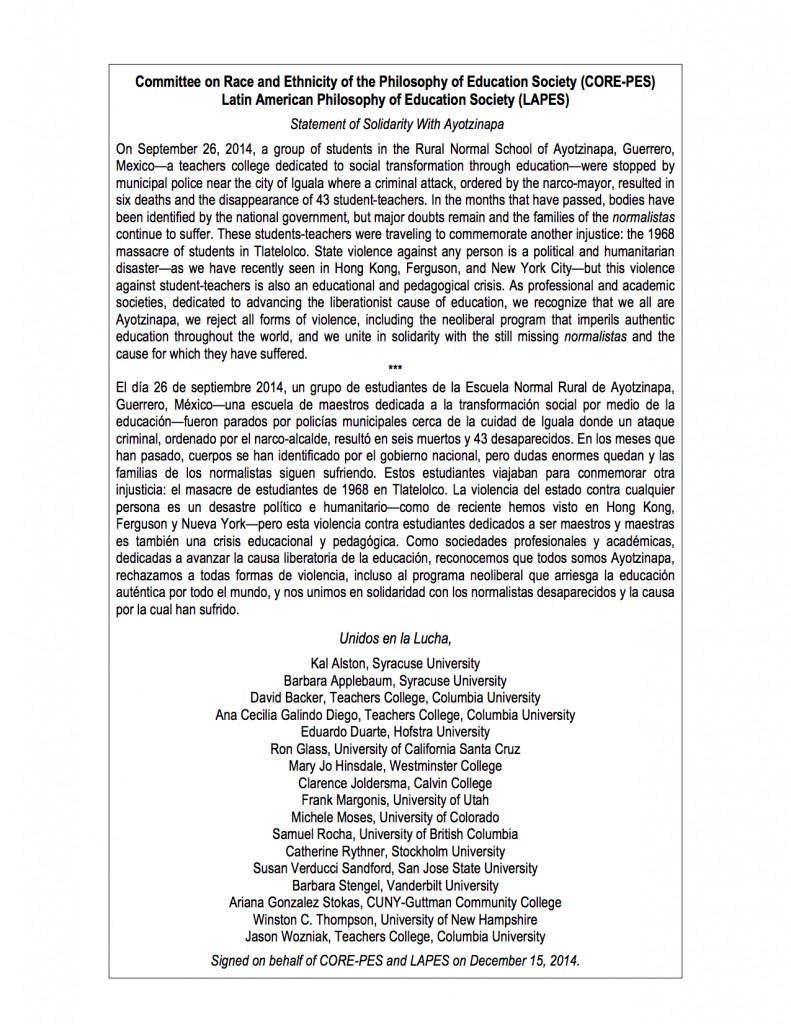
Philosophers of Education in Solidarity with Ayotzinapa
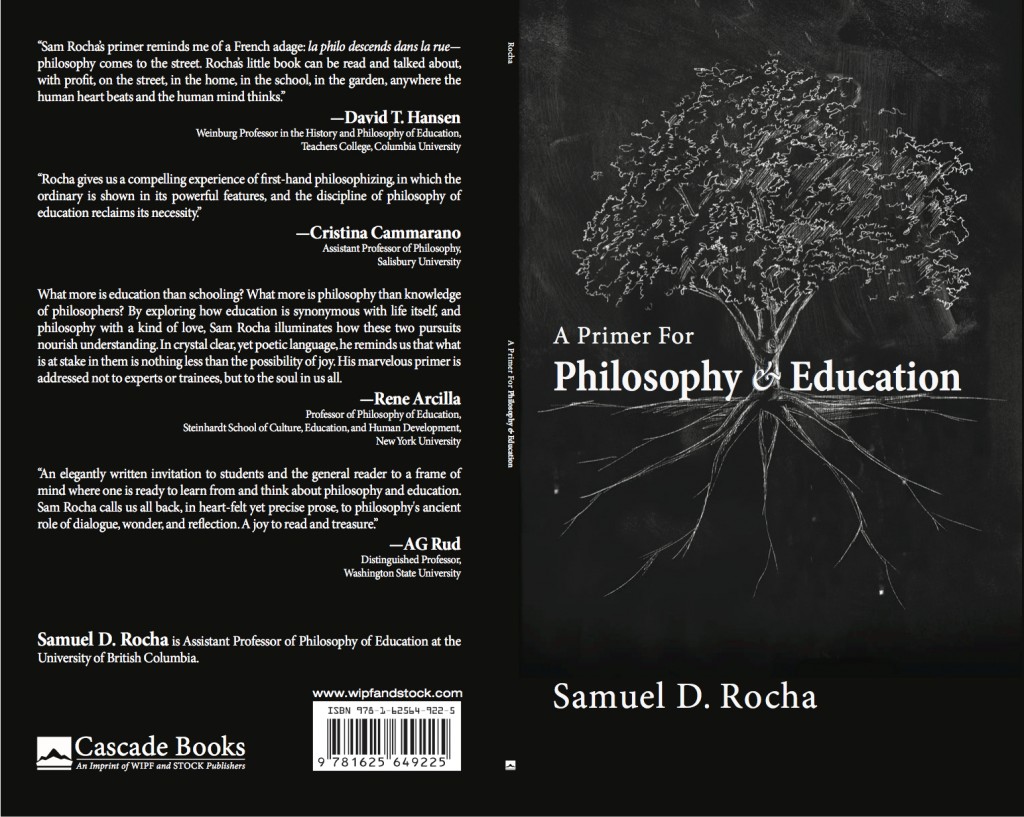
Book Release: A Primer for Philosophy and Education
TRENDING AT PATHEOS Catholic

Creation, Preservation, and Teleology in Catholic Theology
As I write this, it is very early Monday morning. Like millions...

The Parable Of The Sower And The Word...
One of Christ’s most famous parables is that of the sower who...

Rejecting Doom: Christian Hope And Human Action
Christianity is a religion of hope. We are to have hope and...

Why I Choose the Eucharist Over the Sermon
Choose the Eucharist, Not the Sermon What are we supposed to get...

5 Design Elements Found in Spiritually Rooted Homes
Putting Spirituality Into Home Decor Our homes are more than our living...

Credo: A Story of God Told with the...
About 10 years ago, I began to imagine a personal "Credo" that...
view all Catholic blogs
Ad-Free & Subscriber Log-In Subscription Support
- About Us
- 2026 Calendar
- Videos
- Podcasts
- Library of World Religions
- Faith In Media Tracker
- Advertise With Us
- Write for Us
- Privacy Policy
- Terms of Service
- Do Not Sell My Data
- Contact Us
- Radiant Digital
- Manage Newsletter Subscriptions
- Unsubscribe From Notifications
- Sitemap
Copyright 2008-2026, Patheos. All rights reserved.
Subscription Support Ad-Free & Subscriber Log-In
Follow Patheos