
BuddhistCatholicContemplativeEvangelicalGeneral ChristianHinduJewishLatter-day SaintMuslimNew VisionsProgressive Christian
Beliefs
- Buddhist
- Catholic
- Contemplative
- Evangelical
- General Christian
- Hindu
- Jewish
- Latter-day Saint
- More Voices
- Muslim
- New Visions
- Pagan
- Progressive Christian
Topics
- Religion News
- Food and Religion
- Sports and Religion
- Religious Art
- Religious Music and Entertainment
- Religious Events
- History and Religion
- Style and Religion
- Politics and Religion
- Women in Religion
- Recreation Outdoors and Religion
- Business Finance and Religion
- Careers Workplace and Religion
- Education and Religion
- Family Parenting and Religion
- Health Fitness and Religion
- Home and Religion
- Relationships and Religion
- Technology and Religion
- Travel and Religion
Columnists
- Buddhist Columnists
- Business Finance and Religion Columnists
- Careers Workplace and Religion Columnists
- Catholic Columnists
- Contemplative Columnists
- Education and Religion Columnists
- Evangelists Columnists
- Family Parenting and Religion Columnists
- General Christian Columnists
- Health Fitness and Religion Columnists
- Hindu Columnists
- History and Religion Columnists
- Home and Religion Columnists
- Jewish Columnists
- More Voices Columnists
- Latter Day Columnists
- Muslim Columnists
- New Visions Columnists
- Nonreligious Columnists
- Pagan Columnists
- Politics and Religion Columnists
- Progressive Columnists
- Recreation Outdoors and Religion Columnists
- Relationships and Religion Columnists
- Religion News Columnists
- Religious Art Columnists
- Religious Events Columnists
- Religious Music and Entertainment Columnists
- Sports and Religion Columnists
- Style and Religion Columnists
- Technology and Religion Columnists
- Travel and Religion Columnists
- Women in Religion Columnists
Resource Library
- 2026 Calendar
- Library of World Religions
- The 100 Most Holy Places on Earth
- Patheos Answers
- Podcasts
- Videos
- Faith Leaders Database
- Anglican Episcopalian
- Bahai
- Baptist
- Buddhism
- Christianity
- Confucianism
- Eastern Orthodoxy
- Hinduism
- Holiness and Pentecostal
- ISKCON
- Islam
- Judaism
- Lutheran
- Methodist
- The Church of Jesus Christ of Latter-day Saints
- New Age
- Paganism
- Presbytarian and Reformed
- Protestantism
- Religion Behind the Scenes
- Roman Catholic
- Scientology
- Shia Islam
- Sikhism
- Sufism
- Sunni Islam
- Taoism
- Zen
- See all religions
Research Tools
 Ad-Free & Subscriber Log-In Subscription Support
Follow Patheos 

- Trending:
- Advent
- |
- Forgiveness
- |
- Thanksgiving
- |
- Election
- |
- Seasonal Holidays
- |
- Marriage

- Home
- Catholic
- History and Religion
- Are Faith and Science Compatible? Galileo v. Pope St. JP II
Are Faith and Science Compatible? Galileo v. Pope St. JP II
Last updated on: September 5, 2024 at 9:09 pm by Jennifer Newsom
Are Faith and Science Compatible? Galileo v. Pope St. JP II 2024-09-05T21:09:49-04:00 Jennifer Newsom
Patheos Explore the world's faith through different perspectives on religion and spirituality! Patheos has the views of the prevalent religions and spiritualities of the world.
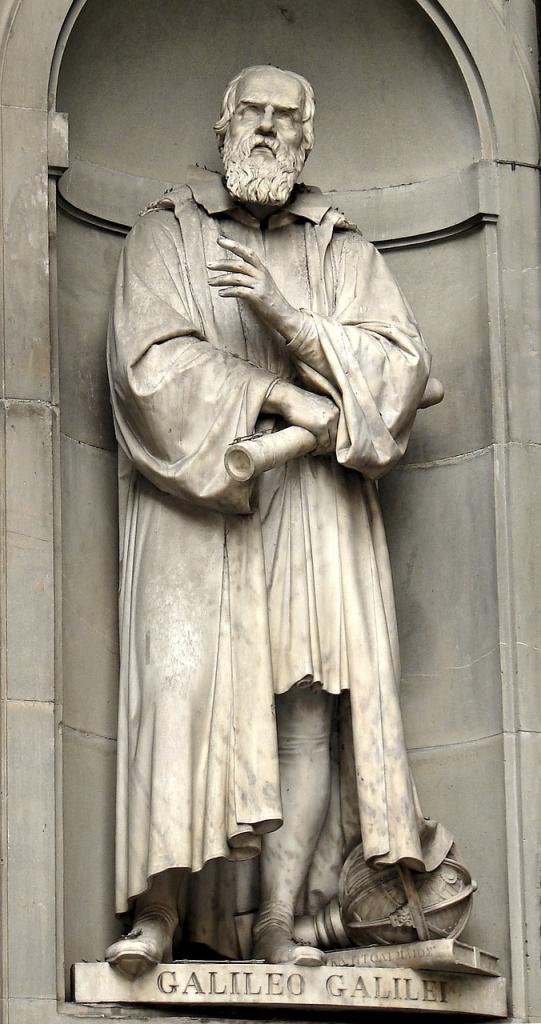
Image credit: wgbieber on Pixabay
It is the age-old question: are faith and science compatible? This is an issue that man has wrestled with since the earliest of days; yet they are of particular significance in this current age of rapid discovery and technological advancement. Although they lived nearly four centuries apart, Galileo and Pope John Paul II shared very similar views on Biblical interpretation in relation to science not to mention the ability of human reasoning.
What the Catechism of the Catholic Church Says:
How should one interpret Sacred Scripture? According to the Catechism of the Catholic Church,
“In order to discover the sacred author’s intention, the reader must take into account the conditions of their time and culture, the literary genres in use at that time, and the modes of feeling, speaking, and narrating then current.”
Galileo’s Thoughts
Unfortunately, this writing was not available at the time of Galileo, nor had its expression been fully defined within the theological realm. In his defense of scientific findings and what the Bible says about such matters, Galileo makes a compelling argument when he writes: “the holy Bible can never speak untruth whenever its true meaning is understood.” Long before many in his time, Galileo understood that faith and science could, in fact, be compatible. Therefore, it was not science contradicting his faith that caused his conviction on charges of heresy; rather, it was their incorrect understanding and application of Scripture relative to science. Pope John Paul II seems to echo a similar sentiment when he quotes from an encyclical written by Pope Leo XII in his Address:
“‘Truth cannot contradict truth’ and we may be sure that some mistake has been made either in the interpretation of the sacred words, or in the polemical discussion itself.”
Which Is It?
Pope John Paul II addresses two important points: Scripture interpretation and whether this is a question of faith or not. Therefore, we see similar views between Galileo and Pope John Paul II on the importance of correct interpretation.
Where do knowledge and reasoning come into play in the faith vs. science debate? Galileo would say that both the Bible and nature, or what we observe in science, come from God Himself and His Word: the Bible from the Holy Spirit’s dictation, while the other is from God’s commands. In that same spirit, Pope John Paul II discusses two realms of knowledge: one that comes from Revelation and one that requires the use of man’s own reasoning. In this way, faith and science can mutually agree whether through correctly understanding the written word of God or by using the logical faculties that he gave man.
Although Galileo was not privy to the theological and scientific advances that were around in Pope John Paul II’s day, he was still able to harmonize his faith, which did not require sight, and what his senses observed in the scientific world. Somehow, after nearly four hundred years apart, these two men were able to express similar views on influential matters.
Education and Religion
Previous Post

August 13, 2024
The Olympics: Religious History
Next Post

September 13, 2024 The True Cross
Browse Our Archives
Select a Category Liturgy Science Uncategorized
Select a Month November 2026 April 2026 April 2025 March 2025 October 2024 September 2024 August 2024
Follow Us!
TAKE THE
Religious Wisdom Quiz
Who said, "My soul magnifies the Lord"?
Select your answer to see how you score.
Elizabeth Mary Hannah Deborah
Related posts from Sacred Heritage
A Night That Changed It All: Holy Thursday...

This Side of Easter: A Journey of Reflection...

5 Lenten Lessons from the Desert
TRENDING AT PATHEOS Catholic

For many years, Catholicism has been caught up in division over the...

'Statements of Faith' never get shorter
Nothing demonstrates a conservative commitment to faith and faithfulness like a "statement...

Michele's Reviews - Future Grace by John Piper
In God's Place, at God's Pace, by Future Grace Impatience is...

Bama Gramma's Blackout Christmas: the Power of Light...
Another Christmas Skit: I have an alter ego: Bama Gramma. She shows...

Thanksgiving as a Way of Life: A Christian...
Each year, Thanksgiving brings families and friends together to share meals, stories,...

Two Women Doctors Who Went Against the Current
Women physicians who transformed healthcare for "Indians" “I shall have an advantage...
view all Catholic blogs
Ad-Free & Subscriber Log-In Subscription Support
- About Us
- 2026 Calendar
- Videos
- Podcasts
- Library of World Religions
- Faith In Media Tracker
- Advertise With Us
- Write for Us
- Privacy Policy
- Terms of Service
- Do Not Sell My Data
- Contact Us
- Radiant Digital
- Manage Newsletter Subscriptions
- Unsubscribe From Notifications
- Sitemap
Copyright 2008-2026, Patheos, part of the Radiant Digital network of media brands. All rights reserved.
Subscription Support Ad-Free & Subscriber Log-In
Follow Patheos