
BuddhistCatholicContemplativeEvangelicalGeneral ChristianHinduJewishLatter-day SaintMuslimNew VisionsProgressive Christian
Beliefs
- Buddhist
- Catholic
- Contemplative
- Evangelical
- General Christian
- Hindu
- Jewish
- Latter-day Saint
- More Voices
- Muslim
- New Visions
- Pagan
- Progressive Christian
Topics
- Religion News
- Food and Religion
- Sports and Religion
- Religious Art
- Religious Music and Entertainment
- Religious Events
- History and Religion
- Style and Religion
- Politics and Religion
- Women in Religion
- Recreation Outdoors and Religion
- Business Finance and Religion
- Careers Workplace and Religion
- Education and Religion
- Family Parenting and Religion
- Health Fitness and Religion
- Home and Religion
- Relationships and Religion
- Technology and Religion
- Travel and Religion
Columnists
- Buddhist Columnists
- Business Finance and Religion Columnists
- Careers Workplace and Religion Columnists
- Catholic Columnists
- Contemplative Columnists
- Education and Religion Columnists
- Evangelists Columnists
- Family Parenting and Religion Columnists
- General Christian Columnists
- Health Fitness and Religion Columnists
- Hindu Columnists
- History and Religion Columnists
- Home and Religion Columnists
- Jewish Columnists
- More Voices Columnists
- Latter Day Columnists
- Muslim Columnists
- New Visions Columnists
- Nonreligious Columnists
- Pagan Columnists
- Politics and Religion Columnists
- Progressive Columnists
- Recreation Outdoors and Religion Columnists
- Relationships and Religion Columnists
- Religion News Columnists
- Religious Art Columnists
- Religious Events Columnists
- Religious Music and Entertainment Columnists
- Sports and Religion Columnists
- Style and Religion Columnists
- Technology and Religion Columnists
- Travel and Religion Columnists
- Women in Religion Columnists
Resource Library
- 2026 Calendar
- Library of World Religions
- The 100 Most Holy Places on Earth
- Patheos Answers
- Podcasts
- Videos
- Faith Leaders Database
- Anglican Episcopalian
- Bahai
- Baptist
- Buddhism
- Christianity
- Confucianism
- Eastern Orthodoxy
- Hinduism
- Holiness and Pentecostal
- ISKCON
- Islam
- Judaism
- Lutheran
- Methodist
- The Church of Jesus Christ of Latter-day Saints
- New Age
- Paganism
- Presbytarian and Reformed
- Protestantism
- Religion Behind the Scenes
- Roman Catholic
- Scientology
- Shia Islam
- Sikhism
- Sufism
- Sunni Islam
- Taoism
- Zen
- See all religions
Research Tools
 Ad-Free & Subscriber Log-In Subscription Support
Ad-Free & Subscriber Log-In Subscription Support
Follow Patheos 

- Trending:
- Forgiveness
- |
- Marriage
- |
- Consciousness
- |
- Death Penalty
- |
- Election
- |
- Halloween
 Rhetoric Race and Religion
- Home
- Progressive Christian
- “If I Can Help Somebody”: The Rhetorical Influence of #MLK
“If I Can Help Somebody”: The Rhetorical Influence of #MLK
Last updated on: October 20, 2017 at 10:02 pm by Andre E. Johnson
“If I Can Help Somebody”: The Rhetorical Influence of #MLK 2017-10-20T22:02:54-05:00 Andre E. Johnson
Patheos Explore the world's faith through different perspectives on religion and spirituality! Patheos has the views of the prevalent religions and spiritualities of the world.
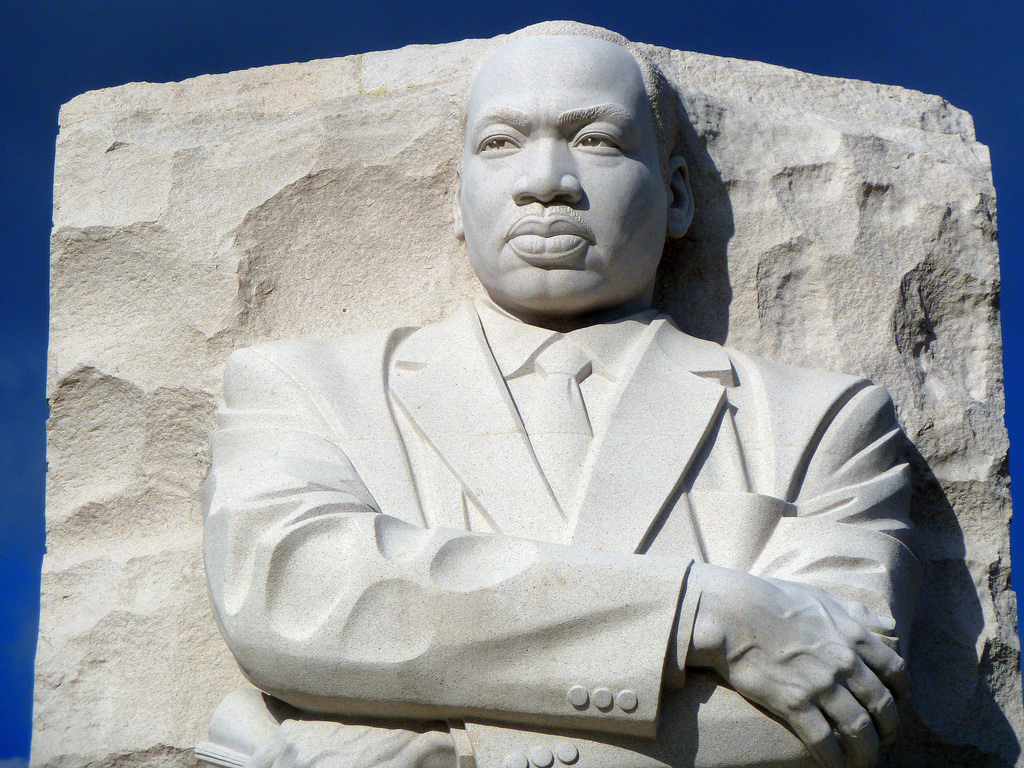 In the Spring of 2017, I taught a graduate seminar that focused on the rhetoric of Martin Luther King Jr. during the last year of his life. More specifically, we examined King within the African American prophetic tradition and placed special emphasis on his prophetic pessimism.
In this second panel, students presented versions of their final papers in the class for the Graduate Association of African American History Conference held at the University of Memphis. The title of this panel was “If I Can Help Somebody”: The Rhetorical Influence of Martin Luther King Jr.”
Panelists:
Keven Rudrow:
“From the Civil Rights Movement to “Black Lives Matter”: Framing Social Protest through King’s Rhetoric of Militant Nonviolent Disobedience and Self-Assertive Personhood”- University of Memphis
Abstract
In 2013, Black Lives Matter (BLM) was founded, following the death of Trayvon Martin, to stand in solidarity regarding the injustice and inequality experienced by Black people in the United States. Although standing for justice and equality for Black people, the political right has framed BLM as a domestic terrorist organization operating outside of what is imagined to be King’s dream. In this essay, I examine television interviews and speeches delivered by King toward the end of his life. I argue these texts function as rhetorical fragments that generate insight into what King viewed as the ideal social movement characterized by militant nonviolent disobedience and self-assertive personhood. Furthermore, I use King’s notion of militant nonviolent disobedience and self-assertive personhood as a conceptual framework for examining the political right’s characterization of BLM as a domestic terrorist organization.
Watkins Dickerson:
“‘You Are Somebody’: King and the Prophetic Rhetoric of Rev. Henry Logan Starks”- University of Memphis
Abstract:
Many have studied and appreciated the rhetoric of Martin Luther King Jr. with many of these focused on King’s arguments and ideas as part of complete texts. Especially, in the last year of his life, some tend to note the significant shift in King’s discourse as operating in a vacuum. However, it must be noted King’s rhetoric was not formed on its own and was certainly influenced by a larger corpus of writings, speeches, and sermons framing a trajectory consistent with speaking truth to power. While I am not arguing as some have that King borrowed or as Dyson argues, sampled much of his rhetoric, I am arguing that some of the same prophetic treatments King produced and proclaim were evidenced in local movements all across the country. One such movement was the Sanitation Workers’ Strike in 1968 and the rhetoric of Henry Logan Starks Jr. In this paper, I examine Starks’ prophetic rhetoric inspired by King.
Steven Tramel Gaines
“John A. Scott Sr.’s Response to Martin Luther King Jr.’s Assassination”- University of Memphis
Abstract:
John A. Scott Sr. preached a sermon, “The Mind of Christ,” on April 14 for the Church of Christ at White Station in Memphis after the assassination of Martin Luther King Jr. This paper claims that the sermon, in response to the assassination of Martin Luther King Jr., prophetically called for repentance but was shaped by social privilege. The sermon reminded listeners of their social privilege and challenged them to repent of their participation in the injustice that led to King’s death. Although white privilege blunted Scott’s prophetic rhetoric, he challenged the practice of ignoring racial and economic privileges and injustices.
Commentator: Dr. Andre E. Johnson, University of Memphis
Previous Post
October 20, 2017
The Prophetic Pessimism of #MLK
Next Post

November 3, 2017 On Black Eloquence; or the Elocution of Freedom
Browse Our Archives
Select a Category Amy Steele Andre E. Johnson Book Reviews/Series Brian Foulks Call for Chapters Carol Howard Merritt Classes Conferences Contributors Crystal St.Marie Lewis Daniel White Hodge Earle Fisher Eulogy Fredrick Robinson Guest Contributions Henry McNeal Turner Institutes Interviews Joseph Boston Katherine Whitfield Kimberly Peeler-Ringer Lectures/Roundtables Natalie Bullock Brown R3 Book Series R3 Contributor Rashad Grove Readers Reflections Symposiums Teaching Traci Ellis Travis Harris Uncategorized Video
Select a Month June 2020 February 2020 December 2019 November 2019 July 2019 June 2019 May 2019 October 2018 June 2018 May 2018 April 2018 March 2018 February 2018 January 2018 December 2017 November 2017 October 2017 September 2017 August 2017 July 2017 June 2017 May 2017 April 2017 March 2017 February 2017 January 2017 December 2016 November 2016 October 2016 September 2016 August 2016 July 2016 June 2016 May 2016 April 2016 March 2016 February 2016 January 2016 December 2015 November 2015 October 2015 September 2015 August 2015 July 2015 June 2015 May 2015 April 2015 March 2015 February 2015 January 2015 December 2014 November 2014 October 2014 September 2014 August 2014 July 2014 June 2014 May 2014 April 2014 March 2014 February 2014 January 2014 December 2013 November 2013 October 2013 September 2013 August 2013 July 2013 June 2013 May 2013 April 2013 March 2013 February 2013 January 2013 December 2012 November 2012 October 2012 September 2012 August 2012 July 2012 June 2012 May 2012 April 2012 March 2012 February 2012 January 2012 December 2011 November 2011 October 2011
Follow Us!
TAKE THE
Religious Wisdom Quiz
I am an offering without defect, completely burned on the altar as a pleasing aroma to the Lord. What am I?
Select your answer to see how you score.
A peace offering A burnt offering A sin offering A grain offering
Related posts from Rhetoric Race and Religion

Dislocations and Shutdowns: #MLK, #BLM and the Rhetoric...

From the Mountain Top and Beyond: The Rhetoric...
The Most Dangerous Negro in America
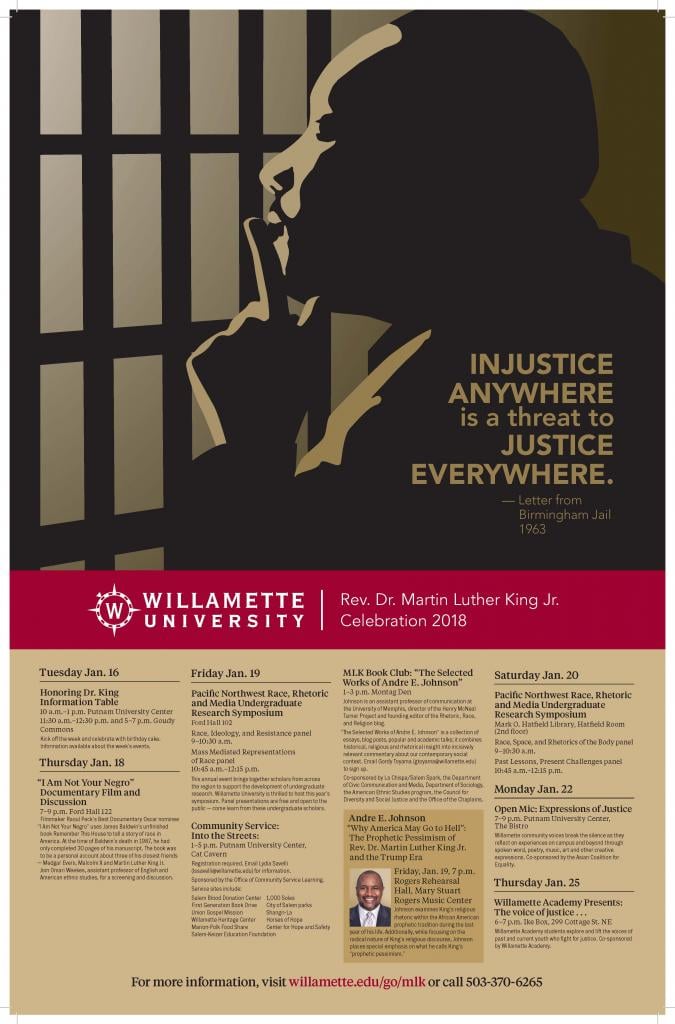
#MLK Celebration: "Why America May Go To Hell"
TRENDING AT PATHEOS Progressive Christian

What Being a Modern-Day Apostle Means to Me
In my last column, I discussed the ins and outs of modern-day...

Did Ancient China Once Worship the God of...
Across human history, a common thread weaves through the origins of the...

Love Your Neighbor – Including Earth-Kin: Lev. 19,...
God’s command to love your neighbor means acting in an ethical and...

Lead a Church Study of “Jesus and Lao...
Guest writer Jack Thomas (The Irreverent Reverend) reflects on leading his church...

Pastoral Wisdom for Responding to Sermon Pushback
Getting sermon pushback on your social justice sermon? Learn practical, Proverbs-based strategies...

Principles for Understanding the Apostolic Ministry Today
Whenever people discover that my formal ministry title is "apostle," as in...
view all Progressive Christian blogs
Ad-Free & Subscriber Log-In Subscription Support
- About Us
- 2026 Calendar
- Videos
- Podcasts
- Library of World Religions
- Faith In Media Tracker
- Advertise With Us
- Write for Us
- Privacy Policy
- Terms of Service
- Do Not Sell My Data
- Contact Us
- Radiant Digital
- Manage Newsletter Subscriptions
- Unsubscribe From Notifications
- Sitemap
Copyright 2008-2026, Patheos. All rights reserved.
Subscription Support Ad-Free & Subscriber Log-In
Follow Patheos