
BuddhistCatholicContemplativeEvangelicalGeneral ChristianHinduJewishLatter-day SaintMuslimNew VisionsProgressive Christian
Beliefs
- Buddhist
- Catholic
- Contemplative
- Evangelical
- General Christian
- Hindu
- Jewish
- Latter-day Saint
- More Voices
- Muslim
- New Visions
- Pagan
- Progressive Christian
Topics
- Religion News
- Food and Religion
- Sports and Religion
- Religious Art
- Religious Music and Entertainment
- Religious Events
- History and Religion
- Style and Religion
- Politics and Religion
- Women in Religion
- Recreation Outdoors and Religion
- Business Finance and Religion
- Careers Workplace and Religion
- Education and Religion
- Family Parenting and Religion
- Health Fitness and Religion
- Home and Religion
- Relationships and Religion
- Technology and Religion
- Travel and Religion
Columnists
- Buddhist Columnists
- Business Finance and Religion Columnists
- Careers Workplace and Religion Columnists
- Catholic Columnists
- Contemplative Columnists
- Education and Religion Columnists
- Evangelists Columnists
- Family Parenting and Religion Columnists
- General Christian Columnists
- Health Fitness and Religion Columnists
- Hindu Columnists
- History and Religion Columnists
- Home and Religion Columnists
- Jewish Columnists
- More Voices Columnists
- Latter Day Columnists
- Muslim Columnists
- New Visions Columnists
- Nonreligious Columnists
- Pagan Columnists
- Politics and Religion Columnists
- Progressive Columnists
- Recreation Outdoors and Religion Columnists
- Relationships and Religion Columnists
- Religion News Columnists
- Religious Art Columnists
- Religious Events Columnists
- Religious Music and Entertainment Columnists
- Sports and Religion Columnists
- Style and Religion Columnists
- Technology and Religion Columnists
- Travel and Religion Columnists
- Women in Religion Columnists
Resource Library
- 2026 Calendar
- Library of World Religions
- The 100 Most Holy Places on Earth
- Patheos Answers
- Podcasts
- Videos
- Faith Leaders Database
- Anglican Episcopalian
- Bahai
- Baptist
- Buddhism
- Christianity
- Confucianism
- Eastern Orthodoxy
- Hinduism
- Holiness and Pentecostal
- ISKCON
- Islam
- Judaism
- Lutheran
- Methodist
- The Church of Jesus Christ of Latter-day Saints
- New Age
- Paganism
- Presbytarian and Reformed
- Protestantism
- Religion Behind the Scenes
- Roman Catholic
- Scientology
- Shia Islam
- Sikhism
- Sufism
- Sunni Islam
- Taoism
- Zen
- See all religions
Research Tools
 Ad-Free & Subscriber Log-In Subscription Support
Ad-Free & Subscriber Log-In Subscription Support
Follow Patheos 

- Trending:
- Forgiveness
- |
- Marriage
- |
- Consciousness
- |
- Death Penalty
- |
- Election
- |
- Halloween

- Home
- About Dr. James F. McGrath
- Publications
- Blogroll
- Useful Websites
- Connections
- Easy Search Posts Page
- FREE NEWSLETTER
- Home
- Progressive Christian
- How To Care For Your Scholar
How To Care For Your Scholar
Last updated on: January 21, 2021 at 4:59 am by James F. McGrath
How To Care For Your Scholar 2021-01-19T09:53:27-05:00 James F. McGrath
Patheos Explore the world's faith through different perspectives on religion and spirituality! Patheos has the views of the prevalent religions and spiritualities of the world.
So you’ve acquired a scholar in your household. Perhaps you’ve been wanting one for a while and came across one at a local charity store (likely among the second-hand books). Perhaps you married or gave birth to someone not really knowing their characteristics. Either way, I hope that these suggestions for maintaining the emotional, psychological, and spiritual wellbeing of this individual with whom you share some sort of space will be useful.
I never really managed to articulate my own experience until a friend shared something that he had read in a book be a writer, which of course scholars are. We write our thoughts more than anything else. The book in question compared putting oneself in the mindset for writing as like getting ready to go up a ladder an paint. You (mentally, because this is a metaphor) gather your brushes and cans of paint in your hands and begin to ascend the ladder. If someone knocks you off, or simply asks you to come back down to do something else however briefly, you might try gathering your tools (metaphorically, more literally your thoughts and frame of mind) again. But after too many attempts to gather one’s things and go up the ladder, you’re discouraged and ready to call it quits, feeling you have no choice but to postpone the work you thought was important until some other time.
There is more to understanding an academic even than this. You may not realize that your scholar is thinking about their book or article, the class they have to teach, or something else they are working on already when you happen upon them in the kitchen in the morning. They can hardly wait to have the focused time to work on that project, and they don’t need you to do something special to help them–they just need you not to completely disrupt the mental work they are already engaged in. You may think that “writing” is something they will do after you’ve left for work. In fact, they are already doing it. They are like the person in the famous story about a painter who was sitting looking at a landscape on a hillside and whom a passerby remarked to that it was good to see them resting. No, they said, they were working. Later on the same individual’s return they remarked, on seeing them painting the scene, that they were working only to be told that no, now they were resting. Writing is less about what is frantically happening as fingers fly across a keyboard, and more about what happens before that that makes it possible.
I do not honestly know how much of this is about being a writer or other creative type, how much is about being an introvert, and how much is mostly or entirely unique to scholars and academics and the kind of writing that we do. What I do know is that there are likely to be countless spouses and family members of scholars who think that the day before presenting at a conference or the week before classes start is as good a time as any to discuss some matter that really can wait until a day or even a week or two later. If you aren’t sure whether your scholar is envisaging the class they’ll teach, the article or book chapter they’ll write, or the paper they’ll give when you happen across them sitting in the kitchen, ask. Don’t assume that because they don’t have a book or a pen in their hand that they are “resting.” You’ll not only make your own life with them more pleasant and peaceful, but you’ll convey to them that you at least respect, and perhaps understand and appreciate, the mental work that they do as well as the written output that eventually follows from but depends on it.
As part of the group or category I am talking about here, on behalf of whomever this applies to in your own life if you are reading this, I thank you. In their introverted focus on that book that might genuinely change the world, they might not realize that you’re finally respecting their mental space and allowing them to focus. They’re conscious of being more productive and experiencing fewer disruptions and setbacks, but they have no idea why. They’re relieved. Let them work for now. From your perspective, we may just be sitting on the couch not doing anything, and it might seem like a perfect time to talk about something that seems urgent to you. Inside our heads, however, we might be working on something that is urgent or merely important for us. Whether we’re sitting at the table lost in thought, tuning out the news, or otherwise seem like we’re just distracted or uninterested or merely “not doing anything,” we might in fact be hard at work. I may or may not be hard to believe that more broadly we may be working on solving mysteries that are hundreds and maybe thousands of years old. At least some of the time, however, that is what we do, and thinking is how we go about it. We may have a deadline for something to be written and be rather just before that. But throughout the process, even early on, there is work that will be going on inside our heads. We cannot control whether something relevant might occur to us while washing the dishes. From our perspective that might be a perfect activity during which to ponder some aspect of what we’re working on. You, on the other hand, may be able to determine whether or not, in addition to getting the dishes done, we are also getting our own important work done inside our heads.
We might not actually succeed in solving the puzzles or answering the questions. But we’re trying to. And if you appreciate the effort, we appreciate your appreciation and respect more than you likely know. As for perhaps having had an epiphany about the odd individual with whom you share living space, by all means tell them that you understand them better. But there’s no hurry to do so. If you’re an extrovert, if you read this and it was helpful you want to talk about it immediately. By all means do so–with other introverts. When the book or article is submitted, when the classes are well underway for the semester, by all means tell the scholar or other introvert in your household that you read a blog post that helped you understand their perspective. For now, just let them focus. And thank you for caring so respectfully for the scholar in your midst!
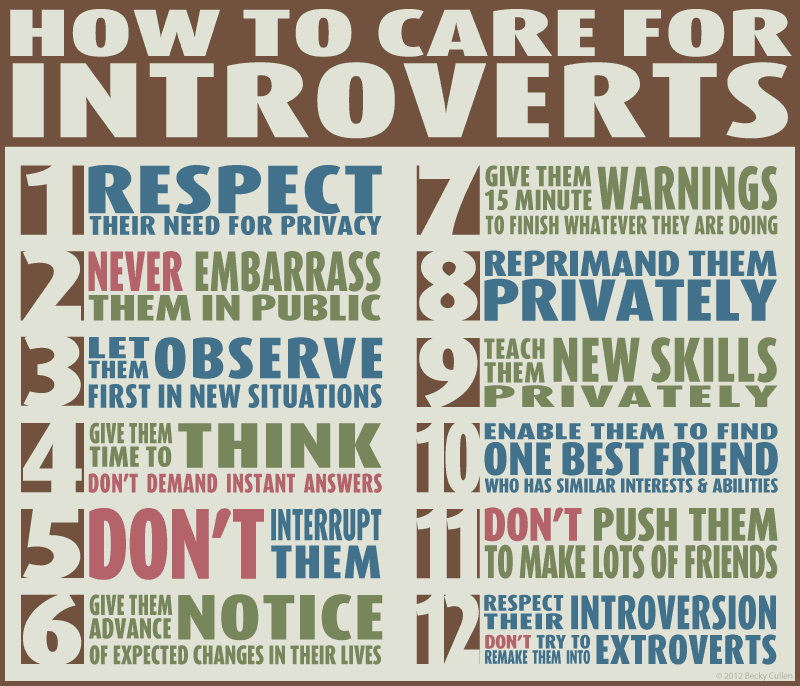
More generally about introverts (which most scholars are):
Previous Post

January 20, 2021
Evangelicals and the Big Lie
Next Post
January 22, 2021 Announcing P4: The Panentheist and Progressive Praise Project
Browse Our Archives
Select a Category 1 Corinthians 1 John 1 Peter 1 Samuel 1 Thessalonians 1 Timothy 2 Corinthians 2 Kings 2 Peter 2 Samuel 2 Thessalonians 2 Timothy academia Acts of the Apostles afterlife Akhaten Alcatraz American Academy of Religion Amos Anglican Arabic Aramaic archaeology art artificial intelligence astronomy atheism atonement Babylon 5 Baptists Battlestar Galactica Bible Biblical Studies Carnival biblioblogging Black Mirror Blade Runner Book of Job book review Buddhism Call for Papers China Christianity Christmas Christology Chronicles Coptic creation Daniel Deuteronomy Doctor Who Dune Easter Ecclesiastes economics education Eldad Keynan Enoch Seminar Ephesians eschatology Esther Evangelicals evolution Exodus Expanse Ezekiel Ezra fantasy Fringe fundamentalism Galatians games Ge'ez genealogy Genesis Gnosticism Gospel of Jesus' Wife Gospel of John Gospel of Judas Gospel of Luke Gospel of Mark Gospel of Matthew Gospel of Peter Gospel of Thomas Greek Harry Potter Hebrew Hebrews Hinduism historical Jesus history Hitchhiker's Guide to the Galaxy Holidays horror Hosea humor incarnation India inerrancy information literacy inspirational Intelligent Design Ireland Isaiah Islam Israel Italy James Jeremiah John the Baptist Jonah Joshua Judaism Jude Judges Judith Lamentations languages Latin Leviticus libraries literature Lord of the Rings LOST Mandaeans Mandaic memes Methodism Micah monotheism morality Mormons movies music mythicism NASSCAL Nehemiah new perspective New Testament news Numbers Orthodox paganism panentheism pantheism Patheos Paul and his letters Pentecostals Philippians Philippians 2:6-11 philosophy physics Planet of the Apes podcast politics Progressive Christianity Protestantism Proverbs Psalms pseudoscience racism religion Revelation Roman Catholicism Romania Romans Ruth scams science science fiction Secret Gospel of Mark Society of Biblical Literature Song of Songs Star Trek Star Wars Stargate Swahili Syriac Taoism technology Terminator The Handmaid's Tale The Hobbit The Matrix theodicy theology theory Timeless Titus tomb Torchwood travel TRON Uncategorized United Kingdom Westworld X-Files young-earth creationism Zechariah
Select a Month October 2026 September 2026 August 2026 July 2026 June 2026 May 2026 April 2026 March 2026 February 2026 January 2026 December 2025 November 2025 October 2025 September 2025 July 2025 June 2025 May 2025 April 2025 March 2025 February 2025 January 2025 December 2024 November 2024 October 2024 September 2024 August 2024 July 2024 June 2024 May 2024 April 2024 March 2024 February 2024 January 2024 December 2023 November 2023 October 2023 September 2023 August 2023 July 2023 May 2023 April 2023 March 2023 February 2023 January 2023 December 2022 November 2022 October 2022 September 2022 August 2022 July 2022 June 2022 May 2022 April 2022 March 2022 February 2022 January 2022 December 2021 November 2021 October 2021 September 2021 August 2021 July 2021 June 2021 May 2021 April 2021 March 2021 February 2021 January 2021 December 2020 November 2020 October 2020 September 2020 August 2020 July 2020 June 2020 May 2020 April 2020 March 2020 February 2020 January 2020 December 2019 November 2019 October 2019 September 2019 August 2019 July 2019 June 2019 May 2019 April 2019 March 2019 February 2019 January 2019 December 2018 November 2018 October 2018 September 2018 August 2018 July 2018 June 2018 May 2018 April 2018 March 2018 February 2018 January 2018 December 2017 November 2017 October 2017 September 2017 August 2017 July 2017 June 2017 May 2017 April 2017 March 2017 February 2017 January 2017 December 2016 November 2016 October 2016 September 2016 August 2016 July 2016 June 2016 May 2016 April 2016 March 2016 February 2016 January 2016 December 2015 November 2015 October 2015 September 2015 August 2015 July 2015 June 2015 May 2015 April 2015 March 2015 February 2015 January 2015 December 2014 November 2014 October 2014 September 2014 August 2014 July 2014 June 2014 May 2014 April 2014 March 2014 February 2014 January 2014 December 2013 November 2013 October 2013 September 2013 August 2013 July 2013 June 2013 May 2013 April 2013 March 2013 February 2013 January 2013 December 2012 November 2012 October 2012 September 2012 August 2012 July 2012 June 2012 May 2012 April 2012 March 2012 February 2012 January 2012 December 2011 November 2011 October 2011 September 2011 August 2011 July 2011 June 2011 May 2011 April 2011 March 2011 February 2011 January 2011 December 2010 November 2010 October 2010 September 2010 August 2010 July 2010 June 2010 May 2010 April 2010 March 2010 February 2010 January 2010 December 2009 November 2009 October 2009 September 2009 August 2009 July 2009 June 2009 May 2009 April 2009 March 2009 February 2009 January 2009 December 2008 November 2008 October 2008 September 2008 August 2008 July 2008 June 2008 May 2008 April 2008 March 2008 February 2008 January 2008 December 2007 November 2007 October 2007 September 2007 August 2007 July 2007 June 2007 February 2007 January 2001
Follow Us!
TAKE THE
Religious Wisdom Quiz
How many men did Gideon keep from the 32,000?
Select your answer to see how you score.
500 400 300 200
Books by This Author Books by James F. McGrath
Related posts from Religion Prof: The Blog of James F. McGrath

Religion Prof: The Blog of James F. McGrath

Knox College Undergraduate Conference in Religious Studies
Religion Prof: The Blog of James F. McGrath

Calls for Papers and Butler University Day of...
Religion Prof: The Blog of James F. McGrath

Nova Forum Postdoctoral Fellowship in Science and Religion,...
Religion Prof: The Blog of James F. McGrath
TRENDING AT PATHEOS Progressive Christian

The Sermon on the Mount, Part I: Matthew...
The Sermon on the Mount, Part I (Matthew 4:12-5:12) St. Matthew moves...

What's up from Crossway: Reviewing some of their latest A few weeks...

Janie Learns the Way of the Cross: A...
Teaching children about Jesus' Passion can be challenging. Many parents and educators...

Looking For Good Catholic Writing - October 2026
He alone extends the heavens, and he walks upon the waves of...

In "Irreplaceable," our book on vocation and technology, Trevor Sutton and I...

I was strolling through the top floor of the brand new Parthenon...
view all Progressive Christian blogs
Ad-Free & Subscriber Log-In Subscription Support
- About Us
- 2026 Calendar
- Videos
- Podcasts
- Library of World Religions
- Faith In Media Tracker
- Advertise With Us
- Write for Us
- Privacy Policy
- Terms of Service
- Do Not Sell My Data
- Contact Us
- Radiant Digital
- Manage Newsletter Subscriptions
- Unsubscribe From Notifications
- Sitemap
Copyright 2008-2026, Patheos. All rights reserved.
Subscription Support Ad-Free & Subscriber Log-In
Follow Patheos