
BuddhistCatholicContemplativeEvangelicalGeneral ChristianHinduJewishLatter-day SaintMuslimNew VisionsProgressive Christian
Beliefs
- Buddhist
- Catholic
- Contemplative
- Evangelical
- General Christian
- Hindu
- Jewish
- Latter-day Saint
- More Voices
- Muslim
- New Visions
- Pagan
- Progressive Christian
Topics
- Religion News
- Food and Religion
- Sports and Religion
- Religious Art
- Religious Music and Entertainment
- Religious Events
- History and Religion
- Style and Religion
- Politics and Religion
- Women in Religion
- Recreation Outdoors and Religion
- Business Finance and Religion
- Careers Workplace and Religion
- Education and Religion
- Family Parenting and Religion
- Health Fitness and Religion
- Home and Religion
- Relationships and Religion
- Technology and Religion
- Travel and Religion
Columnists
- Buddhist Columnists
- Business Finance and Religion Columnists
- Careers Workplace and Religion Columnists
- Catholic Columnists
- Contemplative Columnists
- Education and Religion Columnists
- Evangelists Columnists
- Family Parenting and Religion Columnists
- General Christian Columnists
- Health Fitness and Religion Columnists
- Hindu Columnists
- History and Religion Columnists
- Home and Religion Columnists
- Jewish Columnists
- More Voices Columnists
- Latter Day Columnists
- Muslim Columnists
- New Visions Columnists
- Nonreligious Columnists
- Pagan Columnists
- Politics and Religion Columnists
- Progressive Columnists
- Recreation Outdoors and Religion Columnists
- Relationships and Religion Columnists
- Religion News Columnists
- Religious Art Columnists
- Religious Events Columnists
- Religious Music and Entertainment Columnists
- Sports and Religion Columnists
- Style and Religion Columnists
- Technology and Religion Columnists
- Travel and Religion Columnists
- Women in Religion Columnists
Resource Library
- 2026 Calendar
- Library of World Religions
- The 100 Most Holy Places on Earth
- Patheos Answers
- Podcasts
- Videos
- Faith Leaders Database
- Anglican Episcopalian
- Bahai
- Baptist
- Buddhism
- Christianity
- Confucianism
- Eastern Orthodoxy
- Hinduism
- Holiness and Pentecostal
- ISKCON
- Islam
- Judaism
- Lutheran
- Methodist
- The Church of Jesus Christ of Latter-day Saints
- New Age
- Paganism
- Presbytarian and Reformed
- Protestantism
- Religion Behind the Scenes
- Roman Catholic
- Scientology
- Shia Islam
- Sikhism
- Sufism
- Sunni Islam
- Taoism
- Zen
- See all religions
Research Tools
 Ad-Free & Subscriber Log-In Subscription Support
Follow Patheos 

- Trending:
- Advent
- |
- Forgiveness
- |
- Thanksgiving
- |
- Election
- |
- Seasonal Holidays
- |
- Marriage

- Home
- About Dr. James F. McGrath
- Publications
- Blogroll
- Useful Websites
- Connections
- Easy Search Posts Page
- FREE NEWSLETTER
- Home
- Progressive Christian
- Grammar, Music Theory, and Religion
Grammar, Music Theory, and Religion
Last updated on: October 6, 2014 at 8:28 am by James F. McGrath
Grammar, Music Theory, and Religion 2014-10-06T08:28:08-04:00 James F. McGrath
Patheos Explore the world's faith through different perspectives on religion and spirituality! Patheos has the views of the prevalent religions and spiritualities of the world.
The rules of grammar are often flouted by those who do not know them. But they are also often misunderstood by those who judge people who express themselves in ungrammatical ways.
There is no static grammar, because languages evolve. There was a time when languages were rarely written, and even today speaking is more common than writing. We have developed spelling conventions so that words are written consistently. But there was a time when one might regularly find the same word spelled in many different ways.
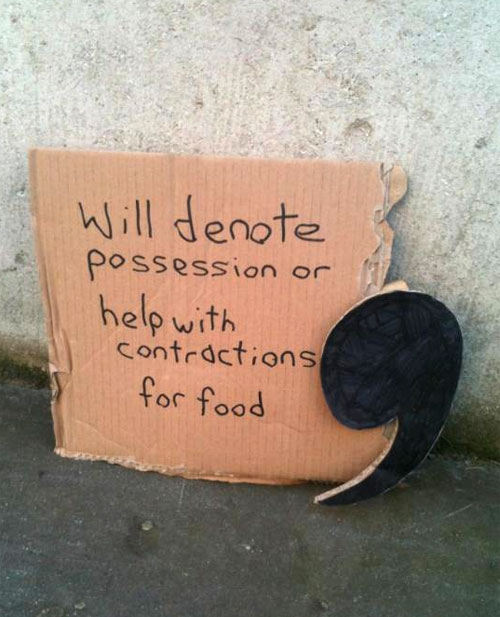 This is because the use of letters in writing is a symbolic representation of the spoken word. All the words that I have used thus far in this post, all the grammatical rules and spelling conventions followed, are not something absolute or static. In a few hundred years, aspects of what I have written here (assuming my words were still around somewhere) will seem archaic and odd.
Music provides a useful analogy. Some people learn basic rules of music – keys, scales, chords – and then feel puzzled at the notes and chords a composer included which are not in the key in question.
But the “rules” of music are like the rules of grammar. They are a codification about what sounds good to the ear, not a straitjacket in which sentences or melodies are placed as a prelude to their incarceration, should they play fast and loose with these conventions too often.
The reality is that you can invert words in poetry, and add chromatic passing tones in song, and as long as the listener can understand and enjoy what you have expressed, then you have communicated.
Religion is the same. If someone claims to be a Christian and holds no view that bears any resemblance to anything connected with that tradition, they will simply get puzzled looks. But those who claim that a religion is like a strict set of grammatical or musical rules that cannot be broken has misunderstood religion, grammar, and music.
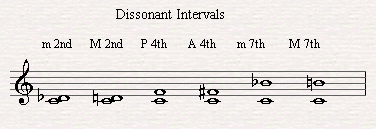
The prophets and radical theologians, but also the conservative preachers and teachers, not to mention the composers of hymns and choruses and cantatas, all work within frameworks, and multiple frameworks at that. The only things that constrain them in any strict sense are the limits of their imagination on the one hand, and what their audience can bear on the other. One can put together strings of words or musical intervals in an entirely surprising order. The question is whether your hearers will find it meaningful, or mere dissonant nonsense of a sort that a child with no musical education could make by banging on an instrument.
The future of language, music, and religion is determined by those who press the boundaries. They either carve out new space that people come to inhabit, whether speedily or slowly, or otherwise they discover that certain ideas are not received. What they produce may still be meaningful to themselves as the one who composed it, and perhaps to a small circle. And so there is no standpoint from which someone can say “that isn’t language, it isn’t music, it isn’t religion.” There is no objective standpoint from which to judge such human creative activities. But societies judge nonetheless, and those who wish not merely to express themselves but to influence their world cannot ignore the reactions offered to their compositions. They must rather walk the fine line between tradition and innovation, between order and chaos, while also seeking to chart a new path and hoping that some may follow them.
There is therefore no use insisting that people who adopt a different view about a theological or a moral question than the traditional one in their past are “not being faithful to their religion.” That is like saying that e. e. cummings was not being faithful to the English language. He walked the boundary between rigid adherence to rules and flexible creativity. It is like saying that jazz “isn’t being faithful to music” – or worse still that it isn’t music at all – because its extensive chromaticism and dissonance would surely have baffled Haydn.
As for whose work today will set the tone for the music or the religious beliefs and practices of tomorrow, only time will tell.
 Just keep in mind when considering the matter that, viewed from a future in which the apostrophe has been eliminated, those who did not use it in the early 21st century would not seem like uneducated and ungrammatical imbeciles, but pioneers ahead of their time, people who wrote in ways that people in the 25th century find more intelligible across the centuries than those odd educated authors who stuck odd little floating commas in their words.
But of course, we cannot know from now that that is what the future of language holds. And so neither those who are more traditional nor those who ignore the rules can claim from now to be speaking the language of the future, or playing the music of the future, or living out the Christianity of the future.
They can only do as their convictions and conscience dictate, ignoring their critics if necessary, and offer a vision that they hope will catch on.
After that, only time will tell.
Let me close by mentioning a saying attributed to Jesus in one manuscript of Luke’s Gospel (Codex Bezae), in Luke 6:5. In it, Jesus is said to have found someone working on the Sabbath, and to have said, “Friend, if you know what you are doing, you are blessed; but if you do not, you are accursed as a breaker of the Law.”
You have to know and understand the rules, to be able to break them in ways that are not merely ignorant, but meaningful and creative.
https://www.youtube.com/watch?v=fneAE1vly1o
Previous Post

October 5, 2014
More Biblical Than Left Behind
Next Post
October 6, 2014 Moss and Baden on the Lastest Mythicist Nonsense
Browse Our Archives
Select a Category 1 Corinthians 1 John 1 Peter 1 Samuel 1 Thessalonians 1 Timothy 2 Corinthians 2 Kings 2 Peter 2 Samuel 2 Thessalonians 2 Timothy academia Acts of the Apostles afterlife Akhaten Alcatraz American Academy of Religion Amos Anglican Arabic Aramaic archaeology art artificial intelligence astronomy atheism atonement Babylon 5 Baptists Battlestar Galactica Bible Biblical Studies Carnival biblioblogging Black Mirror Blade Runner Book of Job book review Buddhism Call for Papers China Christianity Christmas Christology Chronicles Coptic creation Daniel Deuteronomy Doctor Who Dune Easter Ecclesiastes economics education Eldad Keynan Enoch Seminar Ephesians eschatology Esther Evangelicals evolution Exodus Expanse Ezekiel Ezra fantasy Fringe fundamentalism Galatians games Ge'ez genealogy Genesis Gnosticism Gospel of Jesus' Wife Gospel of John Gospel of Judas Gospel of Luke Gospel of Mark Gospel of Matthew Gospel of Peter Gospel of Thomas Greek Harry Potter Hebrew Hebrews Hinduism historical Jesus history Hitchhiker's Guide to the Galaxy Holidays horror Hosea humor incarnation India inerrancy information literacy inspirational Intelligent Design Ireland Isaiah Islam Israel Italy James Jeremiah John the Baptist Jonah Joshua Judaism Jude Judges Judith Lamentations languages Latin Leviticus libraries literature Lord of the Rings LOST Mandaeans Mandaic memes Methodism Micah monotheism morality Mormons movies music mythicism NASSCAL Nehemiah new perspective New Testament news Numbers Orthodox paganism panentheism pantheism Patheos Paul and his letters Pentecostals Philippians Philippians 2:6-11 philosophy physics Planet of the Apes podcast politics Progressive Christianity Protestantism Proverbs Psalms pseudoscience racism religion Revelation Roman Catholicism Romania Romans Ruth scams science science fiction Secret Gospel of Mark Society of Biblical Literature Song of Songs Star Trek Star Wars Stargate Swahili Syriac Taoism technology Terminator The Handmaid's Tale The Hobbit The Matrix theodicy theology theory Timeless Titus tomb Torchwood travel TRON Uncategorized United Kingdom Westworld X-Files young-earth creationism Zechariah
Select a Month November 2026 October 2026 September 2026 August 2026 July 2026 June 2026 May 2026 April 2026 March 2026 February 2026 January 2026 December 2025 November 2025 October 2025 September 2025 July 2025 June 2025 May 2025 April 2025 March 2025 February 2025 January 2025 December 2024 November 2024 October 2024 September 2024 August 2024 July 2024 June 2024 May 2024 April 2024 March 2024 February 2024 January 2024 December 2023 November 2023 October 2023 September 2023 August 2023 July 2023 May 2023 April 2023 March 2023 February 2023 January 2023 December 2022 November 2022 October 2022 September 2022 August 2022 July 2022 June 2022 May 2022 April 2022 March 2022 February 2022 January 2022 December 2021 November 2021 October 2021 September 2021 August 2021 July 2021 June 2021 May 2021 April 2021 March 2021 February 2021 January 2021 December 2020 November 2020 October 2020 September 2020 August 2020 July 2020 June 2020 May 2020 April 2020 March 2020 February 2020 January 2020 December 2019 November 2019 October 2019 September 2019 August 2019 July 2019 June 2019 May 2019 April 2019 March 2019 February 2019 January 2019 December 2018 November 2018 October 2018 September 2018 August 2018 July 2018 June 2018 May 2018 April 2018 March 2018 February 2018 January 2018 December 2017 November 2017 October 2017 September 2017 August 2017 July 2017 June 2017 May 2017 April 2017 March 2017 February 2017 January 2017 December 2016 November 2016 October 2016 September 2016 August 2016 July 2016 June 2016 May 2016 April 2016 March 2016 February 2016 January 2016 December 2015 November 2015 October 2015 September 2015 August 2015 July 2015 June 2015 May 2015 April 2015 March 2015 February 2015 January 2015 December 2014 November 2014 October 2014 September 2014 August 2014 July 2014 June 2014 May 2014 April 2014 March 2014 February 2014 January 2014 December 2013 November 2013 October 2013 September 2013 August 2013 July 2013 June 2013 May 2013 April 2013 March 2013 February 2013 January 2013 December 2012 November 2012 October 2012 September 2012 August 2012 July 2012 June 2012 May 2012 April 2012 March 2012 February 2012 January 2012 December 2011 November 2011 October 2011 September 2011 August 2011 July 2011 June 2011 May 2011 April 2011 March 2011 February 2011 January 2011 December 2010 November 2010 October 2010 September 2010 August 2010 July 2010 June 2010 May 2010 April 2010 March 2010 February 2010 January 2010 December 2009 November 2009 October 2009 September 2009 August 2009 July 2009 June 2009 May 2009 April 2009 March 2009 February 2009 January 2009 December 2008 November 2008 October 2008 September 2008 August 2008 July 2008 June 2008 May 2008 April 2008 March 2008 February 2008 January 2008 December 2007 November 2007 October 2007 September 2007 August 2007 July 2007 June 2007 February 2007 January 2001
Follow Us!
TAKE THE
Religious Wisdom Quiz
What Christian celebration commemorates the resurrection of Jesus Christ?
Select your answer to see how you score.
Easter Christmas Epiphany Lent
Books by This Author Books by James F. McGrath
Related posts from Religion Prof: The Blog of James F. McGrath

Two New Songs: Shine! and Come Spirit Come
Religion Prof: The Blog of James F. McGrath

Build Something Better (Songs from the Journey)
Religion Prof: The Blog of James F. McGrath

Monty Python meets Theology Beer Camp
Religion Prof: The Blog of James F. McGrath
Religion Prof: The Blog of James F. McGrath
TRENDING AT PATHEOS Progressive Christian

"Why Do Churches Talk So Much About Money?"
If you were inclined to do so, you could probably find any...

Watch and Pray: On Mark 13:33-37
Jesus said to his disciples: “Be watchful! Be alert! You do not...

Debate on Purgatory & Biblical Evidences for It
This is from a combox on my video channel, Catholic Bible Highlights....

Set the table for the coming King
On Thursday we visited my sister-in-law for Thanksgiving, and throughout the entire...

If I Stop Becoming, Will I Disappear?
(At our most recent half day Zen retreat, Dr Chris Hoff, a...

A Modest Proposal for President Trump
Trump should just quit the loser Republicans who failed him so badly...
view all Progressive Christian blogs
Ad-Free & Subscriber Log-In Subscription Support
- About Us
- 2026 Calendar
- Videos
- Podcasts
- Library of World Religions
- Faith In Media Tracker
- Advertise With Us
- Write for Us
- Privacy Policy
- Terms of Service
- Do Not Sell My Data
- Contact Us
- Radiant Digital
- Manage Newsletter Subscriptions
- Unsubscribe From Notifications
- Sitemap
Copyright 2008-2026, Patheos, part of the Radiant Digital network of media brands. All rights reserved.
Subscription Support Ad-Free & Subscriber Log-In
Follow Patheos