
BuddhistCatholicContemplativeEvangelicalGeneral ChristianHinduJewishLatter-day SaintMuslimNew VisionsProgressive Christian
Beliefs
- Buddhist
- Catholic
- Contemplative
- Evangelical
- General Christian
- Hindu
- Jewish
- Latter-day Saint
- More Voices
- Muslim
- New Visions
- Pagan
- Progressive Christian
Topics
- Religion News
- Food and Religion
- Sports and Religion
- Religious Art
- Religious Music and Entertainment
- Religious Events
- History and Religion
- Style and Religion
- Politics and Religion
- Women in Religion
- Recreation Outdoors and Religion
- Business Finance and Religion
- Careers Workplace and Religion
- Education and Religion
- Family Parenting and Religion
- Health Fitness and Religion
- Home and Religion
- Relationships and Religion
- Technology and Religion
- Travel and Religion
Columnists
- Buddhist Columnists
- Business Finance and Religion Columnists
- Careers Workplace and Religion Columnists
- Catholic Columnists
- Contemplative Columnists
- Education and Religion Columnists
- Evangelists Columnists
- Family Parenting and Religion Columnists
- General Christian Columnists
- Health Fitness and Religion Columnists
- Hindu Columnists
- History and Religion Columnists
- Home and Religion Columnists
- Jewish Columnists
- More Voices Columnists
- Latter Day Columnists
- Muslim Columnists
- New Visions Columnists
- Nonreligious Columnists
- Pagan Columnists
- Politics and Religion Columnists
- Progressive Columnists
- Recreation Outdoors and Religion Columnists
- Relationships and Religion Columnists
- Religion News Columnists
- Religious Art Columnists
- Religious Events Columnists
- Religious Music and Entertainment Columnists
- Sports and Religion Columnists
- Style and Religion Columnists
- Technology and Religion Columnists
- Travel and Religion Columnists
- Women in Religion Columnists
Resource Library
- 2026 Calendar
- Library of World Religions
- The 100 Most Holy Places on Earth
- Patheos Answers
- Podcasts
- Videos
- Faith Leaders Database
- Anglican Episcopalian
- Bahai
- Baptist
- Buddhism
- Christianity
- Confucianism
- Eastern Orthodoxy
- Hinduism
- Holiness and Pentecostal
- ISKCON
- Islam
- Judaism
- Lutheran
- Methodist
- The Church of Jesus Christ of Latter-day Saints
- New Age
- Paganism
- Presbytarian and Reformed
- Protestantism
- Religion Behind the Scenes
- Roman Catholic
- Scientology
- Shia Islam
- Sikhism
- Sufism
- Sunni Islam
- Taoism
- Zen
- See all religions
Research Tools
 Ad-Free & Subscriber Log-In Subscription Support
Ad-Free & Subscriber Log-In Subscription Support
Follow Patheos 

- Trending:
- Forgiveness
- |
- Marriage
- |
- Consciousness
- |
- Death Penalty
- |
- Election
- |
- Halloween

- Home
- Religion News
- Why Ramadan Is Called Ramadan: 6 Questions Answered
Why Ramadan Is Called Ramadan: 6 Questions Answered
Last updated on: May 6, 2019 at 12:59 pm by The Conversation
Why Ramadan Is Called Ramadan: 6 Questions Answered 2019-05-06T12:59:13-04:00 The Conversation
Patheos Explore the world's faith through different perspectives on religion and spirituality! Patheos has the views of the prevalent religions and spiritualities of the world.
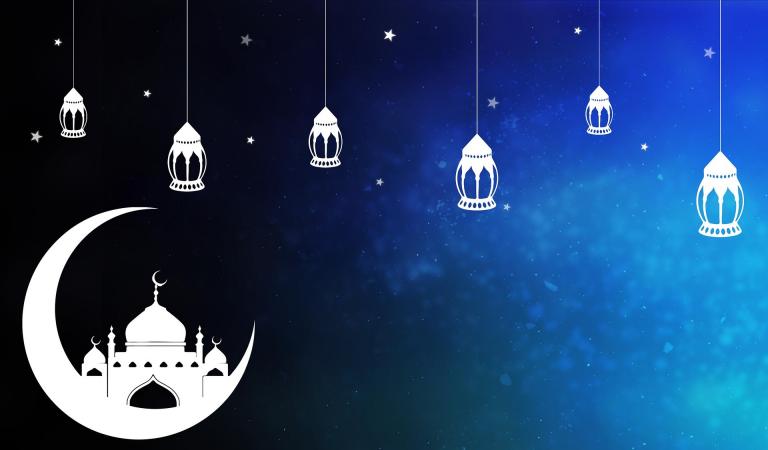
Image by john peter from Pixabay
Mohammad Hassan Khalil, Michigan State University
Mohammad Hassan Khalil, associate professor of religious studies and director of the Muslim Studies Program at Michigan State University, answers six questions about the significance of the Muslim month of fasting.
Why is Ramadan called Ramadan?
Ramadan is the ninth month of the Islamic lunar calendar, and lasts either 29 or 30 days, depending on when the new crescent moon is (or should be) visible.
The Arabic term Ramadan connotes intense heat. It seems that in pre-Islamic Arabia, Ramadan was the name of a scorching hot summer month. In the Islamic calendar, however, the timing of Ramadan varies from year to year. This year Ramadan begins in most places on May 6; next year it will begin in late April. (An Islamic year is roughly 11 days shorter than a Gregorian year.)
What is the significance of Ramadan?
Ramadan is a period of fasting and spiritual growth, and is one of the five “pillars of Islam” (the others being the declaration of faith, daily prayer, alms-giving, and the pilgrimage to Mecca). Able-bodied Muslims are expected to abstain from eating, drinking and sexual relations from dawn to sunset each day of the month. Many practicing Muslims also perform additional prayers, especially at night, and attempt to recite the entire Qur’an (Koran). The prevailing belief among Muslims is that it was in the final 10 nights of Ramadan that the Qur’an was first revealed to the Prophet Muhammad.
What is the connection between soul and body that the observance of Ramadan seeks to explain?
The Qur’an states that fasting was prescribed for believers so that they may be conscious of God. By abstaining from things that people tend to take for granted (such as water), it is believed, one may be moved to reflect on the purpose of life and grow closer to the creator and sustainer of all existence. As such, engaging in wrongdoing effectively undermines the fast. Many Muslims also maintain that fasting allows them to get a feeling of poverty, and this may foster feelings of empathy.
Can Muslims skip fasting under certain conditions? If so, do they make up missed days?
All those who are physically limited (for example, because of an illness or old age) are exempt from the obligation to fast; the same is true for anyone who is traveling. Those who are able to do so are expected to make up the missed days at a later time. (One could potentially make up all of the missed days in the month immediately following Ramadan, the month of Shawwal.) Those unable to fast at all (if they are financially able) are expected to provide meals to the needy as an alternative course of action.
What is the significance of 29 or 30 days of fasting?
By fasting over an extended period of time, practicing Muslims aim to foster certain attitudes and values that they would be able to cultivate over the course of an entire year. Ramadan is often likened to a spiritual training camp.
Besides experiencing feelings of hunger and thirst, believers often have to deal with fatigue because of late-night prayers and predawn meals. This is especially true during the final 10 nights of the month. In addition to being the period in which the Qur’an was believed to have been first revealed, this is a time when divine rewards are believed to be multiplied. Many Muslims will offer additional prayers during this period.
Do Muslims celebrate the completion of Ramadan?
The end of Ramadan marks the beginning of one of two major Islamic holidays Eid al-Fitr, the “festival of the breaking of the fast.” On this day, many Muslims attend a religious service, visit relatives and friends, and exchange gifts.
This is an updated version of an article originally published on May 22, 2017
Mohammad Hassan Khalil, Associate Professor of Religious Studies and Director of the Muslim Studies Program, Michigan State University
This article is republished from The Conversation under a Creative Commons license. Read the original article.
Previous Post

May 1, 2019
From Paris to Boston, the Crucial Role of Fire Chaplains
Next Post

May 30, 2019 What Israel's New Election Reveals About the Struggle Over Jewishness
Browse Our Archives
Select a Category Story of God Uncategorized
Select a Month September 2022 August 2022 January 2022 December 2021 August 2021 July 2021 February 2021 January 2021 January 2020 December 2019 November 2019 October 2019 September 2019 August 2019 July 2019 June 2019 May 2019 April 2019 March 2019 February 2019 January 2019 December 2018 November 2018 October 2018 September 2018 July 2018 June 2018 May 2018 April 2018 November 2017 October 2017 August 2017 June 2017 May 2017 April 2017 November 2016 October 2016 September 2016 July 2016 June 2016 May 2016 April 2016 March 2016 February 2016 January 2016 December 2015 November 2015 October 2015 September 2015 August 2015 July 2015 June 2015 May 2015 April 2015 March 2015 February 2015 January 2015 December 2014 October 2014 September 2014 July 2014 May 2014 April 2014 March 2014 February 2014 January 2014 September 2013 August 2013 July 2013 June 2013 May 2013 April 2013 March 2013 February 2013 January 2013 December 2012
Follow Us!
TAKE THE
Religious Wisdom Quiz
Which letter emphasizes faith without works is dead?
Select your answer to see how you score.
Hebrews 1 Peter Titus James
Related posts from Religion Now

Truth is Narrow, but God’s Grace is Wide
Is Progressive Christianity Counterfeit Gospel?

Reviving the Divine Feminine with Beth Ames Swartz
TRENDING AT PATHEOS Religion News

Catholic Integralists believe that religious values – specifically Christian ones – should...

Electing A Virtuous President Would Make Immunity Irrelevant
Presidential immunity can bring with it many risks. So how can we...

Why The Olympic Games Are A ‘Civil Religious’...
Sporting events form a vital space where Americans display their 'civil religious...

After more than a decade of news, research updates, and insights on...

Q: Why do Southern Baptists and like-minded Protestants...
THE RELIGION GUY’S ANSWER: Why? Simple. Because they believe that’s what the...

THE QUESTION: Is gambling evil? THE RELIGION GUY’S ANSWER: Analysts anticipate a...
view all Religion News blogs
Ad-Free & Subscriber Log-In Subscription Support
- About Us
- 2026 Calendar
- Videos
- Podcasts
- Library of World Religions
- Faith In Media Tracker
- Advertise With Us
- Write for Us
- Privacy Policy
- Terms of Service
- Do Not Sell My Data
- Contact Us
- Radiant Digital
- Manage Newsletter Subscriptions
- Unsubscribe From Notifications
- Sitemap
Copyright 2008-2026, Patheos. All rights reserved.
Subscription Support Ad-Free & Subscriber Log-In
Follow Patheos