
BuddhistCatholicContemplativeEvangelicalGeneral ChristianHinduJewishLatter-day SaintMuslimNew VisionsProgressive Christian
Beliefs
- Buddhist
- Catholic
- Contemplative
- Evangelical
- General Christian
- Hindu
- Jewish
- Latter-day Saint
- More Voices
- Muslim
- New Visions
- Pagan
- Progressive Christian
Topics
- Religion News
- Food and Religion
- Sports and Religion
- Religious Art
- Religious Music and Entertainment
- Religious Events
- History and Religion
- Style and Religion
- Politics and Religion
- Women in Religion
- Recreation Outdoors and Religion
- Business Finance and Religion
- Careers Workplace and Religion
- Education and Religion
- Family Parenting and Religion
- Health Fitness and Religion
- Home and Religion
- Relationships and Religion
- Technology and Religion
- Travel and Religion
Columnists
- Buddhist Columnists
- Business Finance and Religion Columnists
- Careers Workplace and Religion Columnists
- Catholic Columnists
- Contemplative Columnists
- Education and Religion Columnists
- Evangelists Columnists
- Family Parenting and Religion Columnists
- General Christian Columnists
- Health Fitness and Religion Columnists
- Hindu Columnists
- History and Religion Columnists
- Home and Religion Columnists
- Jewish Columnists
- More Voices Columnists
- Latter Day Columnists
- Muslim Columnists
- New Visions Columnists
- Nonreligious Columnists
- Pagan Columnists
- Politics and Religion Columnists
- Progressive Columnists
- Recreation Outdoors and Religion Columnists
- Relationships and Religion Columnists
- Religion News Columnists
- Religious Art Columnists
- Religious Events Columnists
- Religious Music and Entertainment Columnists
- Sports and Religion Columnists
- Style and Religion Columnists
- Technology and Religion Columnists
- Travel and Religion Columnists
- Women in Religion Columnists
Resource Library
- 2026 Calendar
- Library of World Religions
- The 100 Most Holy Places on Earth
- Patheos Answers
- Podcasts
- Videos
- Faith Leaders Database
- Anglican Episcopalian
- Bahai
- Baptist
- Buddhism
- Christianity
- Confucianism
- Eastern Orthodoxy
- Hinduism
- Holiness and Pentecostal
- ISKCON
- Islam
- Judaism
- Lutheran
- Methodist
- The Church of Jesus Christ of Latter-day Saints
- New Age
- Paganism
- Presbytarian and Reformed
- Protestantism
- Religion Behind the Scenes
- Roman Catholic
- Scientology
- Shia Islam
- Sikhism
- Sufism
- Sunni Islam
- Taoism
- Zen
- See all religions
Research Tools
 Ad-Free & Subscriber Log-In Subscription Support
Ad-Free & Subscriber Log-In Subscription Support
Follow Patheos 

- Trending:
- Forgiveness
- |
- Marriage
- |
- Consciousness
- |
- Death Penalty
- |
- Election
- |
- Halloween

- Home
- Religion News
- Orphan Awareness Month: Moving Beyond Awareness
Orphan Awareness Month: Moving Beyond Awareness
Last updated on: November 17, 2015 at 5:15 pm by Guest Contributor
Orphan Awareness Month: Moving Beyond Awareness 2015-11-17T17:15:58-05:00 Guest Contributor
Patheos Explore the world's faith through different perspectives on religion and spirituality! Patheos has the views of the prevalent religions and spiritualities of the world.
By Jenny Eaton Dyer
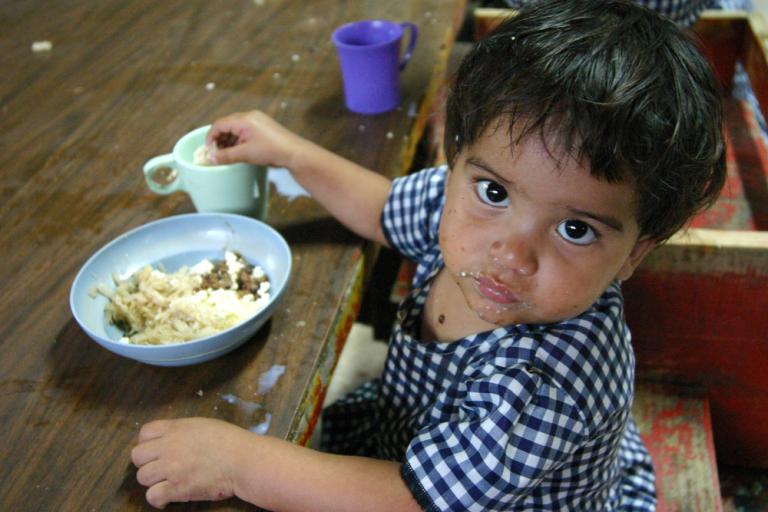
November is Orphan Awareness Month. It is a time to raise awareness and funding for the millions of children around the world displaced by HIV/AIDS and extreme poverty. According to UNICEF, there are over 153 million children worldwide who have lost one or both parents. Of these orphans, HIV/AIDS has orphaned 17.9 million of these children, most of them in Sub-Saharan Africa and Southeast Asia.
There is good news. The peak deaths has been reached, in 2005, and since then AIDS related deaths have declined by 30% worldwide. Moreover, while in 2002, less than 50,000 people in Africa had access to anti-retro viral (ARV) medications, today, over 10 million people across Sub-Saharan Africa have access to ARVs thanks to U.S. global leadership and American tax dollars.
With this decline should also come the decline in orphans, as well. More parents will live robust lives. More families will stay together. And more children can stay children, without becoming adults too early in life shepherding younger brothers and sisters.
This being said, there are miles to go and many children who still need our support.
As we pause to reflect on the orphanhood crisis this month, perhaps beyond awareness and fundraising, albeit necessary, we could also reconsider the role of prevention.
There are over 220 million women around the world who say that they want to avoid their next pregnancy but they lack the education or resources to do so. Many of these women are child brides, married by the time they are sixteen wishing to delay the debut of their first pregnancy so that they can stay in school and finish their education. Some of these women have had several children, and they simply cannot afford to feed or educate each child each day and wonder how they will ever support yet another.
And, very sadly, many of these women – that is, more than 287,000 – will die due to complications in pregnancy and childbirth. These younger women, if in their late teens, are three times more likely to die than if they could wait until after twenty years of age to have their first child. Yet, over 80 percent of these deaths are preventable and treatable.
When a mother dies during childbirth, the newborn is ten times more likely to die within two years of their mother’s death.
We can address these issues. We can contribute to ending the orphanhood crisis.
One critical intervention is healthy timing and spacing of pregnancies (HTSP) for women in developing nations. If we can address these millions of women with the knowledge and access to contraceptives to better time and space their children, we can save lives, close the gap on maternal mortality, and contribute to the prevention of orphanhood among children.
One great example of a faith-based program deploying HTSP is World Visions’ MOMENT projects in Kenya and India. The goal of these projects is to increase women’s access to high-quality, voluntary family planning services using community-led meetings and local networks so that communities have ownership of the program. World Vision seeks to work with gatekeepers in communities to educate leaders on the importance of HTSP to reduce maternal mortality and infant mortality rates. Because newborns without a mother are ten times more likely to die than those whose mother’s survive.
We advocate for stronger dialogue, particularly among faith-based communities, and support for healthy timing and spacing of pregnancies for healthier mothers and children worldwide. Let’s move beyond just awareness and rethink the critical role of planning families for women to stop the orphanhood crisis this Orphan Awareness Month.
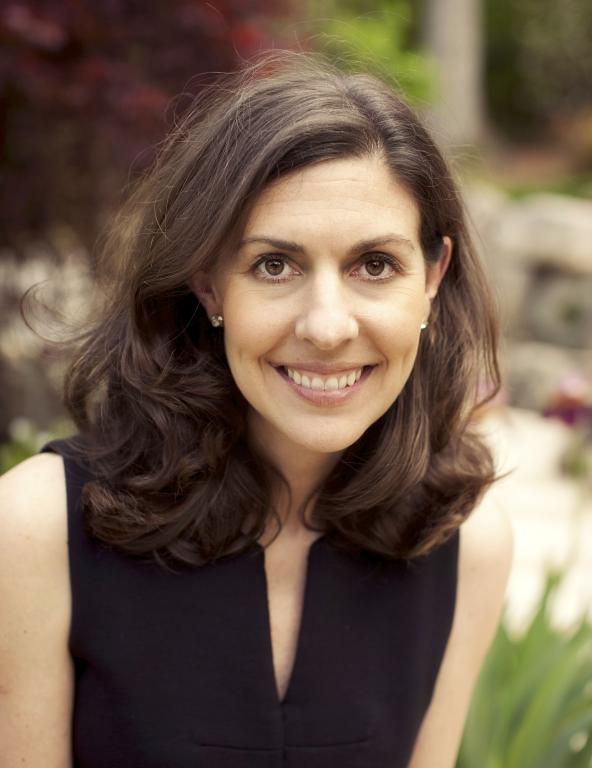 Jennifer Dyer, Ph.D., is the Executive Director of the Faith-based Coalition for Healthy Mothers & Children Worldwide, seeking to educate faith communities here in the US about the issues affecting child and maternal health in the developing world.
Photo Shawn Talbot / Shutterstock.com
Previous Post

November 11, 2015
Mormon Homophobia and the Unintended Theological Crisis
Browse Our Archives
Select a Category Story of God Uncategorized
Select a Month September 2022 August 2022 January 2022 December 2021 August 2021 July 2021 February 2021 January 2021 January 2020 December 2019 November 2019 October 2019 September 2019 August 2019 July 2019 June 2019 May 2019 April 2019 March 2019 February 2019 January 2019 December 2018 November 2018 October 2018 September 2018 July 2018 June 2018 May 2018 April 2018 November 2017 October 2017 August 2017 June 2017 May 2017 April 2017 November 2016 October 2016 September 2016 July 2016 June 2016 May 2016 April 2016 March 2016 February 2016 January 2016 December 2015 November 2015 October 2015 September 2015 August 2015 July 2015 June 2015 May 2015 April 2015 March 2015 February 2015 January 2015 December 2014 October 2014 September 2014 July 2014 May 2014 April 2014 March 2014 February 2014 January 2014 September 2013 August 2013 July 2013 June 2013 May 2013 April 2013 March 2013 February 2013 January 2013 December 2012
Follow Us!
TAKE THE
Religious Wisdom Quiz
What did Solomon ask God for when he became king?
Select your answer to see how you score.
Wisdom Long life Victory Riches
Related posts from Religion Now

Who's Responsible for Religious Literacy Education?

Infant Mortality Disparity in the Developing World
Global Poverty and Local Religiosity
TRENDING AT PATHEOS Religion News

Catholic Integralists believe that religious values – specifically Christian ones – should...

Electing A Virtuous President Would Make Immunity Irrelevant
Presidential immunity can bring with it many risks. So how can we...

Why The Olympic Games Are A ‘Civil Religious’...
Sporting events form a vital space where Americans display their 'civil religious...

After more than a decade of news, research updates, and insights on...

Q: Why do Southern Baptists and like-minded Protestants...
THE RELIGION GUY’S ANSWER: Why? Simple. Because they believe that’s what the...

THE QUESTION: Is gambling evil? THE RELIGION GUY’S ANSWER: Analysts anticipate a...
view all Religion News blogs
Ad-Free & Subscriber Log-In Subscription Support
- About Us
- 2026 Calendar
- Videos
- Podcasts
- Library of World Religions
- Faith In Media Tracker
- Advertise With Us
- Write for Us
- Privacy Policy
- Terms of Service
- Do Not Sell My Data
- Contact Us
- Radiant Digital
- Manage Newsletter Subscriptions
- Unsubscribe From Notifications
- Sitemap
Copyright 2008-2026, Patheos. All rights reserved.
Subscription Support Ad-Free & Subscriber Log-In
Follow Patheos