
BuddhistCatholicContemplativeEvangelicalGeneral ChristianHinduJewishLatter-day SaintMuslimNew VisionsProgressive Christian
Beliefs
- Buddhist
- Catholic
- Contemplative
- Evangelical
- General Christian
- Hindu
- Jewish
- Latter-day Saint
- More Voices
- Muslim
- New Visions
- Pagan
- Progressive Christian
Topics
- Religion News
- Food and Religion
- Sports and Religion
- Religious Art
- Religious Music and Entertainment
- Religious Events
- History and Religion
- Style and Religion
- Politics and Religion
- Women in Religion
- Recreation Outdoors and Religion
- Business Finance and Religion
- Careers Workplace and Religion
- Education and Religion
- Family Parenting and Religion
- Health Fitness and Religion
- Home and Religion
- Relationships and Religion
- Technology and Religion
- Travel and Religion
Columnists
- Buddhist Columnists
- Business Finance and Religion Columnists
- Careers Workplace and Religion Columnists
- Catholic Columnists
- Contemplative Columnists
- Education and Religion Columnists
- Evangelists Columnists
- Family Parenting and Religion Columnists
- General Christian Columnists
- Health Fitness and Religion Columnists
- Hindu Columnists
- History and Religion Columnists
- Home and Religion Columnists
- Jewish Columnists
- More Voices Columnists
- Latter Day Columnists
- Muslim Columnists
- New Visions Columnists
- Nonreligious Columnists
- Pagan Columnists
- Politics and Religion Columnists
- Progressive Columnists
- Recreation Outdoors and Religion Columnists
- Relationships and Religion Columnists
- Religion News Columnists
- Religious Art Columnists
- Religious Events Columnists
- Religious Music and Entertainment Columnists
- Sports and Religion Columnists
- Style and Religion Columnists
- Technology and Religion Columnists
- Travel and Religion Columnists
- Women in Religion Columnists
Resource Library
- 2026 Calendar
- Library of World Religions
- The 100 Most Holy Places on Earth
- Patheos Answers
- Podcasts
- Videos
- Faith Leaders Database
- Anglican Episcopalian
- Bahai
- Baptist
- Buddhism
- Christianity
- Confucianism
- Eastern Orthodoxy
- Hinduism
- Holiness and Pentecostal
- ISKCON
- Islam
- Judaism
- Lutheran
- Methodist
- The Church of Jesus Christ of Latter-day Saints
- New Age
- Paganism
- Presbytarian and Reformed
- Protestantism
- Religion Behind the Scenes
- Roman Catholic
- Scientology
- Shia Islam
- Sikhism
- Sufism
- Sunni Islam
- Taoism
- Zen
- See all religions
Research Tools
 Ad-Free & Subscriber Log-In Subscription Support
Ad-Free & Subscriber Log-In Subscription Support
Follow Patheos 

- Trending:
- Forgiveness
- |
- Marriage
- |
- Consciousness
- |
- Death Penalty
- |
- Election
- |
- Halloween

- Home
- New Visions
- Facing the Difficult Thing: On Joseph’s Predicament
Facing the Difficult Thing: On Joseph’s Predicament
Last updated on: March 16, 2023 at 7:34 am by Tricia Gates Brown
Facing the Difficult Thing: On Joseph’s Predicament 2023-03-16T07:34:36-07:00 Tricia Gates Brown
Patheos Explore the world's faith through different perspectives on religion and spirituality! Patheos has the views of the prevalent religions and spiritualities of the world.
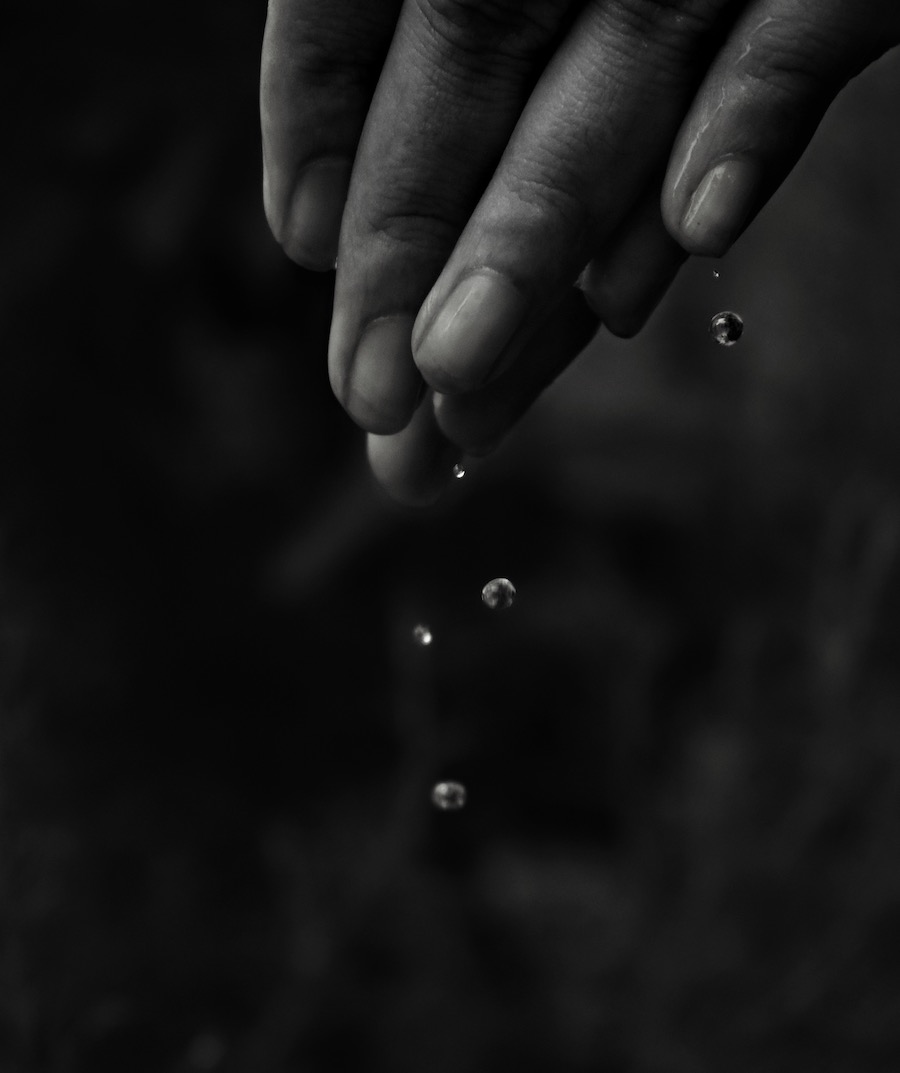
{Photo by Mounesa Kanagarajah for Scopio}
Part of what Advent is, and what Christmas is, is a time of telling stories—most importantly, the two stories of Jesus’ birth in Matthew and in Luke. Only these two gospels tell the birth story, and if we look at them side by side, we see they tell it quite differently. The two authors have different things to say in these stories. And what’s amazing about literature, including biblical literature, is that we read or hear something different every time we come to a story because we are different. We are evolving and growing in our experience and understanding, and we bring a new ear, a new heart to a story.
I’ve probably heard this Sunday’s lectionary story of Jesus’ birth (Matthew 1:18-25) hundreds of times. But what stood out to me this time was the panicked feeling of Joseph’s predicament. We have all been there, in situations where we could either stay with the profound discomfort of a situation or we could abandon and avoid it. In this story, Joseph seems to be a victim of circumstances. He didn’t do anything to get himself there. His unwed beloved is suddenly pregnant—placing her in an incredibly vulnerable, dangerous position—and he was not responsible. When Mary said she didn’t know how she got pregnant, he likely would have doubted her. He was human; even though an angel appeared to reassure and direct him, telling him it was a miraculous pregnancy by which God would be revealed. Surely he struggled with doubt. Yet he decided to do the right thing though it was humiliating.
Some interpreters say Mary could have been stoned to death according to first-century laws, and this may be true. Yet it seems unlikely as a real possibility in the story. Mary and Joseph were from a tiny, familial town in a culture that highly valued family. I don’t think the people of Nazareth who helped raise and nurture Mary as a child, who not only knew and loved her family but in many cases were her family—I don’t think they would have dragged her onto the street to stone her. Most likely, the worst of their punishments—Mary’s punishment if Joseph abandoned her, and the punishment of the couple jointly if they stayed together and raised a baby conceived before their marriage—would have been shame. Likely anyone in their culture reading this story recognized this: That Jesus’ parents would have carried a weight of shame, and possibly for a long time. They would have borne humiliation and public disgust and judgment even if they did the right thing. There is no minimizing this punishment. Living under other people’s judgments and shame is a terrible weight. Sometimes we experience it because of circumstances outside of our control; and sometimes we experience it because we—like all people—have made mistakes or errors of judgment then faced them, even trying to make right what is broken.
I think we all know how this feels: to not run from or deny the difficult things in our lives, but to own up to them or face them and to tell the truth about ourselves (which requires that we first tell the truth to ourselves). This is the right thing to do, but painful. It often brings on the speculations and second-guessing of peers and we wrestle with this demon of shame. For Joseph it had to do with his pregnant betrothed. For us, it might be different. For the deep and inspired relationship we were a part of that crumbled for reasons most people don’t understand; the time we spoke up publicly, or in a close relationship, because something needed to be said, perhaps as a lone voice in a din of denial; the time we made a hard choice to be generous when those on the fringes thought we were foolish or naive.
What stood out to me as I read this Christmas story once again, in the year 2022, is this. The realization that Joseph, and Mary too, had this choice to make, and Matthew’s readers understood it was costly and would be for some time. But as Isaiah wrote in the passage Matthew quotes, Jesus showed us “Emmanuel” or “God is with us.” This concept is an important one to ponder at these times when we feel alone and challenged. Emmanuel: God with us. We can face the hard thing because of this. We can do the hard thing because of this.

Wren, winner of a 2022 Independent Publishers Award Bronze Medal
Previous Post

December 9, 2022
Happiness is bite-sized
Next Post

December 20, 2022 Trance: On shared singing and other diversions
Browse Our Archives
Select a Category Education Essay Excerpt Uncategorized
Select a Month September 2026 August 2026 July 2026 June 2026 May 2026 April 2026 March 2026 February 2026 January 2026 December 2025 November 2025 October 2025 September 2025 August 2025 July 2025 June 2025 May 2025 April 2025 March 2025 February 2025 January 2025 December 2024 November 2024 October 2024 September 2024 August 2024 July 2024 June 2024 May 2024 April 2024 March 2024 February 2024 January 2024 December 2023 November 2023 October 2023 September 2023 August 2023 July 2023 June 2023 May 2023 April 2023 March 2023 February 2023 January 2023 December 2022 November 2022 October 2022 September 2022 August 2022 July 2022
Follow Us!
TAKE THE
Religious Wisdom Quiz
Which writer besides Solomon and David contributed to Proverbs?
Select your answer to see how you score.
Asaph Nathan Agur Moses
Books by This Author Books by About Religion, Doubt and Why They Matter
Related posts from About Religion, Doubt and Why They Matter

Using Your Gifts Is Ministry: A Retired Deacon's...
About Religion, Doubt and Why They Matter

The Many Forms of Prayer: What Does it...
About Religion, Doubt and Why They Matter

In the Gloaming: What the Anti-Aging Movement Misses
About Religion, Doubt and Why They Matter

God Is in the Obstacle: What Loss Taught...
About Religion, Doubt and Why They Matter
TRENDING AT PATHEOS New Visions

57th Dove Awards Honor Dolly Parton, Crown New...
On gospel music’s biggest night, the 57th annual GMA Dove Awards honored...

The First Eucharistic Controversy: Christ’s Real Presence
For Catholics, the Eucharist is the source and summit of the Christian...

What a Stop Sign Can Teach Us About...
How to Make a Decision When You Can't Hear God Main point:...

Archdiocese Hosts Military Marriage Retreat in Germany
RASTATT, Germany — The transient military lifestyle, with its frequent deployments and...

Nearly every morning, I make the drive to Detroit with my high-school-age...

The Real AI Story Is Adoption Without Trust
Artificial intelligence has crossed a political threshold. It is no longer a...
view all New Visions blogs
Ad-Free & Subscriber Log-In Subscription Support
- About Us
- 2026 Calendar
- Videos
- Podcasts
- Library of World Religions
- Faith In Media Tracker
- Advertise With Us
- Write for Us
- Privacy Policy
- Terms of Service
- Do Not Sell My Data
- Contact Us
- Radiant Digital
- Manage Newsletter Subscriptions
- Unsubscribe From Notifications
- Sitemap
Copyright 2008-2026, Patheos. All rights reserved.
Subscription Support Ad-Free & Subscriber Log-In
Follow Patheos