
BuddhistCatholicContemplativeEvangelicalGeneral ChristianHinduJewishLatter-day SaintMuslimNew VisionsProgressive Christian
Beliefs
- Buddhist
- Catholic
- Contemplative
- Evangelical
- General Christian
- Hindu
- Jewish
- Latter-day Saint
- More Voices
- Muslim
- New Visions
- Pagan
- Progressive Christian
Topics
- Religion News
- Food and Religion
- Sports and Religion
- Religious Art
- Religious Music and Entertainment
- Religious Events
- History and Religion
- Style and Religion
- Politics and Religion
- Women in Religion
- Recreation Outdoors and Religion
- Business Finance and Religion
- Careers Workplace and Religion
- Education and Religion
- Family Parenting and Religion
- Health Fitness and Religion
- Home and Religion
- Relationships and Religion
- Technology and Religion
- Travel and Religion
Columnists
- Buddhist Columnists
- Business Finance and Religion Columnists
- Careers Workplace and Religion Columnists
- Catholic Columnists
- Contemplative Columnists
- Education and Religion Columnists
- Evangelists Columnists
- Family Parenting and Religion Columnists
- General Christian Columnists
- Health Fitness and Religion Columnists
- Hindu Columnists
- History and Religion Columnists
- Home and Religion Columnists
- Jewish Columnists
- More Voices Columnists
- Latter Day Columnists
- Muslim Columnists
- New Visions Columnists
- Nonreligious Columnists
- Pagan Columnists
- Politics and Religion Columnists
- Progressive Columnists
- Recreation Outdoors and Religion Columnists
- Relationships and Religion Columnists
- Religion News Columnists
- Religious Art Columnists
- Religious Events Columnists
- Religious Music and Entertainment Columnists
- Sports and Religion Columnists
- Style and Religion Columnists
- Technology and Religion Columnists
- Travel and Religion Columnists
- Women in Religion Columnists
Resource Library
- 2026 Calendar
- Library of World Religions
- The 100 Most Holy Places on Earth
- Patheos Answers
- Podcasts
- Videos
- Faith Leaders Database
- Anglican Episcopalian
- Bahai
- Baptist
- Buddhism
- Christianity
- Confucianism
- Eastern Orthodoxy
- Hinduism
- Holiness and Pentecostal
- ISKCON
- Islam
- Judaism
- Lutheran
- Methodist
- The Church of Jesus Christ of Latter-day Saints
- New Age
- Paganism
- Presbytarian and Reformed
- Protestantism
- Religion Behind the Scenes
- Roman Catholic
- Scientology
- Shia Islam
- Sikhism
- Sufism
- Sunni Islam
- Taoism
- Zen
- See all religions
Research Tools
 Ad-Free & Subscriber Log-In Subscription Support
Follow Patheos 

- Trending:
- Advent
- |
- Forgiveness
- |
- Thanksgiving
- |
- Election
- |
- Seasonal Holidays
- |
- Marriage

- Home
- New Visions
- Why Spiritual Ritual?
Why Spiritual Ritual?
Last updated on: September 24, 2022 at 1:08 pm by Tricia Gates Brown
Why Spiritual Ritual? 2022-09-24T13:08:32-07:00 Tricia Gates Brown
Patheos Explore the world's faith through different perspectives on religion and spirituality! Patheos has the views of the prevalent religions and spiritualities of the world.

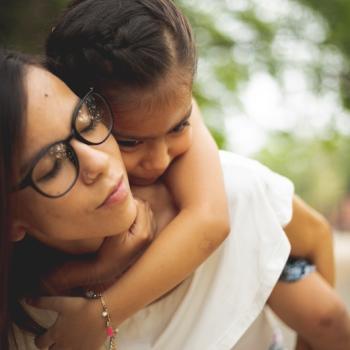
{Photo by Maria Dashkova for Scopio}
Learning to kneel took me decades. It was not something I did in my upbringing; and before I could kneel, I needed to know why. Then I learned to kneel at a communion rail each Sunday, taking into my hands a small wafer and drinking a swallow of wine from a common silver chalice. The kneeling was part of the ritual’s grounding, of the receiving. Then I learned to kneel as I said the ritual “prayer of repentance”: I have not loved you with my whole heart … I have not loved my neighbor as myself…: words that felt like truth-telling to me, not self-flagellation, like an eye-opening to something I wanted to repeat because otherwise I might ignore it, selling myself short. The why of kneeling, for me? To get closer to the Ground of all Being, where I am humbled and uplifted in my oneness with humanity, with animals and trees, and with God, the Ground of Being this creation incarnates. (I recognize many cannot kneel because of knee pain, and I’m not elevating kneeling per se. What is important is ritual, not the kneeling.)
I recently heard a discussion about the decline of religious-spiritual services in the United States in which a speaker expressed that modern people often don’t need religion and ritual anymore because their lives are full of other pursuits. People who have walked away from religion, he said, don’t feel a lack. While I could agree with this in principle and have seen it in people who find richness and meaning and ritual throughout their days, I generally don’t see this richness and meaning-making. I wish I did. Quite often, I see people reaching for ritual in ways that don’t serve their wellness well.
When I have communed with small groups within my own tradition of Episcopalianism, it is because I need spiritual ritual. It is not about doctrines or cognitive beliefs. The fact is, I think we all need spiritual ritual—something that stops us, quiets us, guides us inward, and reminds us of who we are. I gravitated to my community for all sorts of reasons—some spiritual, some social. But it is hunger for ritual that rumbles most loudly in the belly of my soul. Spiritual ritual takes many forms—not all religious. I think walking in nature, attending a poetry reading, dance, thoughtful reading, or deep, good theater can be spiritual ritual if they challenge us to ask: why am I here? …to what am I given? A ritual activity is spiritual if it draws us out of the false self and into Love, into something far greater than ourselves. Of course, spiritual ritual can be done as badly or as well as any human endeavor.
The endless variety of religious and spiritual ritual is not a failing, though. Variety in spiritual expression merely speaks to our diversity, our multifarious tastes, and expresses our natural, graced heterogeneity. There are beautiful rituals, rituals of great integrity, that simply don’t resonate with me. On me, they are an ill-fitting shoe. And what suits me will surely cramp the style of others (declining attendance at mainline churches attests to this!). If a spiritual ritual offered to you doesn’t suit, perhaps keep searching.
When I ponder: Why spiritual ritual?, I can’t help but notice what transpires when spiritual ritual is absent. In part, we need these rituals because of what we tend to do without them—in their absence. Looking around us and at our own lives, we see how our tendencies can steer us toward unhealth. For better or worse, we are extraordinarily ritual beings. And without spiritual ritual, we fill the ritual-vacuum with something. Into the vacuum caused by its absence floods habit, another kind of ritual. But habit-as-ritual tends to be unexamined and compulsive. We all have these unexamined, compulsive habits that give structure to our days. Our brains actually need them. But when in the absence of spiritual ritual our ritual-habits are all we have, we can become reactive, rigid, shallow, and highly vulnerable to things like advertising, highly partisan politics, and propaganda. Especially when our rituals are done in isolation, divorced from the sounding-board of community. We can end up lacking the introspective, wise, self-critical lens a spiritual tradition can provide, and end up tossed about on our experience instead of grounded in our center. Out of habits our brains form synapses, or neural pathways, as we repeat certain actions over and over again—giving habits great power.
For me, many of the liturgical words repeated in my tradition on Sundays are as nourishing to me as ritual actions. The words shape me; they form a particular neural pathway each time I say them. I’ve written elsewhere how I love these words: “Send us now into the world in peace, and grant us strength and courage to love and serve you with gladness and singleness of heart.” Peace, strength, courage, love, service, gladness, singleness of heart. I need these words on my lips on a regular basis, corralling the otherwise scattered intentions of my heart. The words of this prayer are ancient and beautiful, and as I say them on a regular basis, they alter me. Ritual acts on the brain, on the neural structure, crafting us into the people we are becoming. I could go into all the ways we engage in rituals that build unhealthy neural structure, but I won’t. We know this already. The point is: ritual also has the power to heal our hatred and divisions—if we let it.
Thank you for supporting my work by subscribing!
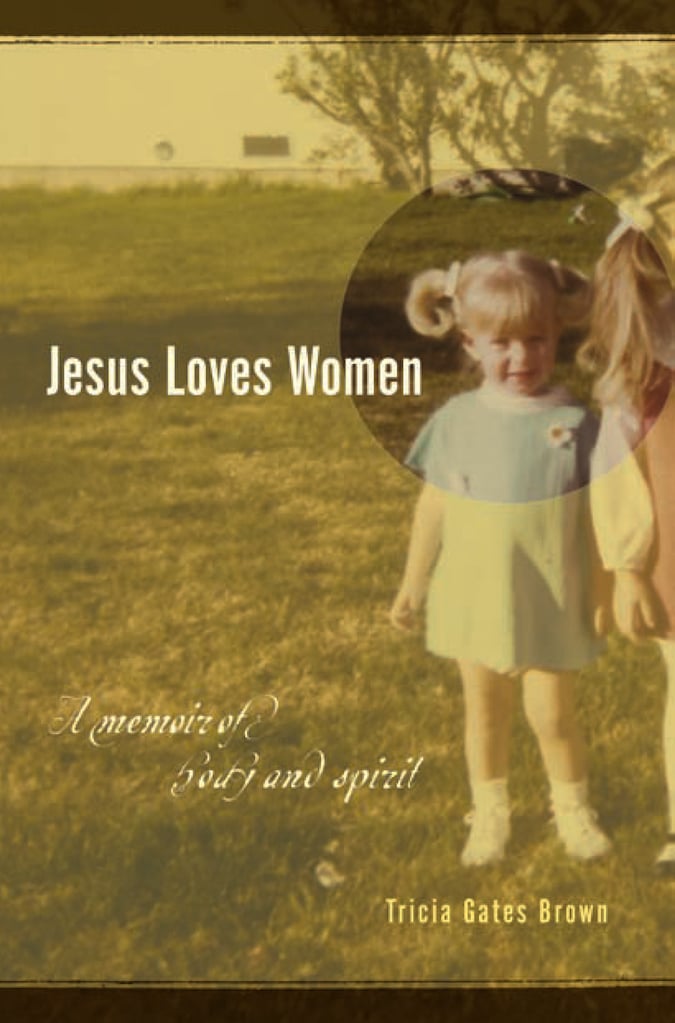
Available HERE
Contemplative
Previous Post
September 19, 2022
Go and Speak Fearlessly
Next Post

September 28, 2022 Becoming Godmother
Browse Our Archives
Select a Category Education Essay Excerpt Uncategorized
Select a Month October 2026 September 2026 August 2026 July 2026 June 2026 May 2026 April 2026 March 2026 February 2026 January 2026 December 2025 November 2025 October 2025 September 2025 August 2025 July 2025 June 2025 May 2025 April 2025 March 2025 February 2025 January 2025 December 2024 November 2024 October 2024 September 2024 August 2024 July 2024 June 2024 May 2024 April 2024 March 2024 February 2024 January 2024 December 2023 November 2023 October 2023 September 2023 August 2023 July 2023 June 2023 May 2023 April 2023 March 2023 February 2023 January 2023 December 2022 November 2022 October 2022 September 2022 August 2022 July 2022
Follow Us!
TAKE THE
Religious Wisdom Quiz
Which New Testament book is written entirely as a letter to an individual?
Select your answer to see how you score.
Philemon James 1 Timothy Jude
Books by This Author Books by About Religion, Doubt and Why They Matter
Related posts from About Religion, Doubt and Why They Matter
The Grief of Healing: Being Found by the...
About Religion, Doubt and Why They Matter
Using Your Gifts Is Ministry: A Retired Deacon's...
About Religion, Doubt and Why They Matter
The Many Forms of Prayer: What Does it...
About Religion, Doubt and Why They Matter

In the Gloaming: What the Anti-Aging Movement Misses
About Religion, Doubt and Why They Matter
TRENDING AT PATHEOS New Visions

How to Have Financial Transparency in Marriage
Despite the fact that financial issues and money problems are the number...
The Healing Power of Forgiveness in Marriage
Learning how to give and accept apologies are essential ingredients of a...

The West's Christian Moral Inheritance: A Legacy Denied
Whether we like it or not, our environment matters, shaping us both...

How Does Tôḏâ Connect Florida & Thanksgiving?
The big news this weekend has been about the continued flooding on...
Were Early Christians Drinking Psychedelic Wine?
The Secret Sacrament the Church Took Away The early Christian church was...

As we in the United States approach the national Thanksgiving holiday...
view all New Visions blogs
Ad-Free & Subscriber Log-In Subscription Support
- About Us
- 2026 Calendar
- Videos
- Podcasts
- Library of World Religions
- Faith In Media Tracker
- Advertise With Us
- Write for Us
- Privacy Policy
- Terms of Service
- Do Not Sell My Data
- Contact Us
- Radiant Digital
- Manage Newsletter Subscriptions
- Unsubscribe From Notifications
- Sitemap
Copyright 2008-2026, Patheos. All rights reserved.
Subscription Support Ad-Free & Subscriber Log-In
Follow Patheos