
BuddhistCatholicContemplativeEvangelicalGeneral ChristianHinduJewishLatter-day SaintMuslimNew VisionsProgressive Christian
Beliefs
- Buddhist
- Catholic
- Contemplative
- Evangelical
- General Christian
- Hindu
- Jewish
- Latter-day Saint
- More Voices
- Muslim
- New Visions
- Pagan
- Progressive Christian
Topics
- Religion News
- Food and Religion
- Sports and Religion
- Religious Art
- Religious Music and Entertainment
- Religious Events
- History and Religion
- Style and Religion
- Politics and Religion
- Women in Religion
- Recreation Outdoors and Religion
- Business Finance and Religion
- Careers Workplace and Religion
- Education and Religion
- Family Parenting and Religion
- Health Fitness and Religion
- Home and Religion
- Relationships and Religion
- Technology and Religion
- Travel and Religion
Columnists
- Buddhist Columnists
- Business Finance and Religion Columnists
- Careers Workplace and Religion Columnists
- Catholic Columnists
- Contemplative Columnists
- Education and Religion Columnists
- Evangelists Columnists
- Family Parenting and Religion Columnists
- General Christian Columnists
- Health Fitness and Religion Columnists
- Hindu Columnists
- History and Religion Columnists
- Home and Religion Columnists
- Jewish Columnists
- More Voices Columnists
- Latter Day Columnists
- Muslim Columnists
- New Visions Columnists
- Nonreligious Columnists
- Pagan Columnists
- Politics and Religion Columnists
- Progressive Columnists
- Recreation Outdoors and Religion Columnists
- Relationships and Religion Columnists
- Religion News Columnists
- Religious Art Columnists
- Religious Events Columnists
- Religious Music and Entertainment Columnists
- Sports and Religion Columnists
- Style and Religion Columnists
- Technology and Religion Columnists
- Travel and Religion Columnists
- Women in Religion Columnists
Resource Library
- 2026 Calendar
- Library of World Religions
- The 100 Most Holy Places on Earth
- Patheos Answers
- Podcasts
- Videos
- Faith Leaders Database
- Anglican Episcopalian
- Bahai
- Baptist
- Buddhism
- Christianity
- Confucianism
- Eastern Orthodoxy
- Hinduism
- Holiness and Pentecostal
- ISKCON
- Islam
- Judaism
- Lutheran
- Methodist
- The Church of Jesus Christ of Latter-day Saints
- New Age
- Paganism
- Presbytarian and Reformed
- Protestantism
- Religion Behind the Scenes
- Roman Catholic
- Scientology
- Shia Islam
- Sikhism
- Sufism
- Sunni Islam
- Taoism
- Zen
- See all religions
Research Tools
 Ad-Free & Subscriber Log-In Subscription Support
Ad-Free & Subscriber Log-In Subscription Support
Follow Patheos 

- Trending:
- Forgiveness
- |
- Marriage
- |
- Consciousness
- |
- Death Penalty
- |
- Election
- |
- Halloween

- Home
- New Visions
- Seeing Beauty in Ourselves and Others
Seeing Beauty in Ourselves and Others
Last updated on: July 23, 2022 at 5:46 am by Tricia Gates Brown
Seeing Beauty in Ourselves and Others 2022-07-23T05:46:35-07:00 Tricia Gates Brown
Patheos Explore the world's faith through different perspectives on religion and spirituality! Patheos has the views of the prevalent religions and spiritualities of the world.
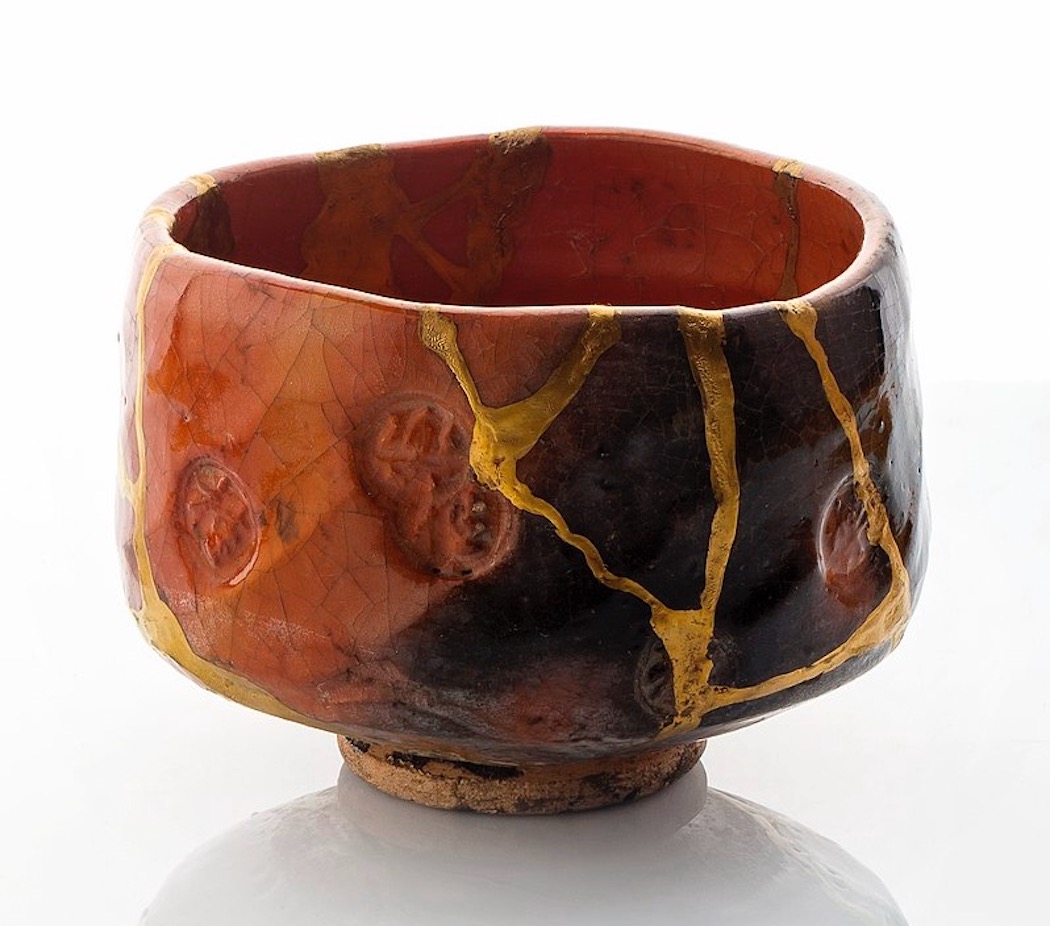
{Photo by Chiara Lorenzetti, Wikimedia Commons CC}
Along with two friends, I weekly visit Nora*, an elder experiencing the slow-motion slide into dementia. My friends and I go to accompany Nora and one another, to share soul-revealing conversation, and to keep vigil with our friend who charts the passing of cognitive abilities she always defined herself by. An inherently deep and intelligent woman, Nora is well aware of what’s happening to her. She grows frustrated searching for words—pulling up synonyms her net snags on, and relaying stories of not remembering, times wondering, for example, if it’s the middle of the night or time to get up—the symbolism of clocks no longer signifying. Yet she also shares detailed dreams she recalls, and astute reflections from day-to-day. Every Tuesday when we arrive, she lights up with surprise, though we’re standard, weekly fare and always on the felt-tip-penned daily events list her husband posts on the fridge. “I love Tuesdays!” she exclaims as we trickle through her door.
For as long as I’ve known her, Nora’s blue-gray eyes have shone with rare love and wisdom. So I was surprised when, on a recent visit, she was overwhelmed with guilt about her life and how (she feels) she’s treated people. The weight of her self-reproach transfixed her and surprised all of us really. It was shocking since Nora seems especially caring, as people go. Yet from the precipice of memory loss, she looks on her life and sees moral failure. “Nora,” I told her, “when we look at you, all we see is a beautiful, kind person.” “Oh, I love hearing this,” she replies, leaning forward, reaching, trying to soak it in—uncharacteristically needy for our affirmation. I, along with my other friends, repeat it, all telling her: You are a beautiful, beautiful person. We’ll keep reminding her.
I recently encountered the image of Japanese kintsugi pottery to illustrate the spiritual life—kintsugi being the method of repairing broken pots with gold leaf. So I pulled out this image for Nora. As I described the pots to her and explained the analogy, she lit up. Most who know her can see the stunning vessel of growth and grace she is, someone whose long life of experience has been repeatedly, gorgeously mended and re-mended through hard lessons, love, forgiveness, and courageous risk-taking. But at this moment, she mostly sees shards.
I think we’re all like this, in a way. How many of us see ourselves as the exquisite, unique, gold-laced pots that we are? Even more challenging, how many of us see other people this way, beyond the tight hallways peopled with our loved ones? There have been a few fleeting moments in my life—times tinged with ecstasy like I’d mainlined some sort of drug (I hadn’t) —when I could see people around me so astutely and compassionately that I wept with love for them. It was like briefly having x-ray vision to see their hidden transcendence and eternal nature, or to see God in them—ordinary people shopping for toilet paper or slouching down a busy city street. Then as quickly as the epiphany came, it went, and I was left hostage to my critical mind that sees mostly brokenness.
My close friend Deb is a gifted, heartful songwriter; and my favorite of her songs includes the lyric: “God is a big surprise; he’ll kiss you with my eyes.” Like many writers/lyricists she probably wrote “more than she knew” as she composed this. As I reflect on the words, I’m stuck by the multi-dimensionality and stark truth they convey: most notably for me, how God shockingly uses these frail human hearts of ours to love, and how, when we see someone as they truly are, we are God’s love and presence, God incarnated by hairy, neurotic, sack-of-blood-and-bone humans. It is magical, this creation, this way we are made and invited to participate.
If I could, I would prescribe to each person whatever might enlighten them to their beauty, and to their belovedness to the Great Spirit (a swarm of butterflies? a random hug by a stranger each day of their lives? a strain of particular, meaning-laden song that surfaces when they need it?). And I don’t mean belovedness in spite of who we are, which is what we are so often wrongly told. I mean belovedness because of who we are in our deepest identity—mended and strengthened in the broken places and bearing shiny hints of divinity, however buried they may become.
* Not my friend’s real name.

Wren, Winner of an Independent Publishers Award Bronze Medal
Previous Post

July 20, 2022
Cosmic Flow and the James Webb Telescope
Next Post

July 27, 2022 Reluctant Spokesperson {Part One}
Browse Our Archives
Select a Category Education Essay Excerpt Uncategorized
Select a Month September 2026 August 2026 July 2026 June 2026 May 2026 April 2026 March 2026 February 2026 January 2026 December 2025 November 2025 October 2025 September 2025 August 2025 July 2025 June 2025 May 2025 April 2025 March 2025 February 2025 January 2025 December 2024 November 2024 October 2024 September 2024 August 2024 July 2024 June 2024 May 2024 April 2024 March 2024 February 2024 January 2024 December 2023 November 2023 October 2023 September 2023 August 2023 July 2023 June 2023 May 2023 April 2023 March 2023 February 2023 January 2023 December 2022 November 2022 October 2022 September 2022 August 2022 July 2022
Follow Us!
TAKE THE
Religious Wisdom Quiz
What does "Shema" mean in Hebrew?
Select your answer to see how you score.
Wait Hear Pray Obey
Books by This Author Books by About Religion, Doubt and Why They Matter
Related posts from About Religion, Doubt and Why They Matter

Using Your Gifts Is Ministry: A Retired Deacon's...
About Religion, Doubt and Why They Matter

The Many Forms of Prayer: What Does it...
About Religion, Doubt and Why They Matter

In the Gloaming: What the Anti-Aging Movement Misses
About Religion, Doubt and Why They Matter

God Is in the Obstacle: What Loss Taught...
About Religion, Doubt and Why They Matter
TRENDING AT PATHEOS New Visions

The First Eucharistic Controversy: Christ’s Real Presence
For Catholics, the Eucharist is the source and summit of the Christian...

How to Make a Decision When You Can't...
Main point: It’s much more valuable to stay close to God so...

Archdiocese Hosts Military Marriage Retreat in Germany
RASTATT, Germany — The transient military lifestyle, with its frequent deployments and...

Nearly every morning, I make the drive to Detroit with my high-school-age...

The Real AI Story Is Adoption Without Trust
Artificial intelligence has crossed a political threshold. It is no longer a...

A new article, written by Jeff Lindsay and Gale L. Pooley,...
view all New Visions blogs
Ad-Free & Subscriber Log-In Subscription Support
- About Us
- 2026 Calendar
- Videos
- Podcasts
- Library of World Religions
- Faith In Media Tracker
- Advertise With Us
- Write for Us
- Privacy Policy
- Terms of Service
- Do Not Sell My Data
- Contact Us
- Radiant Digital
- Manage Newsletter Subscriptions
- Unsubscribe From Notifications
- Sitemap
Copyright 2008-2026, Patheos. All rights reserved.
Subscription Support Ad-Free & Subscriber Log-In
Follow Patheos