
BuddhistCatholicContemplativeEvangelicalGeneral ChristianHinduJewishLatter-day SaintMuslimNew VisionsProgressive Christian
Beliefs
- Buddhist
- Catholic
- Contemplative
- Evangelical
- General Christian
- Hindu
- Jewish
- Latter-day Saint
- More Voices
- Muslim
- New Visions
- Pagan
- Progressive Christian
Topics
- Religion News
- Food and Religion
- Sports and Religion
- Religious Art
- Religious Music and Entertainment
- Religious Events
- History and Religion
- Style and Religion
- Politics and Religion
- Women in Religion
- Recreation Outdoors and Religion
- Business Finance and Religion
- Careers Workplace and Religion
- Education and Religion
- Family Parenting and Religion
- Health Fitness and Religion
- Home and Religion
- Relationships and Religion
- Technology and Religion
- Travel and Religion
Columnists
- Buddhist Columnists
- Business Finance and Religion Columnists
- Careers Workplace and Religion Columnists
- Catholic Columnists
- Contemplative Columnists
- Education and Religion Columnists
- Evangelists Columnists
- Family Parenting and Religion Columnists
- General Christian Columnists
- Health Fitness and Religion Columnists
- Hindu Columnists
- History and Religion Columnists
- Home and Religion Columnists
- Jewish Columnists
- More Voices Columnists
- Latter Day Columnists
- Muslim Columnists
- New Visions Columnists
- Nonreligious Columnists
- Pagan Columnists
- Politics and Religion Columnists
- Progressive Columnists
- Recreation Outdoors and Religion Columnists
- Relationships and Religion Columnists
- Religion News Columnists
- Religious Art Columnists
- Religious Events Columnists
- Religious Music and Entertainment Columnists
- Sports and Religion Columnists
- Style and Religion Columnists
- Technology and Religion Columnists
- Travel and Religion Columnists
- Women in Religion Columnists
Resource Library
- 2026 Calendar
- Library of World Religions
- The 100 Most Holy Places on Earth
- Patheos Answers
- Podcasts
- Videos
- Faith Leaders Database
- Anglican Episcopalian
- Bahai
- Baptist
- Buddhism
- Christianity
- Confucianism
- Eastern Orthodoxy
- Hinduism
- Holiness and Pentecostal
- ISKCON
- Islam
- Judaism
- Lutheran
- Methodist
- The Church of Jesus Christ of Latter-day Saints
- New Age
- Paganism
- Presbytarian and Reformed
- Protestantism
- Religion Behind the Scenes
- Roman Catholic
- Scientology
- Shia Islam
- Sikhism
- Sufism
- Sunni Islam
- Taoism
- Zen
- See all religions
Research Tools
 Ad-Free & Subscriber Log-In Subscription Support
Ad-Free & Subscriber Log-In Subscription Support
Follow Patheos 

- Trending:
- Forgiveness
- |
- Marriage
- |
- Consciousness
- |
- Death Penalty
- |
- Election
- |
- Halloween
 Rebecca Florence Miller
- Home
- Evangelical
- Babette’s Feast: New Creation and Easter’s Resurrection
Babette’s Feast: New Creation and Easter’s Resurrection
Last updated on: March 26, 2016 at 4:58 pm by Rebecca Florence Miller
Babette’s Feast: New Creation and Easter’s Resurrection 2016-03-26T16:58:53-06:00 Rebecca Florence Miller
Patheos Explore the world's faith through different perspectives on religion and spirituality! Patheos has the views of the prevalent religions and spiritualities of the world.
While certainly I respect the monks for their willingness to forgo many material comforts and distractions in pursuit of God, there is really something of the Gnostic about the Carthusians–the cry of the soul beleaguered by too much fleshiness, wishing to rise upward into the world of the spirit.
There’s just one problem with this: Jesus came down. He sunk deep into the messy matter of fallen creation, of earth-bound body, took it on, experienced death within it, and rose again in bodily form. Christians are promised a bodily resurrection (I wrote more on this here), a new heavens and new earth. God is not about annihilating matter, but redeeming it.
In the almost Buddhist-like attempt to be absorbed into nothingness and death, the Carthusians seem to largely renounce the way God has redeemed and is redeeming the body. The hair shirt, the strict fasting, even the self-flagellation, all of it reeks of a rejection of the body which God has created. The strict silence and isolation from community (whether that of other monks or that of family and friends) rejects not just one’s own body but the created bodies of other people. While people can be difficult, the truth is that we are sanctified side by side, not in isolation (although, certainly, periods of isolation can be beneficial to our growth).
No, any spirituality that wants to abandon the body rather than redeem it has no value to me whatsoever.
* * *
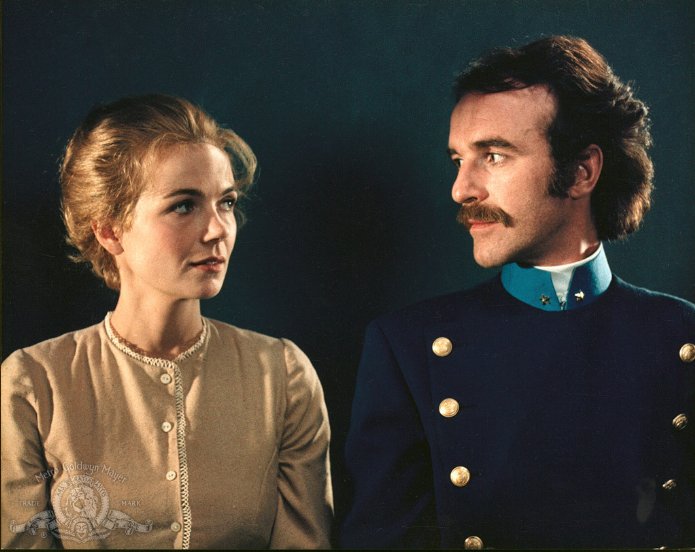 Babette’s Feast shows us another way. It tells the story of two pious sisters, Martine (Birgitte Federspiel) and Filippa (Bodil Kjer) (named for Martin Luther and Philip Melancthon), the daughters of a pastor of a small Christian sect. The young women are extremely beautiful and each draw the eye of suitors, but the father seems to have a focus on the rise upward into the world of the spirit. (The religious sect’s favorite hymn seems to be one about heaven, “Jerusalem, My Heart’s True Home.”) Earthly pleasure has no merit and will probably, in fact, bring distraction or evil. Consequently, the suitors are discouraged away. Food is simple and tasteless. Clothing is simple. The home is simple, in a small, remote village. Life is about worship and service.
Nevertheless, the sect is not caricatured; despite their flaws, we see their constant acts of mercy and service (in this way, they are quite different from the Carthusians who seem to be focused inward rather than outward). There is a deep kindness to the sisters and a quiet strength. All is well and at peace.
Then, one night in a thunderstorm, the French-born Babette (Stéphane Audran), stumbles to their door, having run away from violence in her native land. She is exhausted and afraid and promises to work for the sisters for free, as a maid and cook. The sisters are hesitant to have such a luxury as a servant, but they can see that Babette needs help, so they agree to take her on. Fourteen years go by, Babette serving faithfully all that time, until one day she receives word that she has won a large sum of money in the French lottery. The sisters are sure that Babette will leave them now, no longer needing their hospitality. As the 100th birthday of their beloved father (now deceased) approaches, they plan to celebrate in humble form. But Babette has another plan. Having been hiding her light under a bushel until now, she asks the sisters if she might prepare a classical French feast for the celebration. The sisters, again, are very hesitant to accept this extravagance, but since Babette has never asked for anything and since they assume she will soon be gone, they assent.
At the same time, the religious sect, once strong and full of brotherly love, has been bothered of late by petty disagreements, the burden of old sins of the past, and general harsh attitudes. Bitterness, guilt, and unforgiveness are running rampant. The sisters are dismayed and long to reunite the community once again in the spirit of their father, who taught them so well.
Previous Post

March 18, 2016
Ozu's Tokyo Story and the Struggle to Honor Our Parents
Next Post

April 21, 2016 Revised Blogging Schedule for Film Series
Browse Our Archives
Select a Category Books Charis Christian Witness Church Year Conversation Creativity Cultural Engagement Curiosity Current Events Film Jesus Lectionary Message Literature Lutheran Theology Politics Story Television Theology Uncategorized
Select a Month December 2017 November 2017 October 2017 September 2017 August 2017 July 2017 June 2017 May 2017 April 2017 March 2017 February 2017 December 2016 October 2016 August 2016 July 2016 June 2016 May 2016 April 2016 March 2016 February 2016 January 2016 December 2015 November 2015 October 2015 September 2015 August 2015 July 2015 June 2015 May 2015 April 2015 March 2015 February 2015 January 2015 December 2014 November 2014 October 2014
Follow Us!
TAKE THE
Religious Wisdom Quiz
Which Christian group worships mainly on Saturday, not Sunday?
Select your answer to see how you score.
Catholic Seventh-day Adventist Methodist Orthodox
Related posts from Rebecca Florence Miller

A New Normal: Grief and Facing the Brokenness...

An Interview with the Christian and Atheist Friends...

#Loser: How the Call of Christ Is Antithetical...

Conflict and Challenge, instead of Cheap Grace
TRENDING AT PATHEOS Evangelical

The REST of Your Life: A Creative Wrestles...
This week I had a conversation with a good friend from church....

How the author of the world's best hymn...
I've been working with John Newton for a while now. This makes...

Long before this Lectio Divina, Psalm 130 - the song - started...

What About the Trees? Another Living Parable
After I finished writing the last article about falling leaves as a...

Why Classical Education Is a Conversation, Not a...
Come and Read: Joy in Classical Education When I was a little...

Cornell University has received a great deal of negative publicity and intense...
view all Evangelical blogs
Ad-Free & Subscriber Log-In Subscription Support
- About Us
- 2026 Calendar
- Videos
- Podcasts
- Library of World Religions
- Faith In Media Tracker
- Advertise With Us
- Write for Us
- Privacy Policy
- Terms of Service
- Do Not Sell My Data
- Contact Us
- Radiant Digital
- Manage Newsletter Subscriptions
- Unsubscribe From Notifications
- Sitemap
Copyright 2008-2026, Patheos. All rights reserved.
Subscription Support Ad-Free & Subscriber Log-In
Follow Patheos