
BuddhistCatholicContemplativeEvangelicalGeneral ChristianHinduJewishLatter-day SaintMuslimNew VisionsProgressive Christian
Beliefs
- Buddhist
- Catholic
- Contemplative
- Evangelical
- General Christian
- Hindu
- Jewish
- Latter-day Saint
- More Voices
- Muslim
- New Visions
- Pagan
- Progressive Christian
Topics
- Religion News
- Food and Religion
- Sports and Religion
- Religious Art
- Religious Music and Entertainment
- Religious Events
- History and Religion
- Style and Religion
- Politics and Religion
- Women in Religion
- Recreation Outdoors and Religion
- Business Finance and Religion
- Careers Workplace and Religion
- Education and Religion
- Family Parenting and Religion
- Health Fitness and Religion
- Home and Religion
- Relationships and Religion
- Technology and Religion
- Travel and Religion
Columnists
- Buddhist Columnists
- Business Finance and Religion Columnists
- Careers Workplace and Religion Columnists
- Catholic Columnists
- Contemplative Columnists
- Education and Religion Columnists
- Evangelists Columnists
- Family Parenting and Religion Columnists
- General Christian Columnists
- Health Fitness and Religion Columnists
- Hindu Columnists
- History and Religion Columnists
- Home and Religion Columnists
- Jewish Columnists
- More Voices Columnists
- Latter Day Columnists
- Muslim Columnists
- New Visions Columnists
- Nonreligious Columnists
- Pagan Columnists
- Politics and Religion Columnists
- Progressive Columnists
- Recreation Outdoors and Religion Columnists
- Relationships and Religion Columnists
- Religion News Columnists
- Religious Art Columnists
- Religious Events Columnists
- Religious Music and Entertainment Columnists
- Sports and Religion Columnists
- Style and Religion Columnists
- Technology and Religion Columnists
- Travel and Religion Columnists
- Women in Religion Columnists
Resource Library
- 2026 Calendar
- Library of World Religions
- The 100 Most Holy Places on Earth
- Patheos Answers
- Podcasts
- Videos
- Faith Leaders Database
- Anglican Episcopalian
- Bahai
- Baptist
- Buddhism
- Christianity
- Confucianism
- Eastern Orthodoxy
- Hinduism
- Holiness and Pentecostal
- ISKCON
- Islam
- Judaism
- Lutheran
- Methodist
- The Church of Jesus Christ of Latter-day Saints
- New Age
- Paganism
- Presbytarian and Reformed
- Protestantism
- Religion Behind the Scenes
- Roman Catholic
- Scientology
- Shia Islam
- Sikhism
- Sufism
- Sunni Islam
- Taoism
- Zen
- See all religions
Research Tools
 Ad-Free & Subscriber Log-In Subscription Support
Follow Patheos 

- Trending:
- Advent
- |
- Forgiveness
- |
- Thanksgiving
- |
- Election
- |
- Seasonal Holidays
- |
- Marriage

- Home
- Progressive Christian
- Relationships and Religion
- Bridging the Gap Between God and Man
Bridging the Gap Between God and Man
Last updated on: November 25, 2026 at 9:13 am by Benjamin Raven Pressley
Bridging the Gap Between God and Man 2026-11-25T09:13:51-05:00 Benjamin Raven Pressley
Patheos Explore the world's faith through different perspectives on religion and spirituality! Patheos has the views of the prevalent religions and spiritualities of the world.
From Far Off to the Ultimate Embrace
“God is a Spirit: and they that worship him must worship him in spirit and in truth.” (John 4:24)
“But now in Christ Jesus you who once were far off have been brought near by the blood of Christ.” (Ephesians 2:13)
The Self-Sufficiency of God
God is complete in and of himself. “For who hath known the mind of the Lord? Or who hath been his counsellor? Or who hath first given to him, and it shall be recompensed unto him again? For of him, and through him, and to him, are all things: to whom be glory forever. Amen.” (Romans 11:34-36) Paul quotes the Old Testament to ask who has ever given a gift to God that would require God to pay them back. He concludes that all things exist from Him (as their source), through Him (as their sustainer), and to Him (as their ultimate purpose).
Listen to this article:
https://wp-media.patheos.com/blogs/sites/2216/2026/11/Worship-Connection.mp3
Exodus 3:14: When Moses asks for God’s name at the burning bush, God identifies Himself as “I AM THAT I AM” (connected to the Hebrew tetragrammaton YHWH). This declaration signifies pure, uncreated existence—God is not defined by anything external, nor does He derive His being from anything else.
“Who hath directed the Spirit of the Lord, or being his counsellor hath taught him? With whom took he counsel, and who instructed him, and taught him in the path of judgment, and taught him knowledge, and showed to him the way of understanding?” (Isaiah 40:13–14). The prophet asks who has ever directed the Spirit of the Lord, acted as His counselor, or taught Him knowledge. God lacks no wisdom, insight, or strength that creation could possibly supply.
Creation Out of Overflow
Yet God, so complete in and of himself, needing nothing, creates other living beings. First, he creates angels, Elohim, cherubim and seraphim and creates a habitation for them in which he dwells, though he needs no place to dwell, for he fills the heavens (Jeremiah 23:24). Then he creates plants, animals and human beings. His omnipresence creates all things from nothing*, Ex Nihilo*, literally nothing. Humans can create a building and place a building where there was no building before, but we need raw materials. God needed nothing and from it created something. Nobody but God could do that.
First, God creates angels who fail him. Then he creates humans who fail him. So why bother? Because he cannot help but create. He has need of nothing, so he isn’t creating because he is lacking or lonely. He is acting out of an overflow of what he already possesses. Just as the sun does not shine because it needs something from the earth, but simply because shining is its nature, God created the world out of the sheer abundance of His love and goodness—to share existence and joy with creatures who did not previously exist.
Why God Commands Worship
He then allows that creation to connect to him by worshiping him. Not because he needs his ego stroked, not because he is insecure or narcissistic, but because God is the source of all reality and joy and to worship him connects us to his ultimate reality and joy. Reality and joy far beyond anything we could manufacture ourselves by our finite minds. If God is infinitely glorious, loving, and good, then the most loving thing He can offer His creatures is Himself. Directing humanity to worship anything lesser (wealth, status, temporary pleasures and other people) would be directing them to inferior substitutes that cannot sustain them. Yet, do people not do just that, worship lesser things than God?

Our joy is complete when we connect and admire a work of art.
C.S. Lewis, in Reflections on the Psalms, noted that human beings naturally praise what they enjoy—whether a great painting, a mountain view, or a lover—because praise completes the enjoyment. God commands worship not because He is insecure and needs flattery, but because beholding and delighting in ultimate beauty is the exact mechanism through which finite creatures experience their highest joy. Think about that! Let your mind soar with that. It will remove any doubt about why we should praise God. By allowing worship of him, he is allowing our joy to be complete as we praise and connect to him, who is the ultimate source of joy and enjoyment.
Grace Over Transactions
Humans generally think they must perform rituals or obedience and con God or make deals with God to get what they want. If that were the case, that would make him into some needy deity creating a transactional universe because he lacks something, i.e., to supply him with what he lacks (food, power, ego-strokes), and then he pays them back. No, no, no, God needs nothing (Acts 17:25; Psalm 50:12), and no amount of human worship and obedience can put God in debt to us. Yet so many people approach God reminding him of how much they prayed this week and how often they attended church, thinking they can guilt trip God into giving them what they want. Everything God gives—existence, breath, redemption—is pure grace, an unmerited gift.
A classic example is the story in the Bible, part of Jesus’s Sermon on the Mount, in Matthew 7:21–23. Jesus teaches that calling Him “Lord” or doing outward works in His name—such as prophesying, casting out demons, or performing miracles—is not enough for entering the kingdom of heaven. Instead, entry requires doing the will of the Father. To those who claim those works while living in lawlessness, Jesus says, “I never knew you; depart from me, you workers of lawlessness.” That is why salvation is not about how much we do, but by his grace and mercy we are saved (Titus 3:5).
A self-sufficient God is the only kind of God capable of genuine, selfless generosity, because He has nothing to gain from His creatures.
Understanding God’s Glory
Scripture frequently states that God created all things for His own glory (Isaiah 43:7; Romans 11:36). That sounds egotistical, especially to the Western mind. Some will even rebelliously say, ‘Hmmf, I bow to no one.’ To do so only proves a lack of understanding of God’s glory. It isn’t because he is needy. God’s “glory” is not the accumulation of applause to boost His self-esteem; it is the outward shining of His internal perfection. Jonathan Edwards argued in The End for Which God Created the World that God’s internal fullness naturally inclines Him to express His wisdom, power, and love externally. Thus, God’s pursuit of His own glory and His pursuit of His creatures’ ultimate happiness are not competing goals—they are the exact same act. God is most glorified in humanity when humanity is most satisfied in Him. When people make it all about them, they miss out on the very thing that can satiate their deepest longings. There is just something about truly connecting to he who needs nothing that carries over into us when we do so and suddenly we find satisfaction on a level that is not based on what we have or do not have.
The Fall and the Mirror of the Law
In his original creation of Adam and Eve (Genesis 1–3), he created things the way they were meant to be. He gave human beings a perfect world with no sickness, long life, no hunger and best of all one on one relation and interaction with him. God literally appeared in a form they could talk face to face to. He gave them human companionship also, one male and one female whose bodies perfectly matched one another’s needs not only for procreation but also for pleasure. He taught them every day how to live and steered them away from that which he knew would harm them physically, mentally, socially and spiritually. He taught them to find their ultimate satisfaction in him. Yet in a land of plenty, they could not resist that temptation for that one thing that God forbade them from. It wasn’t just fruit from a tree that they were tempted to eat; it was ultimately about wanting to be as gods, wanting to make their own decisions about what was good and what was evil.
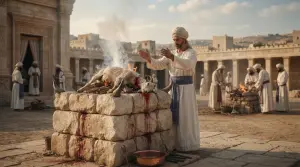
There is no remission of sin unless blood is shed. This was only a foreshadow of the sacrifice Christ would make of his own life,
Then, to make up for the lack humans created, somewhere along the way, God instituted the sacrifice of animals, not because the sacrifice of an innocent animal’s life would make up for the gap between them. No, it was a foreshadowing that there was no remission of sin without the shedding of blood (Hebrews 9:22). It was a living lesson of the cost of sin, “The wages of sin is death.” (Romans 6:23). Did God need sacrifices? Did he all of a sudden become a God that was lacking anything? No. Psalm 50:9–12: God reminds Israel that He has no need for their bulls or goats, declaring that every beast of the forest and cattle on a thousand hills already belongs to Him—and if He were hungry, He would not tell them, for the world and its fullness are His. No, the lack was in humanity itself, which could not help but sense there was something different, something lacking in themselves and that emptiness cried out from deep within. Then God gave them the Law to teach them how futile it was to offer anything to a God who needed nothing. So he gave them a mirror to look into and see their lack (Romans 7:7) and futility that it was even possible to for humans to satisfy that which humans were not capable of satisfying. This only created a larger gap between God; this applied to the called-out people who were given the Law and the people to whom the law was not given.
Brought Near by the Blood of Christ
So it was that humankind, who were meant to walk in fellowship and closeness to the Creator like no other creature, were now afar off, separated from God. Was there hope? Yes, God had a plan. “But with the precious blood of Christ, as of a lamb without blemish and without spot: Who verily was foreordained before the foundation of the world, but was manifest in these last times for you.” (1 Peter 1:19-20)
“But now in Christ Jesus ye who sometimes were far off are made nigh by the blood of Christ.” (Ephesians 2:13)

In Koine Greek, Ephesians 2:13 reads: νυνὶ δὲ ἐν Χριστῷ Ἰησοῦ ὑμεῖς οἵ ποτε ὄντες μακρὰν ἐγενήθητε ἐγγὺς ἐν τῷ αἵματι τοῦ Χριστοῦ. (Nyni de en Christō Iēsou hymeis hoi pote ontes makran egenēthēte engys en tō haimati tou Christou.)
How far off from God had man become before Christ connected us back to him?
The Greek Terms: Makran and Engys— μακράν (makran): mean “far away,” or “remote.” That implies very far away, separation. Notice the Greek syntax: hoi pote ontes makran (“the ones once being far off”). The present participle ontes (“being”) paired with pote (“formerly/once”) indicates a continuous, settled state of estrangement. In first-century Jewish thought, “those far off” was a term the Jews knew well for they used it as an idiom for Gentiles and Samaritans—people living outside the covenants and Temple worship. They were considered, in their minds, geographically and spiritually distant from Israel’s God. Gentiles were considered unclean and despised by God. Though it expresses extreme estrangement, God loved the Gentiles as much as he loved his called-out people and sent his son to die for everyone’s sins.
The Verb Bridging Them: Egenēthēte The movement from makran to engys hinges on the verb ἐγενήθητε (egenēthēte), translated as “have been brought” or “came to be.” This tense marks a decisive, completed historical event (the cross), while the passive voice indicates that the Gentiles did not close this distance through moral effort or proselytization; they were acted upon and brought near by God.
God’s Purposeful Design
When I was studying this, the image of a ‘Grand Experiment’ came to mind. I know when you think of an experiment, you think of it as a scientist who has a theory and he wants to test it, something he isn’t sure of but wants to find a solution for. Now I am not in any way implying that God wasn’t sure of something and was experimenting on humans. God knows all things. He knew the angels would fall. He knew man would fall. He knew man couldn’t live up to the law. He knew before he even created the world that it would take the sacrifice of his Son Jesus Christ. So experiment is a very imperfect example.
But think about it this way: It was a process that God, in his great wisdom, took human beings through so that they would come to the undeniable conclusion that they could not do it on their own and admit that they needed a savior to restore us back to him. Only he could close the gap between us and make it possible to be able to once again “Enter into his gates with thanksgiving, and into his courts with praise: be thankful unto him, and bless his name.” Psalm 100:4. Oh, how he desires our praise! He knows what deep satisfaction you will feel and how it will fulfill the deepest longings of your soul as you connect to him. No other thing connects you so fully body, soul and spirit all at once as praising him. It is like plugging an appliance into an electrical socket when we praise him. As we praise him, we connect to the true source of power and realize our full functionality.
I hope you are beginning to see, by reading this, the benefits of praising him and that it isn’t about some insecure God that needs his ego stroked. I wrote another article that would go along well with this article called What Is Worship? that goes into even more detail about the hidden dimensions and benefits of worship.
Worship as a Sacred Place
The best definition I have ever heard of worship is from William Temple, better known as the Archbishop of Canterbury. He defined worship as follows: “For worship is the submission of all our nature to God. It is the quickening of conscience by His holiness; the nourishment of mind with His truth; the purifying of imagination by His beauty; the opening of the heart to His love; the surrender of the will to His purpose — and all of this gathered up in adoration, the most selfless emotion of which our nature is capable and therefore the chief remedy for that self-centeredness which is our original sin and the source of all actual sin.”
Worship to me is a place. It is a state of being that, when you experience it, doesn’t matter what is around you; it doesn’t matter what your circumstances are… You just become lost in another time and another place and it is as if you become one with God and He with you. It is the ultimate embrace. Sometimes it expresses itself in words, sometimes in tears, sometimes in words that only your heart and He understand. It is entering into His presence in a way that is so real. Then the things that Temple spoke of begin to happen in a rich and powerful way as our very nature no longer resists Him, our very conscience comes to life in the presence of pure holiness, our mind is flooded with His presence in such a way that it is nourished and revitalized, our imagination is turned toward Him and purified, our heart opens up to love beyond anything we ever thought possible, we surrender to Him and His purpose and every part of our being becomes consumed in adoration of Him.
In Summary
Ultimately, worship is not an obligation we perform for a needy God, nor is it a currency we use to buy His favor. It is the doorway back into the very fellowship we were created for from the beginning. Though our sin once left us far off, the blood of Christ has bridged the distance and invited us home. When we finally stop striving to impress Him and simply step into that sacred space of adoration, we discover what our souls were aching for all along—the overwhelming joy of being completely known, completely loved, and completely satisfied in the presence of the One who needs nothing, yet gave everything to draw us near.
From the overflow of His self-sufficient love, God created us, pursued us when we wandered afar off, and bridged the impossible gap through the blood of His Son. He does not ask for our worship because He is lacking, but because He knows that we are—and that true wholeness can only be found in Him. When we lay down our transactional religion and enter into genuine adoration, our minds are renewed, our hearts are awakened, and we finally experience the highest joy a human soul can know: being fully alive in the embrace of our Creator.
God needs nothing from us, yet He gave everything so that we might be brought near to Him. Worship is where that journey finds its home. It is the sacred meeting place where our deepest emptiness collides with His infinite fullness—and in that ultimate embrace, we finally find the joy, peace, and purpose we were created for.
OTHER RELATED ARTICLES BY RAVEN:
–Does God Even Need Us? Our Role in God’s Grand Design
–The Truth About Angels
—What Is Worship?
Thanks for reading this week’s article. I hope you liked it well enough to share with your friends and social media. God bless you richly as you worship him with a new found purpose.

I love the Bible and study it deeply. I invite you to also study it. One way you can do that is by ordering the many books I have written.

If you wish to support this ministry. Just click here to donate. Thanks.

FREE BIBLE STUDY COURSE!
brought near by the blood of Christ
About Benjamin Raven Pressley
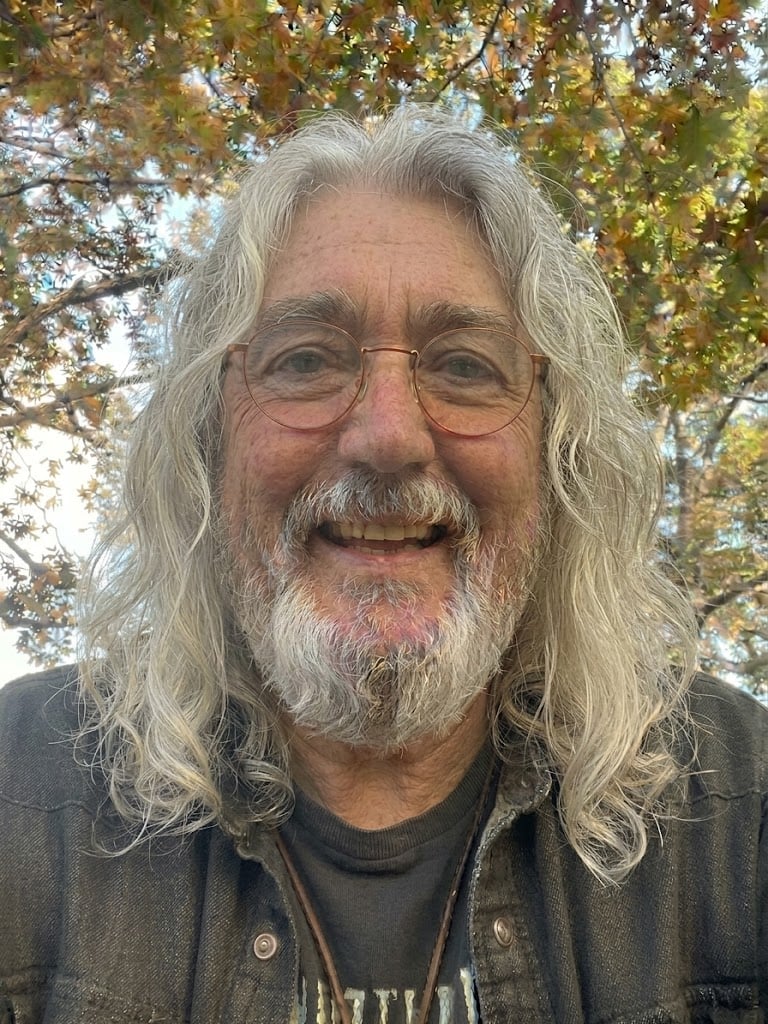
Benjamin Raven Pressley is an author, teacher and spiritual guide. He has been a follower of the teachings of Jesus Christ and the apostles since 1975. Though he has studied many books of other religions, he believes the Holy Bible is THE Word of God. . He is ordained by the Universal Life Church. He has authored several books on the Bible, spirituality, as well as a fantasy series You can read more about the author here.
Previous Post

November 18, 2026
Uncaging Truth: Spirituality Beyond Institutions
Browse Our Archives
Select a Category balance body soul spirit born again occult organized religion reconnecting our spirit self-improvement Uncategorized walking spiritually
Select a Month November 2026 October 2026 September 2026 August 2026 July 2026 June 2026 May 2026 April 2026 March 2026 February 2026 January 2026 December 2025 November 2025 October 2025 September 2025 August 2025 July 2025 June 2025 May 2025 April 2025 March 2025 February 2025 January 2025 December 2024 November 2024 October 2024 September 2024 August 2024 July 2024 June 2024 May 2024 April 2024 March 2024
TAKE THE
Religious Wisdom Quiz
What does the name "Daniel" mean?
Select your answer to see how you score.
The Lord is my shepherd God is my strength God is my judge Chosen one
Books by This Author Books by Raven's Writing Desk
Related posts from Raven's Writing Desk

Uncaging Truth: Spirituality Beyond Institutions
Created for an Eternal World: How Will You...

The Anchor of Absolute Truth in a Relative...
Understanding the Oneness of God and Function of...
TRENDING AT PATHEOS Progressive Christian

Let Matthew 25 Guide You to a Greater...
With the crisp feel of fall in the air, our minds quickly...

Can a Chatbot Touch Your Soul?
Can a chatbot offer genuine spiritual counsel? One conversation brought me to...

Religion and Politics: How Should We Then Live?
Two cultural axioms get repeated in polite company. Don't mix religion and...

7 Things We Get Wrong About Giving Thanks
It's a time of year when many of us turn to the...
Uncaging Truth: Spirituality Beyond Institutions
The Lost Connection: Why True Spirituality, Not Religion, Is the Key to...

Christ the King? Maybe We've Misunderstood the Crown
What do we mean when we say that Jesus is King? What...
view all Progressive Christian blogs
Ad-Free & Subscriber Log-In Subscription Support
- About Us
- 2026 Calendar
- Videos
- Podcasts
- Library of World Religions
- Faith In Media Tracker
- Advertise With Us
- Write for Us
- Privacy Policy
- Terms of Service
- Do Not Sell My Data
- Contact Us
- Radiant Digital
- Manage Newsletter Subscriptions
- Unsubscribe From Notifications
- Sitemap
Copyright 2008-2026, Patheos, part of the Radiant Digital network of media brands. All rights reserved.
Subscription Support Ad-Free & Subscriber Log-In
Follow Patheos