
BuddhistCatholicContemplativeEvangelicalGeneral ChristianHinduJewishLatter-day SaintMuslimNew VisionsProgressive Christian
Beliefs
- Buddhist
- Catholic
- Contemplative
- Evangelical
- General Christian
- Hindu
- Jewish
- Latter-day Saint
- More Voices
- Muslim
- New Visions
- Pagan
- Progressive Christian
Topics
- Religion News
- Food and Religion
- Sports and Religion
- Religious Art
- Religious Music and Entertainment
- Religious Events
- History and Religion
- Style and Religion
- Politics and Religion
- Women in Religion
- Recreation Outdoors and Religion
- Business Finance and Religion
- Careers Workplace and Religion
- Education and Religion
- Family Parenting and Religion
- Health Fitness and Religion
- Home and Religion
- Relationships and Religion
- Technology and Religion
- Travel and Religion
Columnists
- Buddhist Columnists
- Business Finance and Religion Columnists
- Careers Workplace and Religion Columnists
- Catholic Columnists
- Contemplative Columnists
- Education and Religion Columnists
- Evangelists Columnists
- Family Parenting and Religion Columnists
- General Christian Columnists
- Health Fitness and Religion Columnists
- Hindu Columnists
- History and Religion Columnists
- Home and Religion Columnists
- Jewish Columnists
- More Voices Columnists
- Latter Day Columnists
- Muslim Columnists
- New Visions Columnists
- Nonreligious Columnists
- Pagan Columnists
- Politics and Religion Columnists
- Progressive Columnists
- Recreation Outdoors and Religion Columnists
- Relationships and Religion Columnists
- Religion News Columnists
- Religious Art Columnists
- Religious Events Columnists
- Religious Music and Entertainment Columnists
- Sports and Religion Columnists
- Style and Religion Columnists
- Technology and Religion Columnists
- Travel and Religion Columnists
- Women in Religion Columnists
Resource Library
- 2026 Calendar
- Library of World Religions
- The 100 Most Holy Places on Earth
- Patheos Answers
- Podcasts
- Videos
- Faith Leaders Database
- Anglican Episcopalian
- Bahai
- Baptist
- Buddhism
- Christianity
- Confucianism
- Eastern Orthodoxy
- Hinduism
- Holiness and Pentecostal
- ISKCON
- Islam
- Judaism
- Lutheran
- Methodist
- The Church of Jesus Christ of Latter-day Saints
- New Age
- Paganism
- Presbytarian and Reformed
- Protestantism
- Religion Behind the Scenes
- Roman Catholic
- Scientology
- Shia Islam
- Sikhism
- Sufism
- Sunni Islam
- Taoism
- Zen
- See all religions
Research Tools
 Ad-Free & Subscriber Log-In Subscription Support
Ad-Free & Subscriber Log-In Subscription Support
Follow Patheos 

- Trending:
- Forgiveness
- |
- Marriage
- |
- Consciousness
- |
- Death Penalty
- |
- Election
- |
- Halloween

- Home
- Progressive Christian
- Relationships and Religion
- The Fast God Chooses: Lessons from Isaiah 58
The Fast God Chooses: Lessons from Isaiah 58
Last updated on: April 30, 2026 at 11:40 am by Benjamin Raven Pressley
The Fast God Chooses: Lessons from Isaiah 58 2026-04-30T11:40:26-04:00 Benjamin Raven Pressley
Patheos Explore the world's faith through different perspectives on religion and spirituality! Patheos has the views of the prevalent religions and spiritualities of the world.
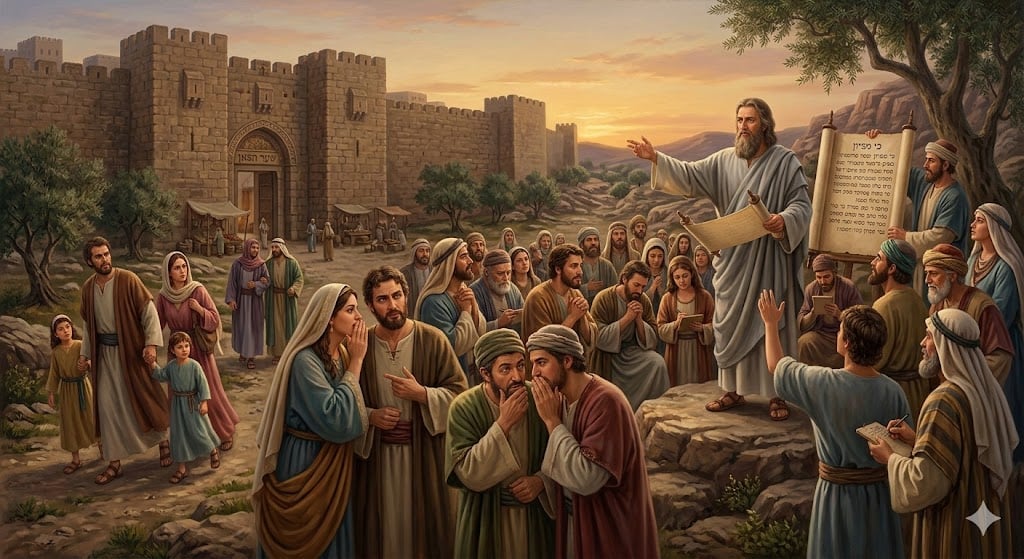
AI image created by the author.
In the modern-day world of instant gratification and abundance, food is not only eaten for sustenance but for pleasure. Yes, there is hunger in third-world countries, but in modern industrialized nations, there is an abundance of pleasure seeking and often overeating to the point that obesity is running rampant. Fad diets and fat shots abound, but when it comes right down to it, if one wants to lose weight and get their bodies in shape, it still comes down to eating right and exercise.
Rediscovering fasting
Even in modern times, though, some are rediscovering fasting. Things like fasting may seem like a thing of the past and irrelevant to modern times. But for thousands of years, the act of intentionally abstaining from food has sat at the intersection of survival, science, and the sacred. Once dismissed as a relic of ancient tradition, fasting has undergone a modern renaissance. Some even hail it as one of the most potent biological “reboots” available to the human body. Physiological benefits—from cellular repair to sharpened cognition—are scientifically proven, and cannot be denied.
There are many ways to fast
Fasting generally is doing without food for a chosen period of time, but many have also found benefits of fasting from things like social media, gaming, and technology. We live in a noisy world that is screaming at us constantly for attention and trying to sell us their products and viewpoints. We have gone from writing letters to radio to three channels on TV to devices such as cell phones and smart watches and the internet. It seems almost impossible to escape the assault on our minds, shaping our culture and philosophies. Anxiety, depression and panic attacks have become a plague of epic proportions. Anxiety and depression meds have become a trillion-dollar industry. Therapists can’t even keep up with the demand. So it is definitely worth consideration to unplug now and then. One study has confirmed that a week camping with no technology can absolutely reset our circadian rhythms and cure insomnia.
However, another aspect that cannot be denied is a more transformative purpose: a mental and spiritual discipline that clears the noise of the physical world to reveal something far more profound. To understand the true power of the fast, we must look past what we are losing on the plate and focus on what we are gaining in the spirit.
Beyond the biology, fasting has been a cornerstone of human culture for millennia. Religions (including Islam, Christianity, Judaism, Buddhism, and Hinduism) use fasting as a tool for prayer, reflection, and deepening a connection to the divine. There is also an undeniable benefit of psychological resilience. Fasting teaches “impulse control.” It helps individuals separate and tame the physical sensation of hunger from the emotional urge to eat, building mental toughness.
Bible examples of fasting
Throughout the Holy Bible, we see examples of fasting that not only benefited the individuals fasting but, coupled with prayer, even changed the course of nations.
- Esther transformed her nation’s fate by undertaking a three-day, three-night fast (Esther 4:16).
- Daniel fasted and prayed for 21 days. Daniel’s 21-day fast is found in Daniel 10:2-3, where he mourns and fasts for “three full weeks,” eating no rich food, meat, or wine. This partial fast was a period of prayer and spiritual reflection. The context involves a spiritual battle, as an angel was delayed for 21 days by the “prince of Persia” before reaching Daniel.
- Moses (Exodus 34:28) fasted 40 days on Mount Sinai while receiving the Ten Commandments.
- Nineveh (Jonah 3:5-9), the entire city fasted, including livestock, in an act of repentance to avert destruction.
- Even Jesus himself fasted 40 days and nights before embarking on his earthly ministry (Matthew 4:1-11 and Luke 4:1-13).
Isaiah 58 puts fasting in true context
I like how the Christian faith puts fasting in a context, though. In the Christian faith and the Holy Bible, fasting is not viewed as a way to change God’s mind, but as a way to align the believer’s heart with His—essentially “quieting” the body to make the spirit more audible. In this context, Isaiah 58 is a powerhouse of a text because it shifts the focus from the mechanics of fasting (going without food) to the motive and manifestation of fasting (justice, humility, and service). Rather than me printing this entire chapter in this article, would you take time to read that chapter now before we continue? To read, just click here.
Thanks for taking time to read that chapter. Now I will continue as we examine what this chapter has to teach. Most people go into a fast asking, “What will I get out of this?” and indeed Isaiah 58 promises benefits from fasting properly and with the right motive and attitude, such as:
- Speedy Healing: “Then your light will break forth like the dawn, and your healing will quickly appear” (v. 8).
- Answered Prayer: “Then you will call, and the Lord will answer; you will cry for help, and he will say: Here am I” (v. 9).
- Guidance and Strength: God promises to guide you always and “satisfy your needs in a sun-scorched land” (v. 11).
- Restoration: You become a “Repairer of Broken Walls” (v. 12)—meaning your fast doesn’t just fix you; it helps fix your community and your lineage.
But the more important emphasis in this chapter is that it’s a jarring, confrontational passage where God addresses people who are frustrated that their religious rituals aren’t “working.” These people are complaining because they are going through the motions and not getting what they want. “Why have we fasted, and you have not seen it?” (v. 3). They were doing the physical work—abstaining from food and wearing sackcloth—but their hearts remained unchanged. Isaiah corrects them and challenges them to look more at their motives and instructs them on what they should really be focusing on when they fast. He then gives them a scathing examination of why they are fasting vs. how you should really fast. On their “fast days,” they were still pursuing their own pleasures and, worse, exploiting their workers (v. 3). The lesson here is that fasting is not a “transaction.” You cannot starve your body to manipulate God while simultaneously mistreating people. If the fast doesn’t change you and how you treat your neighbor, it hasn’t reached your heart and you are missing the point.
In verse 6, the tone shifts beautifully. God defines the “fast that I have chosen.” Notice that the focus moves from abstaining from food to releasing the oppressed. He tells us fasting should:
- Loose the chains of injustice: True fasting should break the power of greed and selfishness in our lives.
- Share your food with the hungry: Instead of just not eating, you are redirected to give that food (or the money saved) to those who have none.
- Provide shelter and clothing**:** It’s an active, outward-facing discipline.
Biblical fasting isn’t just about emptying yourself; it’s about being emptied of self
What should we learn from this? Biblical fasting isn’t just about emptying yourself; it’s about being emptied of self so you can be filled with His compassion for others and trusting God that if we do so he will also meet our needs. If we are honest, as long as it is ‘all about us’, then that is all we will focus on. When we get lost in our problems and focus only on our problems, that is all we will see. We can get lost in our own ‘pity party’. This is why we should learn to pray in the Spirit, for the Holy Spirit knows more about what we really need than what we think we really need. God wants to make us bulletproof and we are seeking comfort. He wants us to have joy and faith even when things don’t look good. God wants our desires to align with his desires. He wants to give us the right desires to have and he knows that once our desires are aligned with his desires, we will think less about ourselves and find a satisfaction deeper than anything we could imagine. “Delight yourself in the Lord, and he will give you the desires of your heart” (Psalm 37:4). He promises in Matthew 6:33 that if we seek the kingdom of God and put his will first in our lives, he will take care of all the other things.
Fasting is less about what we want and more about what God wants. It is saying I want your will in my life more than I want the food I eat. It is saying I am hungrier for you than the very food I eat. “Blessed are those who hunger and thirst for righteousness, for they shall be filled” (Matthew 5:6). The fourth beatitude describes an intense, desperate longing for God’s justice, holiness, and will. It signifies a deep spiritual craving for conformity to God’s ways and the establishment of His kingdom, promising that those who passionately seek this will be fully satisfied. Just as a starving or thirsty person urgently needs food and water, this is an active, deep passion for spiritual growth and moral goodness, beyond a casual interest. It involves a desire to live a holy, obedient life that honors God and a desire for righteousness to prevail in the world. Jesus promises that those who seek this righteousness will be “satisfied”. Fasting brings spiritual nourishment and creates a continuous, deep longing for God. Fasting refocuses us on God’s agenda rather than selfish desires for personal success. And when we get our priorities aligned with his, a peace and satisfaction comes to us that is beyond anything we can name or ask for. That doesn’t mean he neglects our needs or requests to him, it just means that he satisfies us on a level that is deeper than what we thought our needs were. Matthew 6:8 says “your Father knoweth what things ye have need of, before ye ask him.” Like Zach Williams song Chainbreaker says:
“If you’ve been walking the same old road for miles and miles,
If you’ve been hearing the same old voice tell the same old lies,
If you’re trying to fill the same old holes inside,
There’s a better life, there’s a better life.
If you’ve got pain, He’s a pain taker,
If you feel lost, He’s a way maker,
If you need freedom or saving,
He’s a prison-shaking Savior,
If you got chains, He’s a chain breaker.”
Take your needs to the Lord in fasting and prayer. Experience the depths of praying in the Spirit. Remember what Isaiah 58:9 promises: “Then you will call, and the Lord will answer.” Let him break the chains off of your life that maybe even you can’t see. Let him set you free as only he can. You can trust God. He wants what is best for you. He loves you and wants you to succeed. He is not just some angry old man on a throne waiting to cast down a lightning bolt on you when you screw up. Fasting crucifies the flesh (Galatians 5:24 and Romans 8:13) in a way nothing else can. It takes the scales off of blinded spiritual eyes and unclogs spiritual ears and helps you see and hear more clearly and will ultimately leave you with more joy and contentment than anything you could do in your own power.
Some Important Practical Tips For Fasting
- Make sure you are healthy enough to fast. You may want to consult your doctor before fasting.
- Always drink plenty of water when fasting.
- You don’t have to fast long periods of time. Some people do a ‘daily fast’ and only fast one meal a day. God will honor your fast, whatever length of time you choose.
Maybe this will get you in the right place mentally and spiritually with this meditation I recorded.
https://www.walkingspiritually.com/wp-content/uploads/2018/01/Gods-Love.mp3
Thanks for taking the time to read this week’s blog! Be sure to share it with your friends on social media.

Thanks for any support you can give!

For more about prayer order Raven’s book on prayer.
General Christian
Food and Religion
benefits of prayer and fasting
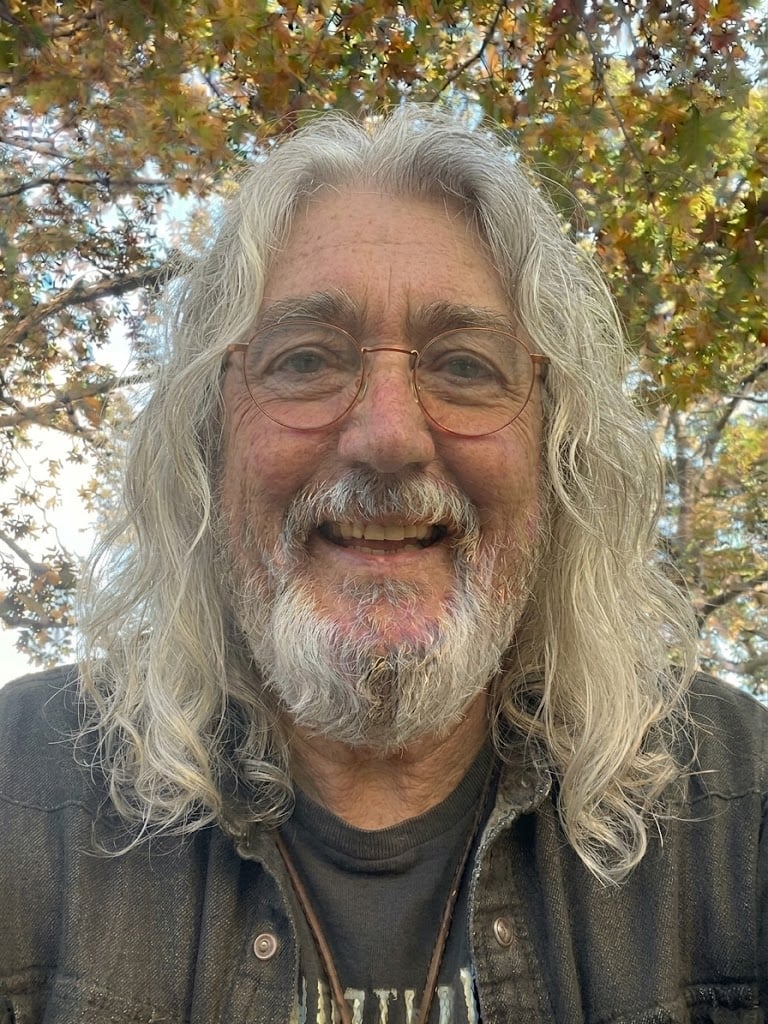
About Benjamin Raven Pressley
Benjamin Raven Pressley is an author, teacher and spiritual guide. He is of Cherokee heritage. He has been a follower of the teachings of Jesus Christ and the apostles since 1975. His independent studies include the Holy Bible as well as other holy books of other religions. He is ordained by the Universal Life Church. He is a self-taught naturalist and his love and respect for nature is evident in many of the things he writes. He has authored several books on spirituality as well as a fantasy series and books on survival skills. He does not consider himself to be a religious person but believes true spirituality is an all-encompassing view of life and invites open discussion on matters of spirituality. You can read more about the author here.
Previous Post

April 22, 2026
Beyond Performance: The Simple Truth of Staying Connected
Next Post

May 11, 2026 What It Means to Be Born Again in Christianity
Browse Our Archives
Select a Category balance body soul spirit born again occult organized religion reconnecting our spirit self-improvement Uncategorized walking spiritually
Select a Month October 2026 September 2026 August 2026 July 2026 June 2026 May 2026 April 2026 March 2026 February 2026 January 2026 December 2025 November 2025 October 2025 September 2025 August 2025 July 2025 June 2025 May 2025 April 2025 March 2025 February 2025 January 2025 December 2024 November 2024 October 2024 September 2024 August 2024 July 2024 June 2024 May 2024 April 2024 March 2024
TAKE THE
Religious Wisdom Quiz
True or False: Paul instructs the Philippians to do everything without grumbling or arguing.
Select your answer to see how you score.
TRUE FALSE
Books by This Author Books by Raven's Writing Desk
Related posts from Raven's Writing Desk

Did Ancient China Once Worship the God of...

Did God Speak To The World Before Jesus...

Doing Enough for God? Why the Small Things...

The Sword of the Spirit Is Not What...
TRENDING AT PATHEOS Progressive Christian

What Being a Modern-Day Apostle Means to Me
In my last column, I discussed the ins and outs of modern-day...

Did Ancient China Once Worship the God of...
Across human history, a common thread weaves through the origins of the...

Love Your Neighbor – Including Earth-Kin: Lev. 19,...
God’s command to love your neighbor means acting in an ethical and...

Lead a Church Study of “Jesus and Lao...
Guest writer Jack Thomas (The Irreverent Reverend) reflects on leading his church...

Pastoral Wisdom for Responding to Sermon Pushback
Getting sermon pushback on your social justice sermon? Learn practical, Proverbs-based strategies...

Principles for Understanding the Apostolic Ministry Today
Whenever people discover that my formal ministry title is "apostle," as in...
view all Progressive Christian blogs
Ad-Free & Subscriber Log-In Subscription Support
- About Us
- 2026 Calendar
- Videos
- Podcasts
- Library of World Religions
- Faith In Media Tracker
- Advertise With Us
- Write for Us
- Privacy Policy
- Terms of Service
- Do Not Sell My Data
- Contact Us
- Radiant Digital
- Manage Newsletter Subscriptions
- Unsubscribe From Notifications
- Sitemap
Copyright 2008-2026, Patheos. All rights reserved.
Subscription Support Ad-Free & Subscriber Log-In
Follow Patheos