
BuddhistCatholicContemplativeEvangelicalGeneral ChristianHinduJewishLatter-day SaintMuslimNew VisionsProgressive Christian
Beliefs
- Buddhist
- Catholic
- Contemplative
- Evangelical
- General Christian
- Hindu
- Jewish
- Latter-day Saint
- More Voices
- Muslim
- New Visions
- Pagan
- Progressive Christian
Topics
- Religion News
- Food and Religion
- Sports and Religion
- Religious Art
- Religious Music and Entertainment
- Religious Events
- History and Religion
- Style and Religion
- Politics and Religion
- Women in Religion
- Recreation Outdoors and Religion
- Business Finance and Religion
- Careers Workplace and Religion
- Education and Religion
- Family Parenting and Religion
- Health Fitness and Religion
- Home and Religion
- Relationships and Religion
- Technology and Religion
- Travel and Religion
Columnists
- Buddhist Columnists
- Business Finance and Religion Columnists
- Careers Workplace and Religion Columnists
- Catholic Columnists
- Contemplative Columnists
- Education and Religion Columnists
- Evangelists Columnists
- Family Parenting and Religion Columnists
- General Christian Columnists
- Health Fitness and Religion Columnists
- Hindu Columnists
- History and Religion Columnists
- Home and Religion Columnists
- Jewish Columnists
- More Voices Columnists
- Latter Day Columnists
- Muslim Columnists
- New Visions Columnists
- Nonreligious Columnists
- Pagan Columnists
- Politics and Religion Columnists
- Progressive Columnists
- Recreation Outdoors and Religion Columnists
- Relationships and Religion Columnists
- Religion News Columnists
- Religious Art Columnists
- Religious Events Columnists
- Religious Music and Entertainment Columnists
- Sports and Religion Columnists
- Style and Religion Columnists
- Technology and Religion Columnists
- Travel and Religion Columnists
- Women in Religion Columnists
Resource Library
- 2026 Calendar
- Library of World Religions
- The 100 Most Holy Places on Earth
- Patheos Answers
- Podcasts
- Videos
- Faith Leaders Database
- Anglican Episcopalian
- Bahai
- Baptist
- Buddhism
- Christianity
- Confucianism
- Eastern Orthodoxy
- Hinduism
- Holiness and Pentecostal
- ISKCON
- Islam
- Judaism
- Lutheran
- Methodist
- The Church of Jesus Christ of Latter-day Saints
- New Age
- Paganism
- Presbytarian and Reformed
- Protestantism
- Religion Behind the Scenes
- Roman Catholic
- Scientology
- Shia Islam
- Sikhism
- Sufism
- Sunni Islam
- Taoism
- Zen
- See all religions
Research Tools
 Ad-Free & Subscriber Log-In Subscription Support
Ad-Free & Subscriber Log-In Subscription Support
Follow Patheos 

- Trending:
- Forgiveness
- |
- Marriage
- |
- Consciousness
- |
- Death Penalty
- |
- Election
- |
- Halloween
 Quis ut Deus?
- Home
- Progressive Christian
- A Methodist’s Understanding of the Rosary
A Methodist’s Understanding of the Rosary
Last updated on: April 7, 2022 at 1:49 am by Connor Brennan
A Methodist’s Understanding of the Rosary 2022-04-07T01:49:31-05:00 Connor Brennan
Patheos Explore the world's faith through different perspectives on religion and spirituality! Patheos has the views of the prevalent religions and spiritualities of the world.
As I’ve said in other blog posts, I’m not truly Catholic, but in recent years, I’ve adopted Catholic aspects of spirituality into my faith. One of the things that I’ve been drawn to since Catholicism has called to me is the rosary prayer, an intricate series of prayers that teaches you about the life of Jesus and His mother, the Virgin Mary, primarily using the Book of Luke as its basis.
From what I know, this prayer enables the user to meditate on key events in the New Testament, and helps you understand their significance. If you look closely at the entire set of “Mysteries” and compare them to their Biblical base, you’ll see that there are powerful connections between seemingly minor events in the first part of Luke with the life of Jesus. One of these is a prophecy made by an old priest named Simeon, who tells Mary that a “sword will pierce her soul”, which metaphorically happens when she watches her Son die on the cross, causing her extreme motherly anguish.
The rosary prayer itself has an intricate history dating back to over 1000 years ago, as web articles like this indicate.
If I do pray the rosary, I do it extremely irregularly, and now that I’ve purchased a decent Irish-style rosary from Amazon to use (because I have a fair bit of Irish in me), I’m hoping to teach myself how to make it a habit.
What is this Sorrow?
The first time I prayed the rosary was during my junior year in college, when I decided to spend a week or two praying all four parts of it in succession. I started with the Joyful Mysteries, which guide you through the birth and childhood of Jesus, then making my way to the Sorrowful Mysteries, the part of the rosary that goes through the events at Gethsemane to the death of Jesus on the cross.
While I prayed the Sorrowful Mysteries that time, seemingly out of nowhere, I was overwhelmed by extreme sadness that led me to sob profusely as I struggled to complete the entire set of Mysteries. This grief only got progressively worse as I came closer to the final Sorrowful Mystery, the death of Jesus on the cross. By that point, I was a sobbing mess, and I have no idea what my roommate must’ve been thinking, assuming he saw me breakdown.
My one and only theory is that I was somehow feeling what Mary felt watching her Son be tortured and then crucified before her. That’s a very unnerving thought because it means that the rosary enabled me to synchronize with her grief, even though this is grief that’s 2000 years old.
What Does this Do?
Because I wasn’t raised Catholic, I still haven’t fully comprehended the rosary’s use as an important prayer. This site gives a detailed description of the rosary’s power, including a list of 15 resulting blessings listed by Mary for those who become devoted to the rosary prayer.
For me personally, holding a rosary or having one near me gives a sense of affirmation and peace. I generally always have one under my pillow when I sleep at night so that I know it’s within reach, should a nightmare or something else make me afraid.
I want to encourage myself to eventually work the rosary prayer into either my morning or evening prayers. It can only help me after all.
Featured Image by Myriams-Fotos/Pixabay
Hello, and thank you for supporting my work here on Patheos! If you’d like to support me further, please feel free to “Buy Me A Coffee” here:
https://www.buymeacoffee.com/connorb943C
Previous Post
August 3, 2017
Medjugorje and the Afterlife
Next Post
August 24, 2017 Dark Dreams of the Supernatural (Personal)
Browse Our Archives
Select a Category afterlife dreams LGBTQIA Media Analysis Personal politics Religion spirituality Uncategorized
Select a Month December 2022 November 2022 October 2022 September 2022 August 2022 July 2022 June 2022 May 2022 April 2022 March 2022 February 2022 January 2022 August 2021 July 2021 June 2021 May 2021 April 2021 January 2021 November 2020 October 2020 September 2020 July 2020 February 2020 November 2019 October 2019 September 2019 July 2019 June 2019 April 2019 July 2018 May 2018 February 2018 December 2017 November 2017 August 2017 July 2017 February 2017
Follow Us!
TAKE THE
Religious Wisdom Quiz
Who was Jesus' legal father?
Select your answer to see how you score.
Heli Joseph Jacob Matthat
Related posts from Quis ut Deus?
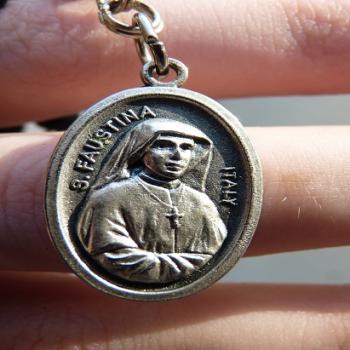
Remembering Saint Faustina on Her Feast Day (Oct....

"The Grace of Undómiel": Analyzing Arwen's Theme of...

The True Future of Arwen Undómiel: Holding Onto...
TRENDING AT PATHEOS Progressive Christian

Why Christians Have a Sacred Duty to Vote:...
The Bible offers strong support for the sacred duty to vote. Here...

What Being a Modern-Day Apostle Means to Me
In my last column, I discussed the ins and outs of modern-day...

Did Ancient China Once Worship the God of...
Across human history, a common thread weaves through the origins of the...

Love Your Neighbor – Including Earth-Kin: Lev. 19,...
God’s command to love your neighbor means acting in an ethical and...

Lead a Church Study of “Jesus and Lao...
Guest writer Jack Thomas (The Irreverent Reverend) reflects on leading his church...

Principles for Understanding the Apostolic Ministry Today
Whenever people discover that my formal ministry title is "apostle," as in...
view all Progressive Christian blogs
Ad-Free & Subscriber Log-In Subscription Support
- About Us
- 2026 Calendar
- Videos
- Podcasts
- Library of World Religions
- Faith In Media Tracker
- Advertise With Us
- Write for Us
- Privacy Policy
- Terms of Service
- Do Not Sell My Data
- Contact Us
- Radiant Digital
- Manage Newsletter Subscriptions
- Unsubscribe From Notifications
- Sitemap
Copyright 2008-2026, Patheos. All rights reserved.
Subscription Support Ad-Free & Subscriber Log-In
Follow Patheos