
BuddhistCatholicContemplativeEvangelicalGeneral ChristianHinduJewishLatter-day SaintMuslimNew VisionsProgressive Christian
Beliefs
- Buddhist
- Catholic
- Contemplative
- Evangelical
- General Christian
- Hindu
- Jewish
- Latter-day Saint
- More Voices
- Muslim
- New Visions
- Pagan
- Progressive Christian
Topics
- Religion News
- Food and Religion
- Sports and Religion
- Religious Art
- Religious Music and Entertainment
- Religious Events
- History and Religion
- Style and Religion
- Politics and Religion
- Women in Religion
- Recreation Outdoors and Religion
- Business Finance and Religion
- Careers Workplace and Religion
- Education and Religion
- Family Parenting and Religion
- Health Fitness and Religion
- Home and Religion
- Relationships and Religion
- Technology and Religion
- Travel and Religion
Columnists
- Buddhist Columnists
- Business Finance and Religion Columnists
- Careers Workplace and Religion Columnists
- Catholic Columnists
- Contemplative Columnists
- Education and Religion Columnists
- Evangelists Columnists
- Family Parenting and Religion Columnists
- General Christian Columnists
- Health Fitness and Religion Columnists
- Hindu Columnists
- History and Religion Columnists
- Home and Religion Columnists
- Jewish Columnists
- More Voices Columnists
- Latter Day Columnists
- Muslim Columnists
- New Visions Columnists
- Nonreligious Columnists
- Pagan Columnists
- Politics and Religion Columnists
- Progressive Columnists
- Recreation Outdoors and Religion Columnists
- Relationships and Religion Columnists
- Religion News Columnists
- Religious Art Columnists
- Religious Events Columnists
- Religious Music and Entertainment Columnists
- Sports and Religion Columnists
- Style and Religion Columnists
- Technology and Religion Columnists
- Travel and Religion Columnists
- Women in Religion Columnists
Resource Library
- 2026 Calendar
- Library of World Religions
- The 100 Most Holy Places on Earth
- Patheos Answers
- Podcasts
- Videos
- Faith Leaders Database
- Anglican Episcopalian
- Bahai
- Baptist
- Buddhism
- Christianity
- Confucianism
- Eastern Orthodoxy
- Hinduism
- Holiness and Pentecostal
- ISKCON
- Islam
- Judaism
- Lutheran
- Methodist
- The Church of Jesus Christ of Latter-day Saints
- New Age
- Paganism
- Presbytarian and Reformed
- Protestantism
- Religion Behind the Scenes
- Roman Catholic
- Scientology
- Shia Islam
- Sikhism
- Sufism
- Sunni Islam
- Taoism
- Zen
- See all religions
Research Tools
 Ad-Free & Subscriber Log-In Subscription Support
Ad-Free & Subscriber Log-In Subscription Support
Follow Patheos 

- Trending:
- Forgiveness
- |
- Marriage
- |
- Consciousness
- |
- Death Penalty
- |
- Election
- |
- Halloween
 Quaker Pagan Reflections
- Home
- Pagan
- Lammas Tidings, Late Harvests, and the End.
Lammas Tidings, Late Harvests, and the End.
Last updated on: August 24, 2015 at 4:49 pm by Cat Chapin-Bishop
Lammas Tidings, Late Harvests, and the End. 2015-08-24T16:49:46-04:00 Cat Chapin-Bishop
Patheos Explore the world's faith through different perspectives on religion and spirituality! Patheos has the views of the prevalent religions and spiritualities of the world.
I have a friend, a Celticist, who calls Lammas the most movable of all the “movable feasts”–the agricultural festivals that also shape the Wiccan Wheel of the year. This only makes sense: harvest festivals follow the harvest, and the harvest varies from place to place and from crop to crop. Seasons ripen as the land tells them to, and as local conditions dictate: one year, I harvest my black raspberries in June; another year, not until the second week of July.
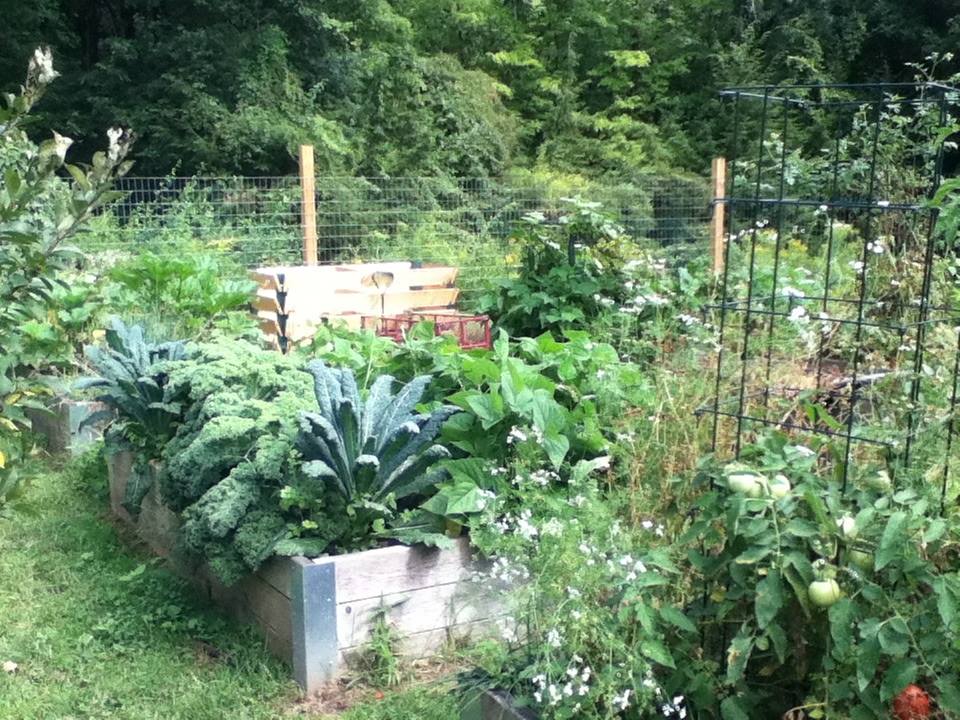
The August Garden. Cat Chapin-Bishop, 2015.
The shape of Lammas as we know it follows the harvest of barley in the British Isles, a matter of a mere handful of centuries ago. Barley for bread and–more important still–barley for beer. The feast of John Barleycorn celebrates that most popular of all forms of stored calories, alcohol. But still, the heart of the festival is the harvest of crops to store. I am a locavore. Not a fanatical one: I drink coffee, I eat chocolate, and though grain for flour is raised locally–and organically–it costs the earth, and I do not buy it. I bake my own bread, mostly, but with ordinary flour from a grocery store, that has passed through the ordinary supply chain of contemporary American food culture. And though we buy as much of our eggs, meat, and cheese from local sources as we can, we make exceptions when we need to. But my vegetables come from the land I live on, year round. And that means the harvest is not just for feasting: the harvest is about work. I don’t work anything like as hard as a farmer does, or anything like as hard as my ancestors do. I have modern conveniences to help me along: an electric stove to use for canning–no need to split wood–and a freezer for most of my vegetables, so no need for a root cellar or the particular skills of storing winter crops that way. More: I have a share in a CSA farm that carries into winter, and so they will do the hard work of preparing and storing those crops for me: potatoes and onions, turnips and radishes, cabbages, beets, and carrots. All I need to do is stop by the farm every few weeks and fill my shopping bags with them, and bring them home. Still, processing the produce of my garden is a large job, and it happens when it is time for it to happen. Blue Lake beans, pickling cucumbers, kale and cherry tomatoes, elderberries and black raspberries and apples.
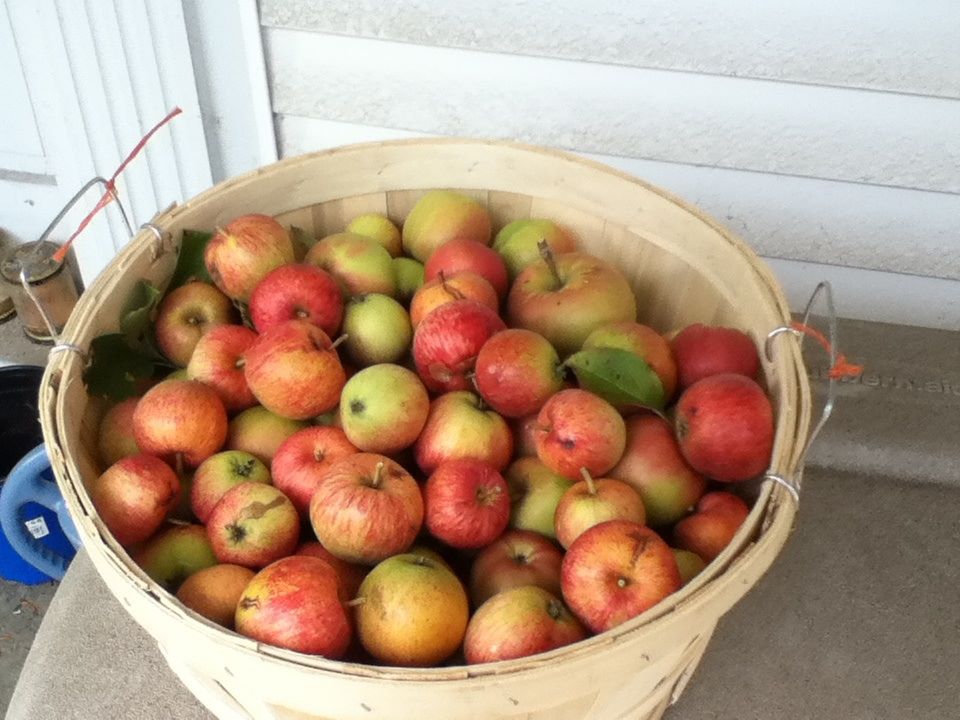
Apples. Cat Chapin-Bishop, 2015.
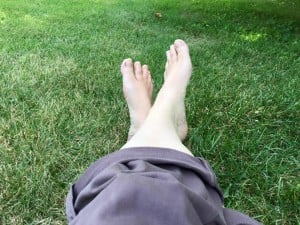
Yesterday was Apple Day: after washing and storing the largest and most perfect of our apples, the half-bushel that remained had to be cut up and frozen for pies, or canned as applesauce. The day before yesterday was Tomato Day, spent making and canning tomato sauce and salsa. Today, I am tired. I am tired, and I hear the shrill music of crickets and cicadas, singing their death song to summer. They, too, feel the urgency: hurry up and shape the future! Hurry up and store what life you can, before winter kills the rest. It is like this for me every year: hurry, hurry, set aside what you can. Winter is coming; I am running out of time. The message is particularly poignant, because I am a school teacher. Long before frost kills off my tomatoes, I will be back in the classroom, my every waking hour committed. I will promise myself to put up one more batch of this, or to create one more recipe of that… but there will not be time, amid the syllabi and college application essays, the tests on Beowulf and lectures on Chaucer. This life, my summer life of bare feet and the smell of earth is ending. My other life will swallow up whatever harvest I do not gather now. So the message of harvest, of summer’s end, is always bittersweet. And the message of the harvest is poignant, too, because my life is approaching autumn. My daughter is grown now–she will turn thirty next year. My body is warning me that I will be croning soon. My joints hurt, and the faces of my childhood friends are as wrinkled as my own. Lammas is a movable feast. But the harvest comes when it is ready, and it will look different for each of us, depending on where and how we live. Seasons blessings to you all.
Previous Post
July 28, 2015
The Value of a Garden
Next Post

September 22, 2015 Theism, or Down to the Sea (Of Limitless Light)
Browse Our Archives
Select a Category Cat's posts Peter's posts Uncategorized
Select a Month March 2017 February 2017 November 2016 July 2016 June 2016 May 2016 April 2016 February 2016 January 2016 December 2015 November 2015 October 2015 September 2015 August 2015 July 2015 June 2015 April 2015 March 2015 February 2015 January 2015 December 2014 November 2014 October 2014 September 2014 August 2014 July 2014 June 2014 May 2014 April 2014 March 2014 January 2014 December 2013 November 2013 October 2013 September 2013 July 2013 June 2013 March 2013 February 2013 December 2012 November 2012 August 2012 July 2012 June 2012 April 2012 February 2012 January 2012 November 2011 October 2011 September 2011 August 2011 July 2011 June 2011 May 2011 April 2011 March 2011 February 2011 January 2011 December 2010 November 2010 October 2010 September 2010 August 2010 July 2010 June 2010 May 2010 April 2010 March 2010 February 2010 January 2010 December 2009 November 2009 October 2009 September 2009 August 2009 July 2009 June 2009 May 2009 April 2009 March 2009 February 2009 January 2009 December 2008 November 2008 October 2008 September 2008 August 2008 July 2008 June 2008 May 2008 April 2008 March 2008 February 2008 January 2008 December 2007 November 2007 October 2007 September 2007 August 2007 July 2007 June 2007 May 2007 April 2007 March 2007 February 2007 January 2007 December 2006 October 2006 September 2006 August 2006 July 2006 June 2006 May 2006 April 2006 March 2006 July 2000
Follow Us!
TAKE THE
Religious Wisdom Quiz
I asked for wisdom above all else, and God granted me riches and honor as well. Who am I?
Select your answer to see how you score.
Solomon Hezekiah Josiah David
Related posts from Quaker Pagan Reflections

Goodbye to Patheos Pagan Channel

TRENDING AT PATHEOS Pagan

I was recently chatting with someone on Instagram. She asked me what...

While there are many people who share their results, the end of...

On July 23, I saw Christopher Nolan's The Odyssey which is Homer’s...

As I write this two big events have just finished up. One...

Restoring the Watershed of Divine Love
Perhaps cooperation is not something we manufacture through legislation, ideology, or moral...

Many UUs don’t pray because of bad experiences in a previous religion,...
view all Pagan blogs
Ad-Free & Subscriber Log-In Subscription Support
- About Us
- 2026 Calendar
- Videos
- Podcasts
- Library of World Religions
- Faith In Media Tracker
- Advertise With Us
- Write for Us
- Privacy Policy
- Terms of Service
- Do Not Sell My Data
- Contact Us
- Radiant Digital
- Manage Newsletter Subscriptions
- Unsubscribe From Notifications
- Sitemap
Copyright 2008-2026, Patheos. All rights reserved.
Subscription Support Ad-Free & Subscriber Log-In
Follow Patheos