
BuddhistCatholicContemplativeEvangelicalGeneral ChristianHinduJewishLatter-day SaintMuslimNew VisionsProgressive Christian
Beliefs
- Buddhist
- Catholic
- Contemplative
- Evangelical
- General Christian
- Hindu
- Jewish
- Latter-day Saint
- More Voices
- Muslim
- New Visions
- Pagan
- Progressive Christian
Topics
- Religion News
- Food and Religion
- Sports and Religion
- Religious Art
- Religious Music and Entertainment
- Religious Events
- History and Religion
- Style and Religion
- Politics and Religion
- Women in Religion
- Recreation Outdoors and Religion
- Business Finance and Religion
- Careers Workplace and Religion
- Education and Religion
- Family Parenting and Religion
- Health Fitness and Religion
- Home and Religion
- Relationships and Religion
- Technology and Religion
- Travel and Religion
Columnists
- Buddhist Columnists
- Business Finance and Religion Columnists
- Careers Workplace and Religion Columnists
- Catholic Columnists
- Contemplative Columnists
- Education and Religion Columnists
- Evangelists Columnists
- Family Parenting and Religion Columnists
- General Christian Columnists
- Health Fitness and Religion Columnists
- Hindu Columnists
- History and Religion Columnists
- Home and Religion Columnists
- Jewish Columnists
- More Voices Columnists
- Latter Day Columnists
- Muslim Columnists
- New Visions Columnists
- Nonreligious Columnists
- Pagan Columnists
- Politics and Religion Columnists
- Progressive Columnists
- Recreation Outdoors and Religion Columnists
- Relationships and Religion Columnists
- Religion News Columnists
- Religious Art Columnists
- Religious Events Columnists
- Religious Music and Entertainment Columnists
- Sports and Religion Columnists
- Style and Religion Columnists
- Technology and Religion Columnists
- Travel and Religion Columnists
- Women in Religion Columnists
Resource Library
- 2026 Calendar
- Library of World Religions
- The 100 Most Holy Places on Earth
- Patheos Answers
- Podcasts
- Videos
- Faith Leaders Database
- Anglican Episcopalian
- Bahai
- Baptist
- Buddhism
- Christianity
- Confucianism
- Eastern Orthodoxy
- Hinduism
- Holiness and Pentecostal
- ISKCON
- Islam
- Judaism
- Lutheran
- Methodist
- The Church of Jesus Christ of Latter-day Saints
- New Age
- Paganism
- Presbytarian and Reformed
- Protestantism
- Religion Behind the Scenes
- Roman Catholic
- Scientology
- Shia Islam
- Sikhism
- Sufism
- Sunni Islam
- Taoism
- Zen
- See all religions
Research Tools
 Ad-Free & Subscriber Log-In Subscription Support
Ad-Free & Subscriber Log-In Subscription Support
Follow Patheos 

- Trending:
- Forgiveness
- |
- Marriage
- |
- Consciousness
- |
- Death Penalty
- |
- Election
- |
- Halloween

- Home
- Progressive Christian
- Politics and Religion
- Somebody Done Somebody Wrong
Somebody Done Somebody Wrong
Last updated on: April 9, 2024 at 3:42 pm by Rodney Kennedy
Somebody Done Somebody Wrong 2024-04-09T15:42:29-05:00 Rodney Kennedy
Patheos Explore the world's faith through different perspectives on religion and spirituality! Patheos has the views of the prevalent religions and spiritualities of the world.
John 20:19-31
There’s a country song that insists “Somebody done somebody wrong.” The church has done “some-bodies” (lots-of-bodies) wrong over the centuries. The emphasis here is on “bodies” because our culture likes to pride itself on the body even while the culture war has harshly judged bodies that are not male, straight, and rich. The new culture war is against trans people. Do you think that we ever realize how many people have their identity, dignity, their very hold on life, liberty, and the pursuit of happiness pressed into a partisan battle and fashioned into a political weapon? In the name of what we think is good, we can do a lot of damage.
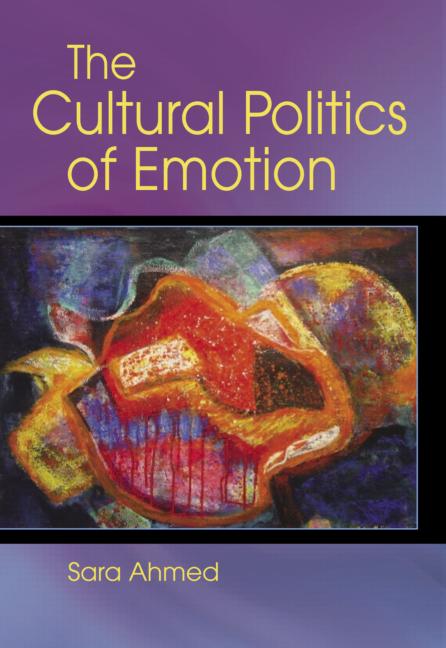
Sara Ahmed
Affect Theory
www.amazon.com
Sara Ahmed, a British-Australian scholar whose area of study includes feminism, lesbian feminism, queer theory, and affect theory, has this fabulous book, The Cultural Politics of Emotion. When it comes to the world of reading, we preaching need to get out in the larger world more often. Ahmed develops the concept of “stickiness.” She argues that feelings “stick” to people. She shows how the emotional treatment we impose on some people accumulates over time and “sticks” to them, especially when the feelings are negative, demeaning, prejudiced. I think there’s an obvious case of “stickiness” in the story of Thomas. I’m sure Thomas won’t mind me using feminist, lesbian, queer theory in his defense; he has been kicked around by straight male preachers for centuries.
Thomas has been the object of this kind of “stickiness” and “being done wrong.” He has been used by preachers in search of a sermon illustration. They labeled him “Doubting” Thomas. There are people who are experts at identifying vulnerable, marginalized people and demonizing them in return for political gain.
John tells the story and the idea of “doubt” sticks to Thomas. Keep in mind John also tells the story of racing Peter to the empty tomb and “winning the race.” Sibling rivalry among disciples? Salary envy among pastors? And John refers to himself as “the disciple Jesus loved.” John didn’t say Thomas was a doubter, but he planted the seed.
Plenty of preachers gladly followed John’s lead over the centuries, enough for the charge to stick for the entire history of the church.
Look, Jesus did not give Thomas the nickname, “Doubting Thomas.” When Jesus gave a nickname, it was an uplifting, filled with promise and potential. “You are Simon; You are to be called ‘Rock.”
Later, P:eter denied Jesus three times, but he became known as the rock on which the church was built, the leader, the first pope. Thomas expressed some confusion about the resurrected Lord, and he got stuck with “doubting Thomas.” Now, do you see?
“Doubting Thomas” has such a contemporary ring to it. Giving people harsh nicknames has become an art form in our politics. The political theatre has become a tragedy pretending to be a comedy. What concerns me is that so many millions of Americans laugh and enjoy the way we are now attacking and demeaning and putting one another down. People use nicknames to hurt and degrade people. And at least 48% of Americans like negative nicknames.
The church ought not be in the name calling game. In the church, we are in the new name business.
By now you can tell, “Doubting Thomas” disturbs. No one calls Peter “Denying Peter” or “King of Denial”. No one says “Sticky Fingers” Matthew. No one says “Hot-headed James and John,” but they were dubbed the “Sons of Thunder.” No one says “Elitist” John because he was a philosopher. No one says “Smelly” Andrew because he was a fisherman. Thomas, of the 12, only Thomas, gets a low-grade, demeaning nickname and he doesn’t deserve it.
I want us to give Thomas and one another a serious break. His was not unbelieving doubt. It was honest, emotional, anguished, “I want to believe” doubt. He blurted out what he was thinking. Impulsive. Normal. A natural person. This was “I believe, help my unbelief” doubt. Don’t we know honest doubt is always mixed with faith? “God bless Thomas” not “God damn Thomas.”
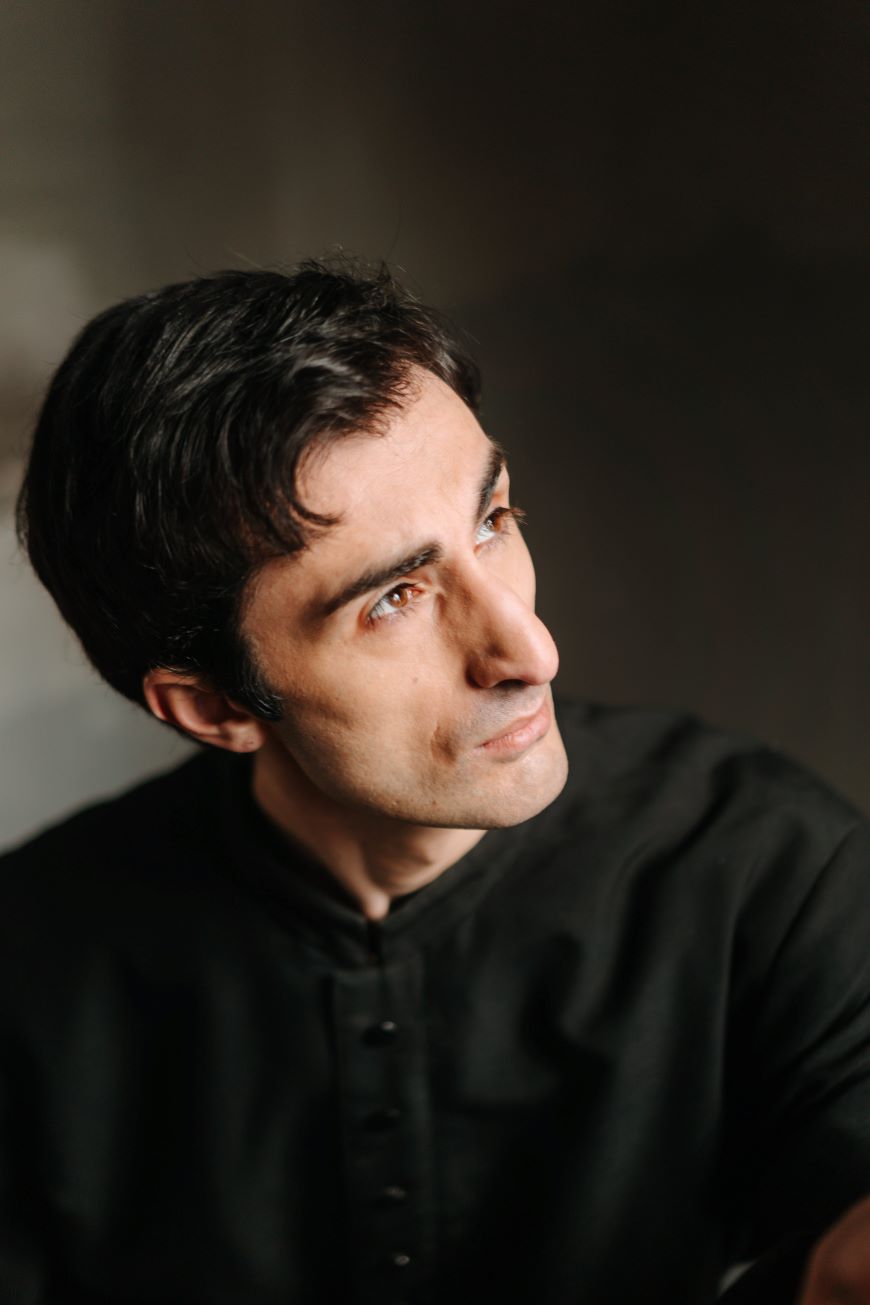
The Confusion of Doubt
Cottonbro Studio
When I see Thomas glaring out at our faces from the Upper Room, I see him wondering why the Church has so mistreated him. And with such glee. We look like those grainy photos from the 1920’s of a lynching crowd gathered to lynch an innocent African American, grinning, and having a good old time, with a church choir singing, “Shall We Gather at the River.”
There’s more to Thomas than his Upper Room moment. After Jesus learned of the death of Lazarus, he determined to go back to Bethany. The disciples tried to dissuade him because his enemies there were seeking to kill him, but Thomas says, “Let us go also, that we may die with him.” Why didn’t we name him “Loyal Thomas”
When Jesus said, “You know the way to the place where I am going,” it was Thomas who said to him, “Lord, we do not know where you are going. How can we know the way?” Why haven’t we called him “Seeking Thomas” or “Philosopher Thomas” or “Questioning Thomas”? There’s so much more to Thomas than doubt. The church needs skeptics, doubters, people with serious questions or we tend to get hard to put up with on a daily basis.
And then there’s this special moment: Jesus comes back for Thomas. “Jesus came and stood among them.” So when Thomas missed church, Jesus came back for him at the next meeting. Jesus comes for the doubters, the skeptics, the unbelievers. Jesus meets Thomas bearing his doubts into church. “Do not doubt but believe.” Thomas cries, “My Lord and my God.” Give me a thousand men and women like Thomas: MY LORD AND MY GOD!
Is it just me or should this gigantic expression of faith stand next to Peter declaring, “You are the son of the living God”? I think the time has come to call him “Honest” Thomas.
Here’s what I’m struggling to make clear. Jesus isn’t upset, uptight, or bent out of shape by Thomas. I am reminded of all the preachers who are besides themselves with righteous indignation over gays, women in ministry, immigrants, persons of color, and people they deem as “less than.” I’m saying, as Jesus received Thomas, as Jesus gave Thomas the sign of peace, Jesus does the same to all the people who have been victims of the moralistic judgment of so many Christians for so many centuries. And they keep doing it, they claim, because it is orthodox Christianity. It never dawns on them orthodoxy has started out at times on the wrong foot and been wrong all these centuries.
We can let go of “Doubting” Thomas and all that name calling and condemnation. We can pass out the Easter gifts that Jesus gave to Thomas: Peace, Purpose, and Power. Leave your bag of old doubts at the altar and receive the gifts of Easter. Amen
Previous Post

April 8, 2024
Rep. Marjorie Taylor Greene Becomes Rev. Greene
Next Post

April 19, 2024 Kari Lake Entertains “Strapping on a Glock”
Recent Comments
Browse Our Archives
Select a Category Uncategorized
Select a Month September 2024 August 2024 June 2024 May 2024 April 2024 March 2024 February 2024 January 2024 December 2023 November 2023 October 2023 September 2023 August 2023 July 2023
TAKE THE
Religious Wisdom Quiz
What four things does the Pale Horse in Revelations bring upon the earth?
Select your answer to see how you score.
Silence, fire, blood, and pestilence Sword, famine, plague, and wild beasts Wrath, power, redemption, and judgment Storms, earthquakes, floods, and darkness
Books by This Author Books by Rodney Kennedy
Related posts from Progressive Persuasion and Passion

Progressive Persuasion and Passion
Meet the False Prophets Hijacking Evangelical Movement
Progressive Persuasion and Passion

Only the Prophets Can Save Us Now
Progressive Persuasion and Passion

Keeping An Eye on Dictators and Would-Be Dictators
Progressive Persuasion and Passion
TRENDING AT PATHEOS Progressive Christian

What Being a Modern-Day Apostle Means to Me
In my last column, I discussed the ins and outs of modern-day...

Did Ancient China Once Worship the God of...
Across human history, a common thread weaves through the origins of the...

Love Your Neighbor – Including Earth-Kin: Lev. 19,...
God’s command to love your neighbor means acting in an ethical and...

Lead a Church Study of “Jesus and Lao...
Guest writer Jack Thomas (The Irreverent Reverend) reflects on leading his church...

Pastoral Wisdom for Responding to Sermon Pushback
Getting sermon pushback on your social justice sermon? Learn practical, Proverbs-based strategies...

Principles for Understanding the Apostolic Ministry Today
Whenever people discover that my formal ministry title is "apostle," as in...
view all Progressive Christian blogs
What Are Your Thoughts?leave a comment
Ad-Free & Subscriber Log-In Subscription Support
- About Us
- 2026 Calendar
- Videos
- Podcasts
- Library of World Religions
- Faith In Media Tracker
- Advertise With Us
- Write for Us
- Privacy Policy
- Terms of Service
- Do Not Sell My Data
- Contact Us
- Radiant Digital
- Manage Newsletter Subscriptions
- Unsubscribe From Notifications
- Sitemap
Copyright 2008-2026, Patheos. All rights reserved.
Subscription Support Ad-Free & Subscriber Log-In
Follow Patheos